

When people picture medieval food, they often imagine endless loaves of coarse bread and the occasional roasted turkey leg. In reality, diets varied widely depending on wealth, location, and the season, and many ingredients would still be recognizable today.
Some medieval favorites have disappeared from modern menus, while others are foods we still eat, just prepared in very different ways. Here are 10 foods medieval people enjoyed that might surprise you.
10. Eels

Eels were one of the most common sources of protein throughout much of medieval Europe.
They were plentiful in rivers and marshes, could be smoked or salted for storage, and were especially popular during religious fasting periods when meat from land animals was restricted.
9. Almond Milk
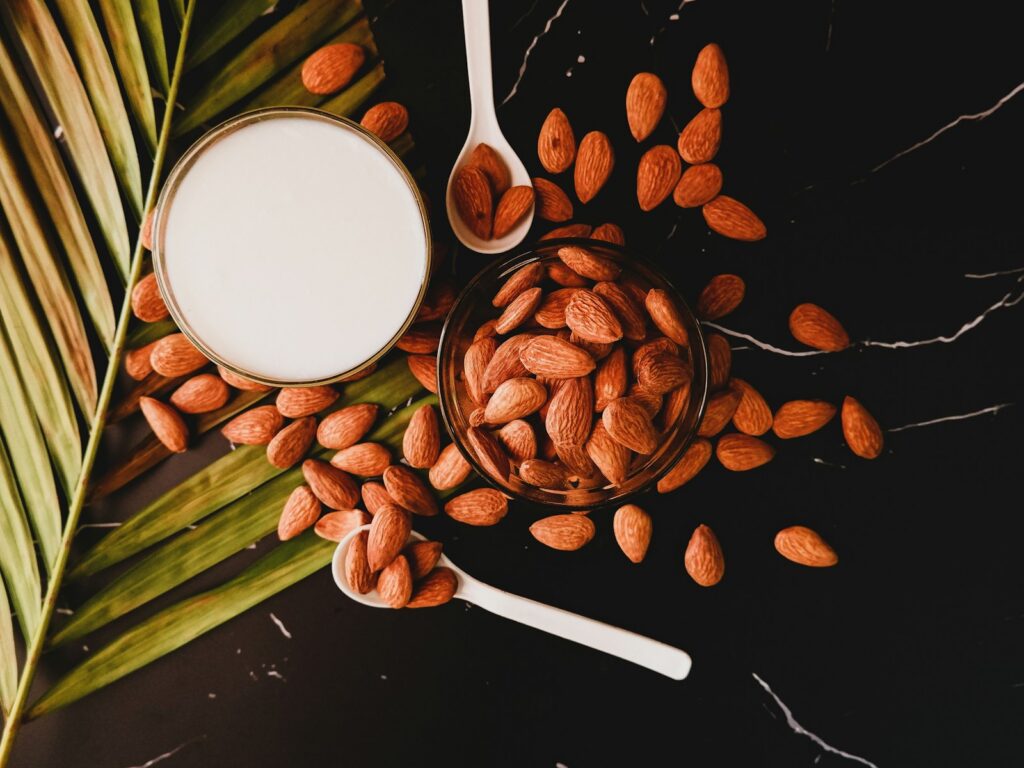
Long before plant-based milks filled grocery store shelves, medieval cooks were making almond milk.
Ground almonds mixed with water created a rich liquid that was widely used in soups, sauces, desserts, and meat dishes. It also kept longer than dairy milk and could be consumed during many church fasts.
8. Peacocks

For wealthy households, peacock was less about flavor than spectacle.
At elaborate feasts, the bird was sometimes roasted and then decorated with its colorful feathers before being presented to guests as a symbol of wealth and status.
7. Lampreys
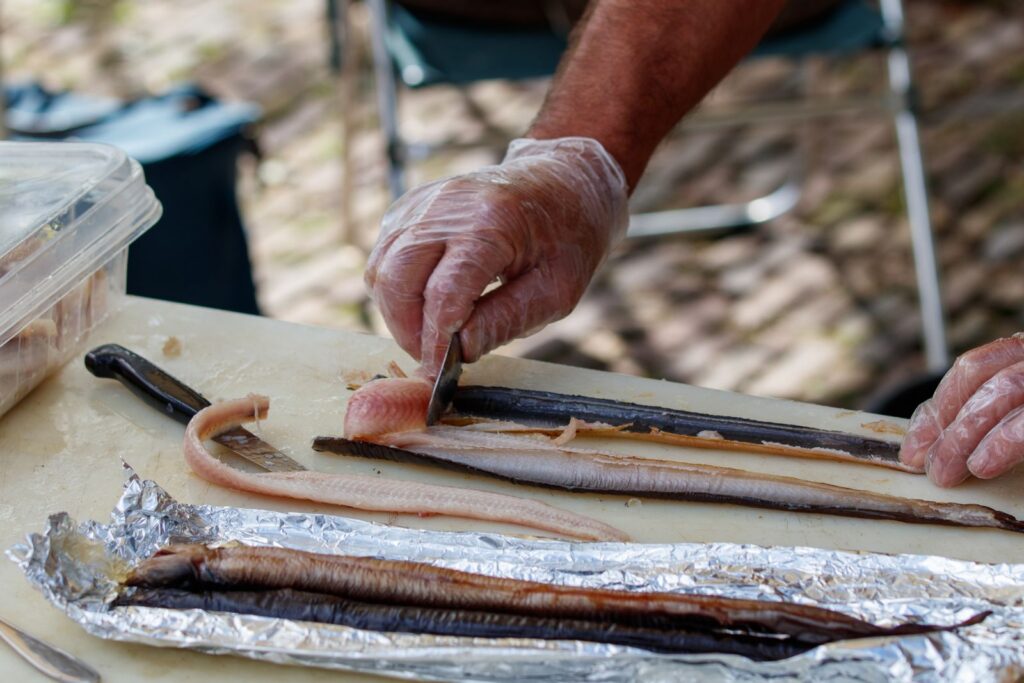
These jawless, eel-like fish were considered a delicacy by many nobles.
Lampreys appeared at royal banquets and important celebrations, particularly in England and parts of France. Their rich flavor made them highly prized despite their unusual appearance.
6. Verjuice
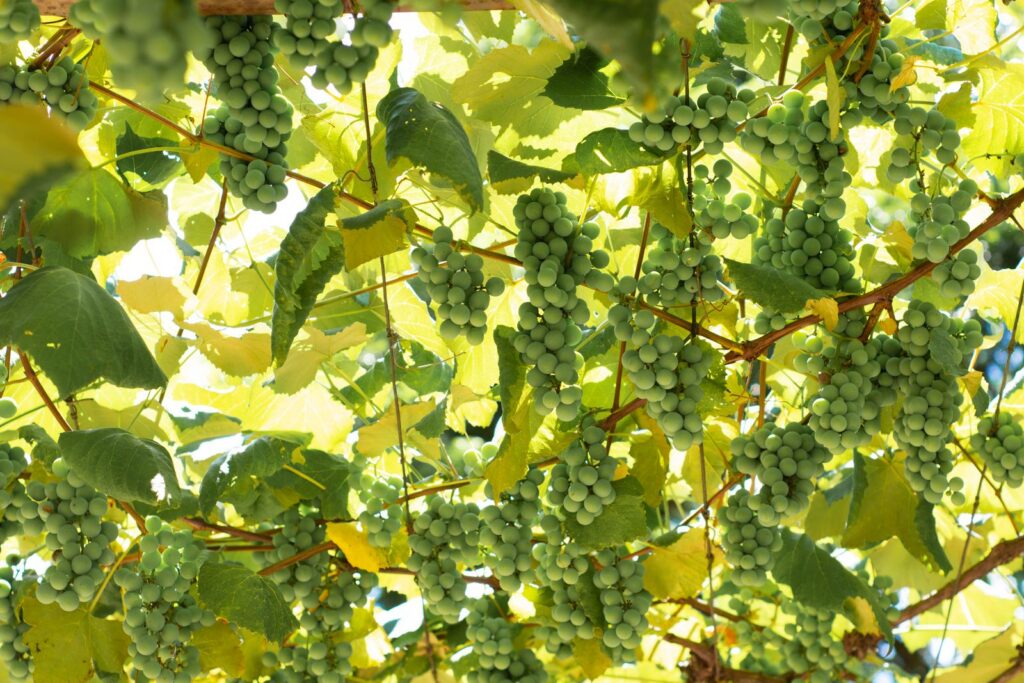
Not quite a food and not quite a condiment, verjuice was a staple ingredient in medieval kitchens.
Made from the juice of unripe grapes or crabapples, it added a tart flavor to soups, sauces, and stews long before lemons became widely available in northern Europe.
5. Pottage
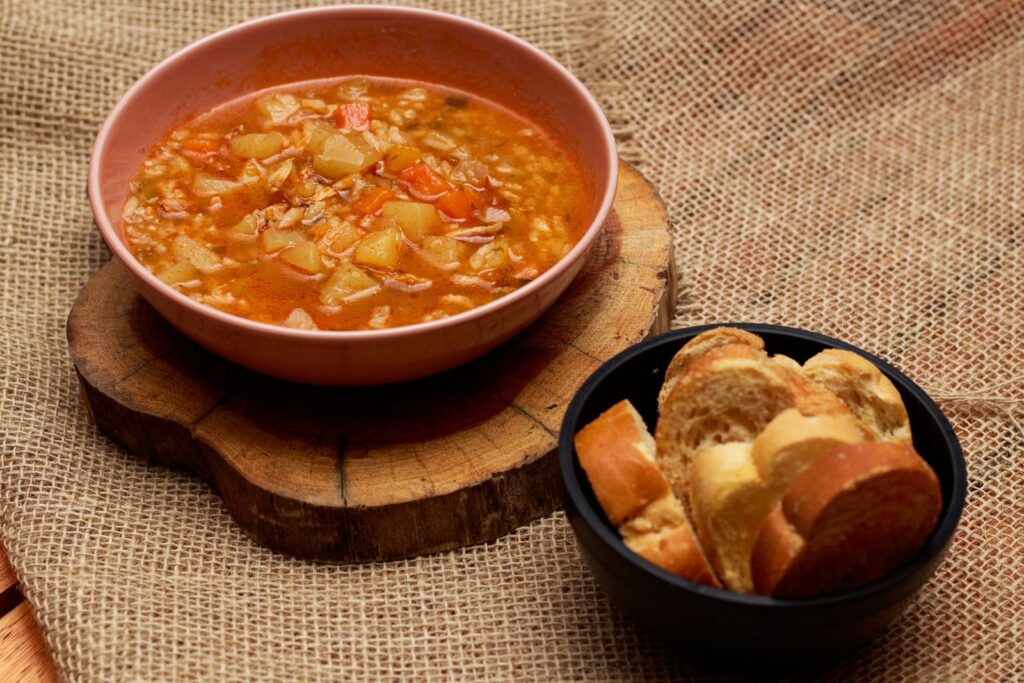
Nearly everyone ate some form of pottage, regardless of social class.
This thick stew combined grains, vegetables, herbs, and whatever meat or legumes were available. The ingredients changed with the seasons, making it one of the most common meals of the Middle Ages.
4. Swan

Swans were sometimes served at the tables of Europe’s elite.
Preparing one required considerable expense, making it a dish reserved for major feasts and celebrations. Like peacock, its value often lay as much in its impressive presentation as its taste.
3. Figs and Dates
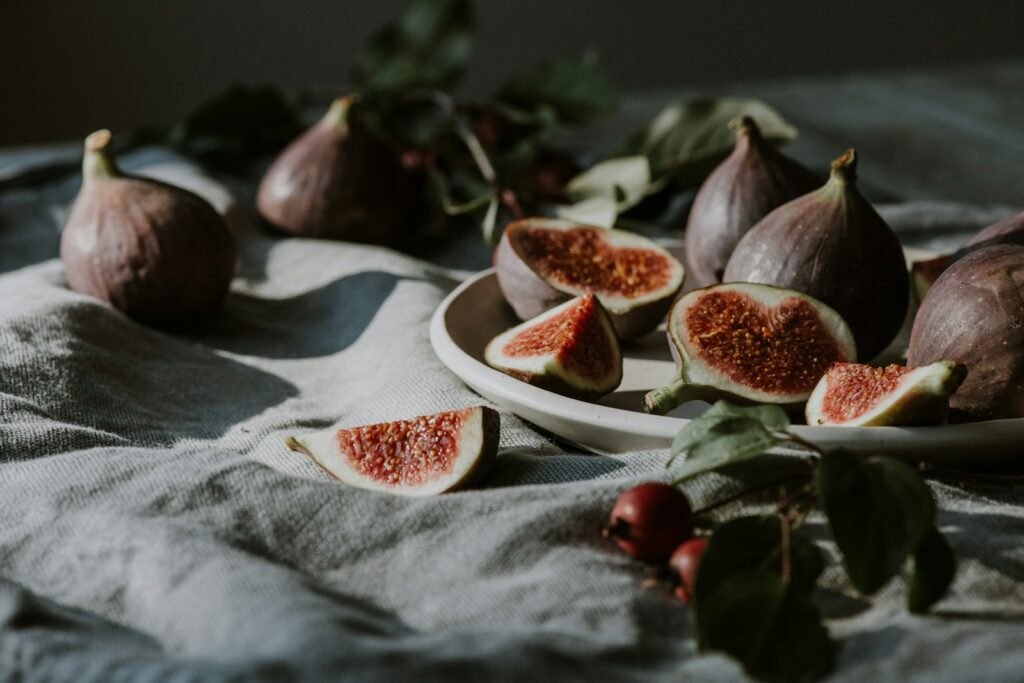
Dried fruits from the Mediterranean traveled remarkable distances through medieval trade networks.
Although expensive, figs, dates, raisins, and other imported fruits appeared in the kitchens of wealthy households and added sweetness to both savory and sweet recipes.
2. Spices From Around the World
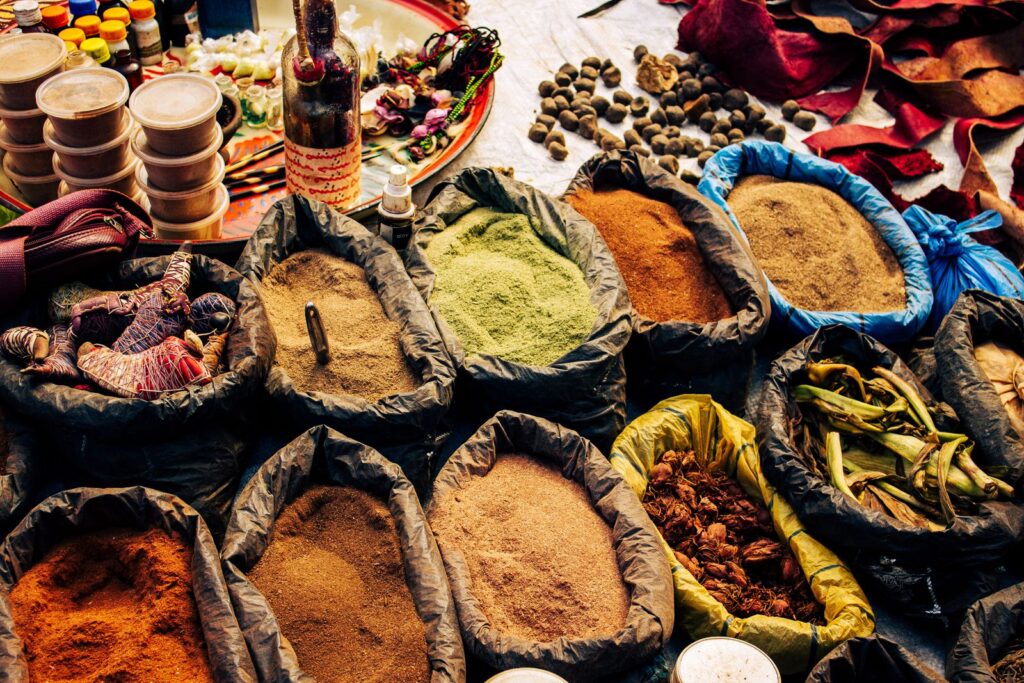
Contrary to popular myth, spices weren’t used to disguise spoiled meat.
Cinnamon, cloves, ginger, nutmeg, pepper, and saffron were prized luxury imports that demonstrated wealth and connected medieval Europe to vast international trade routes. They were used thoughtfully to create complex, layered flavors.
1. Sweet-and-Savory Meat Dishes
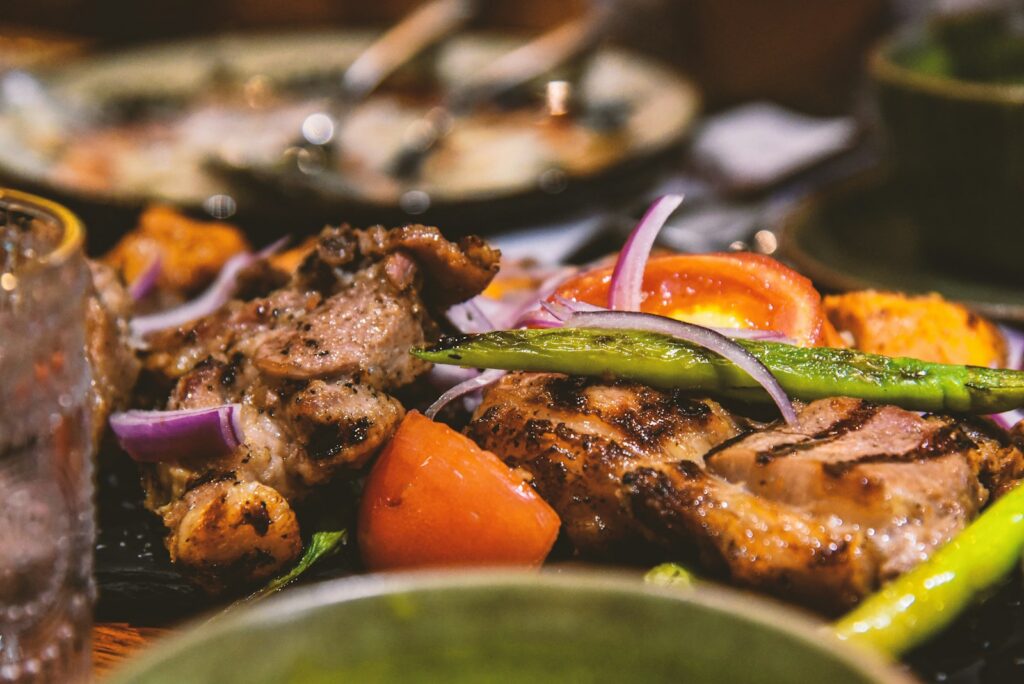
One of the biggest surprises for modern diners might be the flavor combinations.
Medieval cooks often paired meat with sugar, dried fruit, cinnamon, cloves, ginger, or almond milk in the same dish. To modern tastes these combinations can seem unusual, but they reflected the sophisticated cuisine enjoyed by many wealthy households during the Middle Ages.
Read More:
- 20 Surprising Truths About Medieval Life and Warfare
- 9 Things You Didn’t Know About the Trojan Horse
- 10 Greek Mythology Words You Use Every Day