

In today’s fast-paced world, most of us are accustomed to a single, continuous stretch of sleep each night. However, historical evidence suggests that this wasn’t always the norm. Biphasic sleep, a pattern where sleep is divided into two separate phases, appears to have been a recognized practice in parts of the preindustrial world.
References to a ‘first sleep’ and ‘second sleep’ abound in historical texts, painting a picture of a time when people would wake up in the middle of the night to engage in various activities. But what exactly is biphasic sleep, and why is it garnering interest today? Here are 10 things to know about this intriguing sleep pattern.
10. Historical References to Biphasic Sleep
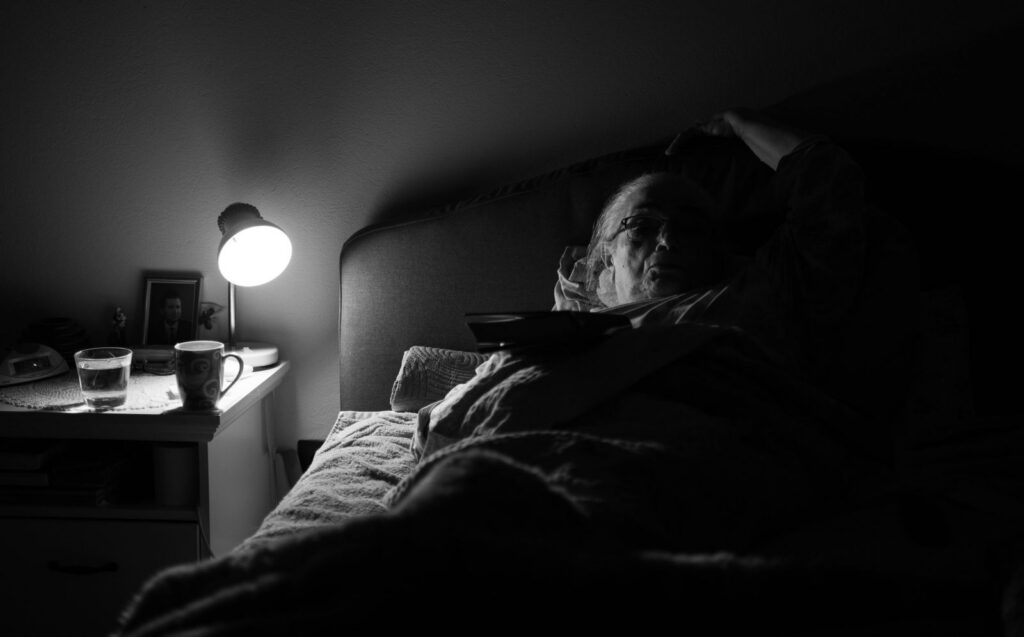
Historical documents from medieval and early modern Europe frequently mention ‘first sleep’ and ‘second sleep.’ This suggests that segmented sleep was once a widely recognized practice
Activities such as chores, prayer, and socialization were reportedly common between these two sleep phases, suggesting a cultural acceptance of segmented sleep.
9. The Medieval Sleep Schedule
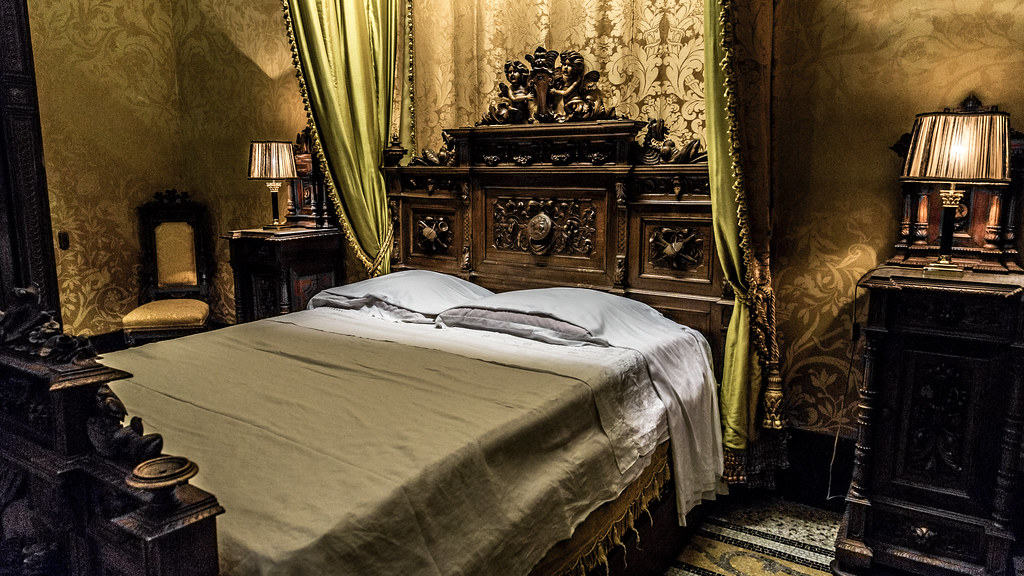
In some preindustrial settings, people often went to bed relatively soon after nightfall, sleeping for several hours before waking for a period in the middle of the night.
During this wakeful period, they would engage in various activities like reading or praying before returning to bed for a second sleep until morning.
8. Roger Ekirch’s Theory

Historian Roger Ekirch’s research brought biphasic sleep into the spotlight, revealing numerous historical references to segmented sleep.
His findings suggest that biphasic sleep was a natural and socially accepted pattern before the Industrial Revolution.
7. Impact of the Industrial Revolution
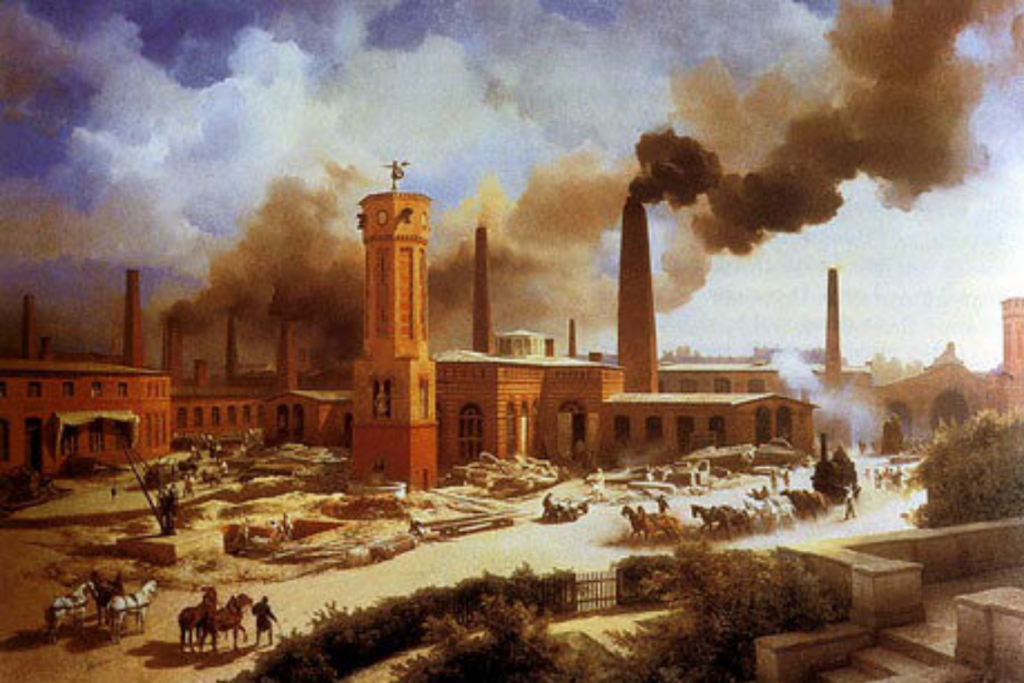
The shift to a single sleep phase coincided with the Industrial Revolution, as people adapted to new work schedules dictated by mechanized time.
This change in sleep patterns was driven by the demands of industrial society, leading to the current norm of continuous sleep.
6. The 1992 Sleep Study
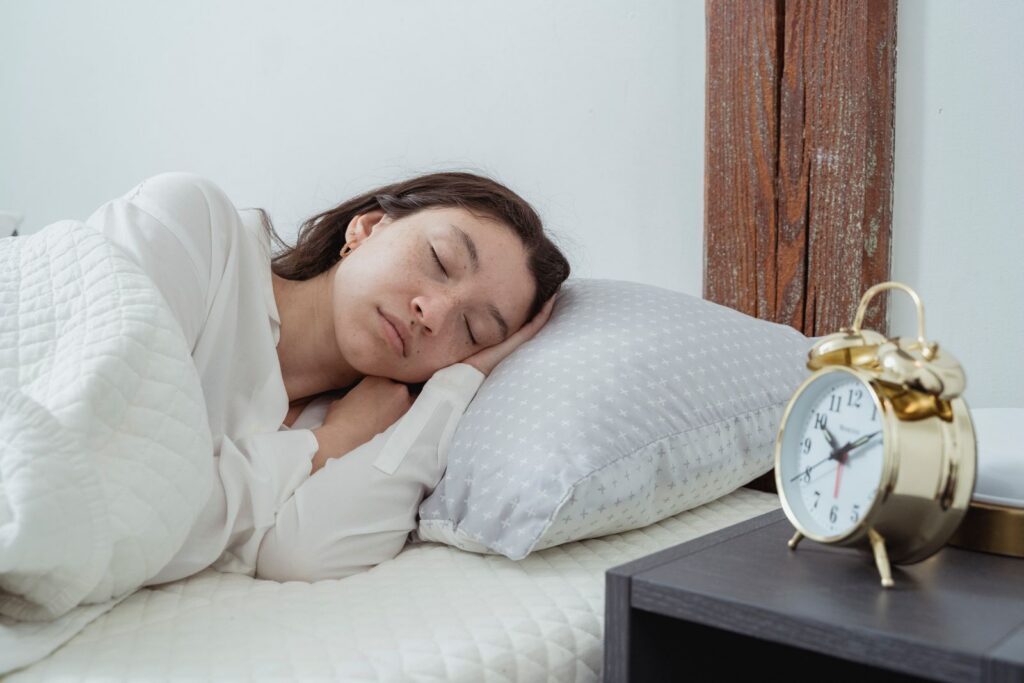
A 1992 study tested how people slept when they were exposed to long nights, with about 14 hours of darkness and 10 hours of light per day.
The participants naturally adopted a biphasic sleep pattern, although the study’s conditions were later criticized as artificial.
5. Controversies and Criticisms

Critics argue that biphasic sleep may not be as natural as once thought, with some studies failing to replicate the pattern in more natural settings.
Questions remain about whether historical references to segmented sleep were due to cultural practices or natural sleep cycles.
4. Modern-Day Interest

The concept of biphasic sleep has captured the interest of many today, with some individuals experimenting with segmented sleep patterns.
Advocates claim benefits such as improved restfulness and better management of insomnia.
3. Potential Health Implications
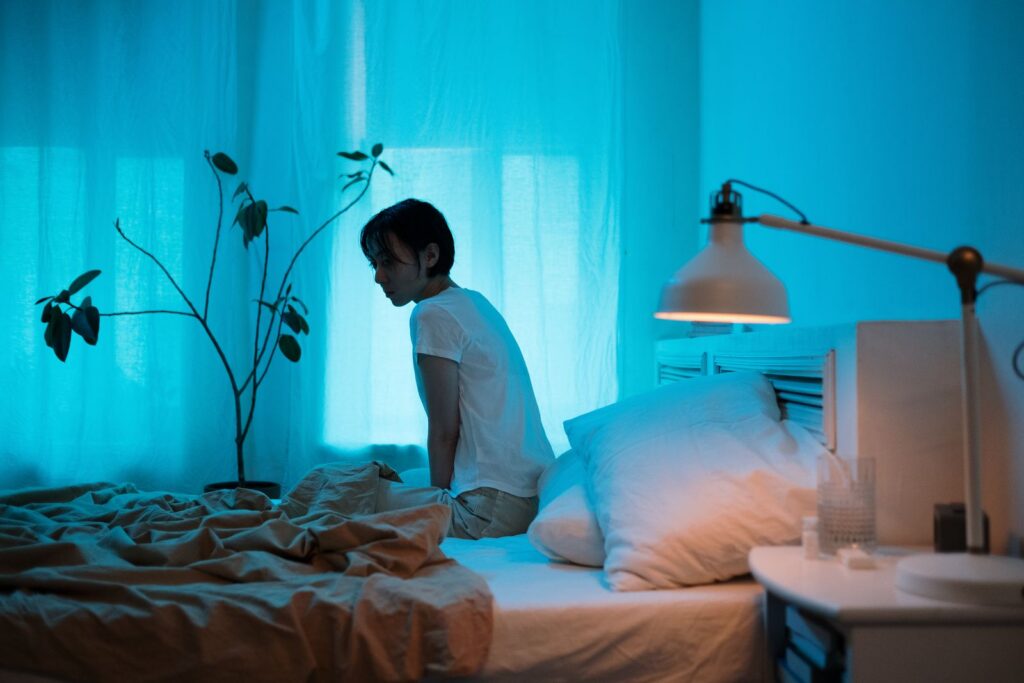
While some find biphasic sleep beneficial, others warn of potential health risks, including disruptions to circadian rhythms.
Experts caution that more research is needed to better understand the long-term effects of this sleep pattern.
2. Cultural Variations

Not all cultures have historical records of biphasic sleep, suggesting that it may have been more of a regional phenomenon.
Understanding these cultural differences can provide insights into how sleep patterns have evolved over time.
1. The Future of Sleep Patterns
As we continue learning more about sleep, biphasic patterns may remain an alternative for those struggling with traditional sleep schedules.
Whether biphasic sleep will gain wider acceptance remains to be seen, but its historical roots offer a fascinating glimpse into how human sleep habits can vary.
Read More:
- 10 Daytime Habits to Improve Your Sleep and Reduce Stress
- 10 Reasons Not to Feel Guilty for Sleeping In on the Weekends
- Sleep Hygiene in the Digital Age: 10 Simple Tweaks That Actually Work