

Vitamin B12, though required in minuscule amounts, plays a pivotal role in maintaining our overall health. This essential nutrient is crucial for red blood cell production, nerve function, and DNA synthesis. Despite its importance, some people, especially older adults and those with dietary restrictions, often face deficiencies that can mimic signs of aging.
Understanding the benefits of Vitamin B12 can help you make informed decisions about your health and wellness. Here are 10 compelling reasons to include Vitamin B12 in your daily routine.
10. Supports Red Blood Cell Formation
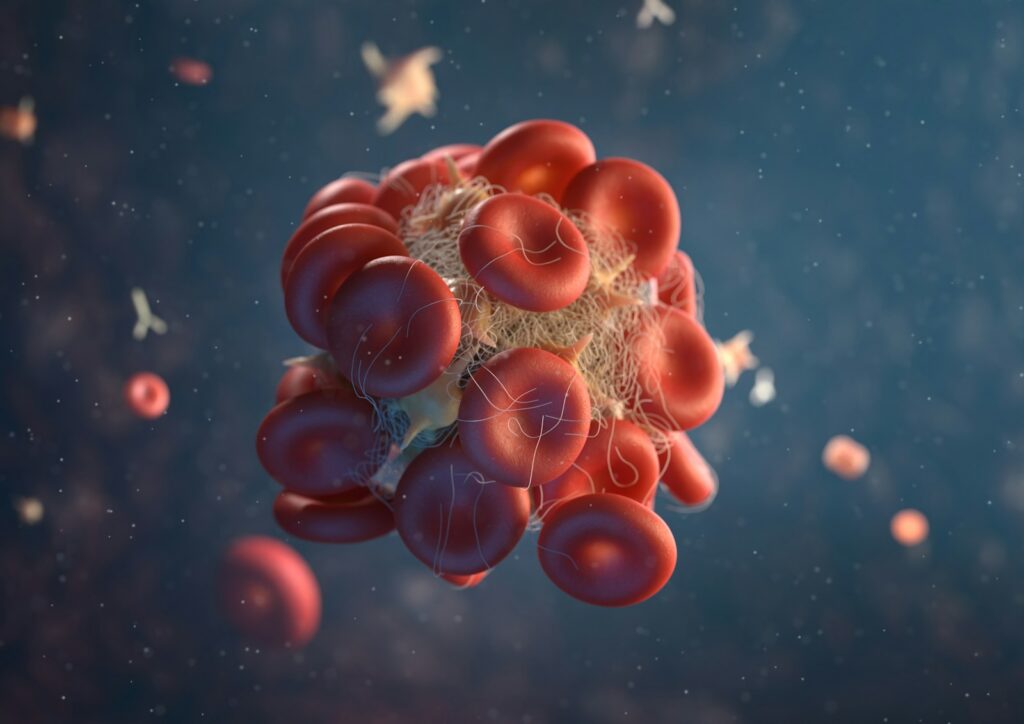
Vitamin B12 is essential for producing healthy red blood cells. Without it, the bone marrow releases large, immature cells that are less effective at carrying oxygen.
This can lead to anemia, causing fatigue and weakness. Ensuring adequate B12 intake helps maintain energy levels and overall vitality.
9. Enhances Nerve Function

Vitamin B12 is crucial for maintaining the health of your nerves. It helps form the protective covering of nerves, known as the myelin sheath.
Deficiency in B12 can lead to nerve damage, resulting in numbness or tingling in the hands and feet, and even balance issues.
8. Supports DNA Synthesis

One of the enzymes that require Vitamin B12 is involved in DNA synthesis, which is necessary for cell division and renewal.
Adequate B12 levels ensure that your cells can divide properly, which is crucial for tissue repair and overall health.
7. Boosts Energy Levels

Vitamin B12 plays a role in energy production by aiding the mitochondria in processing fats and proteins.
Ensuring sufficient B12 levels can help reduce fatigue and improve your overall energy, although supplements are not a cure-all for tiredness.
6. Prevents Brain Fog

Many people with low B12 levels report experiencing brain fog, which affects concentration and memory.
By maintaining adequate B12, you can support cognitive function and potentially prevent these issues.
5. Supports Heart Health

Vitamin B12 helps lower levels of homocysteine, an amino acid linked to heart disease when present in high amounts.
Maintaining healthy B12 levels can help regulate homocysteine, though B12 supplements alone have not been proven to prevent heart disease.
4. Aids in Bone Health

Low levels of Vitamin B12 have been linked to an increased risk of osteoporosis, especially in older adults.
Ensuring adequate intake of B12 can help maintain bone density and may reduce the risk of fractures.
3. Supports Mood and Mental Health

Vitamin B12 plays a role in producing brain chemicals that affect mood and other brain functions.
Deficiency in B12 can lead to mood changes and even depression, so maintaining proper levels is crucial for mental health.
2. Essential for Healthy Skin, Hair, and Nails

Vitamin B12 contributes to cell production, which is essential for healthy skin, hair, and nails.
Deficiency can cause dermatological symptoms like hyperpigmentation and nail discoloration, so maintaining adequate levels supports overall appearance.
1. Critical for Aging Gracefully

As we age, our bodies become less efficient at absorbing Vitamin B12, increasing the risk of deficiency.
Supplementing with B12 can help mitigate age-related decline in energy and cognitive function, supporting a healthier, more vibrant life.
Read More:
- 12 Magnesium Supplements Recommended by Dietitians
- Supplements That May Help—and the Ones to Think Twice About
- The Essential Mineral Men Need for Healthy Testosterone Levels