
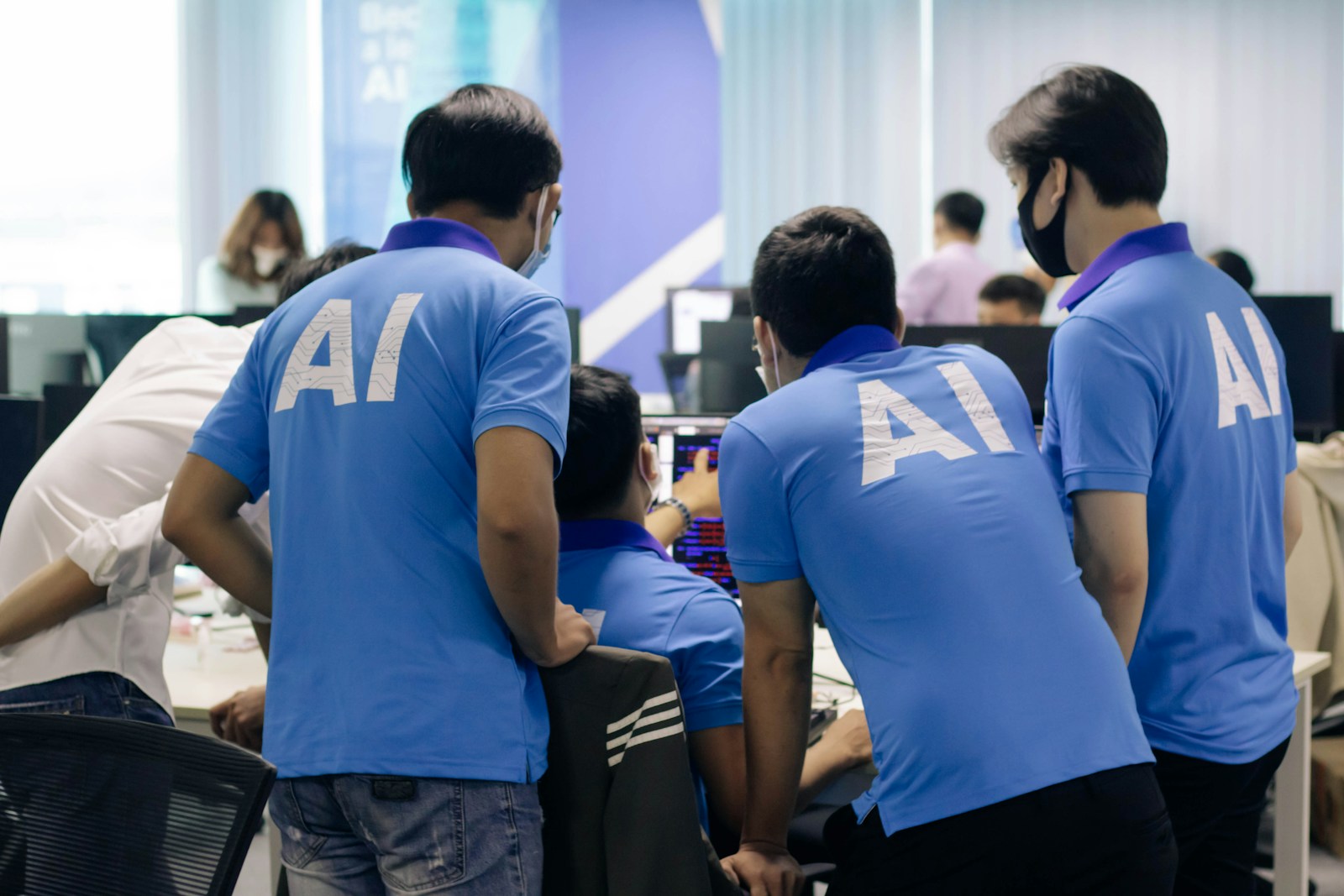
The rise of AI technology in recent years has transformed the hiring landscape across industries. Initially, the demand for AI expertise was broad, with companies eager to onboard anyone with basic knowledge. However, as the technology matures, so do the requirements for talent.
Today, businesses are shifting their focus from broad AI know-how to specialized skills that can drive meaningful advancements and implementations. This shift is reshaping the job market and redefining what it means to be an AI expert.
Here are 9 reasons why specialized AI talent is becoming increasingly crucial.
9. The Rise of Specialized AI Roles

Initially, AI roles were broad, covering a range of general skills.
Now, companies are seeking out specialists who can provide deep insights and expertise in specific AI applications, such as model deployment and backend integration.
8. Demand for Model-Specific Knowledge

Understanding the nuances of different AI models has become essential.
Enterprises now recognize that to fully leverage AI, they need developers who are familiar with specific model architectures, providers, and APIs, such as Claude, and can optimize their use.
7. Shift from Prototypes to Production

Early AI projects often focused on flashy prototypes.
Now, the focus is on reliable, scalable solutions that require specialized skills to implement effectively across business operations.
6. Increased Importance of Cloud Infrastructure

AI systems often rely on robust cloud infrastructure.
Specialists with expertise in cloud platforms like AWS are essential for deploying and managing AI applications at scale.
5. The Role of AI in Software Development
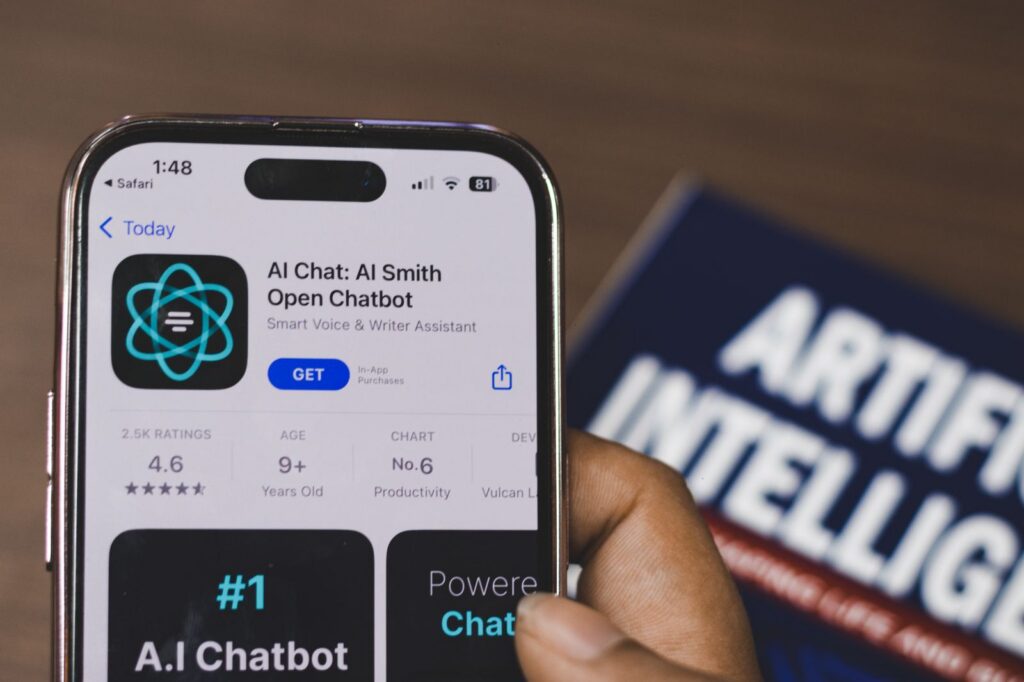
AI is increasingly integral to software development processes.
Developers with AI coding skills are in high demand for their ability to automate and enhance software creation using AI tools like TensorFlow and PyTorch.
4. Freelance Platforms as Talent Sources

Freelance platforms like Fiverr Pro are becoming key hiring resources.
These platforms allow companies to quickly access verified specialists who can meet specific project requirements on demand.
3. AI’s Role in Enterprise Automation
AI is transforming enterprise automation beyond simple chatbots.
Specialists are needed to design and implement complex AI-driven automation systems that integrate seamlessly with existing workflows.

2. Niche Skills Drive Productivity

Productivity gains are closely tied to niche AI skills.
Developers who understand the intricacies of specific AI tools can optimize their use, which can lead to meaningful efficiency improvements.
1. Evolving AI Talent Ecosystem

The AI talent ecosystem is rapidly evolving.
As AI technology becomes more sophisticated, the need for specialized talent is likely to keep growing, reshaping how companies approach AI development and deployment.
Read More:
- 10 Ways AI Is Changing What Students Choose to Major In
- 10 Ways AI is Impacting Hollywood Right Now
- 9 Ways Your Data Creates Value in the AI Economy