
The ancient Greeks, known for their rich culture and contributions to philosophy, art, and science, also had a unique way of life that was reflected in the items they used daily. Despite the centuries that separate us, examining these household essentials offers a glimpse into their world, revealing a blend of practicality and spirituality.
From large storage jars to spiritual statuettes, each item played a crucial role in the daily routines and rituals of ancient Greek families. Here are 10 items that every ancient Greek household would have owned:
10. Pithoi
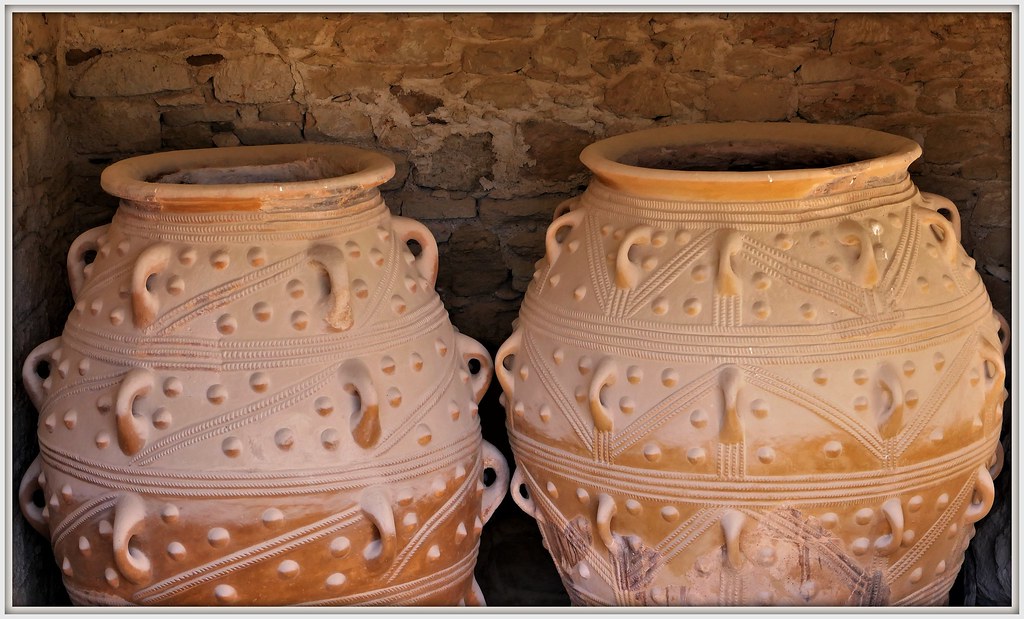
Pithoi were massive storage jars that dominated the storage spaces of ancient Greek homes.
These clay vessels were essential for preserving bulk quantities of grains and wine, ensuring families had enough provisions throughout the year. Their size and the presence of multiple handles made them practical for communal use.
9. Mortar and Pestle
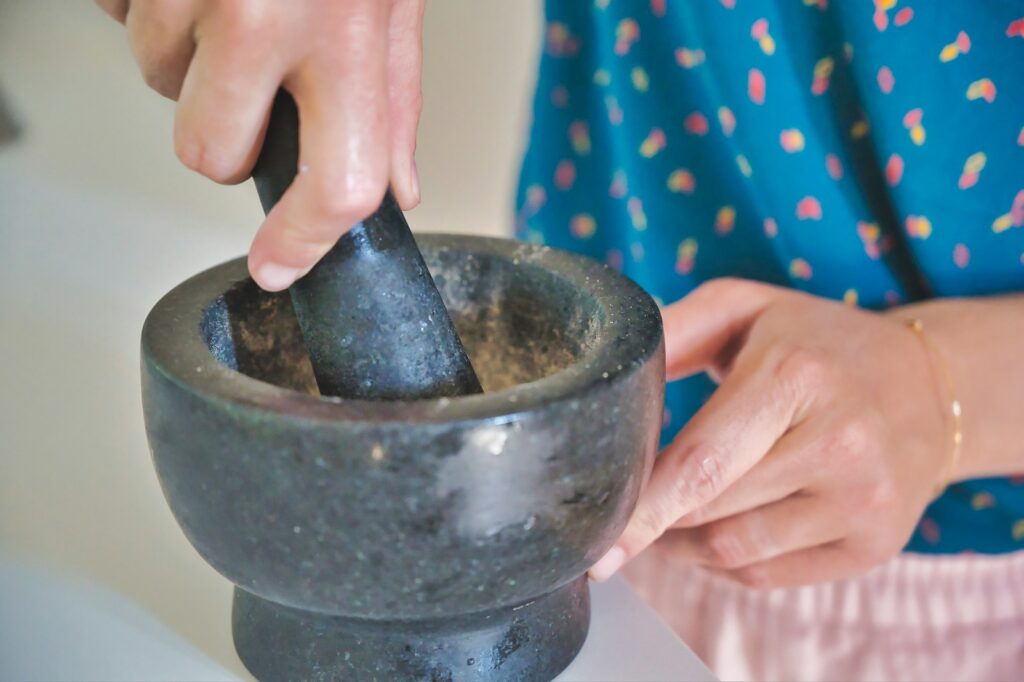
Every kitchen in ancient Greece had a large mortar and pestle set, crucial for food preparation.
This tool was not just for herbs but was vital for grinding grains into flour, a staple in Greek diets. The size of these tools reflected the importance of communal meals and the need to prepare large quantities of food.
8. Chytra and Lebes
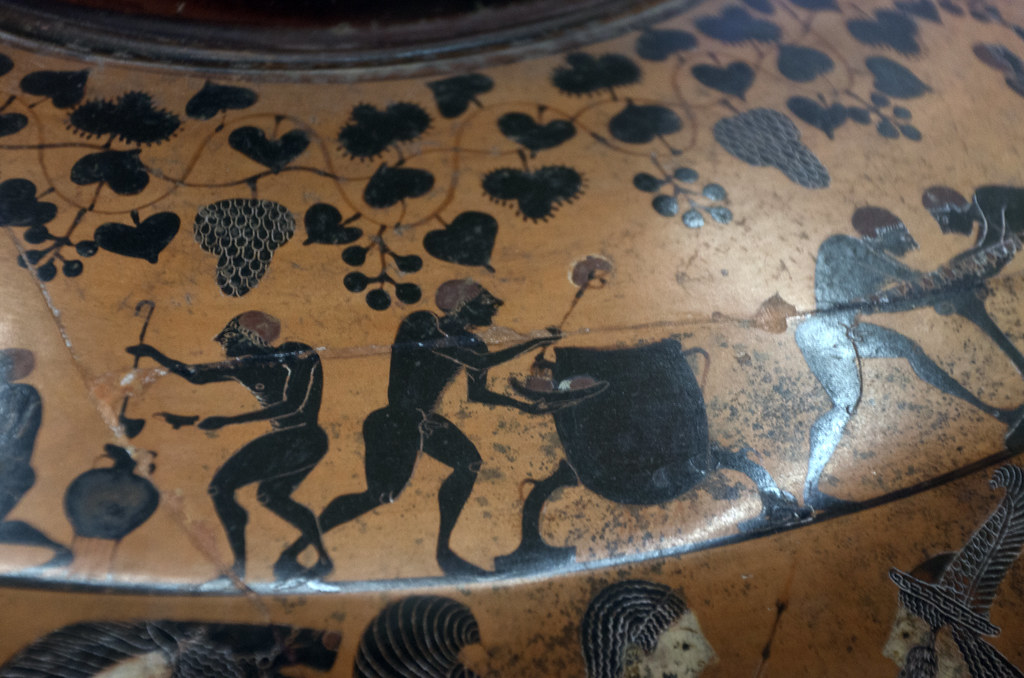
The chytra and lebes were essential cooking vessels in every Greek household.
These pots, made of clay and bronze, were used for cooking stews and heating water, integral to daily life and special ceremonies like weddings. Their durability and design were a testament to Greek ingenuity.
7. Loom and Loom Weights
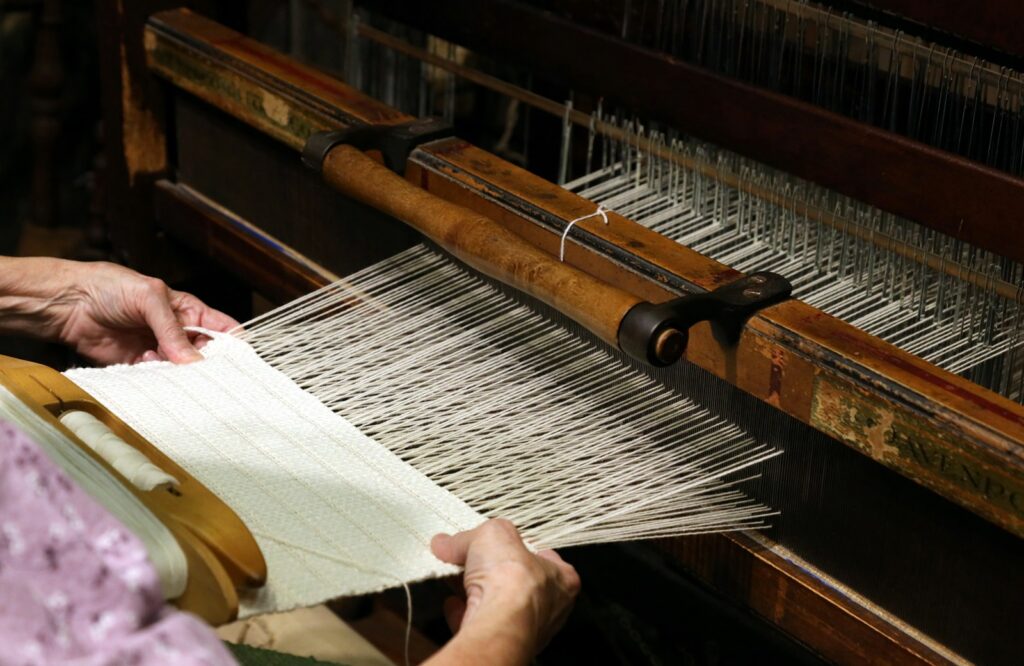
Clothing production was a home-based activity, with looms being central to this process.
Women in ancient Greece were skilled in using warp-weighted looms to create textiles, a vital skill passed down through generations. The loom weights, often decorated, added a personal touch to this essential household tool.
6. Terracotta Oil Lamps
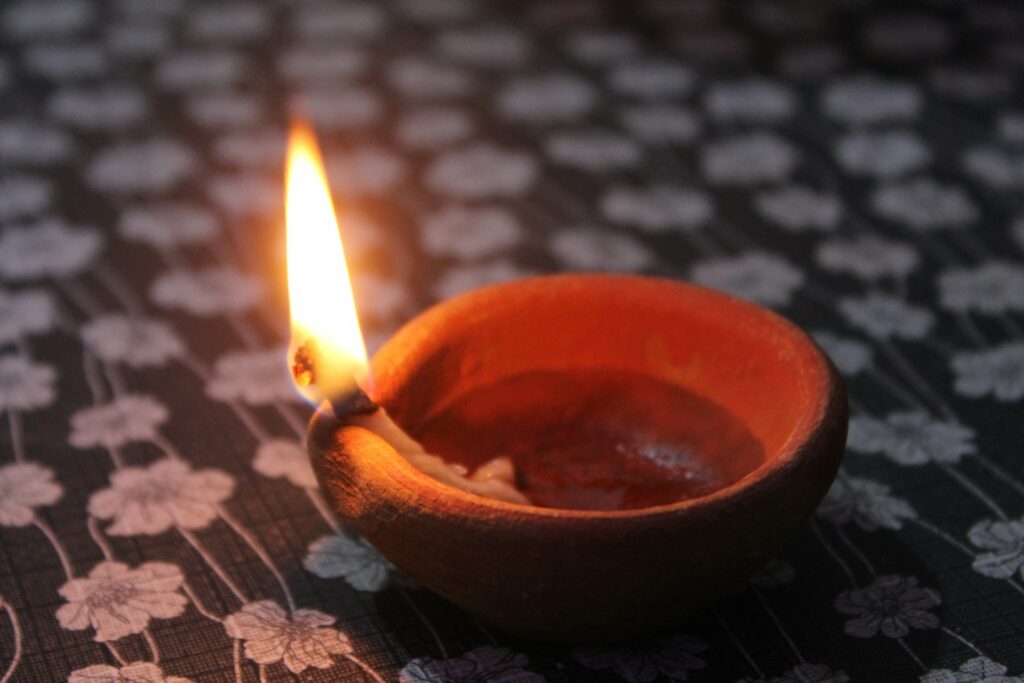
Lighting was essential, and terracotta oil lamps served this purpose in ancient Greek homes.
These lamps used olive oil as fuel, providing a warm glow to illuminate homes after dark. Over time, they evolved from simple designs to intricate art pieces, reflecting the artistic flair of the Greeks.
5. Altar

Religion played a central role in Greek life, with altars found in every home.
These altars, dedicated to the goddess Hestia, were often placed near the hearth, symbolizing the heart of the home. They were used for daily rituals and offerings, reinforcing the spiritual connection within the household.
4. Hekate Statuette
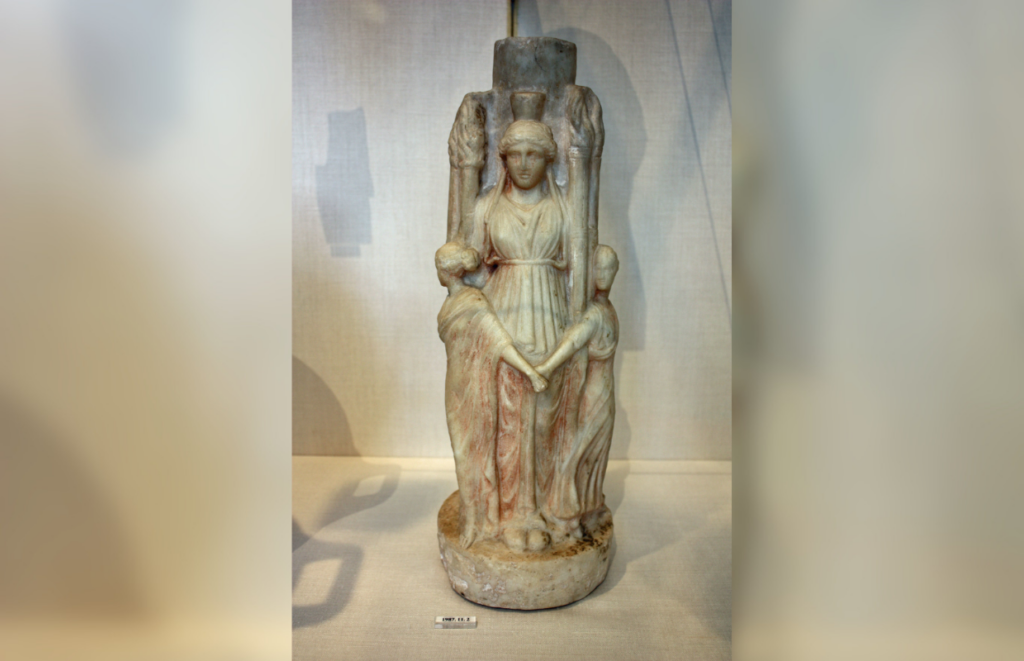
For protection against evil, many Greek homes featured a statuette of Hekate.
This goddess of magic and witchcraft was believed to ward off negative energies. Her presence in doorways was a common sight, serving as a guardian for the family and the household.
3. Amphorae

Amphorae were versatile containers used extensively in Greek households.
These two-handled clay vessels were primarily used for storing and transporting liquids like oil and wine. Their durability and efficiency made them a staple in both domestic and trade settings.
2. Kylix
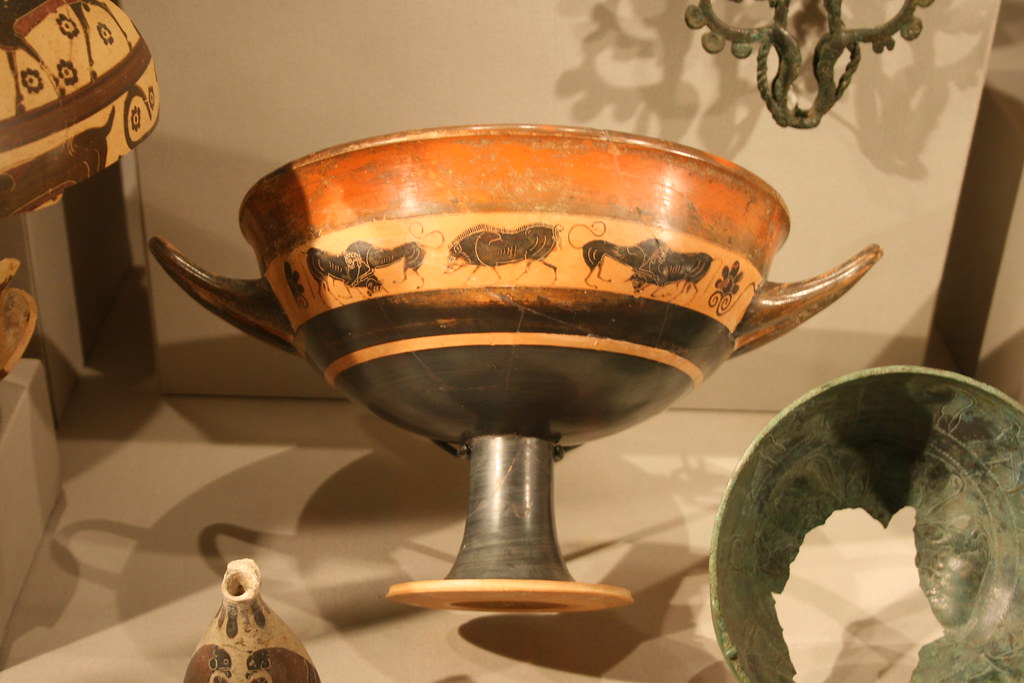
The kylix was a popular drinking cup used during social gatherings and banquets.
With its wide bowl and stemmed base, it was ideal for sipping wine while reclining, a common practice in Greek symposiums. The kylix often featured intricate designs, showcasing the artistry of its creators.
1. Krater
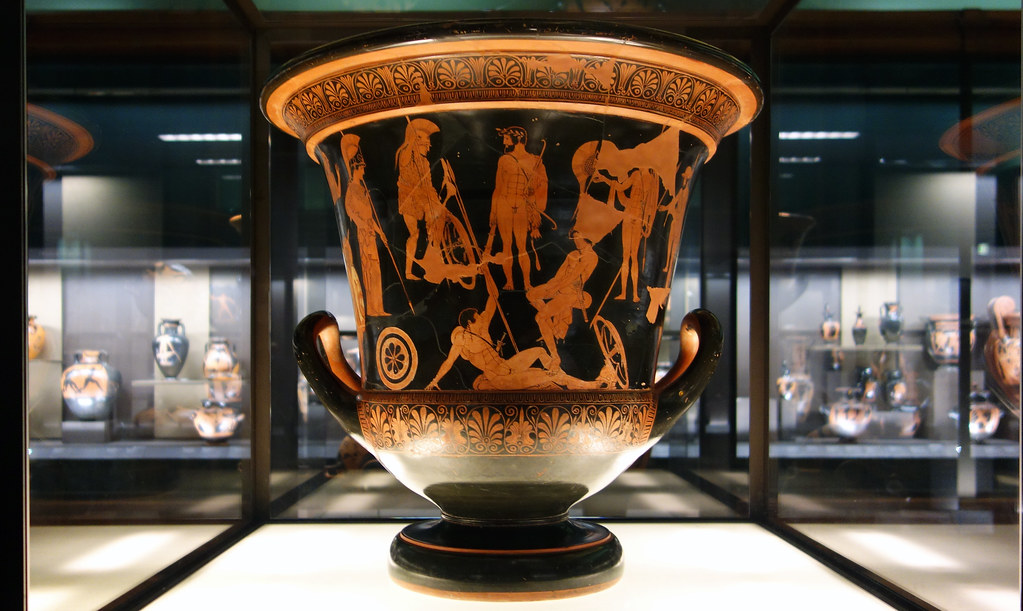
The krater was an essential vessel for mixing wine with water, a staple of Greek dining.
These large, open-mouthed bowls were central to social and ceremonial events, where diluted wine was prepared for communal consumption. The krater’s size and decorative elements reflected its importance in Greek hospitality and culture.
Read More:
- 10 Greek Mythology Words You Use Every Day
- 10 Foods People in the ‘Odyssey’ Might Have Actually Eaten
- 10 Misrepresentations of Ancient Greece in Movies