Buying organic isn’t always necessary—but for certain produce, it may reduce your exposure to pesticide residues.
Each year, the Environmental Working Group releases its “Dirty Dozen,” a list of fruits and vegetables that tend to have higher pesticide residues even after washing.
It’s important to note: conventionally grown produce is still considered safe by regulators. But if you’re looking to minimize exposure, these are the top items to prioritize organic when possible.
12. Strawberries
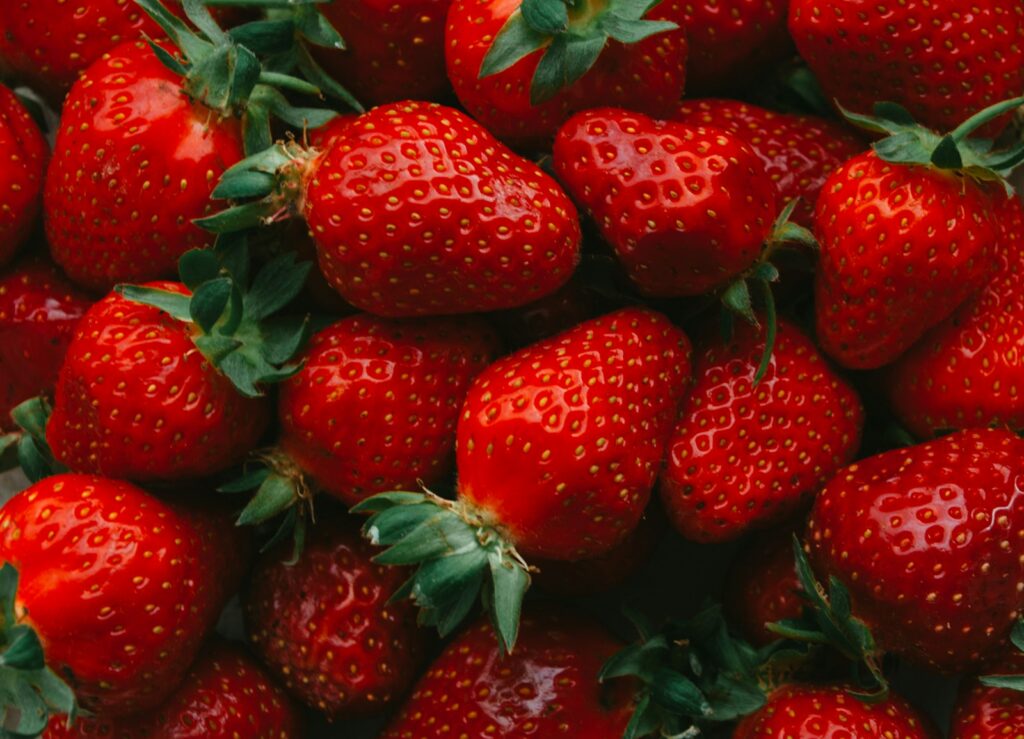
Strawberries consistently rank at the top of the Dirty Dozen.
They often show residues from multiple pesticides due to their delicate skin and growing conditions.
11. Spinach
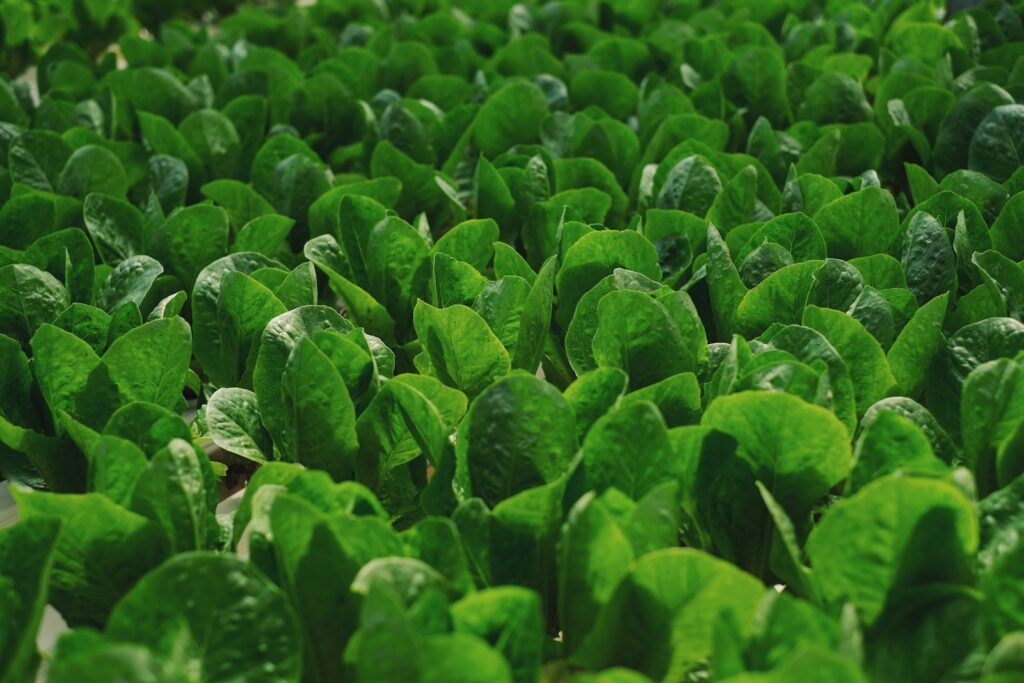
Spinach frequently contains pesticide residues, including permethrin, which is restricted or banned in some uses.
Leafy greens can be harder to fully clean due to their surface area.
10. Kale, Collard & Mustard Greens
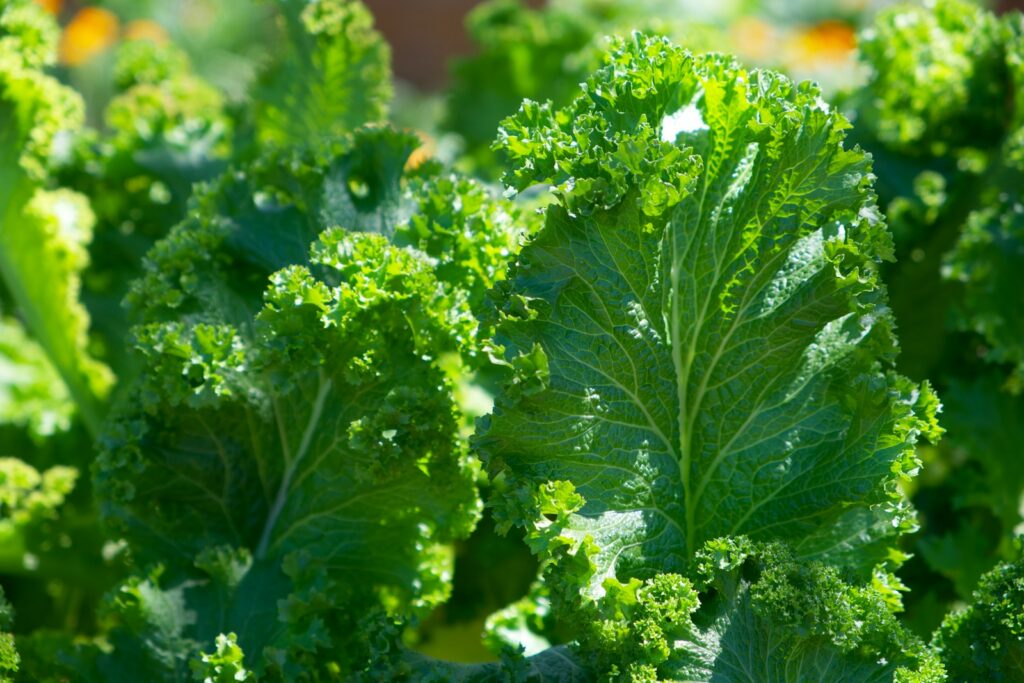
These greens often test positive for multiple pesticide residues.
Some samples have included traces of DCPA (a herbicide banned in the EU), though levels are regulated in the U.S.
9. Grapes
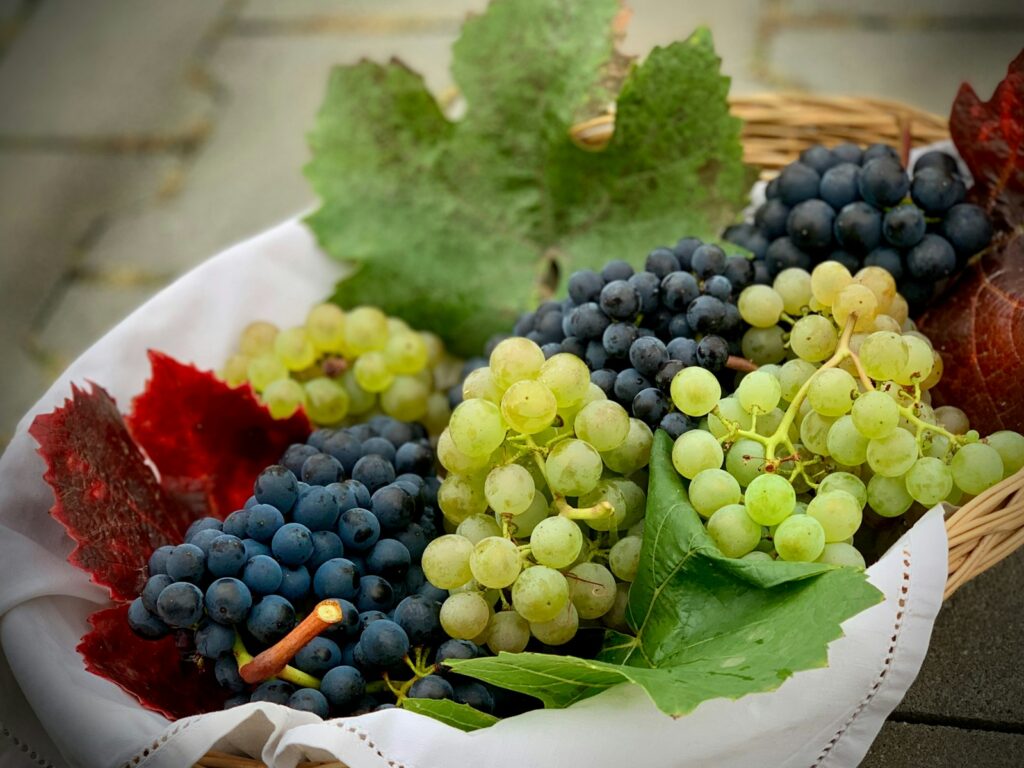
Grapes tend to carry residues from several pesticides.
Because they’re eaten whole (skin included), washing doesn’t remove everything.
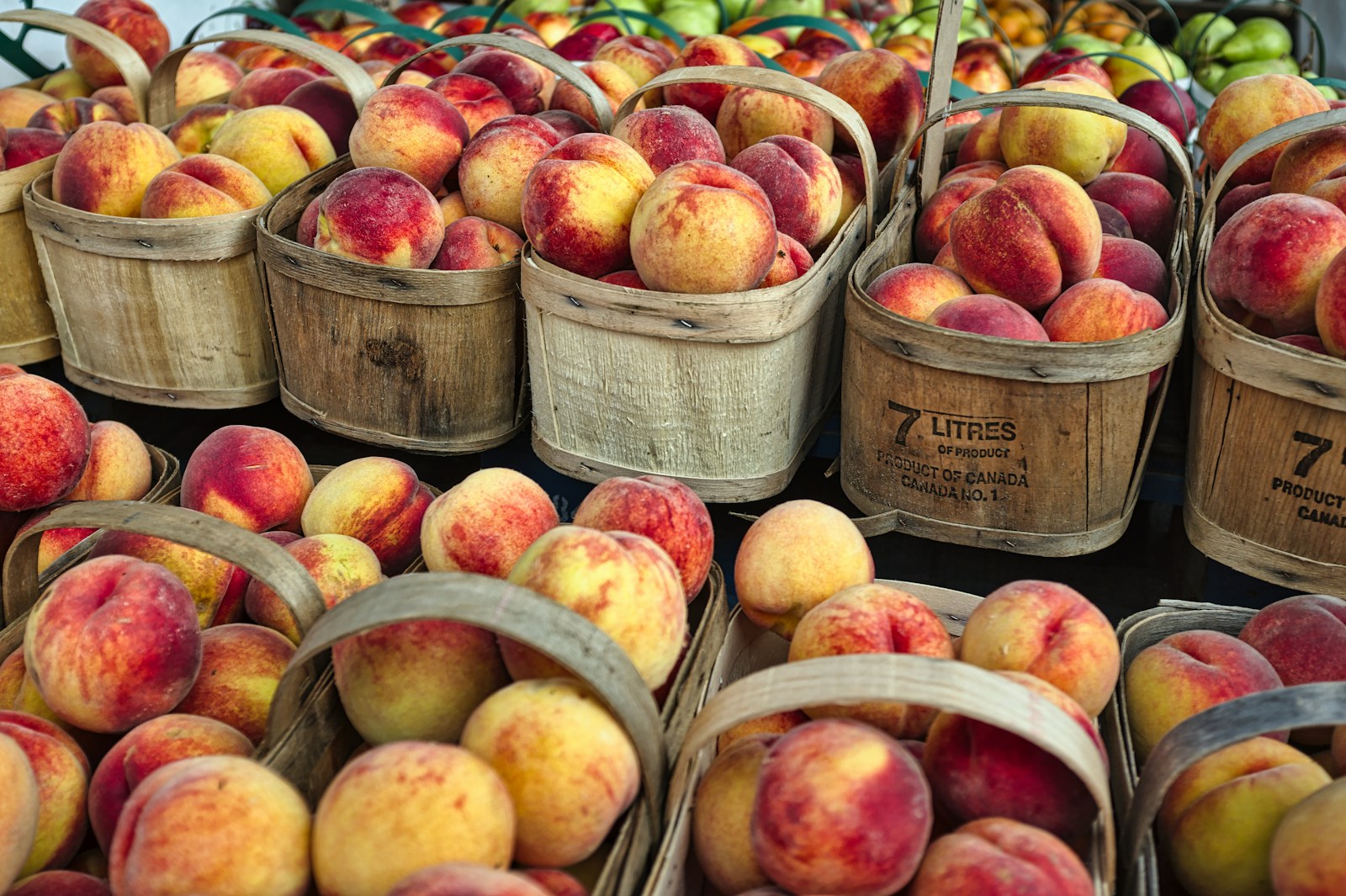
8. Peaches
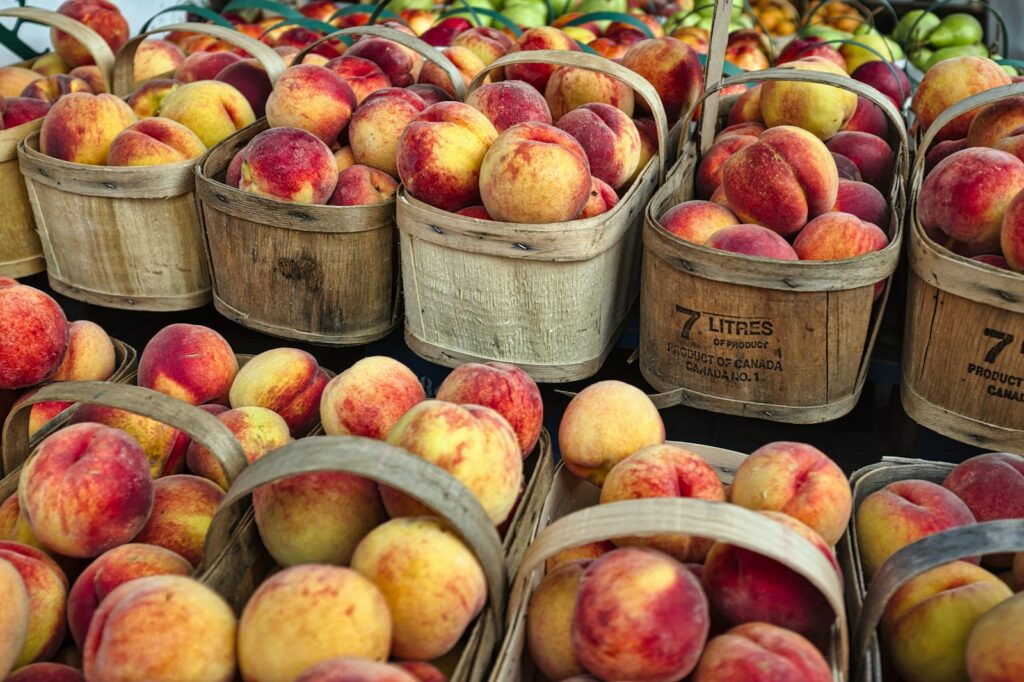
Peaches have thin, porous skin that can retain pesticide residues.
They’re another fruit that frequently appears on the Dirty Dozen.
7. Pears
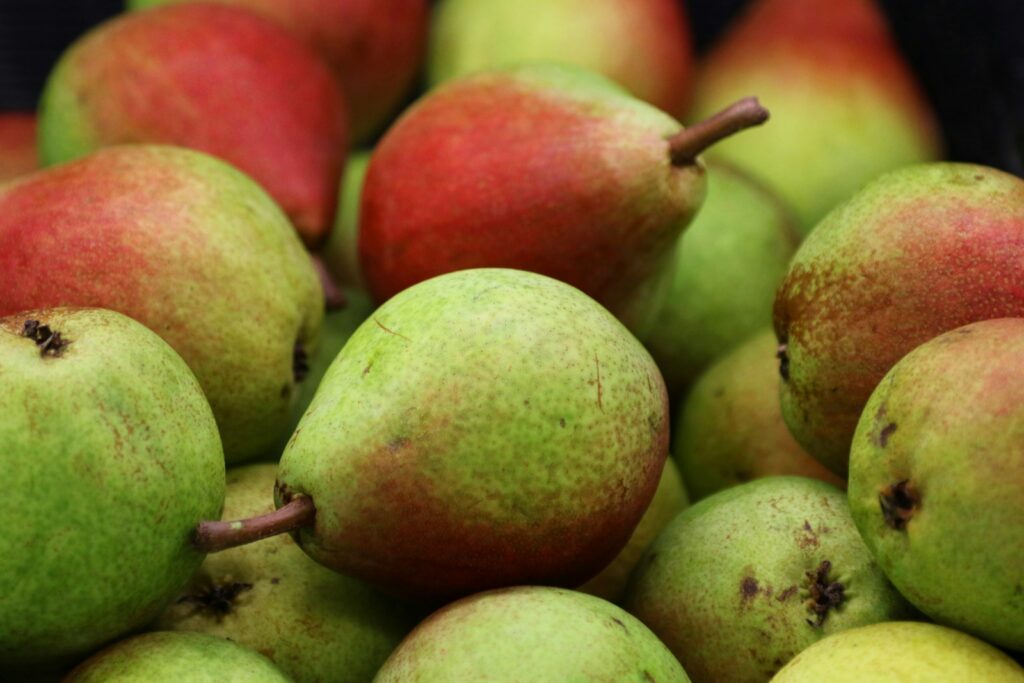
Pears often test positive for multiple pesticide residues, especially on their skin.
Peeling can reduce exposure, but it also removes fiber and nutrients.
6. Nectarines
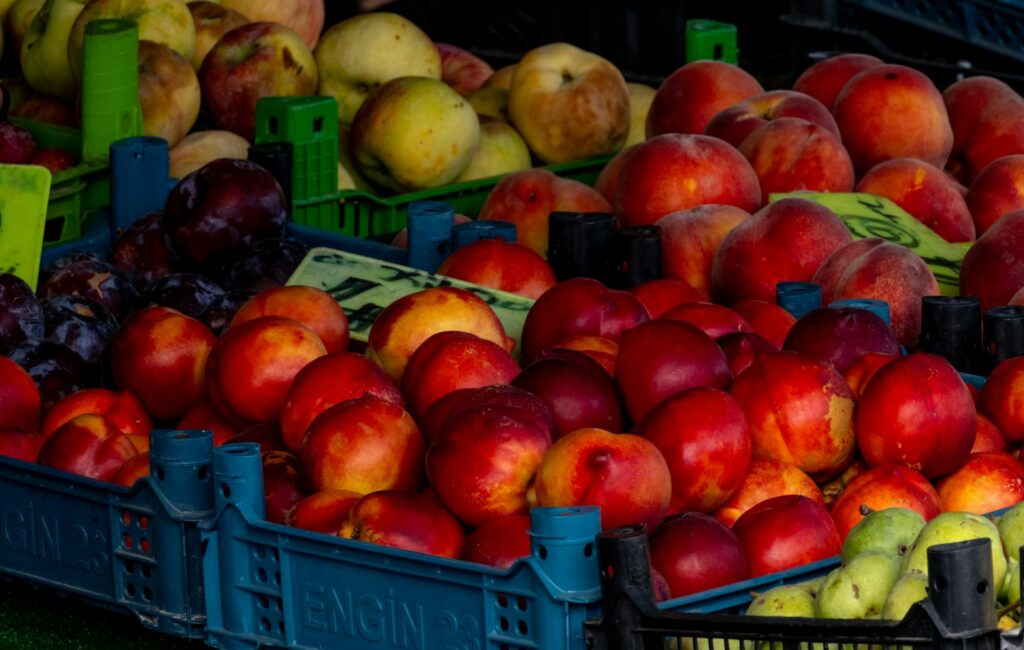
Like peaches, nectarines have smooth, thin skin that doesn’t provide much protection against pesticide residues.
5. Apples
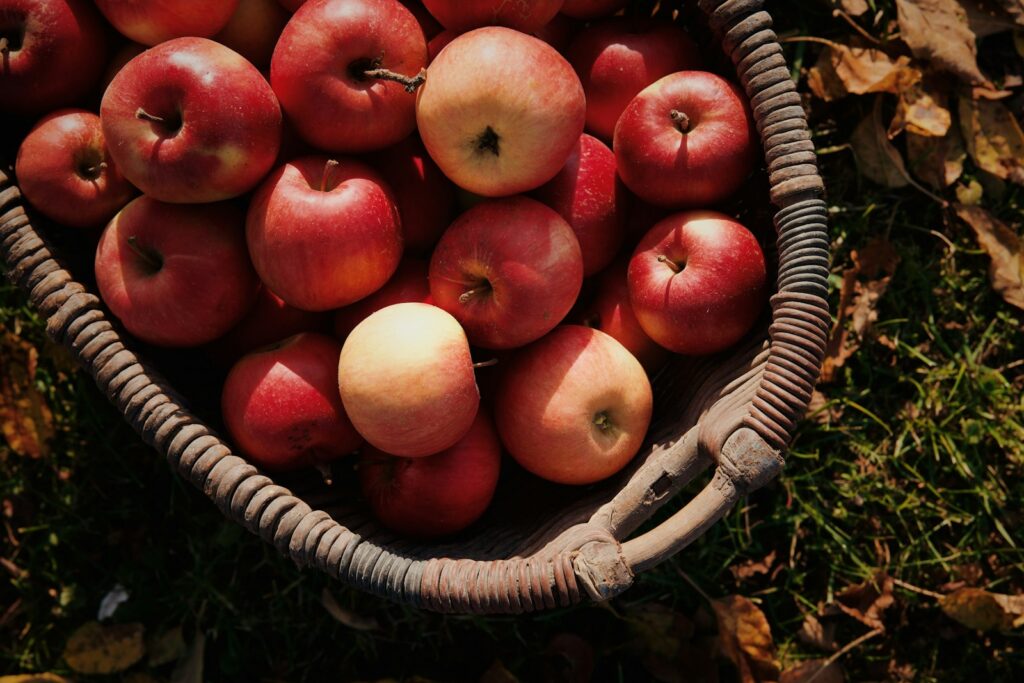
Apples commonly show traces of multiple pesticide residues, particularly on the skin.
Washing helps, but doesn’t eliminate all residues.
4. Bell & Hot Peppers
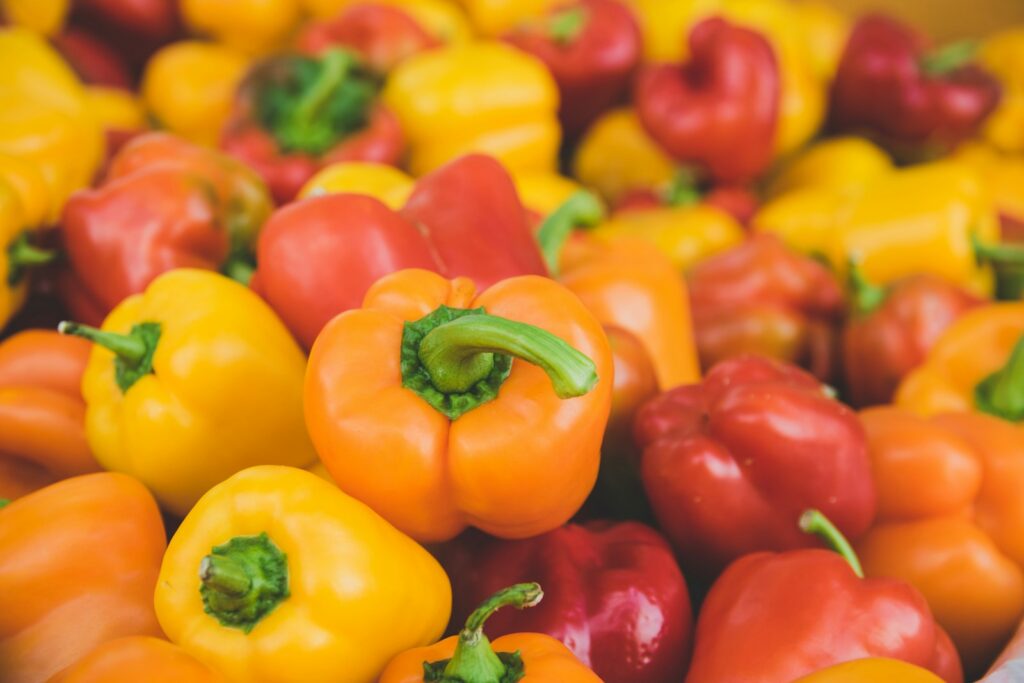
Peppers—both sweet and hot varieties—have been found to carry multiple pesticide residues.
Their thin skin offers little barrier.
3. Cherries
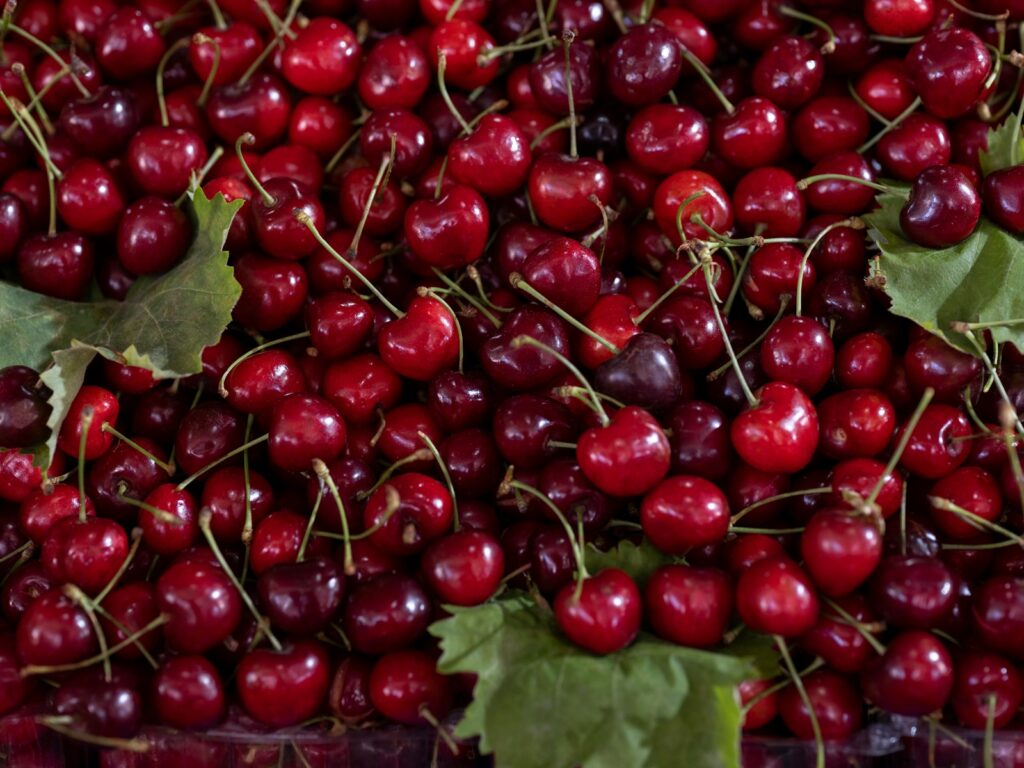
Cherries often test positive for several pesticide residues.
Like grapes, they’re typically eaten whole, increasing exposure potential.
2. Blueberries
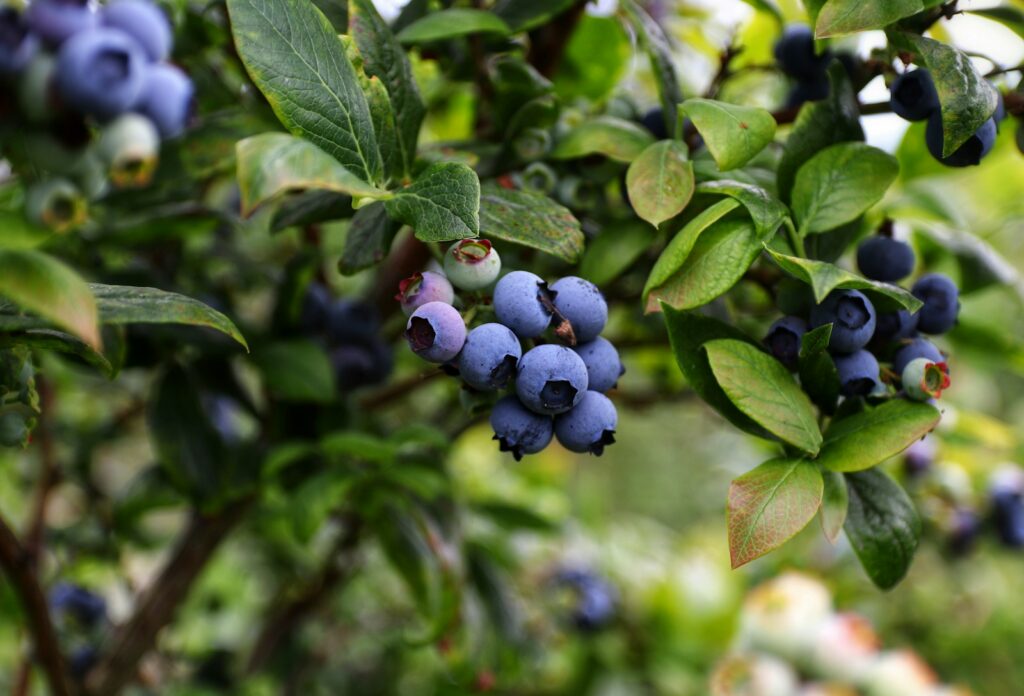
Blueberries have recently been added to the Dirty Dozen due to higher-than-expected pesticide residues in testing.
Their thin skin and large surface area contribute to this.
1. Green Beans
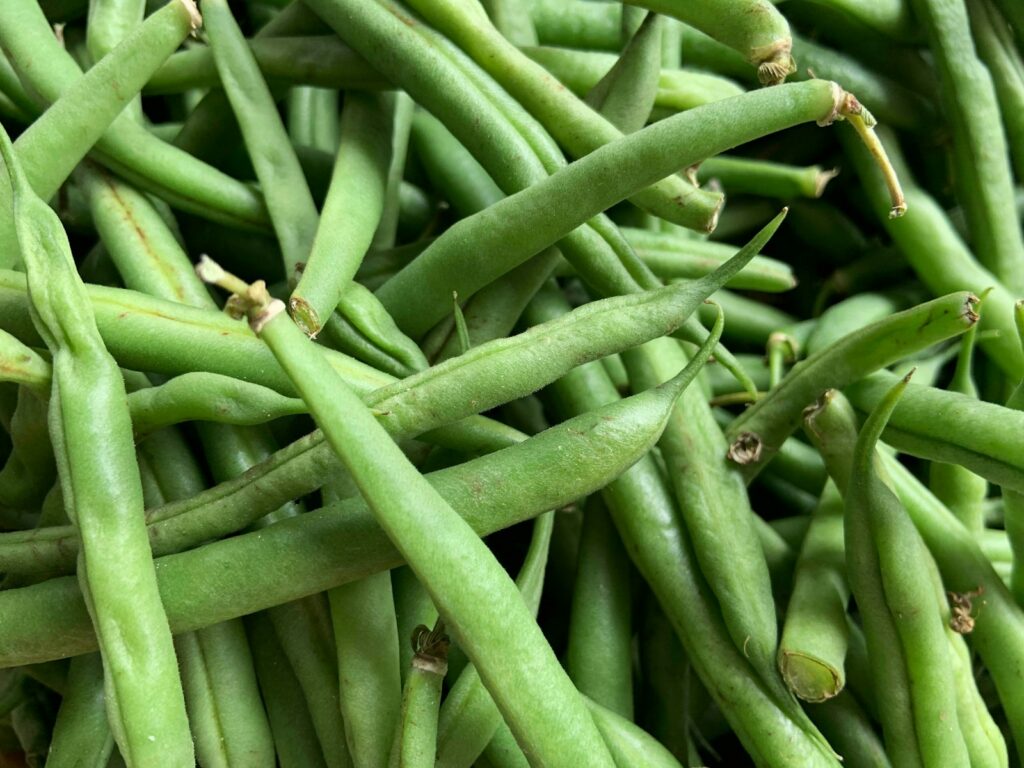
Green beans are a newer addition to the list.
Some samples have shown residues of pesticides that are restricted in certain regions, which has raised concern among researchers.
The Bottom Line
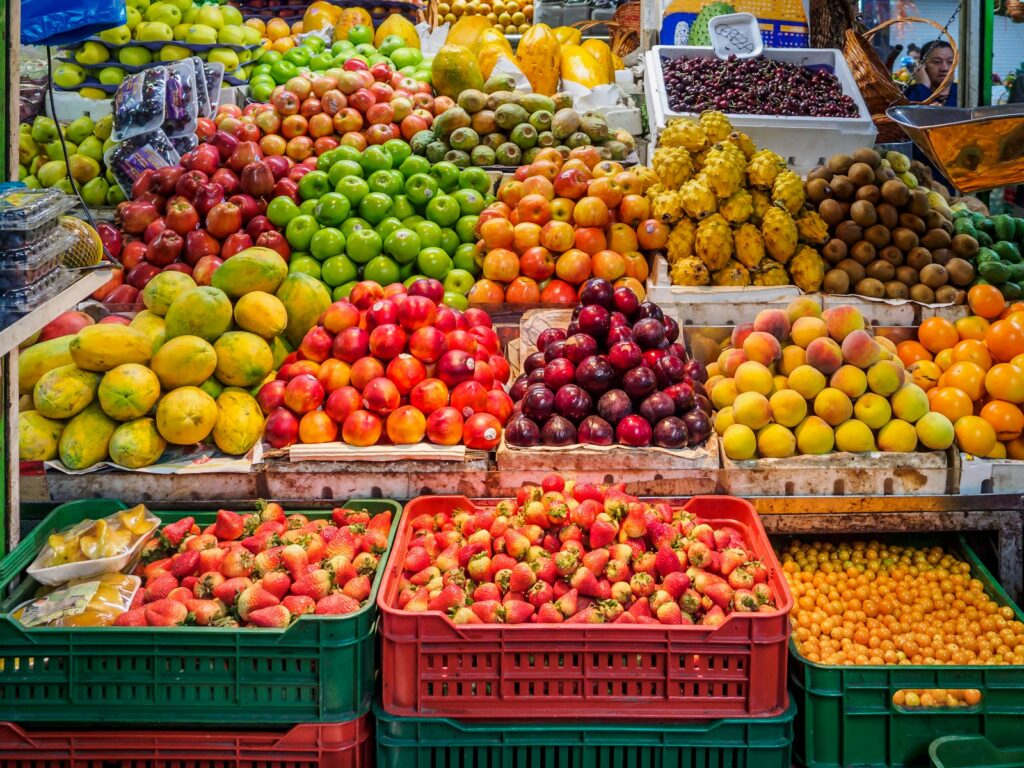
You don’t need to buy everything organic.
If you’re on a budget, focusing on the Dirty Dozen is a practical way to reduce pesticide exposure—while still enjoying plenty of fruits and vegetables overall. Washing produce thoroughly is always recommended, whether organic or conventional.