

Genetically modified crops are widely used in U.S. agriculture, but not always as people assume. In most cases, GMOs appear in ingredients (such as oils or sweeteners) rather than in whole foods. And some items on lists like this get mislabeled or misunderstood.
Here’s a clearer, more accurate look at foods that are commonly associated with GMOs, and what that actually means.
Honey (Indirect Exposure)

Honey itself isn’t genetically modified. However, bees may collect nectar from GMO crops like corn or canola. This means trace exposure is possible, but it doesn’t make honey a GMO product. Most labeling focuses on whether nearby crops are genetically engineered.
Soy

Soy is one of the most widely genetically modified crops in the U.S., with typically over 90% of production. It’s commonly used in processed foods, oils, and animal feed. If you’re consuming soy in packaged foods, it’s likely derived from GMO crops unless labeled otherwise.
Sugar (From Sugar Beets)

In the U.S., a large portion of sugar comes from sugar beets, which are mostly genetically modified. That said, the final sugar product is chemically identical regardless of source. It’s nearly impossible to distinguish GMO vs. non-GMO sugar once refined.
Cottonseed Oil

Cotton is primarily grown for fiber, but cottonseed oil is widely used in processed foods. Most U.S. cotton crops are genetically modified, so foods containing cottonseed oil are often linked to GMOs.
Canola Oil

Canola (rapeseed) is another crop where the majority of U.S. production is genetically modified. The oil is commonly used in packaged foods and restaurant cooking due to its neutral flavor and high smoke point.
Potatoes (Some Varieties Only)
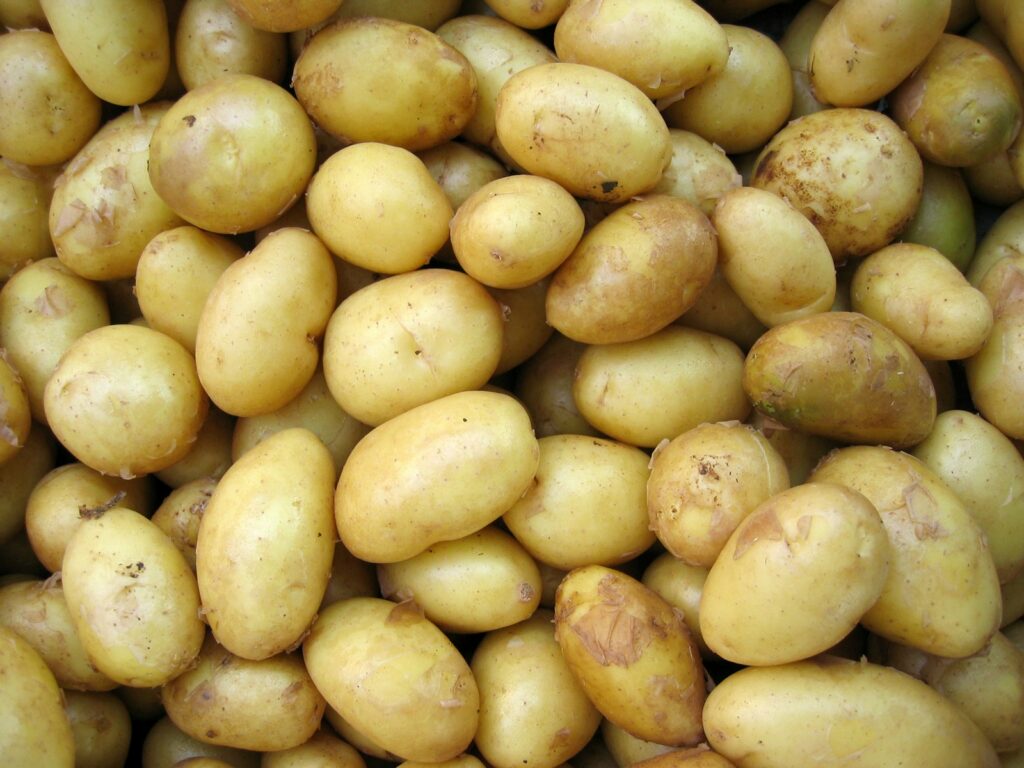
Certain genetically modified potato varieties (like the “Innate” potato) have been developed to reduce bruising and lower acrylamide formation during frying. However, GMO potatoes are not as widespread as other GMO crops, and many potatoes on the market are still non-GMO.
Papaya (Especially Hawaiian)
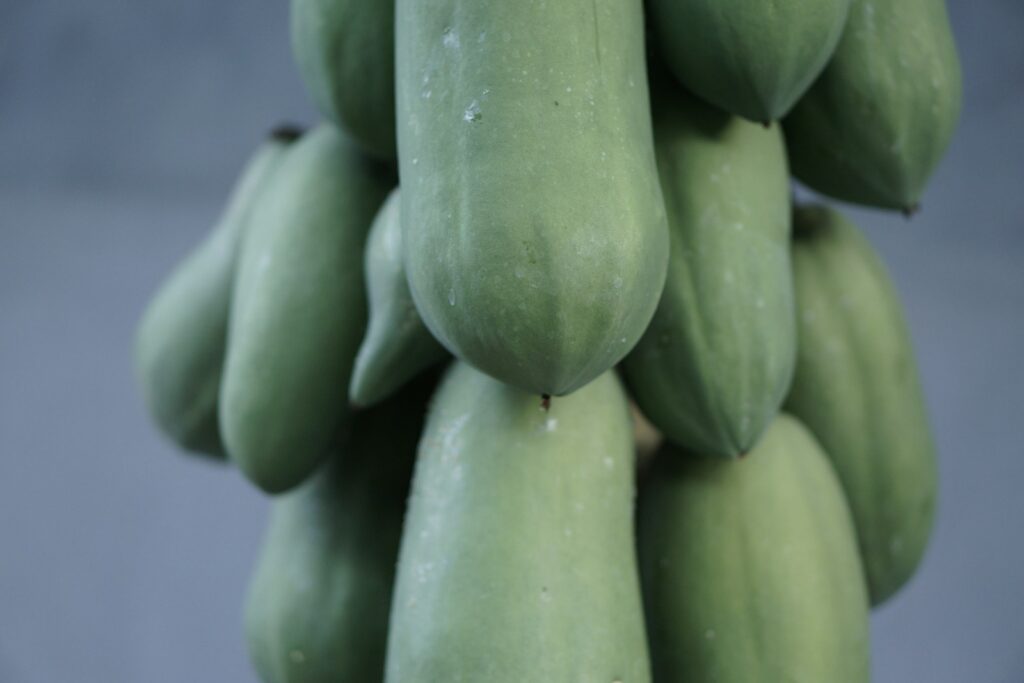
Papayas are one of the clearest examples of a GMO crop with a specific purpose. Genetically modified varieties were developed to resist the papaya ringspot virus, which had devastated crops in Hawaii. Today, most Hawaiian papayas are genetically engineered.
Yeast (In Some Applications)

Most yeast used in baking and brewing is not genetically modified. However, certain specialized strains—particularly in winemaking or research—have been engineered for specific traits. These are not widely used in everyday bread products.
Tobacco

Tobacco is a genetically modified crop in some cases, often engineered for pest resistance. While it’s not a food, it’s sometimes included in GMO discussions due to its agricultural significance.
Dairy Products (Indirectly Linked)

Milk itself is not genetically modified. However, some dairy cows may be fed GMO crops like corn or soy. Additionally, a synthetic hormone (rBST/rBGH) was used in the past to increase milk production, though its use has declined significantly and is banned in some countries. Many U.S. dairy products are now labeled “rBST-free.”
Understanding GMOs can get confusing quickly. The key distinction: most GMO exposure comes from ingredients derived from crops like soy, corn, and canola—not from whole foods themselves. And while GMOs are widespread, major health organizations generally consider approved GMO foods safe to eat.
Read More:
- 10 Foods That Can Help Speed Up Your Metabolism
- 30 Surprising Foods That Have More Protein Than an Egg
- 12 Foods You Should Always Buy Organic (Based on the Dirty Dozen)