

Most people don’t set out to make bad health decisions. In fact, many common health mistakes come from trying to save time, avoid inconvenience, or solve problems on your own. Unfortunately, some seemingly harmless habits can have serious consequences over time.
Doctors spend a lot of time helping patients correct preventable mistakes that can interfere with treatment, delay diagnoses, or increase health risks. If you want to improve your long-term health, these are 15 habits medical professionals wish more people would leave behind.
15. Expecting Quick Fixes for Chronic Health Problems
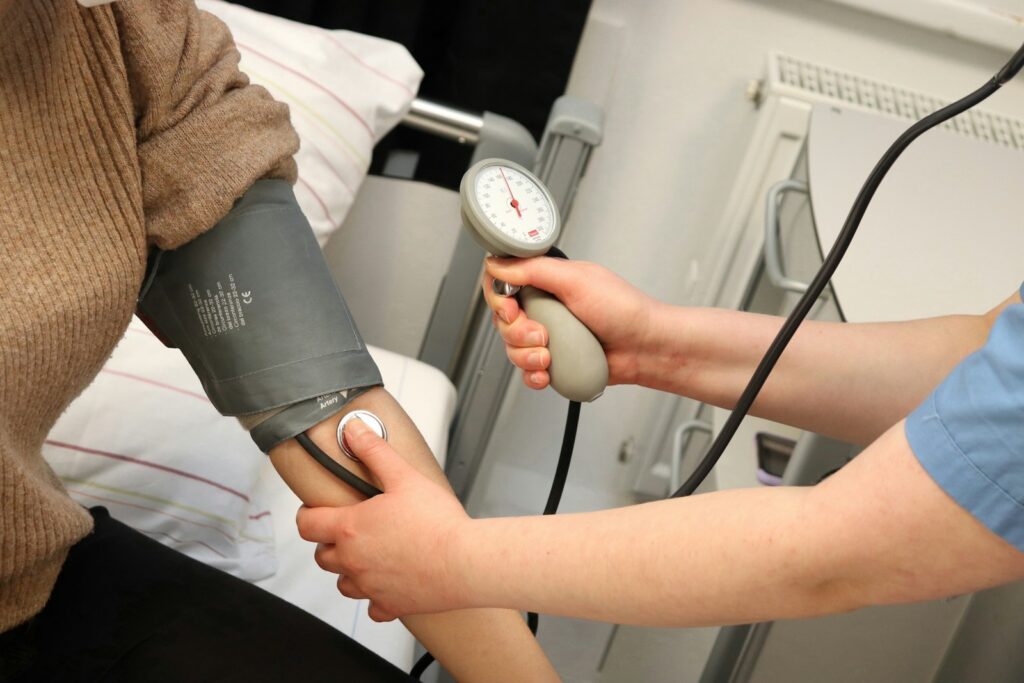
Chronic conditions like high blood pressure, diabetes, arthritis, and obesity rarely improve overnight. Doctors often see patients become discouraged when lasting results take time.
Successful treatment usually requires consistency, patience, and long-term lifestyle changes rather than miracle cures or overnight transformations.
14. Skipping Recommended Health Screenings

Preventive screenings can catch serious conditions before symptoms appear. Yet many people delay or avoid tests such as mammograms, colon cancer screenings, cholesterol checks, and skin exams.
Early detection often leads to simpler treatments and better outcomes.
13. Keeping Supplements a Secret

Many patients tell their doctors about prescription medications but forget to mention vitamins, herbal remedies, or alternative treatments.
Some supplements can interfere with medications or create unexpected side effects. Your healthcare provider should know everything you’re taking.
12. Ignoring Mental Health Symptoms

Mental health is just as important as physical health. Persistent anxiety, depression, chronic stress, and burnout can affect sleep, relationships, work performance, and even physical wellness.
Doctors encourage patients to seek help early rather than waiting for symptoms to become overwhelming.
11. Sharing Prescription Medications

A medication that works safely for one person may be dangerous for another.
Prescription drugs are prescribed based on an individual’s health history, medical conditions, and other medications. Sharing prescriptions can create serious health risks and delay proper treatment.
10. Leaving Appointments With Unanswered Questions

Many patients leave medical appointments confused but hesitate to ask follow-up questions.
Doctors generally prefer patients to ask for clarification rather than misunderstand diagnoses, treatment plans, or medication instructions. Being an active participant in your care leads to better outcomes.
9. Waiting Too Long to Address Concerning Symptoms

Many serious illnesses are easier to treat when caught early.
Persistent pain, unexplained weight loss, unusual bleeding, severe fatigue, or sudden changes in health shouldn’t be ignored in hopes they’ll simply disappear on their own.
8. Skipping Recommended Vaccinations

Vaccines remain one of the most effective tools for preventing serious illness.
While certain medical conditions may affect vaccine recommendations, most adults benefit from staying current on recommended immunizations, including annual flu shots and other age-appropriate vaccines.
7. Forgetting to Update Medical Information

Health histories change over time. New medications, diagnoses, allergies, surgeries, and family health developments all matter.
Keeping your healthcare providers informed helps ensure safer and more effective treatment decisions.
6. Ignoring Post-Treatment Instructions

Whether it’s recovering from surgery, finishing a course of medication, or following rehabilitation guidelines, aftercare instructions exist for a reason.
Ignoring them can slow recovery, increase complications, and sometimes undo the benefits of treatment.
5. Stopping Medications Without Medical Guidance

Feeling better doesn’t necessarily mean it’s safe to stop treatment.
Some medications require gradual tapering, while others help manage conditions that remain present even when symptoms improve. Always consult your doctor before making changes.
4. Demanding Antibiotics for Every Illness

Antibiotics treat bacterial infections, not viruses.
Colds, most sore throats, and the flu won’t improve with antibiotics. Unnecessary antibiotic use contributes to antibiotic resistance, making infections harder to treat in the future.
3. Being Less Than Honest About Lifestyle Habits

Doctors aren’t there to judge you.
Whether it’s smoking, alcohol consumption, diet, exercise habits, or medication compliance, honest information helps healthcare providers make accurate diagnoses and recommendations.
2. Self-Diagnosing Through Internet Searches

The internet can be a useful educational tool, but it’s not a substitute for medical expertise.
Online symptom searches often lead people to worst-case scenarios or incorrect conclusions. Professional evaluation remains the most reliable way to understand what’s actually happening.
1. Treating Preventive Care as Optional

One of the biggest mistakes doctors see is waiting until something feels wrong before seeking care.
Regular checkups, screenings, vaccinations, and preventive health measures help identify potential problems before they become serious. Preventive care isn’t just about avoiding illness—it’s about maintaining long-term health.
Read More:
- 15 Clever Ways to Drink More Water Every Day (Without Trying Hard)
- 15 Easy Ways to Hit 10,000 Steps Without Going to the Gym
- 10 Common Foods That May Help Reduce Inflammation