
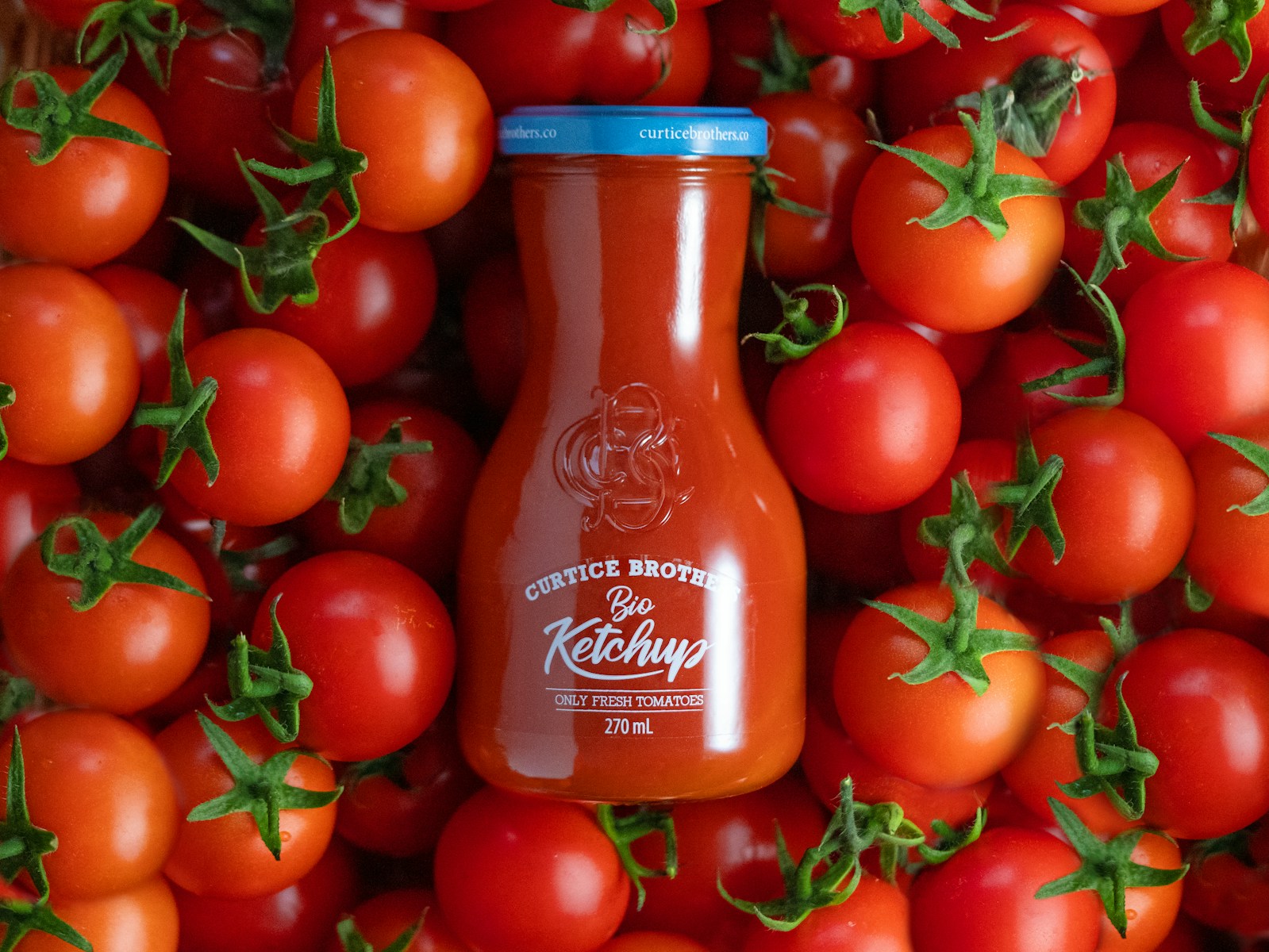
Today, ketchup is one of the most recognizable condiments in the world. It’s squeezed onto burgers, dunked with fries, and found in refrigerators across America. But the ketchup we know today bears little resemblance to its earliest ancestors.
In fact, ketchup started as a fermented fish sauce, spent centuries without a single tomato, and was once sold as medicine.
Here’s the surprisingly strange history behind one of the world’s favorite condiments.
10. Ketchup Didn’t Start With Tomatoes

The first versions of ketchup contained no tomatoes at all.
Most food historians trace ketchup’s origins to a fermented fish sauce used in Southeast Asia centuries ago. Known as “ke-tsiap” or similar variations depending on the region and language, the sauce was made from fermented fish, shellfish, and salt.
It was intensely savory and used much like soy sauce is today.
9. Sailors Brought It to Europe

European traders encountered these fermented sauces while traveling through Asia during the 17th century.
British sailors and merchants developed a taste for the condiment and brought the concept home. Unable to recreate the original ingredients exactly, they began experimenting with local substitutes.
The result was a growing collection of sauces that shared little beyond the name.
8. Early Ketchup Recipes Were Wildly Different

Before tomatoes entered the picture, ketchup recipes varied dramatically.
Historical cookbooks include versions made from:
- Mushrooms
- Walnuts
- Oysters
- Anchovies
- Mussels
- Peaches
- Grapes
Some recipes looked more like concentrated broths than modern condiments.
7. Mushroom Ketchup Was Once the Most Popular Version
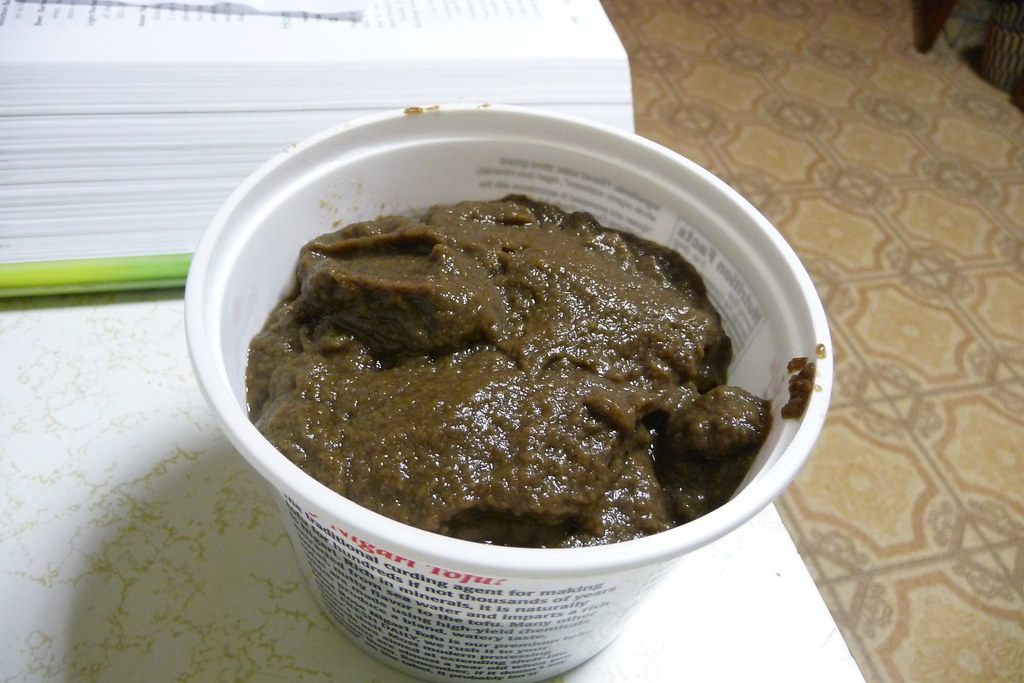
Long before tomato ketchup became dominant, mushroom ketchup was a staple in British kitchens.
Made by salting mushrooms and extracting their liquid, the sauce was rich in umami flavor and used to season meats, soups, and stews.
In some households, mushroom ketchup remained more common than tomato ketchup well into the 1800s.
6. Tomatoes Were Once Considered Dangerous
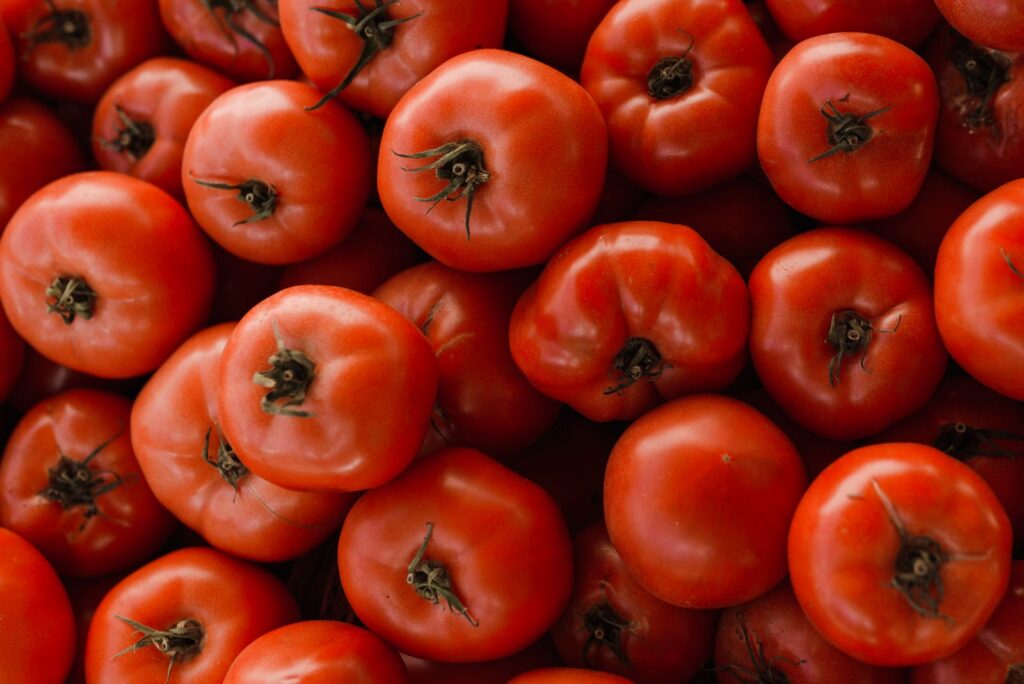
One reason tomato ketchup took so long to catch on is that many Europeans and Americans feared tomatoes.
Because tomatoes belong to the nightshade family, some people believed they were poisonous. Wealthy diners occasionally became ill after eating tomatoes, though the culprit was often acidic tomato juice reacting with pewter plates that contained lead.
The tomato’s reputation suffered for generations.
5. The First Tomato Ketchup Appeared in the Early 1800s
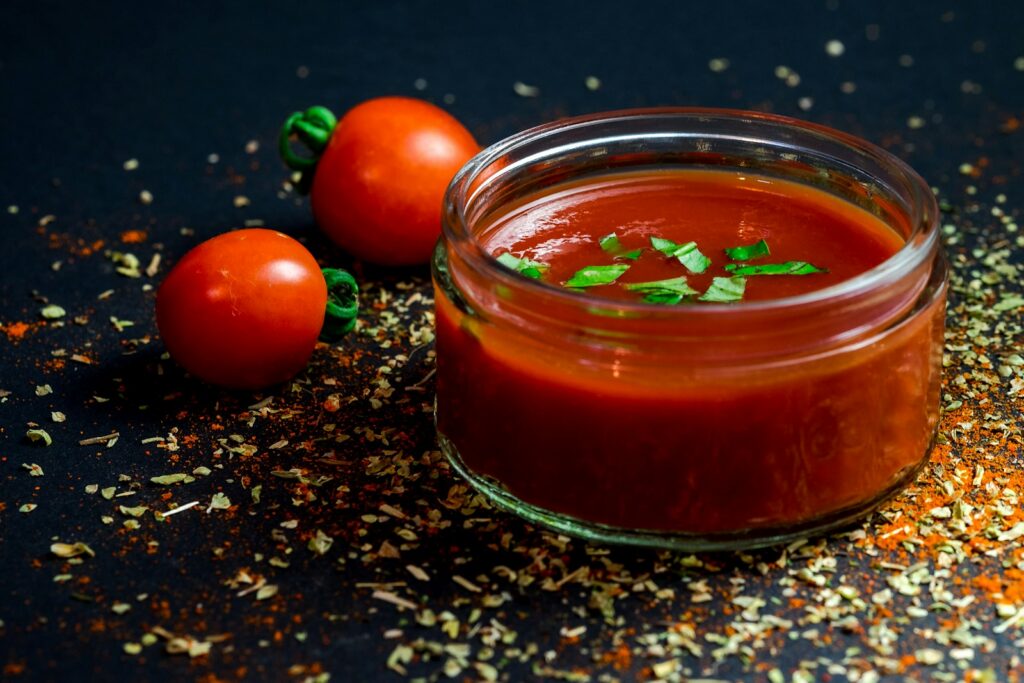
The earliest known tomato ketchup recipes emerged in the United States during the early 19th century.
These versions typically included:
- Tomatoes
- Vinegar
- Salt
- Spices
Unlike many earlier ketchups, they were sweeter and more acidic, creating a flavor profile closer to what we recognize today.
4. Ketchup Was Once Sold as Medicine
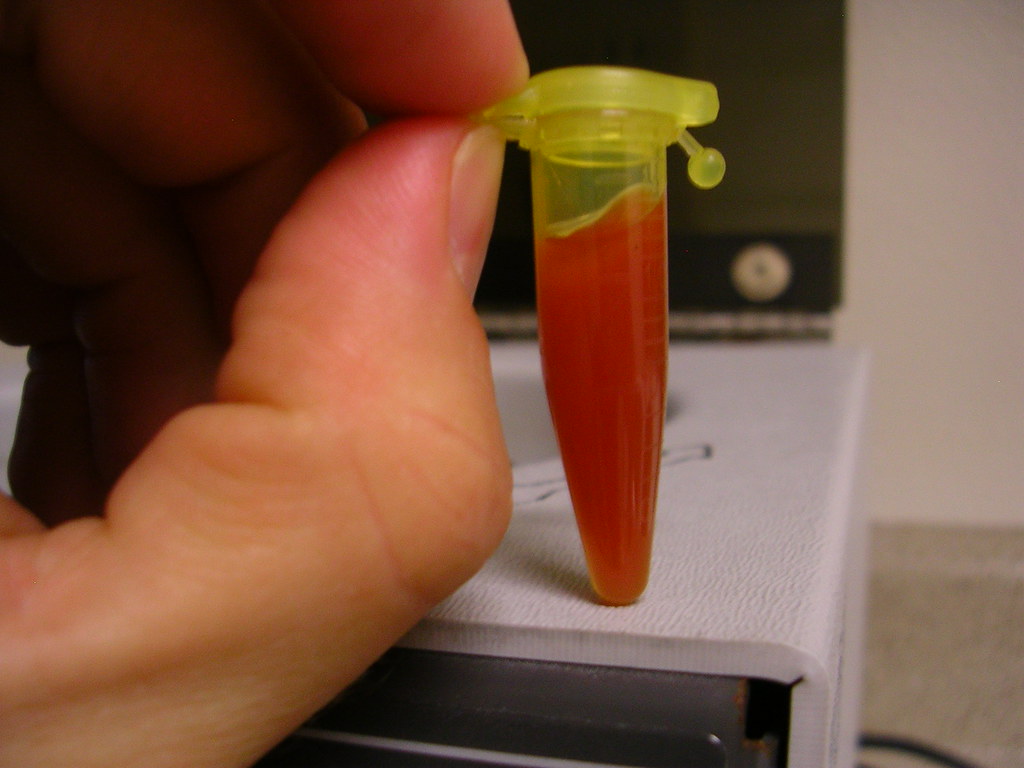
Perhaps the strangest chapter in ketchup history came in the 1830s.
An Ohio physician named John Cook Bennett promoted tomato-based products as cures for a variety of ailments, including indigestion and diarrhea.
Soon, tomato extracts were being marketed as pills and health tonics. Although the medical claims didn’t hold up to scientific scrutiny, they helped increase public acceptance of tomatoes.
3. Early Commercial Ketchup Had a Quality Problem

As ketchup grew more popular, manufacturers faced challenges keeping it fresh.
Some producers used unripe tomatoes, artificial coloring, or questionable preservatives. Consumers often had no way of knowing what was actually inside the bottle.
By the late 19th century, concerns about food quality were widespread.
2. Heinz Helped Standardize Modern Ketchup
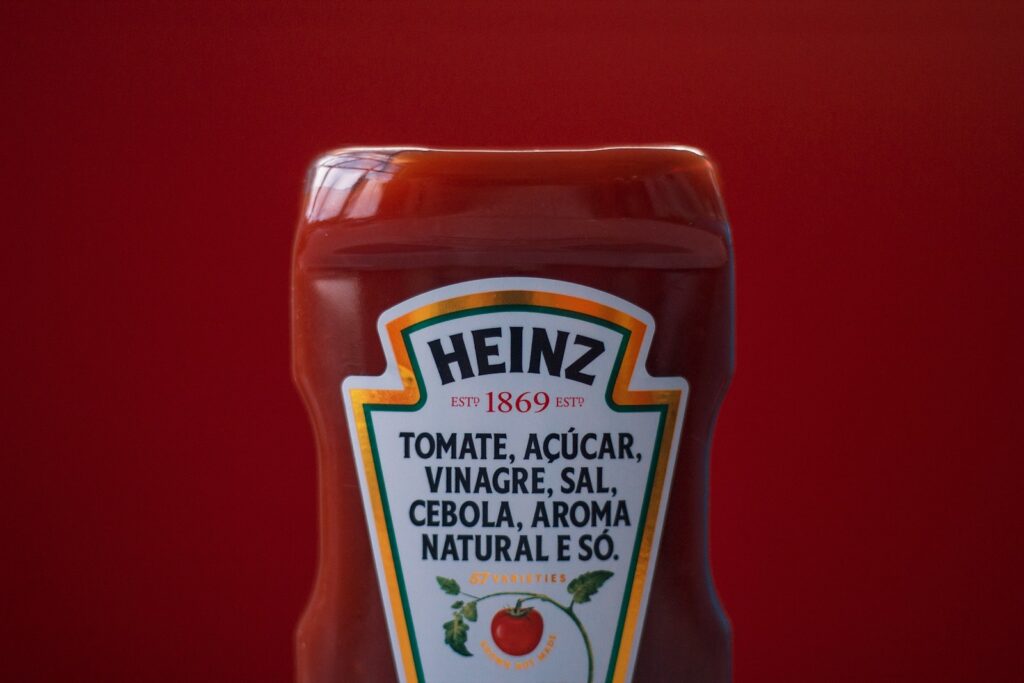
Few companies shaped ketchup more than Heinz.
In 1876, the company introduced a tomato ketchup made with ripe tomatoes and more vinegar than many competitors. The extra acidity improved preservation while creating a distinctive flavor.
The clear glass bottle also allowed customers to see the product, helping build trust at a time when food safety concerns were common.
1. Americans Eat More Ketchup Than Almost Anyone

Today, ketchup has become one of America’s most popular condiments.
Millions of bottles are sold each year, and ketchup appears on everything from hamburgers and hot dogs to meatloaf and eggs. Regional variations continue to emerge, including spicy ketchups, curry ketchup, and specialty gourmet versions.
What began as a fermented fish sauce thousands of miles away eventually became a defining feature of American comfort food.
A Condiment With a Surprisingly Global Story

The story of ketchup is really a story of cultural exchange. It traveled from Southeast Asian fishing communities to European trading ports, then evolved in British kitchens before being transformed into the tomato-based condiment Americans know today.
Few foods have undergone such a dramatic transformation. From fermented fish sauce to burger topping, ketchup’s journey is one of the strangest—and most successful—food evolutions in culinary history.
Read More:
- The Longevity Kitchen: 10 Foods That May Help You Live Longer
- 10 Authentic Mediterranean Foods Your Doctor Would Approve Of
- 13 Kitchen Gadgets You’ll Use Once and Forget Forever