
In recent years, the intricate relationship between diabetes and dementia has become a focal point of medical research. As scientists delve deeper into these conditions, they uncover surprising ways in which blood sugar issues and brain health are interconnected. Understanding these links is crucial for developing effective treatments and prevention strategies.
From insulin resistance affecting brain function to innovative medication developments, the connections are both complex and enlightening. Here are 10 surprising ways diabetes and dementia are connected:
10. Diabetes Increases Dementia Risk

Individuals with diabetes have a significantly higher risk of developing dementia compared to those without the condition.
Research indicates that the likelihood of cognitive decline increases by 60% for diabetics, with frequent low blood sugar episodes further exacerbating this risk by 50%.
9. Insulin Resistance Impacts Brain Health

While insulin resistance is a well-known precursor to type 2 diabetes, its effects on the brain are less commonly understood.
This resistance can hinder the brain’s ability to utilize glucose, potentially leading to cognitive decline, particularly in Alzheimer’s disease.
8. The Brain’s Glucose Utilization Issues
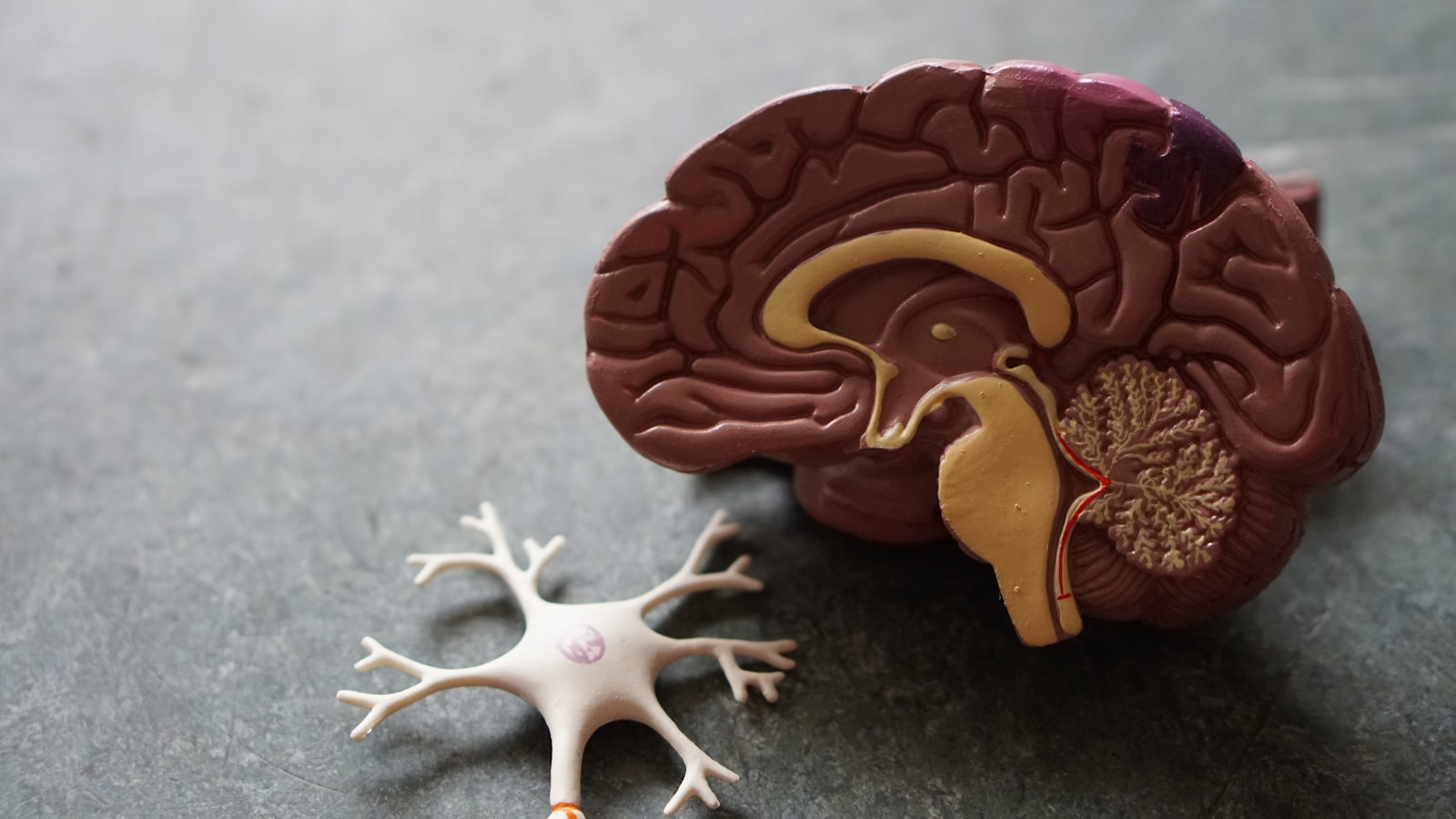
Despite its small size, the brain demands a substantial amount of energy, primarily from glucose.
In dementia, the brain’s ability to effectively use glucose diminishes, a condition some researchers refer to as type 3 diabetes.
7. Alzheimer’s Influence on Blood Sugar Levels

Alzheimer’s disease can elevate fasting blood glucose levels, even in the absence of diabetes.
This pre-diabetic state is linked to genetic factors like the APOE4 variant, which affects insulin sensitivity and may contribute to higher blood sugar.
6. Vascular Damage from Diabetes

Diabetes is notorious for damaging blood vessels, which can have serious repercussions for brain health.
This damage reduces blood flow and oxygen supply to the brain, increasing inflammation and the risk of dementia.
5. Memantine: From Diabetes Research to Dementia Treatment

Originally developed as a diabetes medication, Memantine is now used to treat Alzheimer’s symptoms.
Its journey from diabetes research highlights the potential for cross-disciplinary discoveries in treating brain disorders.
4. Metformin’s Potential Brain Benefits

Metformin, a common diabetes drug, may offer protective benefits for the brain beyond its glucose-lowering effects.
Studies suggest that it reduces brain inflammation and may decrease dementia risk, with ongoing trials exploring its effects on non-diabetics.
3. Weight-Loss Drugs and Brain Health

GLP-1 receptor agonists, known for aiding weight loss, also show promise in reducing dementia risk.
These drugs may reduce plaque buildup in the brain, with trials underway to assess their efficacy in cognitive impairment cases.
2. Insulin Therapy’s Potential Brain Benefits

Insulin resistance in the brain has led researchers to explore nasal insulin sprays as a treatment option.
While early studies show promise in improving memory and reducing brain shrinkage, challenges remain in ensuring effective delivery and long-term safety.
1. SGLT2 Inhibitors and Dementia Risk Reduction

SGLT2 inhibitors, a class of diabetes drugs, may help lower the risk of dementia, including Alzheimer’s and vascular dementia.
These drugs reduce blood sugar by increasing sugar removal in urine and may also decrease brain inflammation, offering a dual benefit for those with type 2 diabetes.
Read More:
- Why the Best Wellness Habits Are Often the Cheapest
- The Link Between Oral Health and Chronic Disease: What Your Mouth Reveals
- The Longevity Kitchen: 10 Foods That May Help You Live Longer