

The human brain is a complex organ, responsible for controlling everything from basic bodily functions to our most cherished memories. One of its key components, the hippocampus, plays a crucial role in memory formation. However, as we age, this vital region is susceptible to decline, affecting our cognitive abilities. Recent research has shed light on how these changes may differ between men and women, offering new insights into age-related cognitive decline and conditions like Alzheimer’s disease.
Understanding these differences may help researchers develop better early detection strategies and, eventually, more targeted interventions. Here are 9 surprising ways the aging brain differs between men and women:
9. The Role of the Hippocampus in Memory
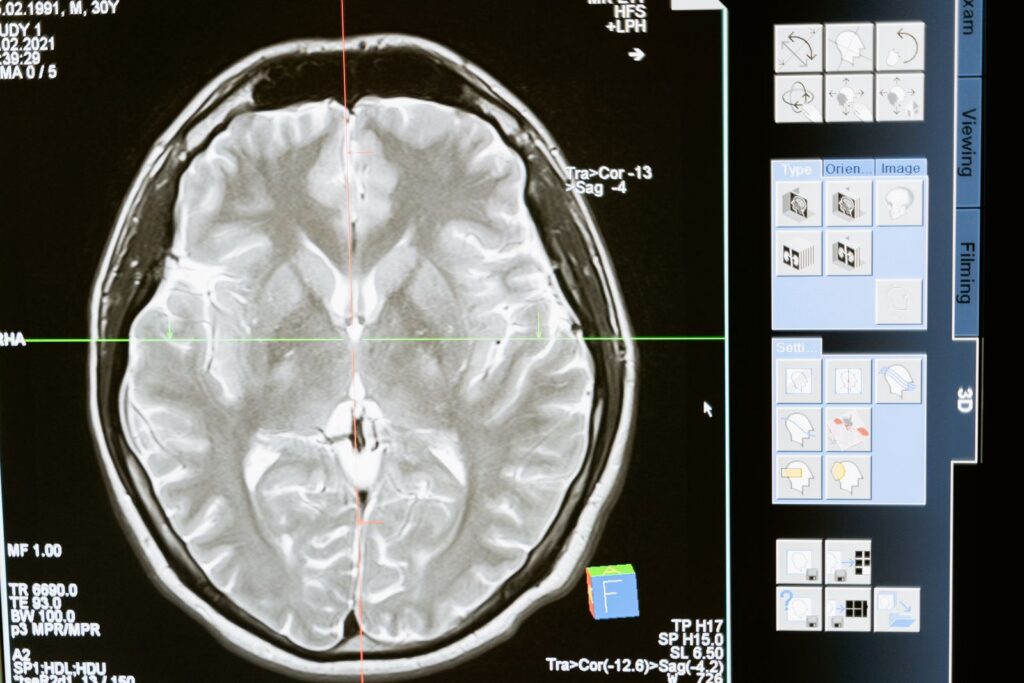
The hippocampus is central to forming memories from daily experiences, ranging from significant life events to routine activities.
As people age, the hippocampus is prone to structural and functional decline, impacting memory. This decline is linked to conditions like Alzheimer’s, where memory-related brain regions such as the hippocampus and entorhinal cortex are affected early.
8. Age-Related Decline in Hippocampal Volume

Research suggests that hippocampal volume generally begins to decline around age 50. However, some subregions, like CA2/3, might start to shrink later, closer to age 57.
This decline in volume is associated with memory difficulties, highlighting the importance of early detection and intervention strategies.
7. Differences in Decline Between Genders

Females often show earlier volume reduction in certain hippocampal regions like the dentate gyrus and CA1 compared to males.
Interestingly, once volume reduction occurs in males, the rate of decline tends to be more rapid than in females, suggesting distinct aging patterns.
6. Impact of Estrogen on the Female Brain

Estrogen plays a protective role in the female brain, particularly in the hippocampus. Its decline during menopause may contribute to the observed reduction in hippocampal volumes.
This hormonal change could help explain why females have a higher risk of developing Alzheimer’s disease compared to males.
5. The Connection Between Attention and Hippocampal Volume

Surprisingly, this study linked certain hippocampal subfield volumes with attention performance, suggesting that attention may support memory retention.
This finding emphasizes the complex interplay between different cognitive functions and the importance of considering multiple factors in cognitive assessments.
4. The Importance of Hippocampal Subfields
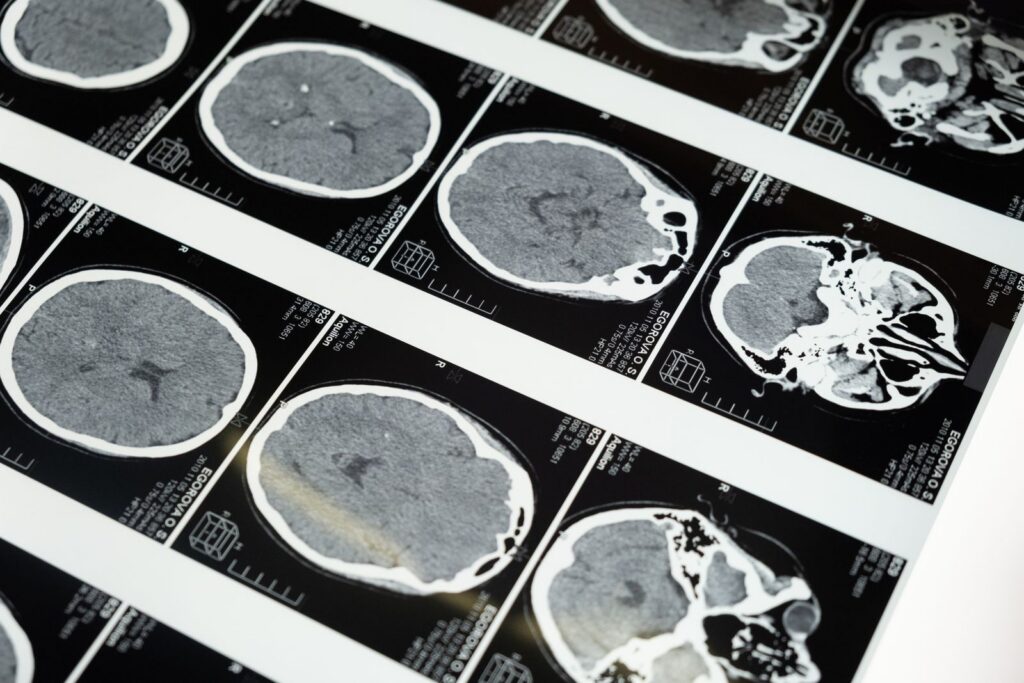
The hippocampus consists of various subfields, each playing distinct roles in memory processing. Advances in imaging technology now allow for detailed study of these areas.
Understanding how these subfields age differently can provide insights into targeted therapies for cognitive decline.
3. Biological Sex and Cognitive Research

There is a growing recognition of the need to consider biological sex in cognitive research to better understand the nuances of brain aging.
This approach may lead to more personalized interventions and improve outcomes for both men and women as they age.
2. Early Menstrual Cycle and Brain Volume
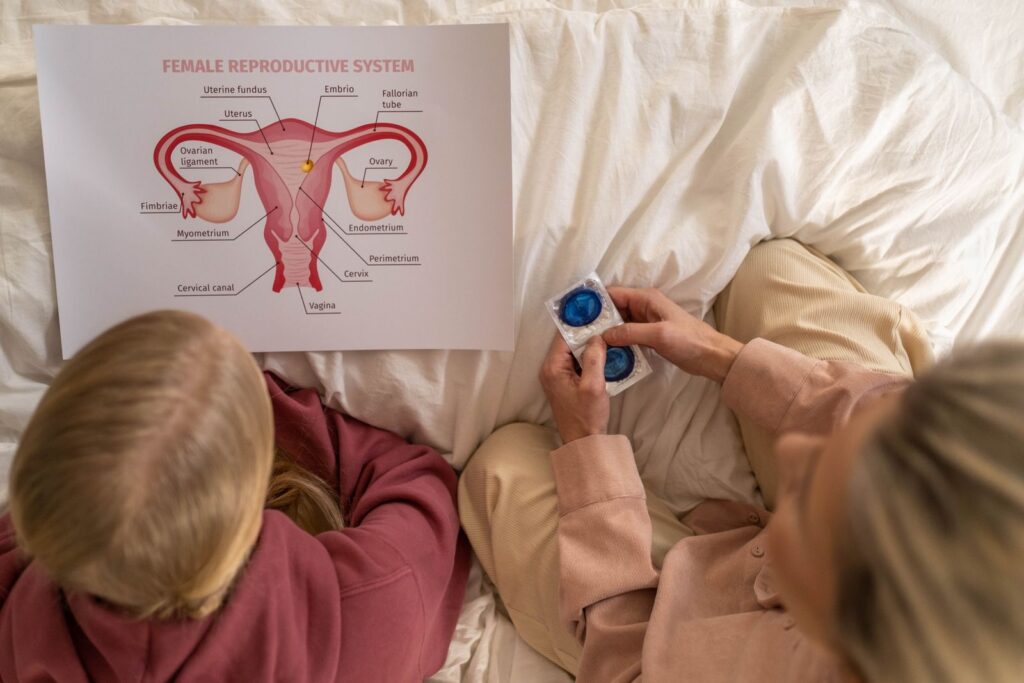
In females, an earlier onset of menstruation was linked to larger hippocampal volumes in specific regions.
This finding highlights the potential influence of reproductive history on brain structure and suggests avenues for further research.
1. The Need for Longitudinal Research

While current studies provide valuable snapshots of brain volume across different ages, longitudinal research is crucial for understanding true changes over time.
Such studies would allow scientists to track the progression of cognitive decline and develop more effective interventions.
Read More:
- 9 Ways Aging Ovaries Affect Your Health Beyond Fertility
- 10 Surprising Revelations About Early Menopause Symptoms
- 10 Possible Reasons Younger People Are Developing Colon Cancer