
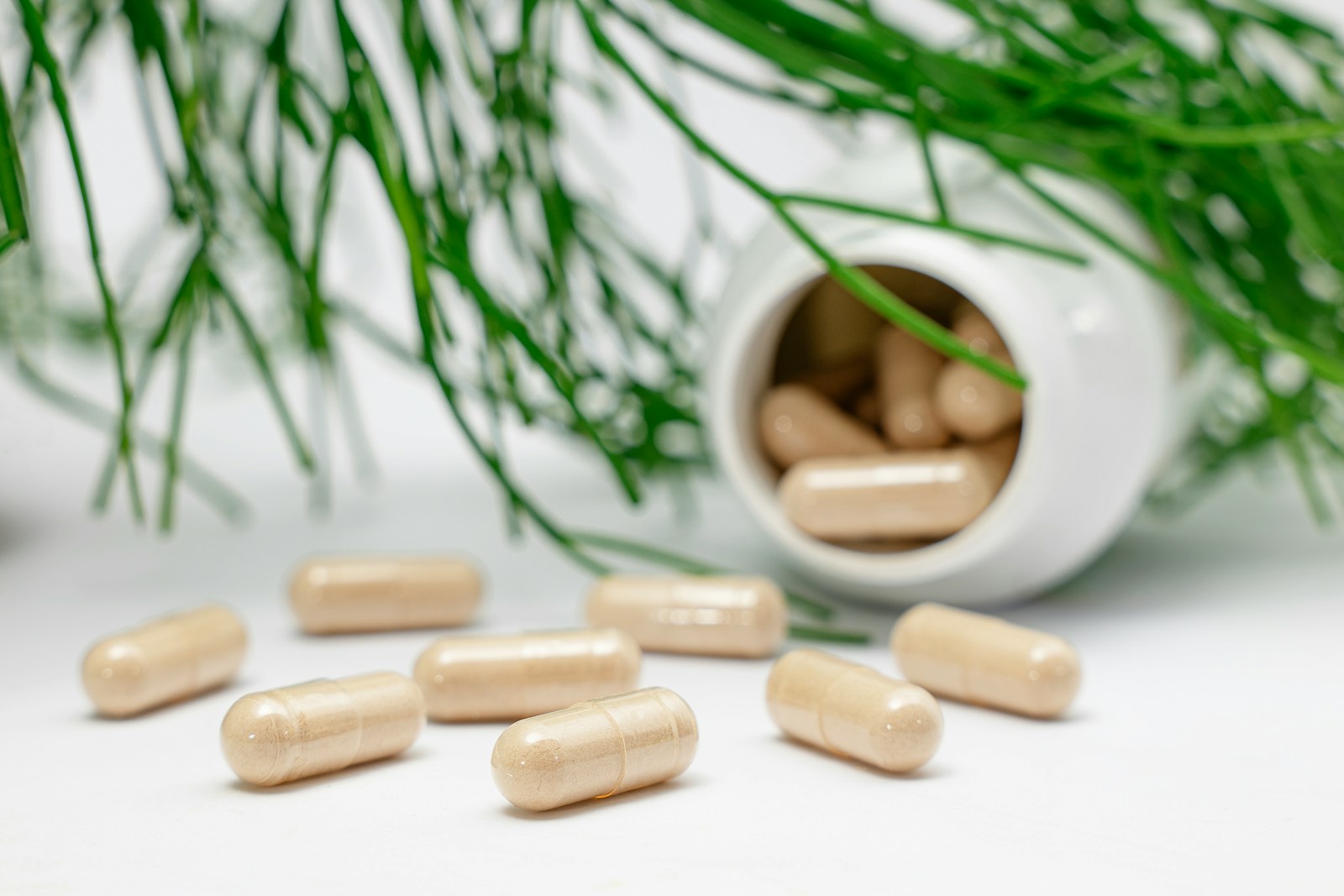
The supplement industry has undergone a massive transformation over the past few decades. Once dominated by traditional multivitamins, the market now offers a wide array of products targeting various health aspects, from immunity to skin health. A recent 25-year study sheds light on how Americans’ supplement habits have evolved, underscoring a shift towards more personalized wellness routines.
Analyzing data from over 63,000 adults, the study reveals not only an increase in supplement use but also a change in the types of supplements people choose. Here are 11 surprising insights from the study that explain why Americans are rethinking their supplement choices.
11. Steady Rise in Supplement Use

Over the past 25 years, supplement use among Americans has increased significantly.
From 51% in 1999 to 60% in 2023, more people are incorporating supplements into their daily routines, with a notable rise after 2010.
10. Decline of the Multivitamin
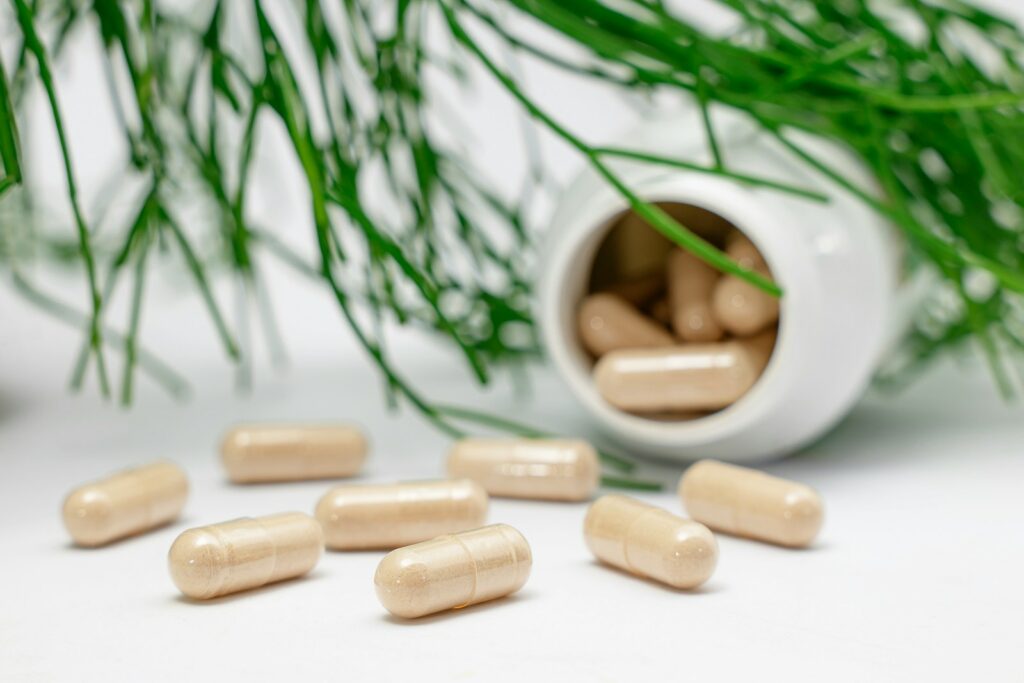
Once the go-to supplement for many, multivitamin use has seen a decline.
Americans are now opting for specific vitamins and supplements tailored to individual health goals, moving away from a one-size-fits-all approach.
9. Surge in Vitamin D and K Use

Vitamin D use has increased nearly sixfold, while Vitamin K has also gained popularity.
These vitamins are increasingly chosen for their specific health benefits, such as bone health and immune support.
8. Rise of Targeted Supplements
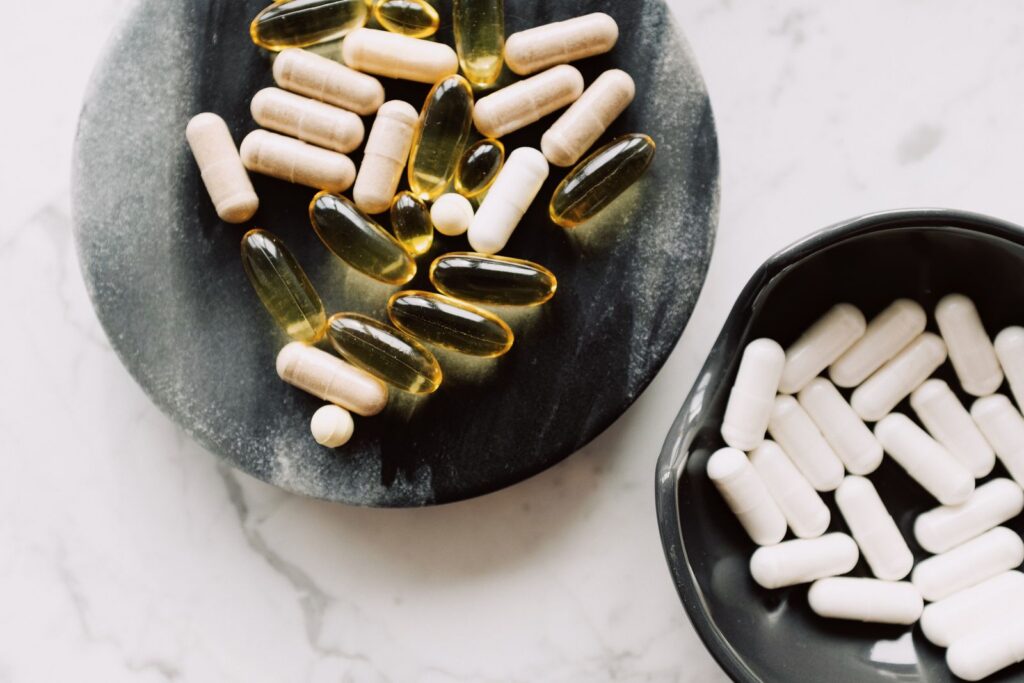
Supplements like turmeric, zinc, and omega-3s have seen a notable increase in use.
These products are chosen for their targeted benefits, such as anti-inflammatory properties and heart health.
7. Popularity of Gut Health Supplements

Probiotics and prebiotics have become staples for many seeking to enhance gut health.
The focus on digestive health reflects a broader interest in overall wellness and disease prevention.
6. Collagen and Skin Health
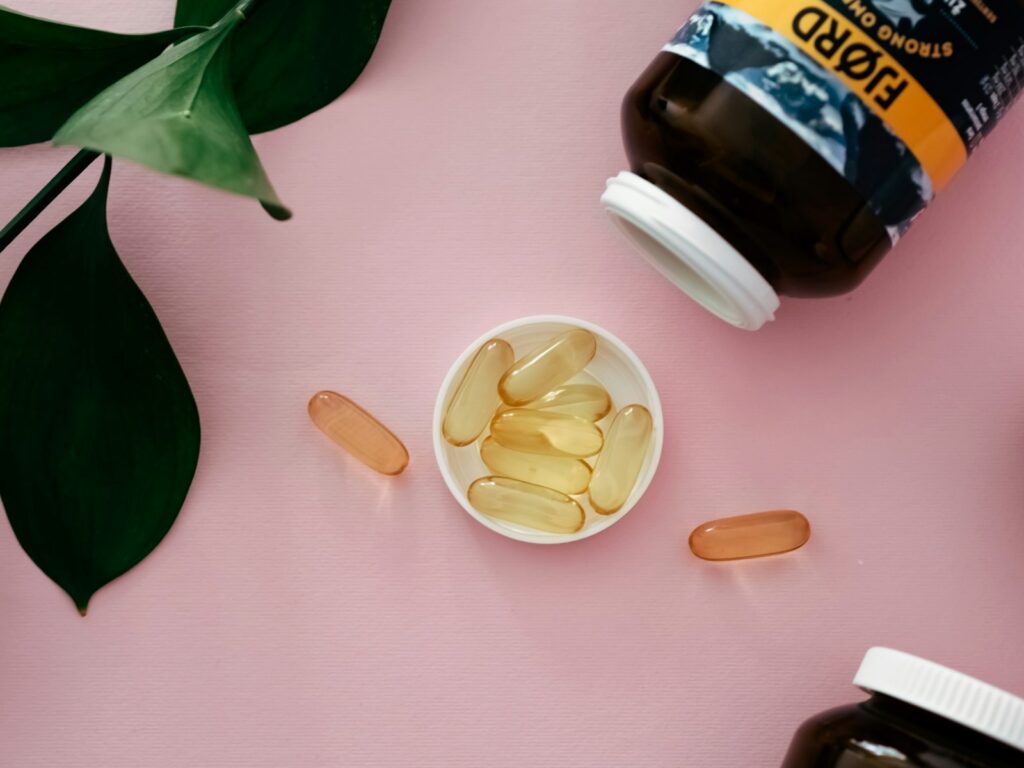
Collagen supplements have surged in popularity, particularly for skin health.
As people seek to maintain youthful skin, collagen has become a key component of many beauty and wellness routines.
5. Elderberry and Immunity

Elderberry supplements are increasingly popular for their immune-boosting properties.
This trend reflects a growing focus on preventive health measures and natural remedies.
4. Ashwagandha for Stress Relief

Ashwagandha has gained traction as a natural stress reliever.
As more individuals seek holistic approaches to managing stress, adaptogens like ashwagandha are becoming more mainstream.
3. Focus on Quality and Transparency

Consumers are increasingly prioritizing supplements from brands that emphasize quality and transparency.
With more information available, people are making informed choices based on credible science and trusted sources.
2. Personalized Wellness Routines

More Americans are crafting supplement routines tailored to their unique health needs.
This personalized approach reflects a deeper engagement with one’s own health and wellness journey.
1. The Intentional Consumer
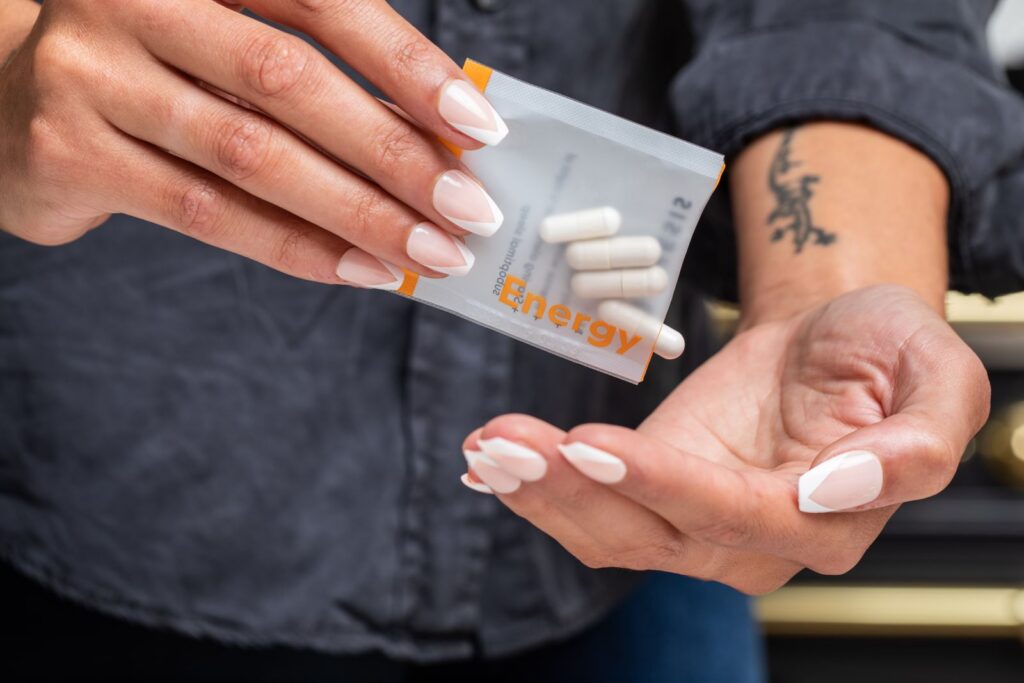
The biggest shift is the rise of the intentional consumer, who chooses supplements based on personal health goals rather than trends.
This evolution indicates a broader change in how individuals approach health, emphasizing informed and purposeful decisions.
Read More:
- 12 Magnesium Supplements Recommended by Dietitians
- Supplements That May Help—and the Ones to Think Twice About
- 10 Surprising Revelations About Omega-3 Fish Oil