
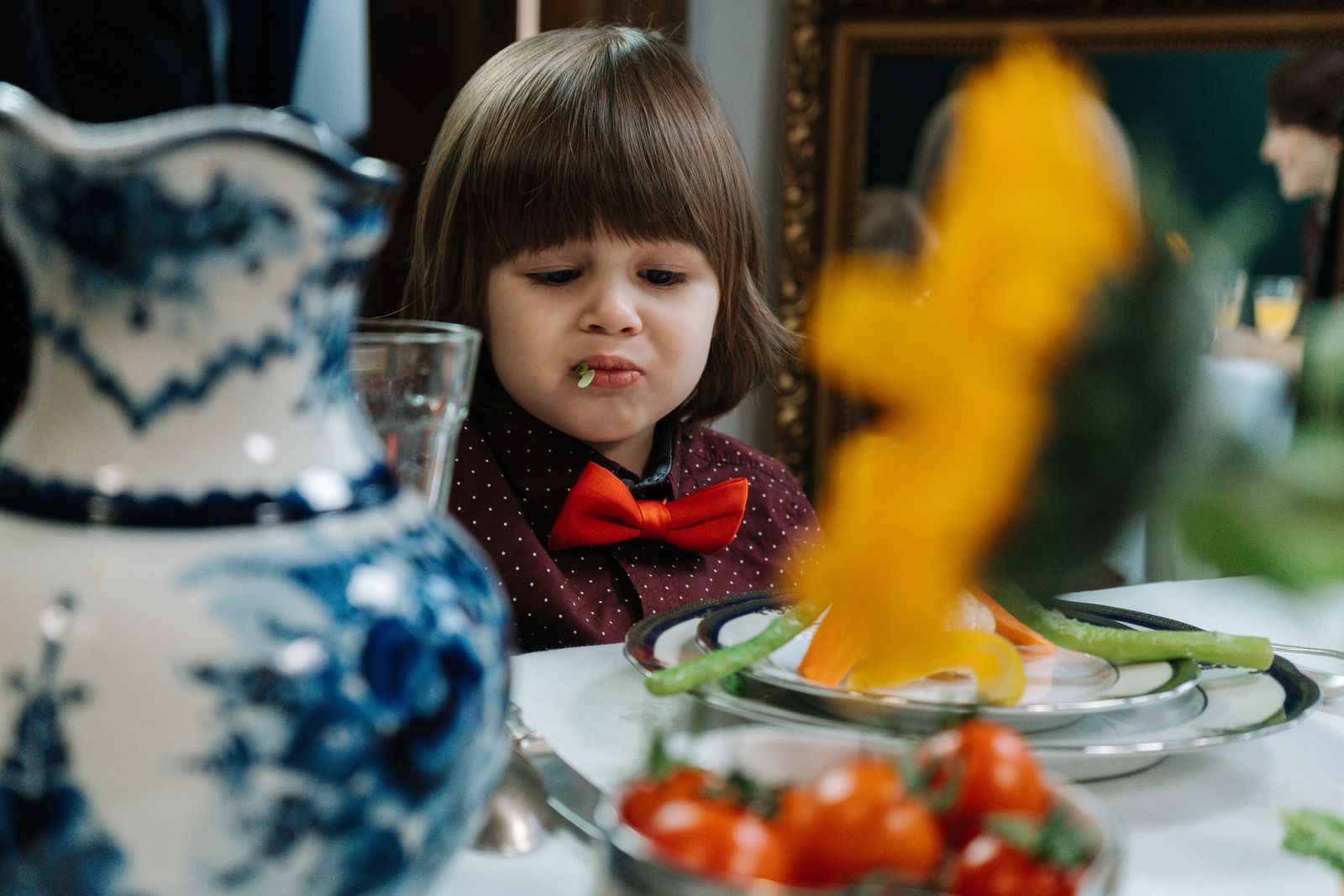
Many parents find themselves perplexed by their child’s persistent picky eating habits. They may try various strategies, from offering rewards to enforcing strict mealtime rules, yet the issue often persists. What may appear as stubbornness is frequently rooted in anxiety.
Understanding the connection between anxiety and eating habits can transform mealtimes from a source of stress into an opportunity for growth and exploration. Here are 9 ways anxiety can manifest as picky eating and how to address them.
9. The Comfort of Safe Foods

Children often gravitate towards foods they find reliable and consistent.
Safe foods like crackers or chicken nuggets provide predictability, which can be comforting for anxious children. These choices may be one of the few areas where they feel in control.
8. Sensory Sensitivities
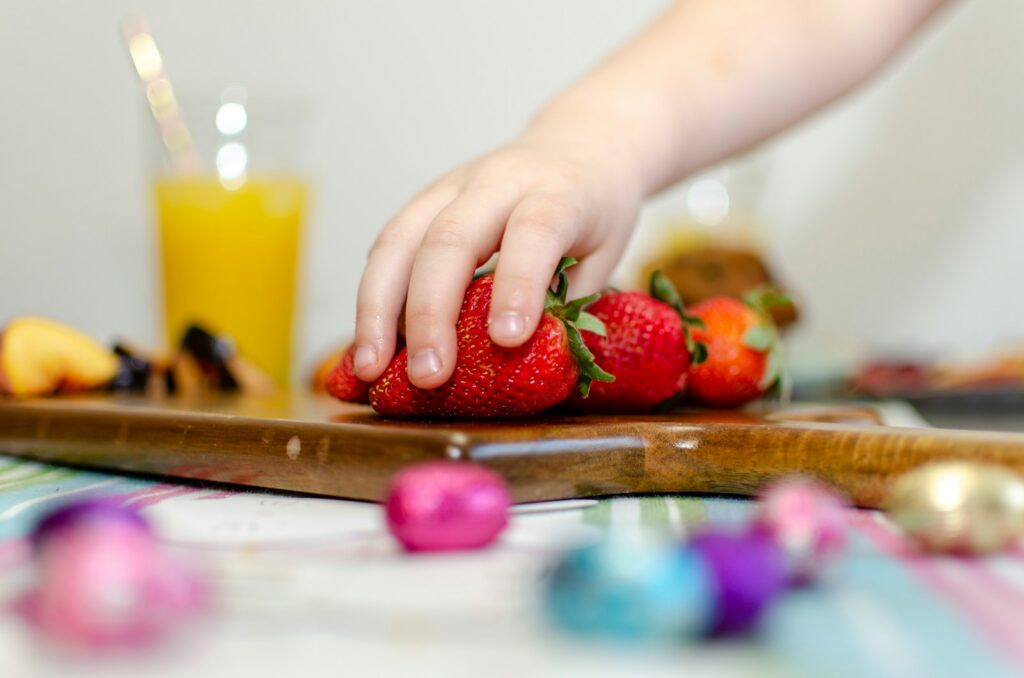
For some children, the texture or smell of certain foods can be overwhelming.
This sensory overload can lead to anxiety, making unfamiliar foods seem threatening. Understanding this can help parents approach mealtimes with empathy.
7. The Fear of the Unknown
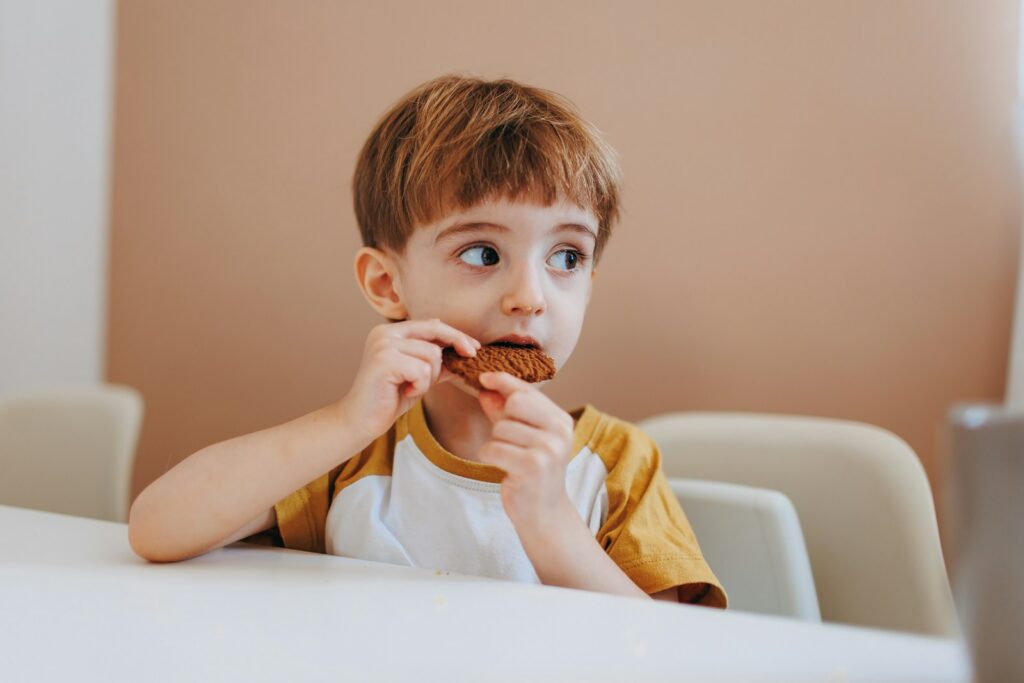
Unfamiliar foods can feel unpredictable and scary for anxious eaters.
Children may worry about how a new food will taste or feel, which can deter them from trying it. This fear of the unknown is a common trigger for anxiety-driven picky eating.
6. The Impact of Pressure

Pressure to eat can exacerbate anxiety and lead to resistance.
When children feel forced to eat, their anxiety may increase, making them more resistant to trying new foods. It’s important to create a low-pressure environment at mealtimes.
5. Emotional Associations with Mealtime

Mealtimes can become emotionally charged, leading to stress and anxiety.
When meals are anticipated as a battleground, both parents and children may approach them with dread, reinforcing negative associations with food.
4. The Role of Feeding Therapy

Feeding therapy can help children feel safe and confident around food.
Therapists often start with non-eating activities, such as touching or smelling foods, to reduce anxiety and build confidence gradually.
3. Celebrating Small Wins

Progress can be slow, but celebrating small steps is crucial.
Even small interactions with food, like touching or smelling, should be celebrated as they build a child’s confidence to eventually try new foods.
2. Modeling Positive Behavior
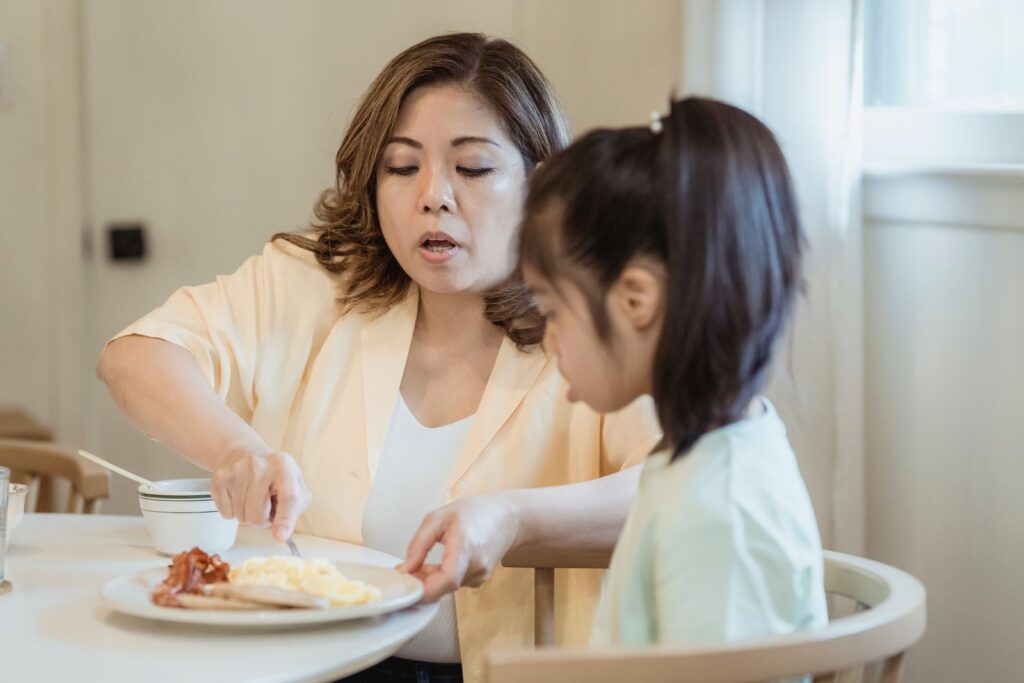
Parents can model calm and positive behavior at the table.
Children observe and mimic adult reactions, so demonstrating a relaxed attitude towards new foods can encourage similar behavior in kids.
1. Trusting Appetite Cues
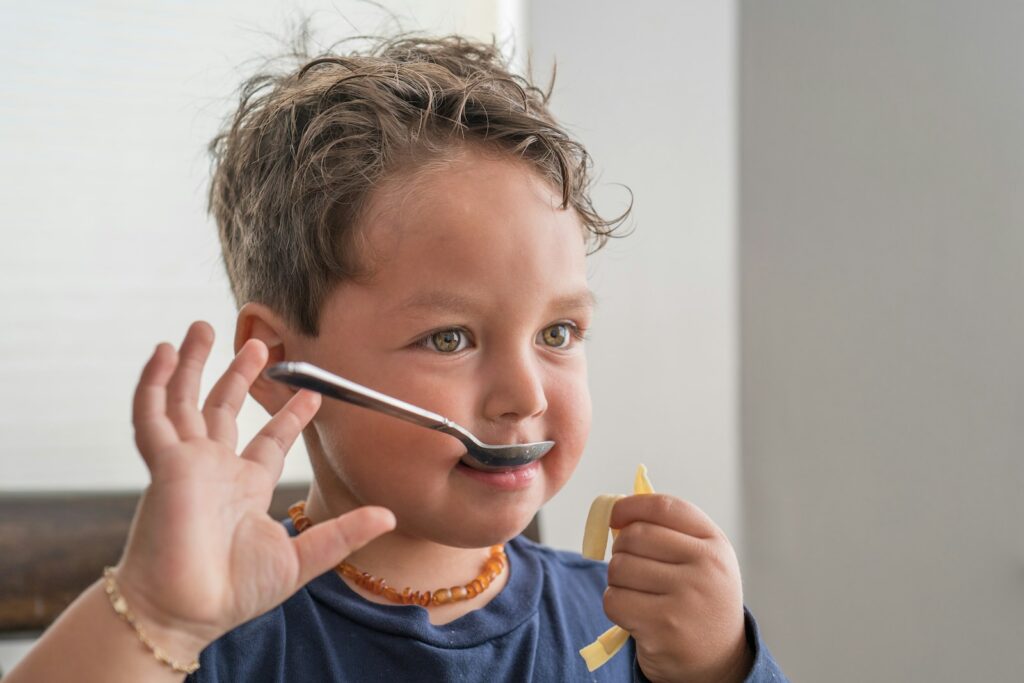
Respecting children’s natural hunger and fullness signals is key.
Encouraging children to listen to their bodies helps them develop a healthy relationship with food, reducing anxiety and promoting more adventurous eating habits over time.
Read More:
- 9 Reasons Millions With Anxiety and Depression Remain Untreated
- 10 Tips for Helping Children and Teens Manage Anxiety
- These 20 Common Habits Are Secretly Fueling Anxiety