

Astrology has been around for thousands of years, influencing cultures from ancient Mesopotamia to modern-day social media. Along the way, plenty of misconceptions have emerged about what astrology is, how it works, and what astrologers actually believe.
Whether you’re a dedicated astrology enthusiast or simply curious about your zodiac sign, you’ve probably encountered at least a few of these myths. Here are 10 astrology myths that refuse to go away.
10. Astrology and Astronomy Are the Same Thing
Although they share historical roots, astrology and astronomy are very different disciplines. Astronomy is the scientific study of celestial objects and the universe.
Astrology, on the other hand, is a symbolic system that explores relationships between celestial cycles and human experiences. While they once overlapped, they developed into separate fields centuries ago.
9. Astrology Claims the Planets Cause Events
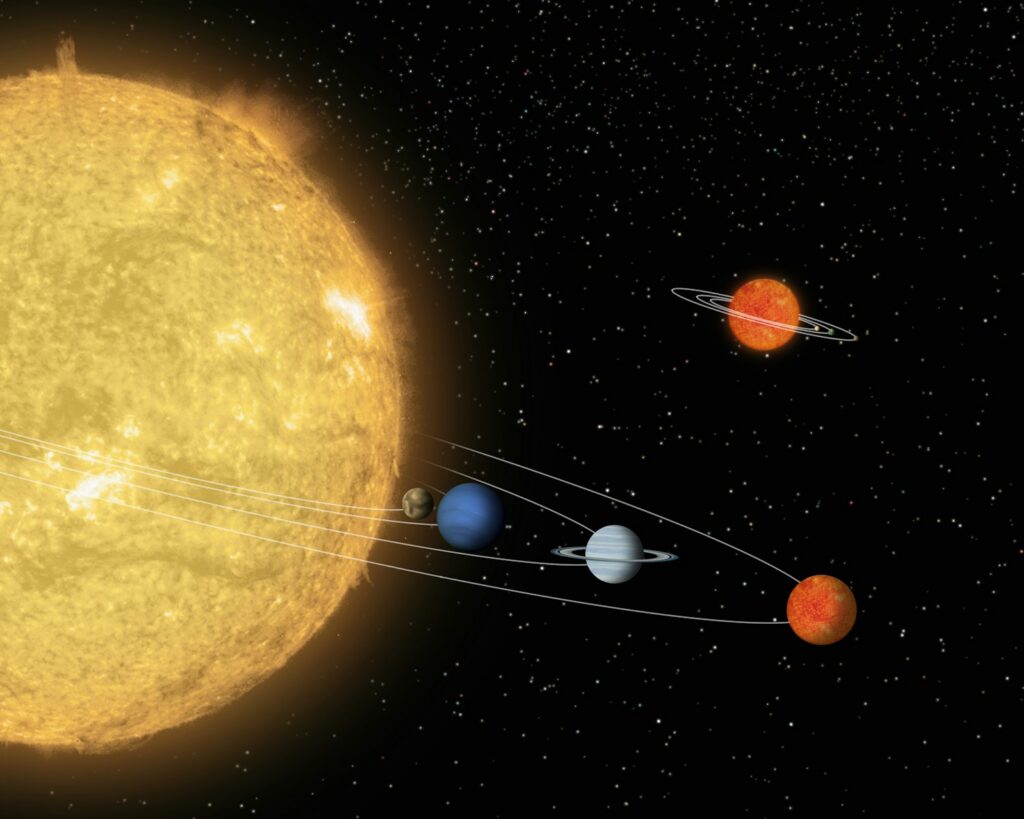
One common misconception is that astrologers believe planets physically cause events on Earth.
Most modern astrologers view planetary movements as symbolic rather than causal. In this framework, the sky acts more like a clock that reflects patterns and cycles rather than a force that directly controls human behavior.
8. Your Sun Sign Is Your Entire Personality
Many people know only their Sun sign, which is determined by the position of the Sun at birth. However, astrologers typically analyze an entire birth chart.
A chart includes the Moon, planets, houses, and rising sign, among other factors. As a result, two people with the same Sun sign can have very different personalities.
7. Astrology Says Everyone of the Same Sign Is Identical
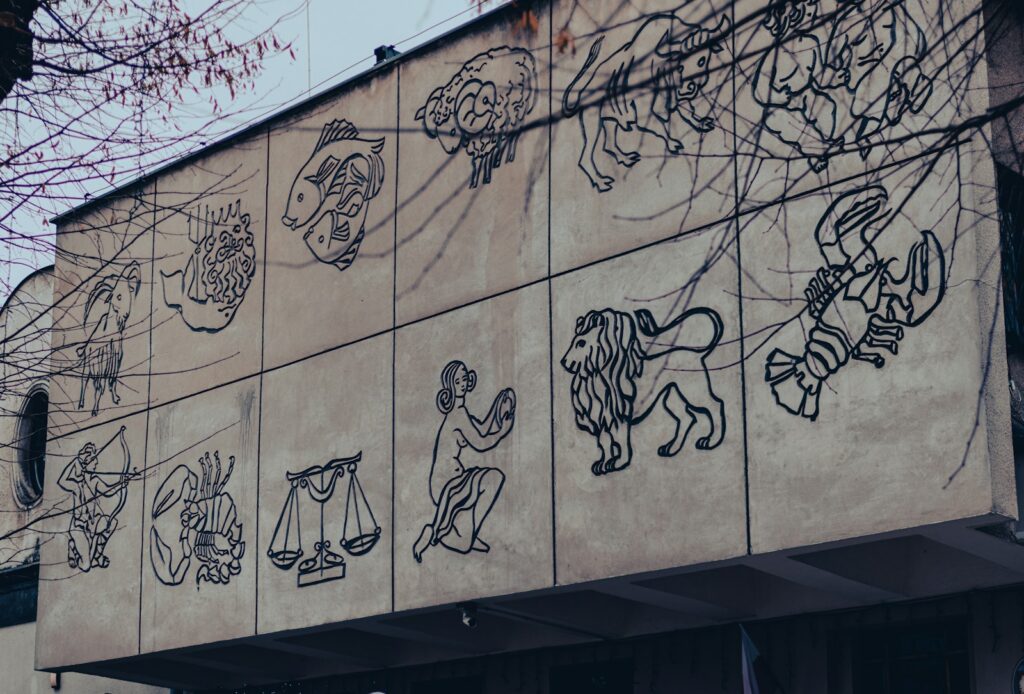
Not all Leos are dramatic, and not all Virgos are organized. Astrology does not suggest that everyone born under the same sign behaves exactly alike.
Instead, astrologers view the zodiac signs as broad archetypes that interact with many other chart factors. Individual experiences, culture, and personality still play major roles.
6. Mercury Retrograde Causes Everything to Go Wrong
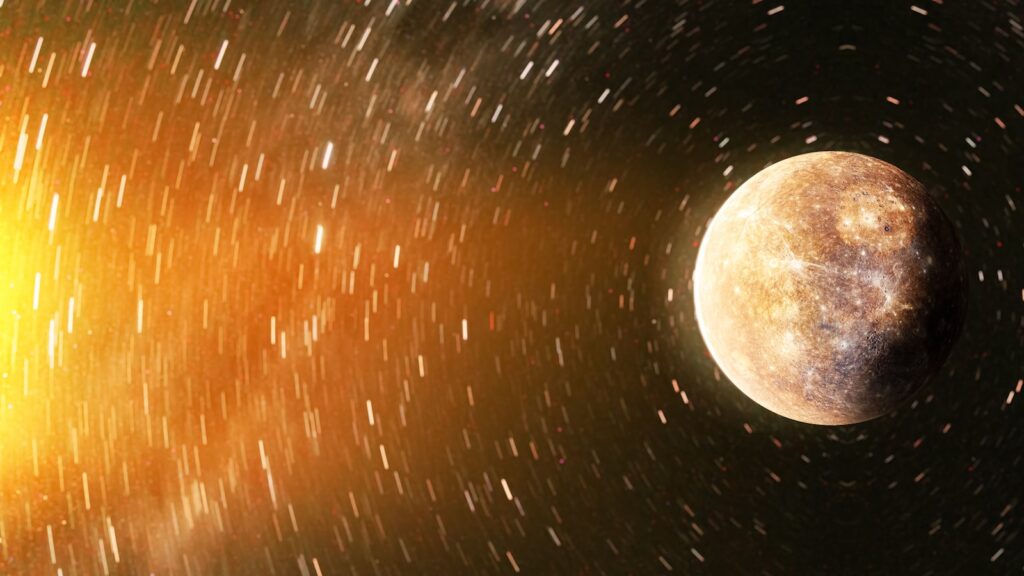
Few astrological terms have become as famous as Mercury retrograde. The phrase often gets blamed for travel delays, technology problems, and communication mishaps.
While astrologers traditionally associate Mercury retrograde with review and reflection, many argue that its reputation for causing nonstop chaos has been exaggerated over time.
5. Astrology Is a Modern Trend
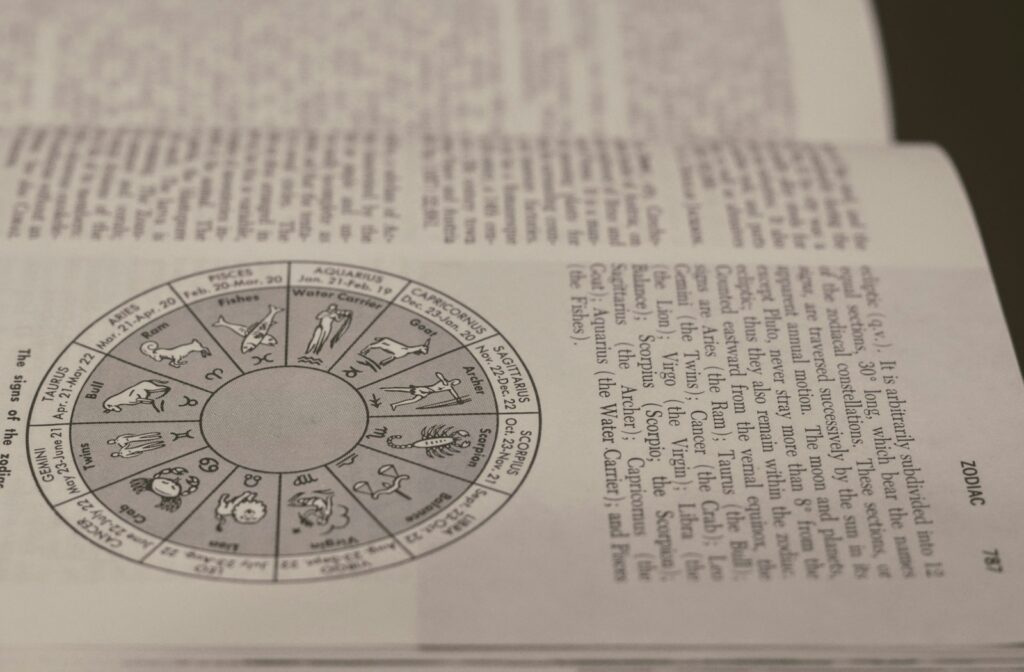
Social media may have introduced astrology to a new audience, but the practice is far from new. Ancient civilizations observed planetary movements thousands of years ago.
Versions of astrology appeared in Mesopotamia, Egypt, Greece, Rome, India, China, and many other cultures long before the internet existed.
4. Astrology Predicts an Unchangeable Fate
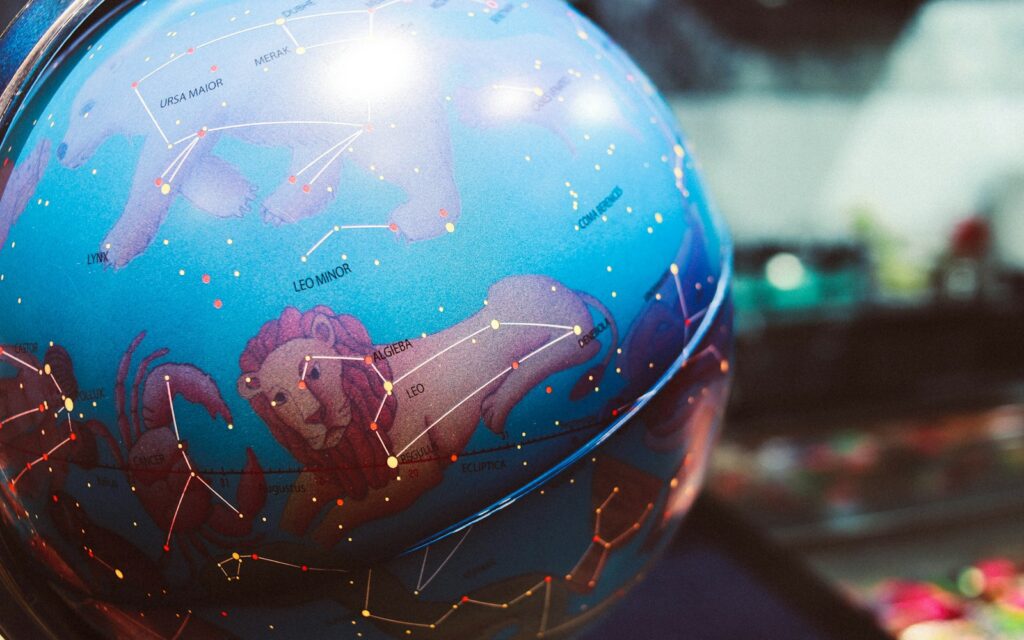
A common criticism assumes astrology claims that every event is predetermined. Most contemporary astrologers reject that interpretation.
Instead, many describe astrology as a tool for understanding tendencies, opportunities, and challenges rather than a script that must be followed.
3. There Are Only 12 Signs in Astrology
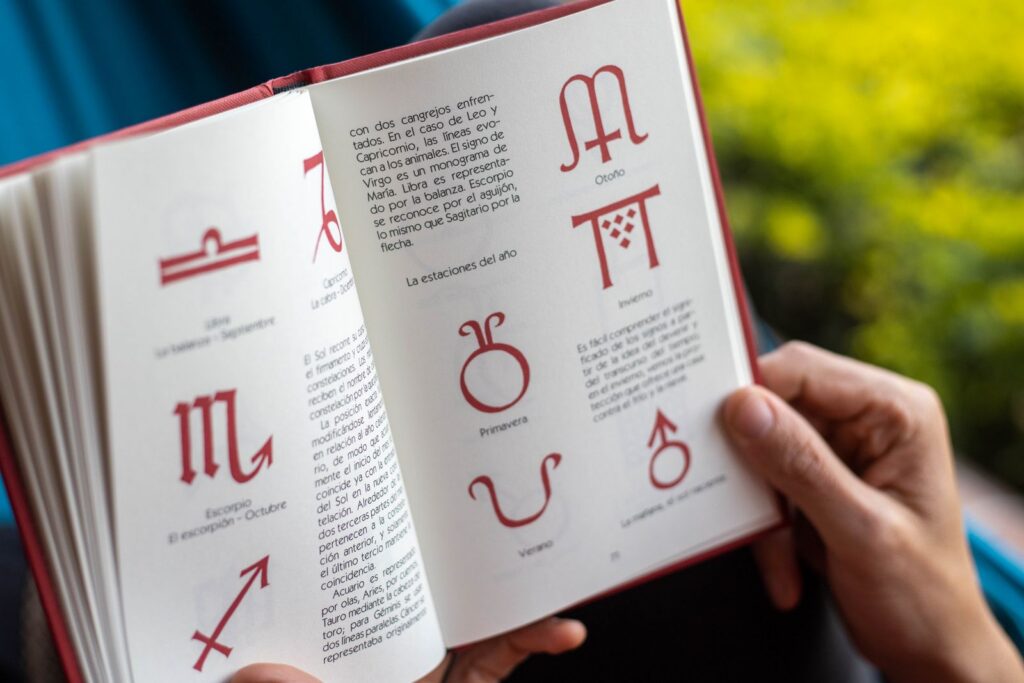
People often assume astrology begins and ends with the 12 zodiac signs. In reality, most astrological systems include planets, houses, aspects, lunar nodes, and other components.
The zodiac signs are only one piece of a much larger symbolic framework.
2. Astrologers Agree on Everything

Just as historians, economists, and psychologists often disagree, astrologers frequently interpret ideas differently. Various traditions have developed over centuries, including Hellenistic, Medieval, Vedic, and modern psychological astrology.
As a result, two astrologers may approach the same chart from different perspectives.
1. Astrology Is Only About Daily Horoscopes

For many people, astrology means reading a short horoscope in a newspaper or online. While horoscopes remain popular, they represent only a small part of the practice.
Astrology also includes birth chart interpretation, historical cycles, relationship analysis, electional astrology, and other specialized areas. The daily horoscope is often just the most visible piece of a much larger tradition.
Read More:
- Are You One of the Most Psychic Zodiac Signs? Here’s the Ranking
- Which Zodiac Signs Are the Most Mysterious? Here’s the Ranking
- The Zodiac Signs, Ranked From Least to Most “Toxic”