
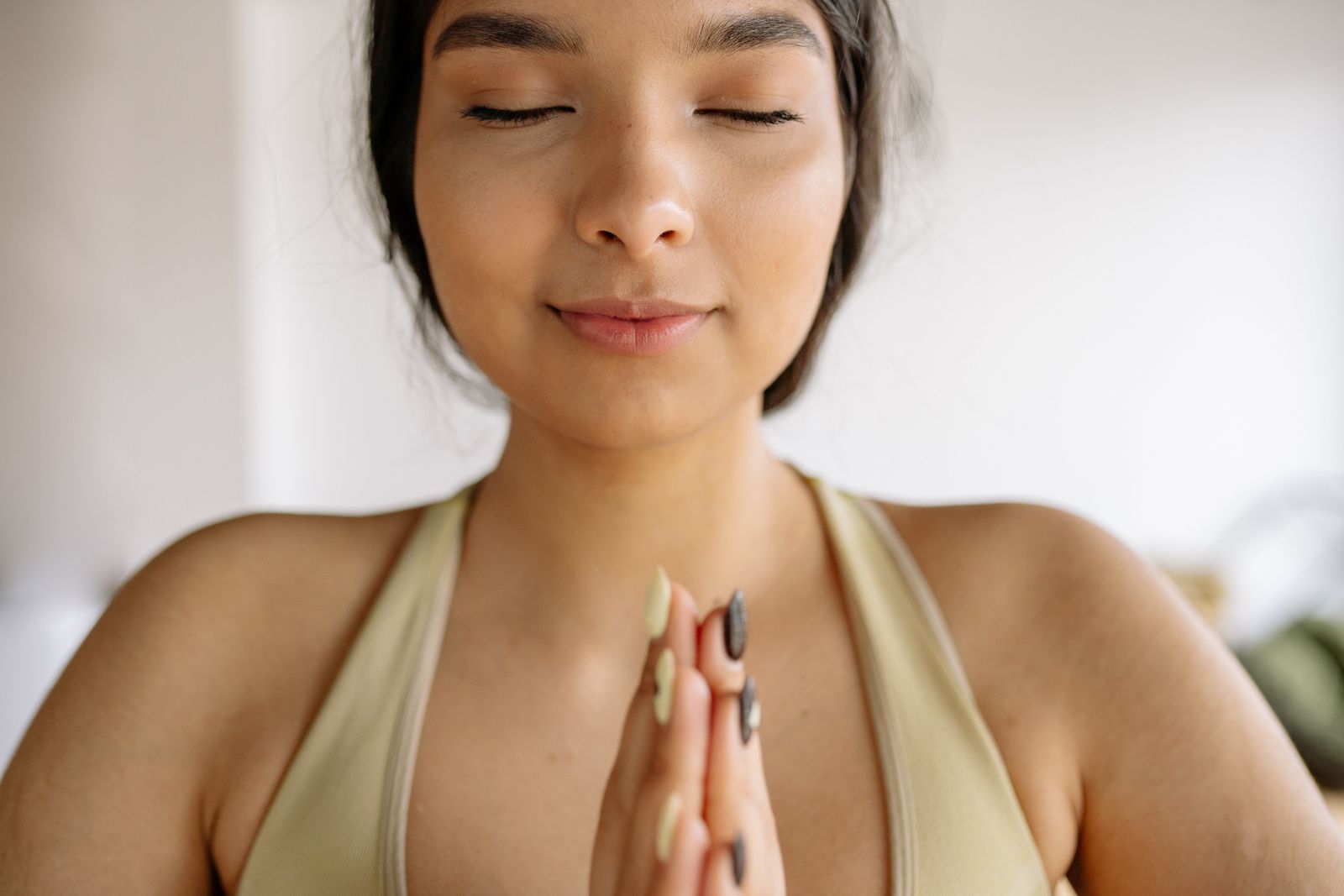
Meditation has a reputation for being intimidating. Some people imagine sitting perfectly still for an hour, clearing their mind completely, or achieving some kind of enlightened state on the first try.
The reality is much simpler. Meditation is less about perfection and more about paying attention. If you’re curious about the practice but feel a little intimidated, these beginner-friendly tips can help you get started without the pressure.
20. Start With Just a Few Minutes

You don’t need to meditate for 30 minutes to get benefits.
Starting with two to five minutes can help build confidence and make the practice feel much more approachable.
19. Find a Comfortable Place

Forget the idea that meditation requires a special cushion or a silent retreat center.
A comfortable chair, your couch, your bed, or even a quiet corner of your home can work perfectly.
18. Try a Guided Meditation
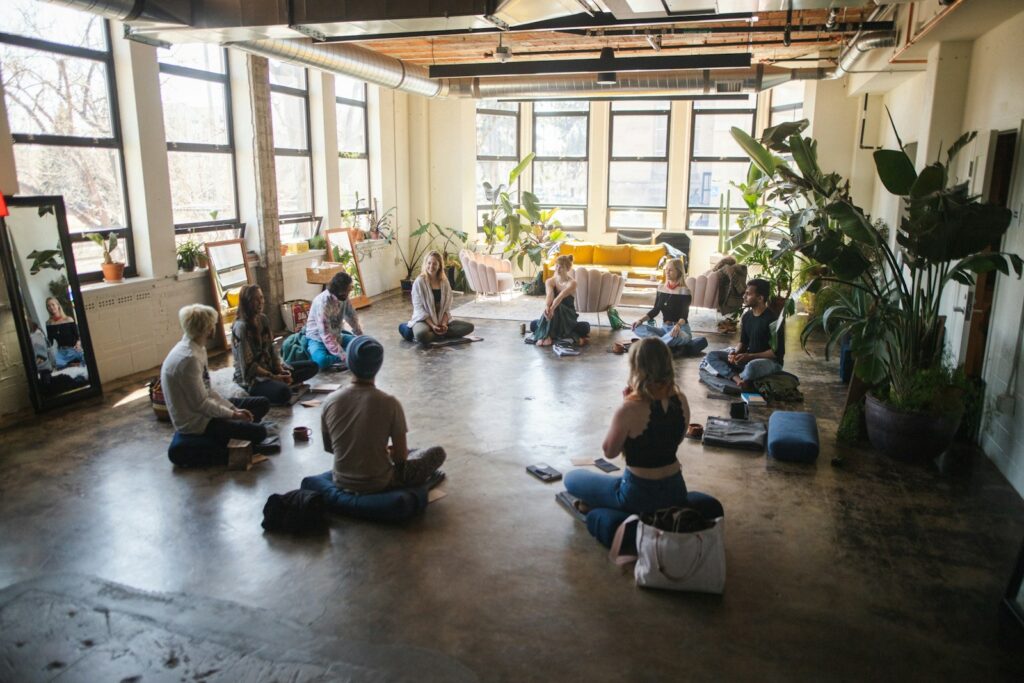
Many beginners find it easier to follow someone else’s voice than to sit in silence.
Guided meditations can provide structure, reassurance, and helpful prompts when you’re learning.
17. Set a Timer

Checking the clock every 30 seconds isn’t exactly relaxing.
Setting a timer allows you to focus on the experience rather than worrying about how much time has passed.
16. Focus on Your Breath

Breath awareness is one of the simplest meditation techniques.
Pay attention to the feeling of each inhale and exhale. When your mind wanders, gently return your attention to your breathing.
15. Expect Your Mind to Wander

One of the biggest misconceptions about meditation is that you’re supposed to stop thinking.
Thoughts will come and go. The practice is simply noticing when your attention drifts and bringing it back.
14. Create a Consistent Routine
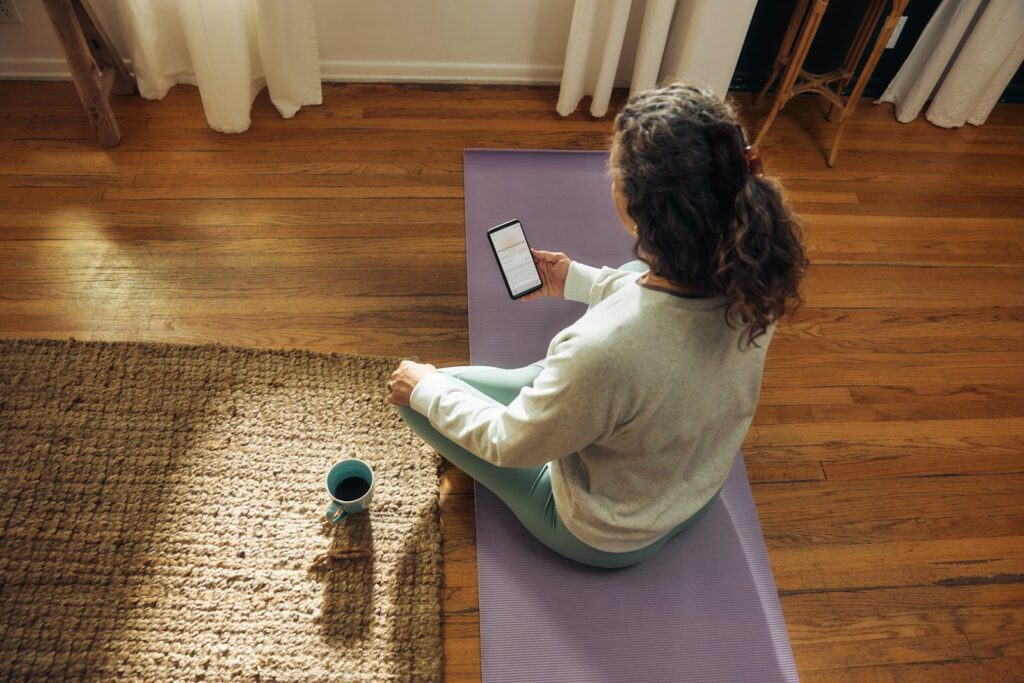
Meditation becomes easier when it becomes familiar.
Whether it’s first thing in the morning or right before bed, consistency matters more than timing.
13. Use Music or Nature Sounds
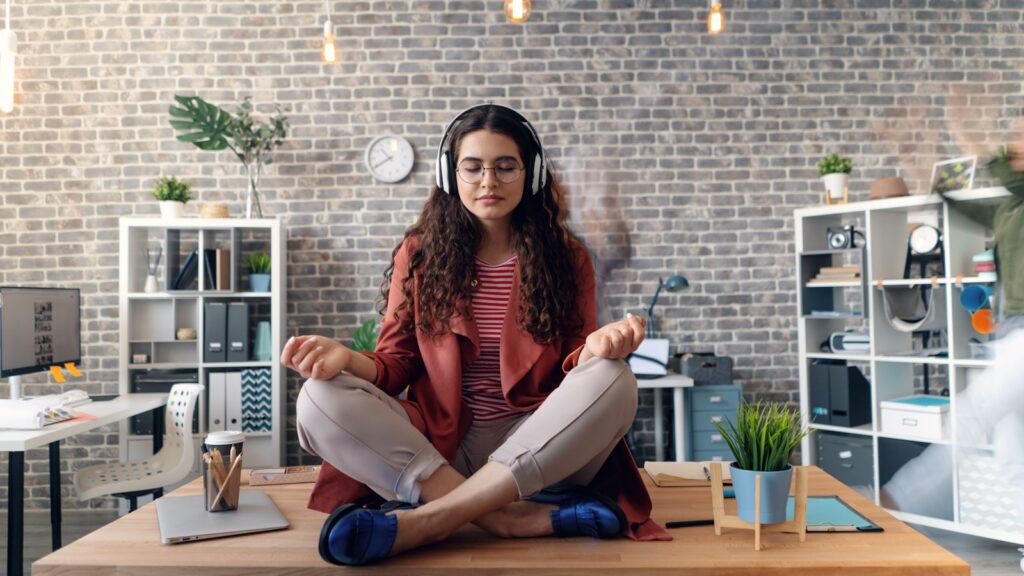
Silence isn’t required.
Soft instrumental music, rainfall, ocean waves, or nature sounds can help create a calming environment.
12. Experiment With Different Positions

You don’t have to sit cross-legged on the floor.
Sit in a chair, lie down, stand, or even walk slowly if that’s more comfortable.
11. Practice Mindfulness During Daily Activities

Meditation doesn’t always happen with your eyes closed.
Try paying full attention while walking, washing dishes, gardening, or drinking your morning coffee.
10. Use a Simple Mantra

Repeating a calming word or phrase can help anchor your attention.
Phrases such as “I am calm,” “I am here,” or “Just this moment” can help quiet mental chatter.
9. Stop Worrying About Doing It Perfectly
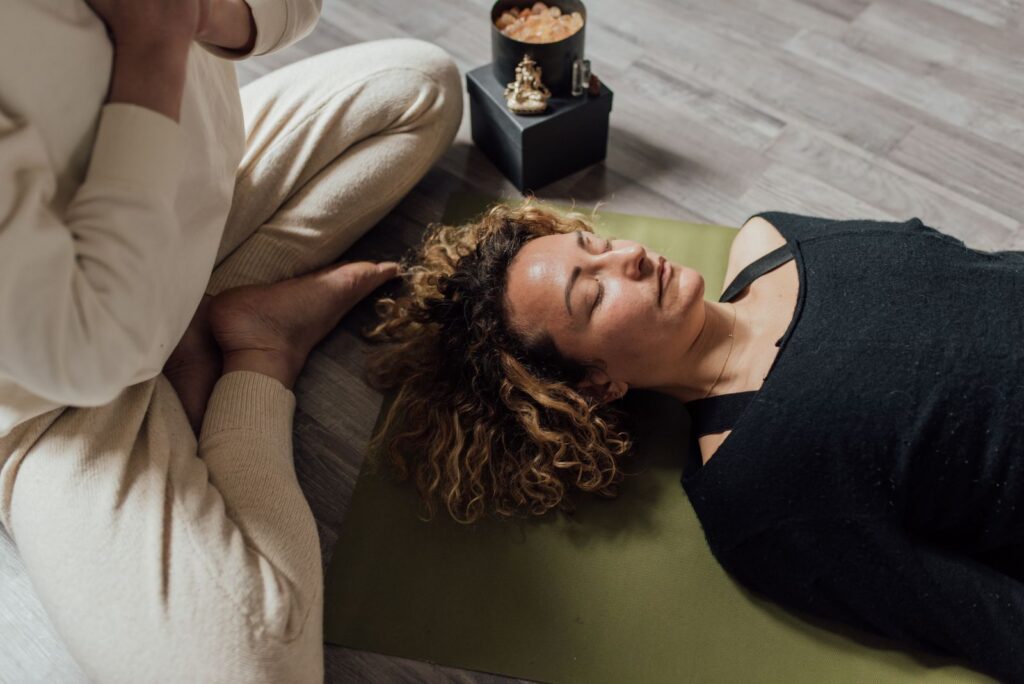
There is no meditation scorecard.
If you showed up and practiced, you’ve succeeded.
8. Try Visualization

Some people find it easier to focus on an image than on their breath.
Imagine a peaceful beach, forest, mountain trail, or any place that makes you feel calm and grounded.
7. Explore Meditation Apps

Apps can make meditation feel less overwhelming.
Popular options include Headspace, Calm, Insight Timer, and several free guided meditation libraries available online.
6. Meditate With a Friend
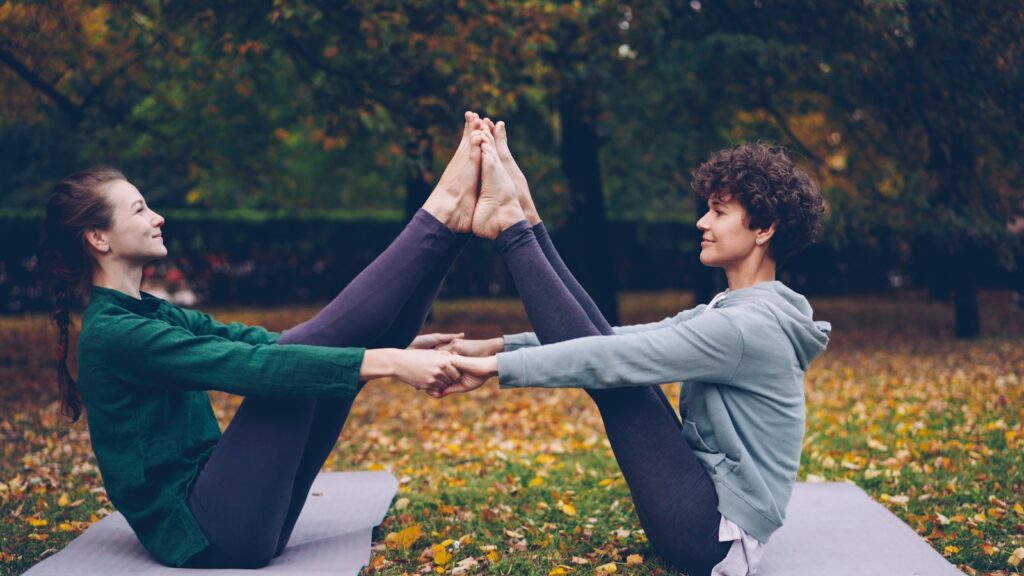
Starting a new habit can feel easier when someone joins you.
Meditating with a friend can provide accountability and make the experience feel less intimidating.
5. Let Go of Expectations
Not every session will feel relaxing or profound.
Some days your mind will be busy. That’s normal and part of the process.
4. Explore Different Styles

Mindfulness meditation, body scans, loving-kindness meditation, breathwork, and walking meditation all offer different experiences.
Don’t assume one approach fits everyone.
3. Practice Gratitude

Spend a few minutes focusing on people, experiences, or moments you’re grateful for.
Gratitude can shift attention away from stress and toward appreciation.
2. Use Your Senses
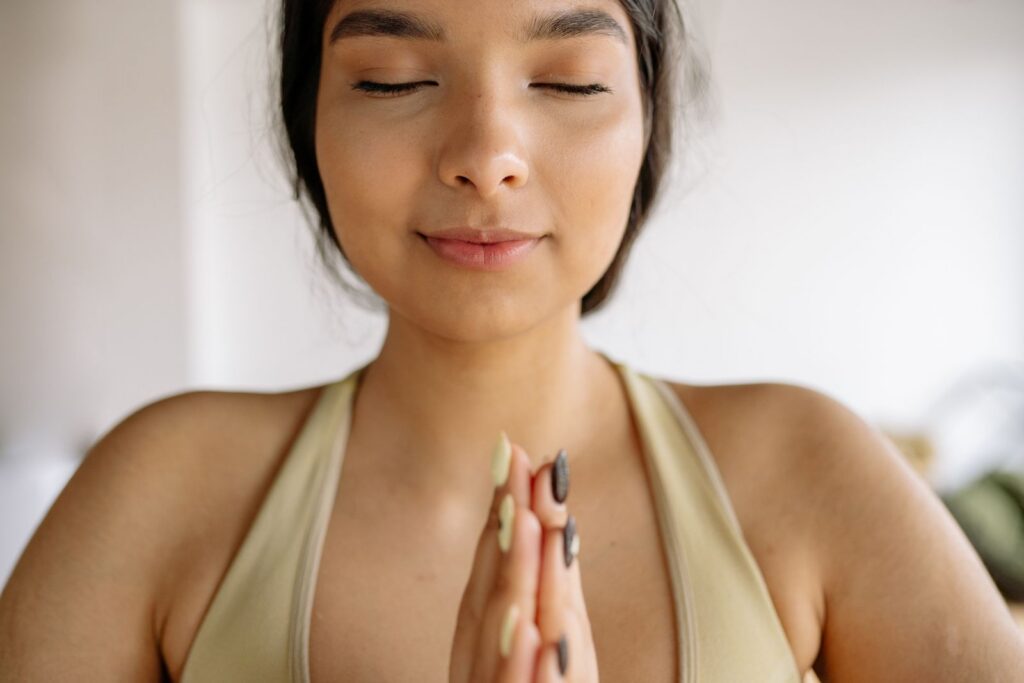
Notice what you can hear, smell, feel, or see around you.
Sensory awareness is a simple way to stay present when your thoughts start racing.
1. Remember That There Is No Such Thing as a Bad Meditation

The goal isn’t perfection.
Every time you pause, breathe, and practice awareness, you’re building a skill. Some sessions will feel easier than others, but they all count.
Read More:
- Can’t Sleep? Here’s Why You Should Get Out of Bed
- 10 Sneaky Signs Stress Is Taking a Bigger Toll Than You Realize
- 15 Health Myths Medical Experts Wish Would Finally Go Away