The 1960s didn’t just change rock music—they practically invented the modern version of it.
In a single decade, rock evolved from simple three-chord tunes into something bigger, louder, stranger, and infinitely more ambitious. Psychedelia, hard rock, folk rock, progressive rock, Southern rock, and punk all trace their roots back to bands that emerged during the 1960s.
Based on influence, innovation, cultural impact, musicianship, and lasting legacy, here are the 20 best rock bands of the 1960s.
20. MC5
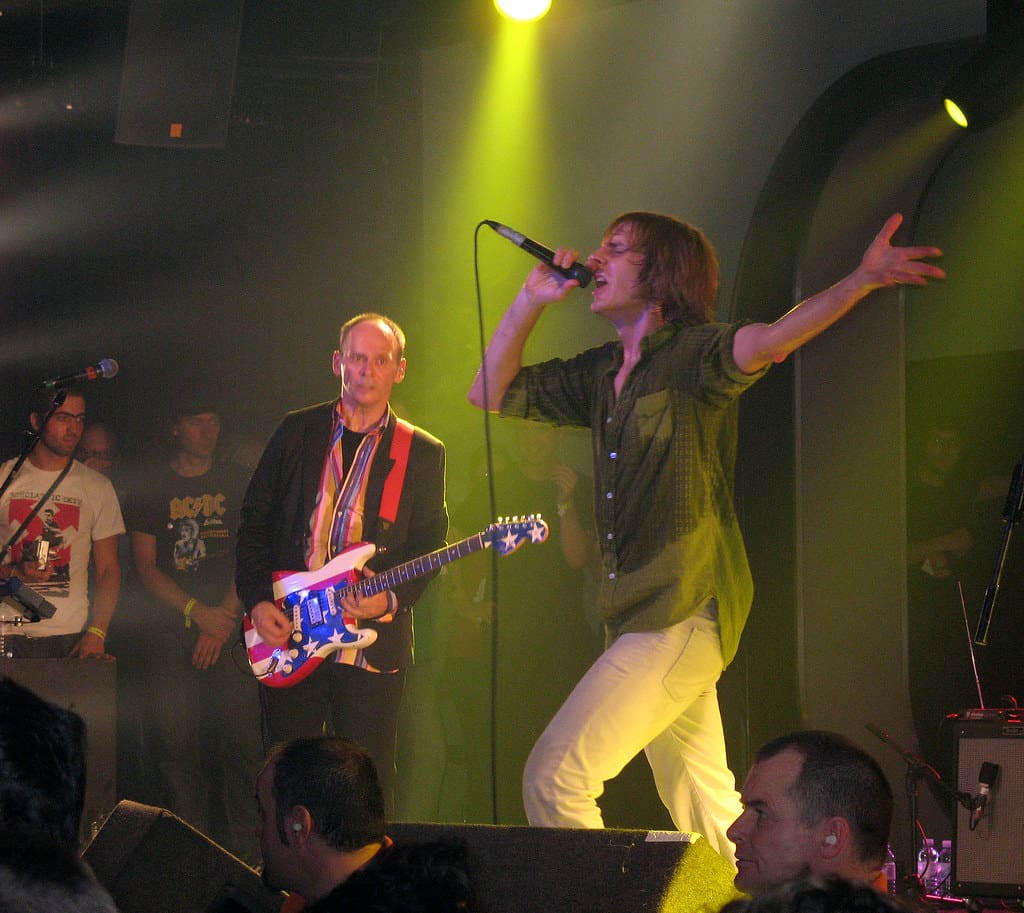
Before punk rock had a name, MC5 was already playing it.
The Detroit band’s explosive live performances and raw energy helped lay the foundation for punk, garage rock, and heavy metal. Their 1969 live album Kick Out the Jams remains one of the most influential records ever made.
19. The Stooges
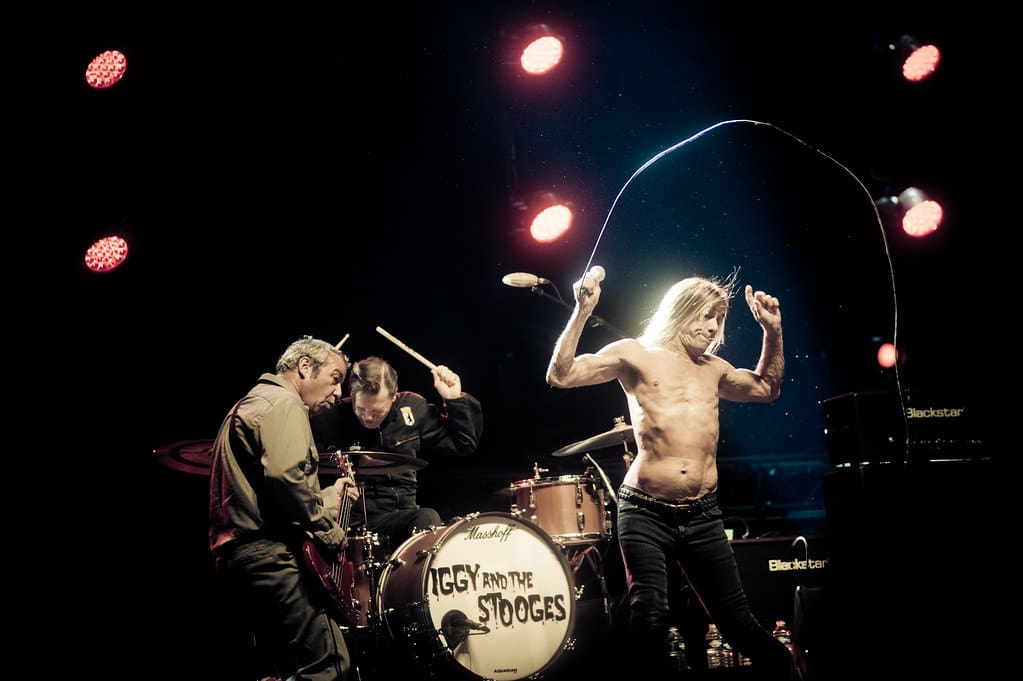
The Stooges weren’t interested in technical perfection. They wanted chaos.
Led by the endlessly unpredictable Iggy Pop, the band’s stripped-down aggression became the blueprint for punk rock. Countless bands owe them a debt.
18. Frank Zappa and The Mothers of Invention
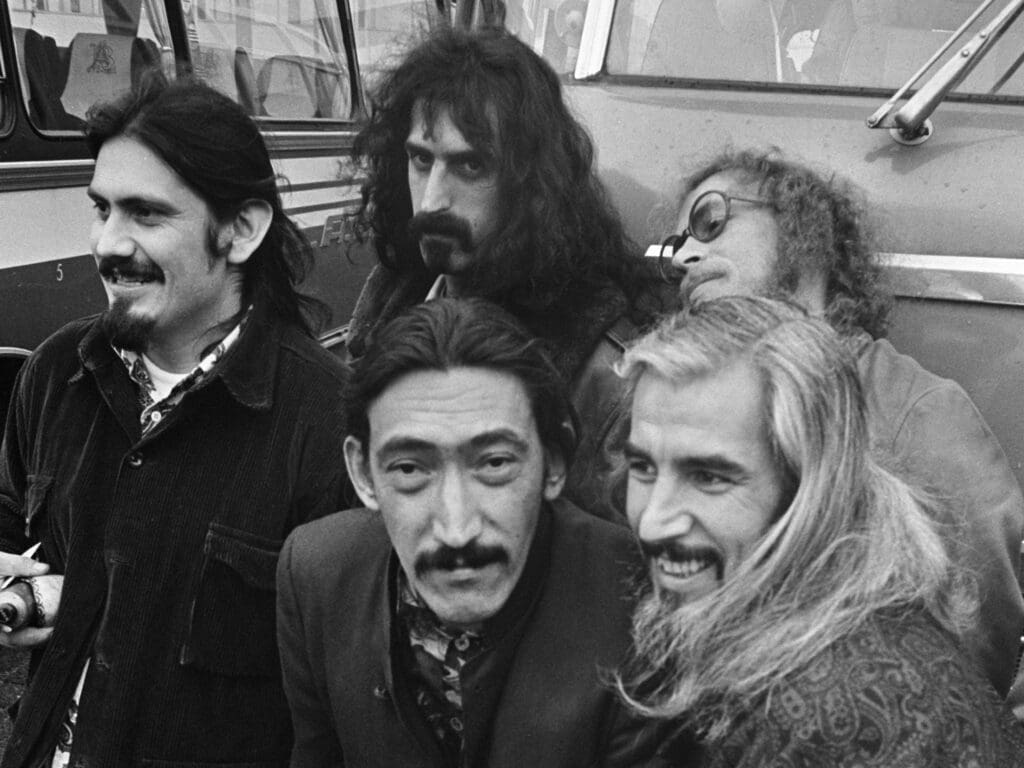
No band sounded remotely like The Mothers of Invention.
Under the leadership of Frank Zappa, they blended rock, jazz, satire, classical music, and experimental sounds into something completely unique. Sometimes brilliant, sometimes bizarre, and often both simultaneously.
17. The Guess Who
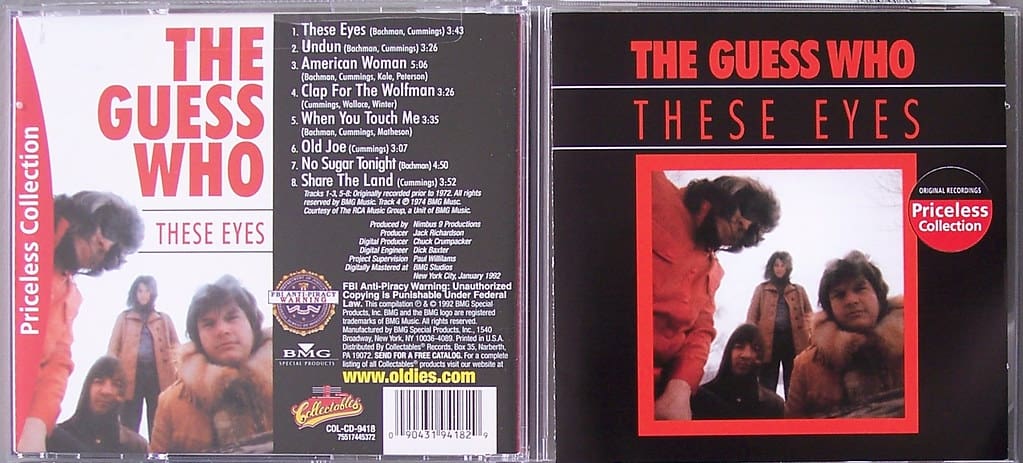
Canada’s first major rock superstars delivered a string of unforgettable hits before the 1970s even began.
Songs like “These Eyes,” “Laughing,” and “No Time” showcased the powerful songwriting partnership of Burton Cummings and Randy Bachman.
16. Steppenwolf
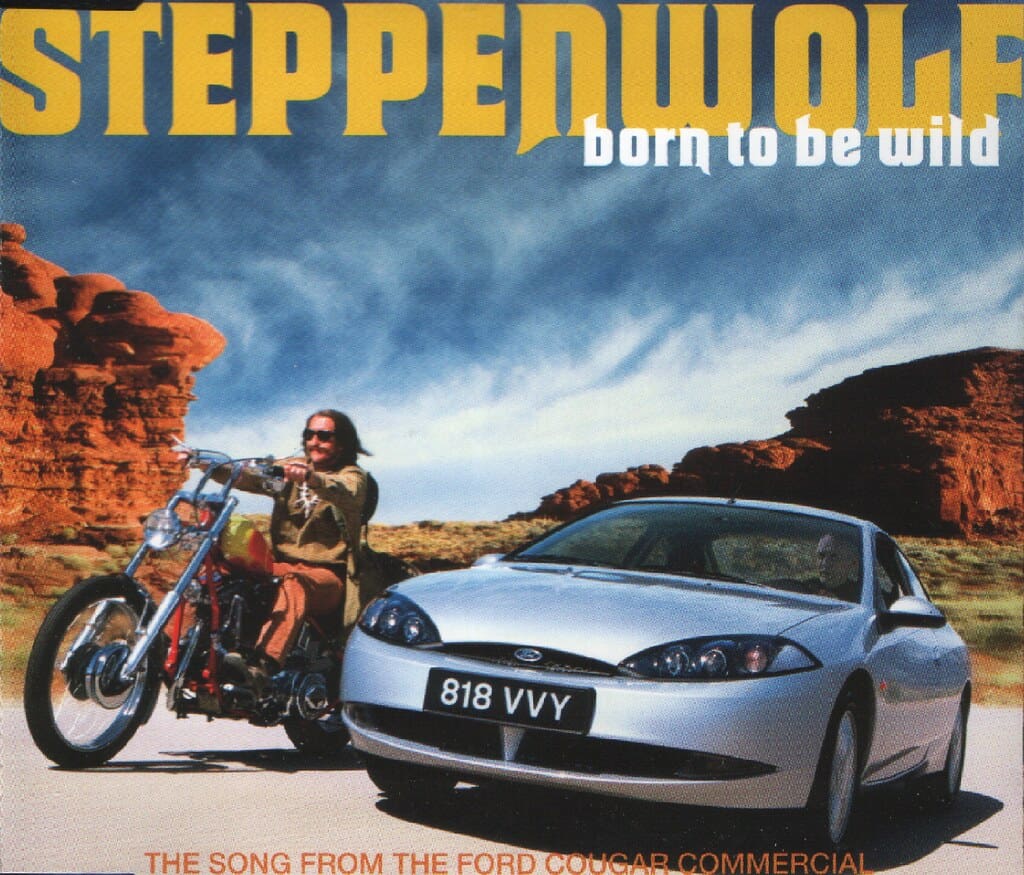
If you’ve ever heard “Born to Be Wild,” you’ve heard the phrase “heavy metal thunder.”
That’s not a coincidence.
Steppenwolf helped bridge the gap between classic rock and the heavier sounds that would dominate the next decade. Few songs scream freedom and open highways quite like “Born to Be Wild.”
15. Santana
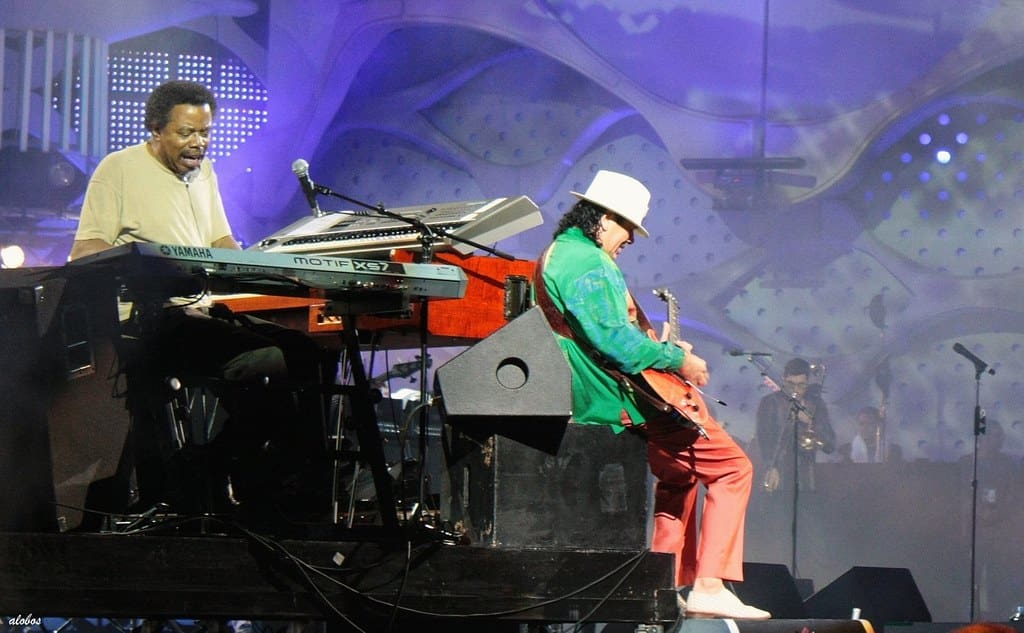
Few performances in rock history are as legendary as Santana’s appearance at Woodstock.
Led by guitar virtuoso Carlos Santana, the band fused rock, blues, jazz, and Latin influences into a sound that was entirely their own. “Evil Ways” introduced audiences to something fresh and exciting.
14. The Byrds
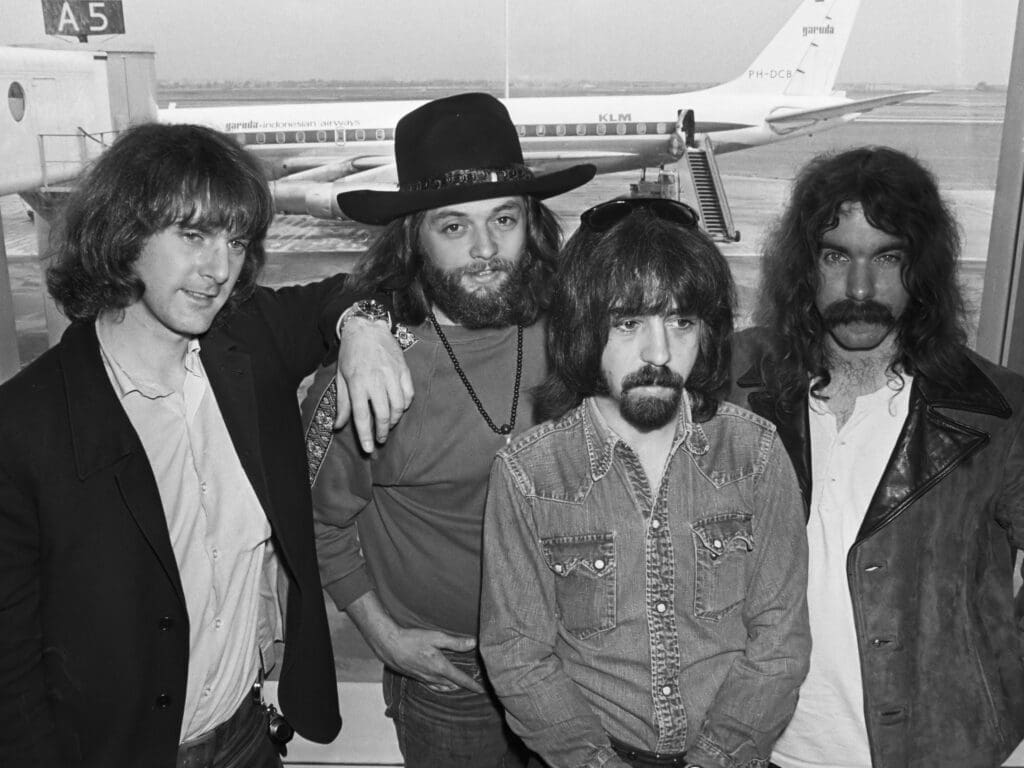
The Byrds practically invented folk rock.
By combining folk songwriting with Beatles-inspired rock arrangements and Roger McGuinn’s signature 12-string guitar sound, they helped shape both psychedelic rock and country rock. “Mr. Tambourine Man” remains a defining song of the era.
13. The Allman Brothers Band
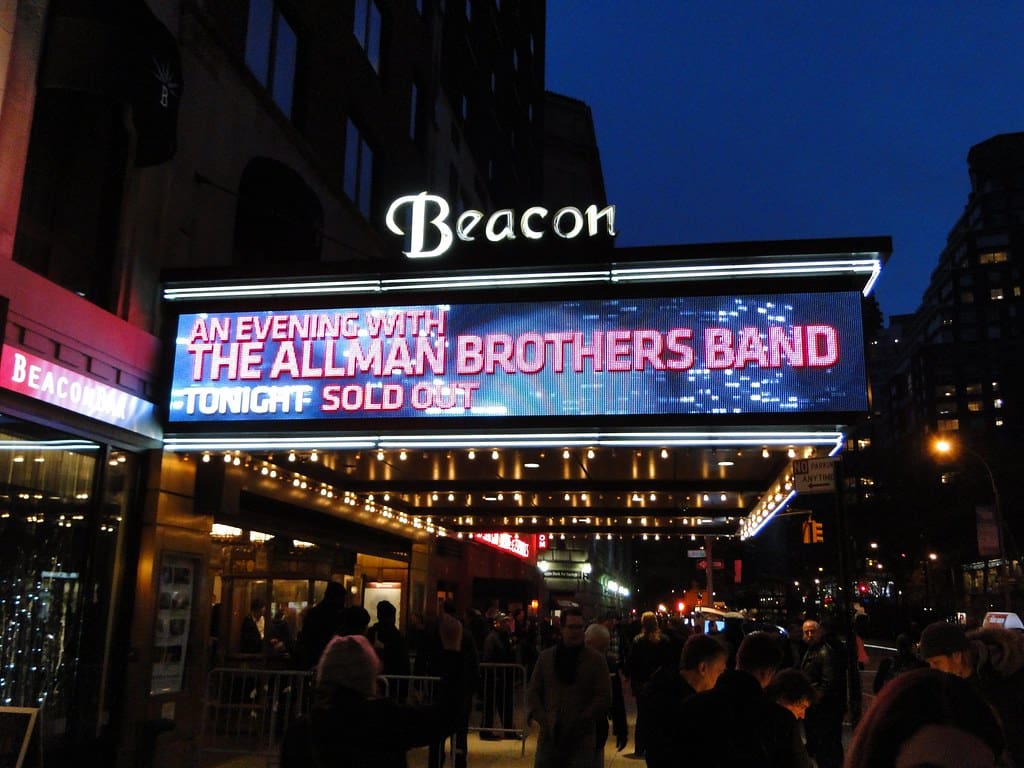
Although they formed at the very end of the decade, their influence earns them a place here.
The Allman Brothers pioneered Southern rock by blending blues, jazz, country, and extended improvisation into a style that countless bands would emulate. Their live performances quickly became legendary.
12. The Kinks
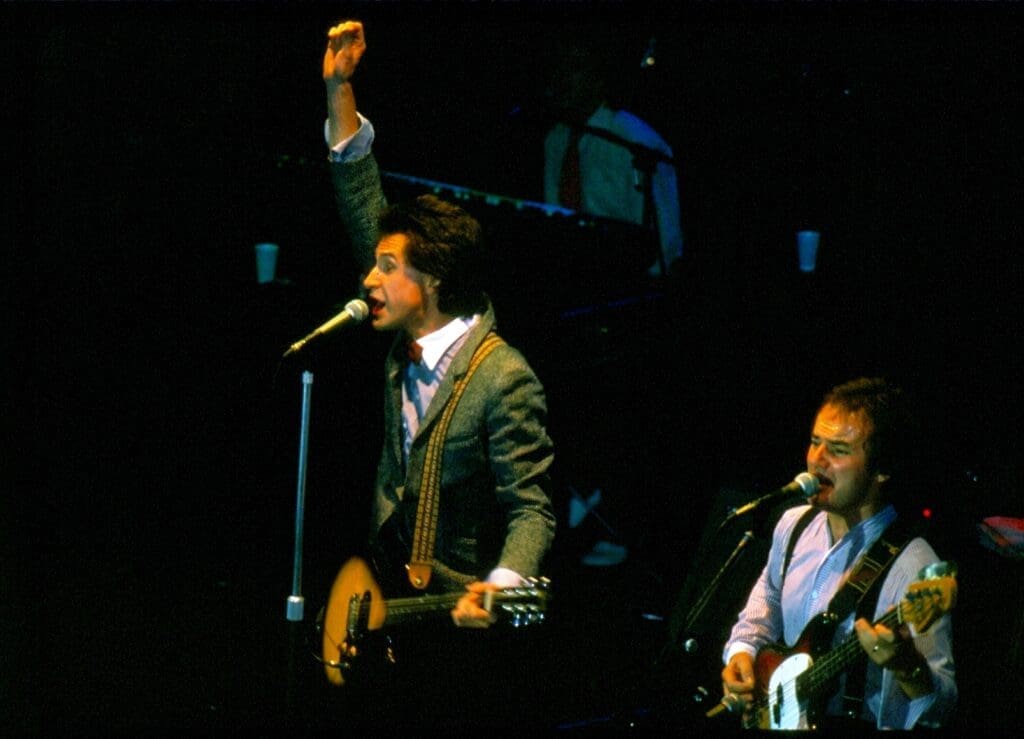
If rock music had a family tree, The Kinks would occupy several branches.
Led by brothers Ray and Dave Davies, the band produced classics like “You Really Got Me” and “All Day and All of the Night.” Their distorted guitar sound heavily influenced hard rock, punk, and metal.
11. Pink Floyd
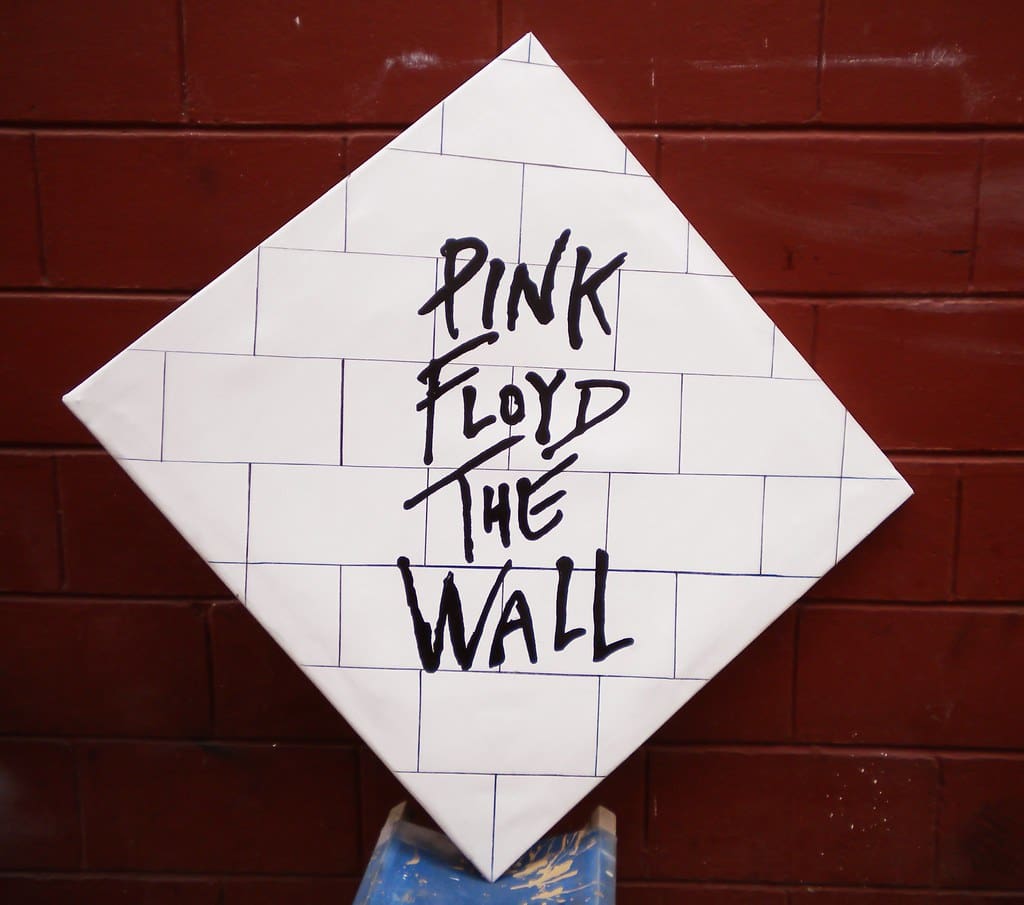
Pink Floyd transformed psychedelic rock into something far more ambitious.
Beginning with the experimental vision of Syd Barrett and later expanding under Roger Waters and David Gilmour, the band pushed the limits of what rock music could accomplish artistically.
10. The Grateful Dead
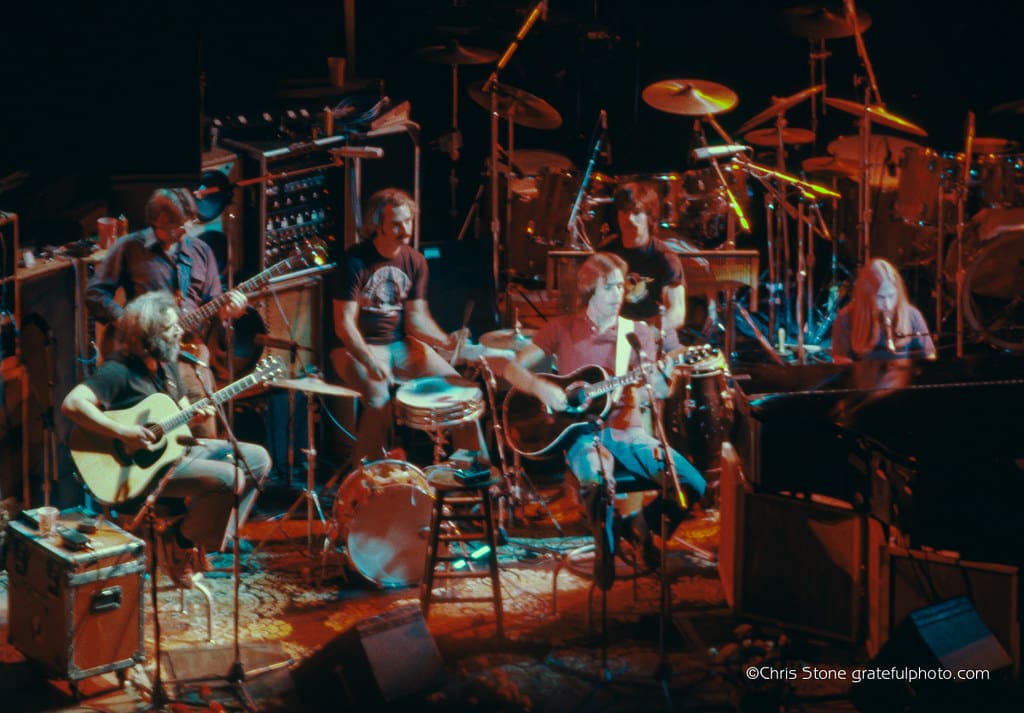
No band embodied the counterculture movement quite like The Grateful Dead.
While radio hits were never their primary focus, their improvisational live shows became legendary. Fans followed the band across the country, helping create one of music’s most devoted communities.
9. Three Dog Night
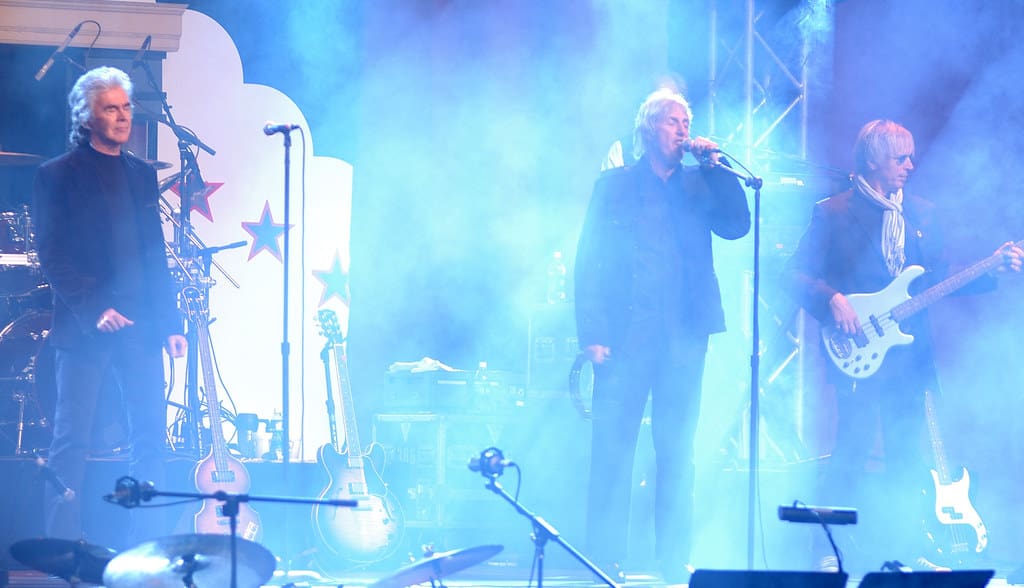
Few bands dominated late-1960s radio quite like Three Dog Night.
Their secret weapon was having three outstanding lead vocalists, allowing them to tackle a wide range of material. Hits like “One,” “Easy to Be Hard,” and “Eli’s Coming” made them chart fixtures.
8. Jefferson Airplane
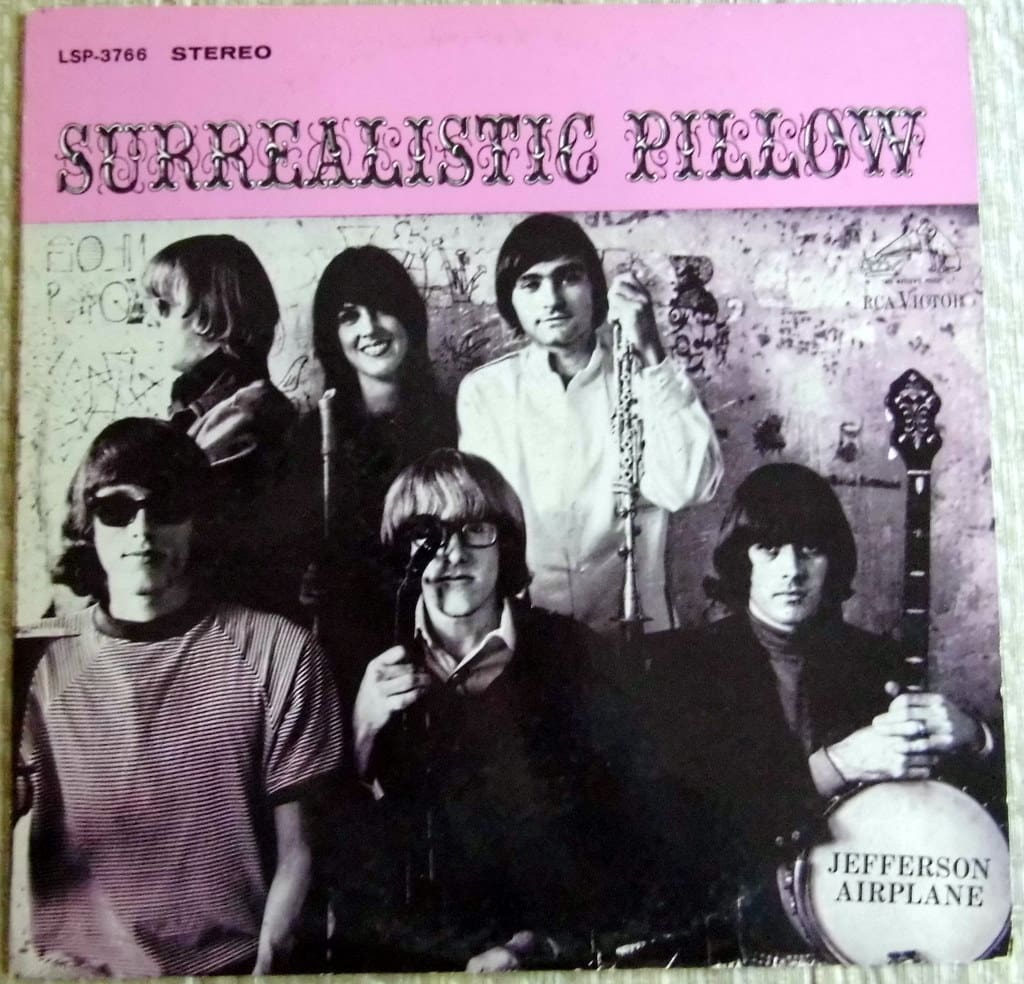
Jefferson Airplane became one of the defining voices of the San Francisco psychedelic scene.
Their breakthrough album Surrealistic Pillow introduced classics like “White Rabbit” and “Somebody to Love,” helping soundtrack the Summer of Love.
7. Cream

Cream is often called rock’s first supergroup.
With Eric Clapton, Jack Bruce, and Ginger Baker, the trio elevated blues-rock into something heavier, louder, and more technically impressive. Despite lasting only a few years, their influence was enormous.
6. The Doors
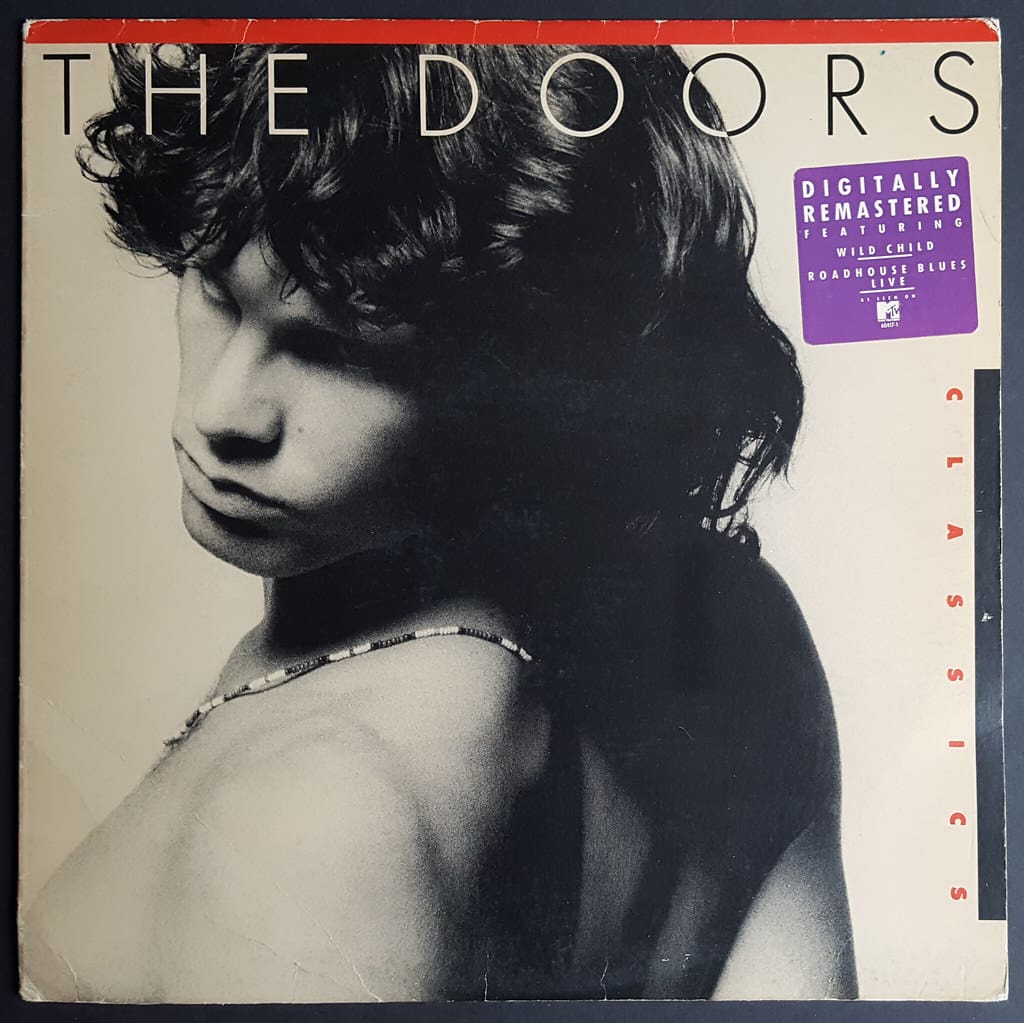
The Doors sounded unlike anyone else.
Frontman Jim Morrison brought poetry, danger, and charisma, while the band mixed blues, psychedelia, jazz, and rock into unforgettable songs like “Light My Fire,” “Break On Through,” and “Riders on the Storm.”
5. The Jimi Hendrix Experience
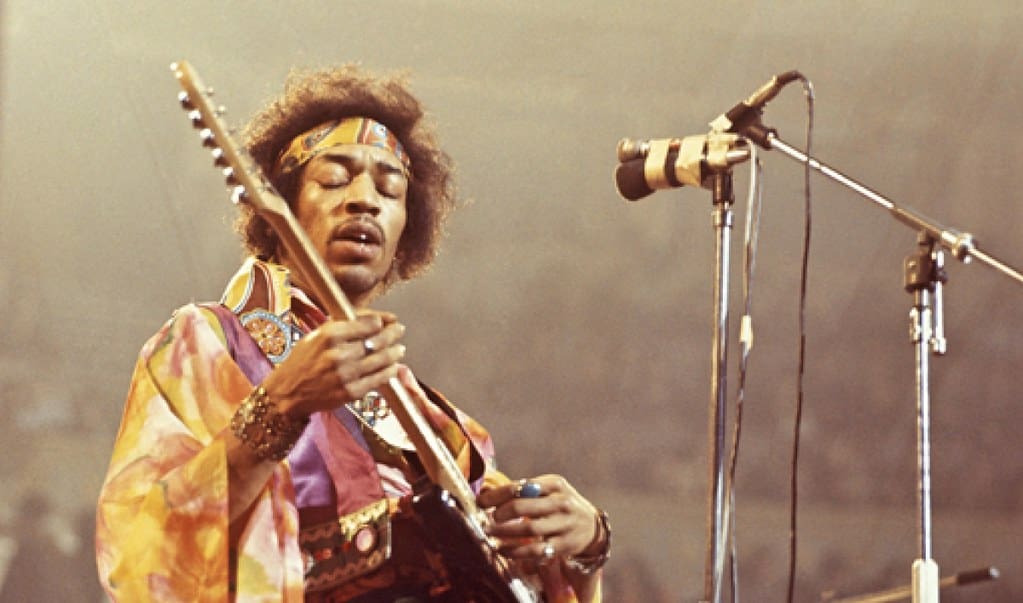
There was guitar playing before Jimi Hendrix.
And then there was guitar playing after Jimi Hendrix.
His innovative use of feedback, distortion, effects pedals, and studio techniques permanently changed the instrument’s possibilities. More than half a century later, guitarists are still trying to catch up.
4. Led Zeppelin
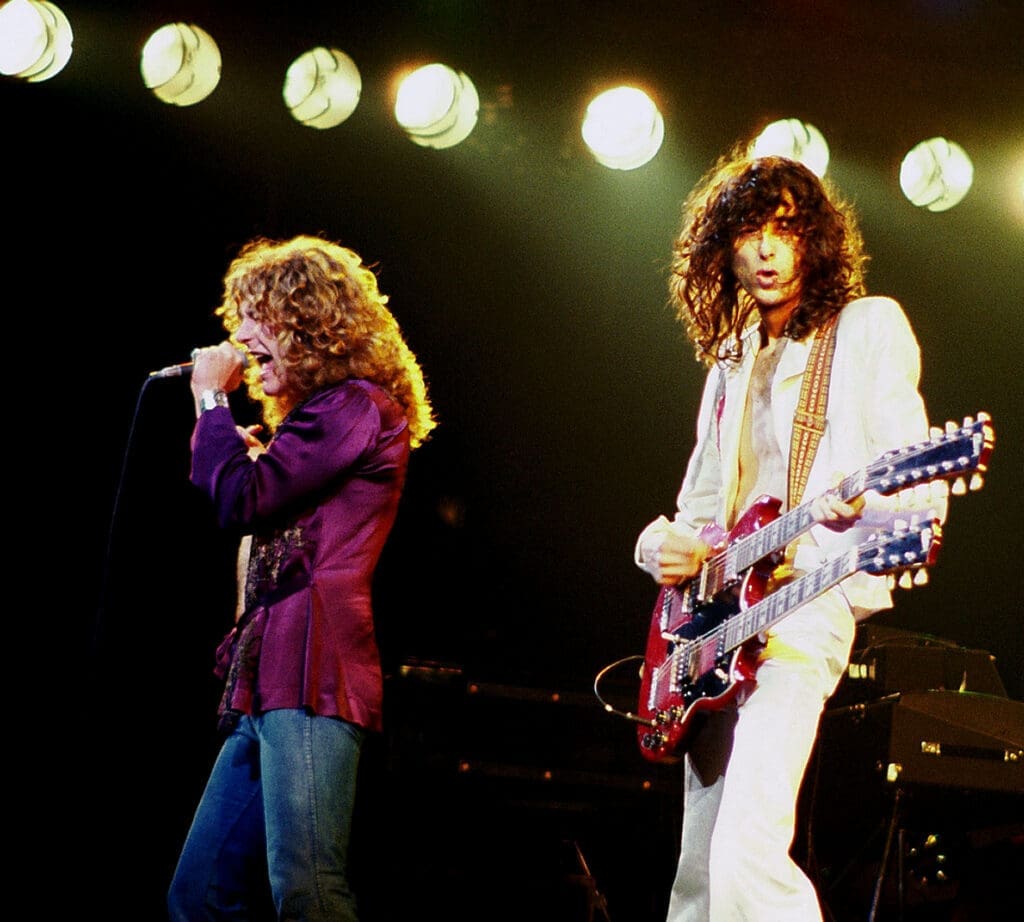
Led Zeppelin formed in 1968 and helped launch hard rock into the stratosphere.
By blending blues, folk, psychedelia, and sheer power, the band created a sound that influenced generations of rock and metal musicians. Songs like “Whole Lotta Love” hinted at where rock music would go in the 1970s.
3. The Who
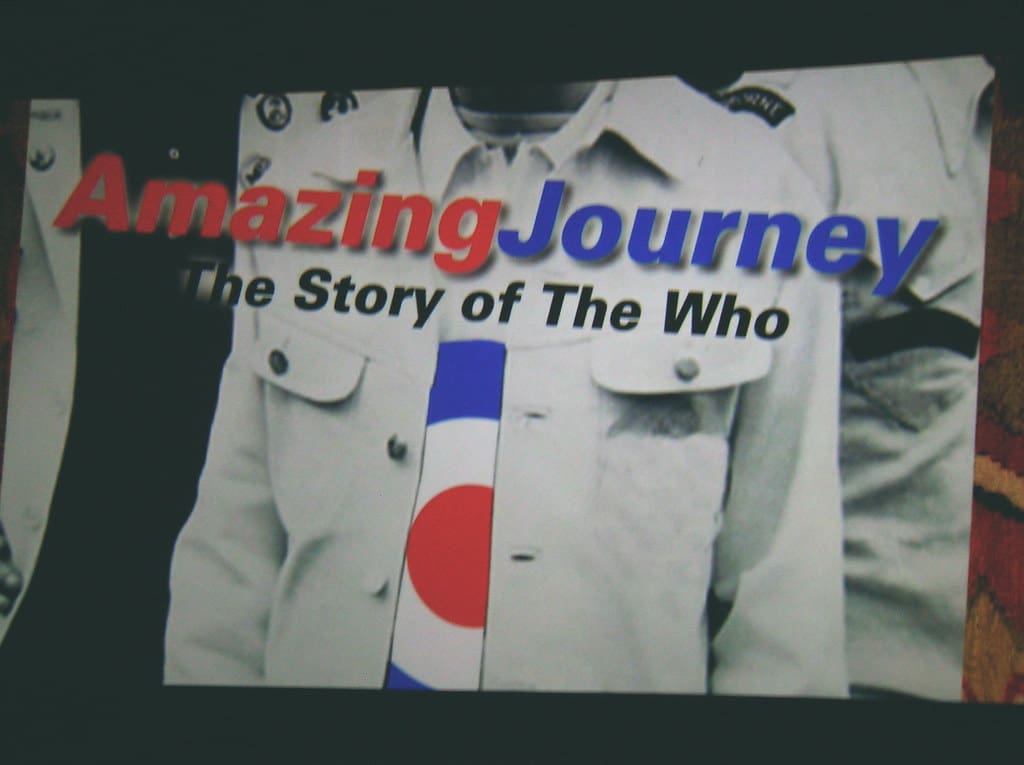
The Who brought unmatched energy and ambition to rock music.
Pete Townshend’s songwriting, Roger Daltrey’s vocals, John Entwistle’s bass playing, and Keith Moon’s controlled chaos behind the drums created one of the greatest bands ever assembled. Their rock opera Tommy helped expand the artistic possibilities of the genre.
2. Creedence Clearwater Revival
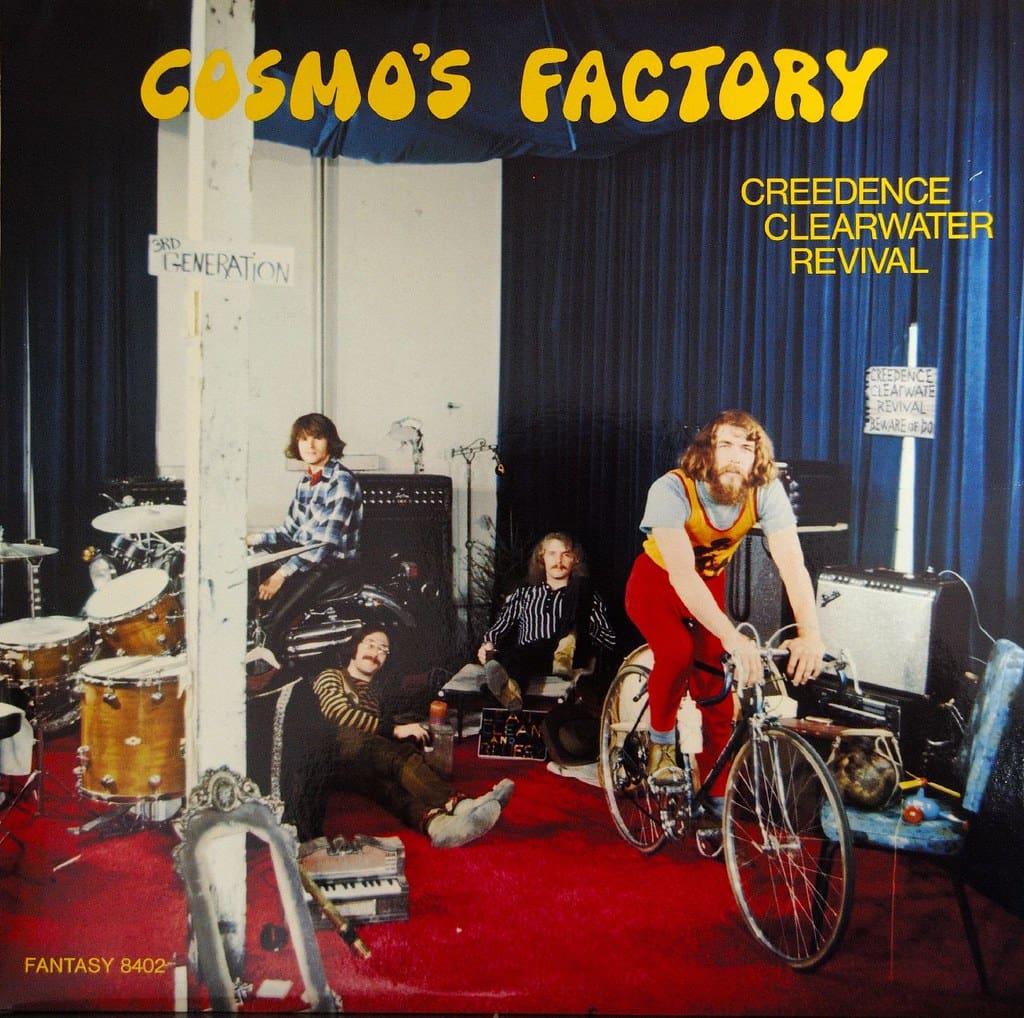
No band had a hotter streak at the end of the decade than Creedence Clearwater Revival.
Between 1968 and 1970, CCR released an astonishing run of hits including “Bad Moon Rising,” “Proud Mary,” “Fortunate Son,” and “Down on the Corner.” Their rootsy sound remains instantly recognizable.
1. The Rolling Stones
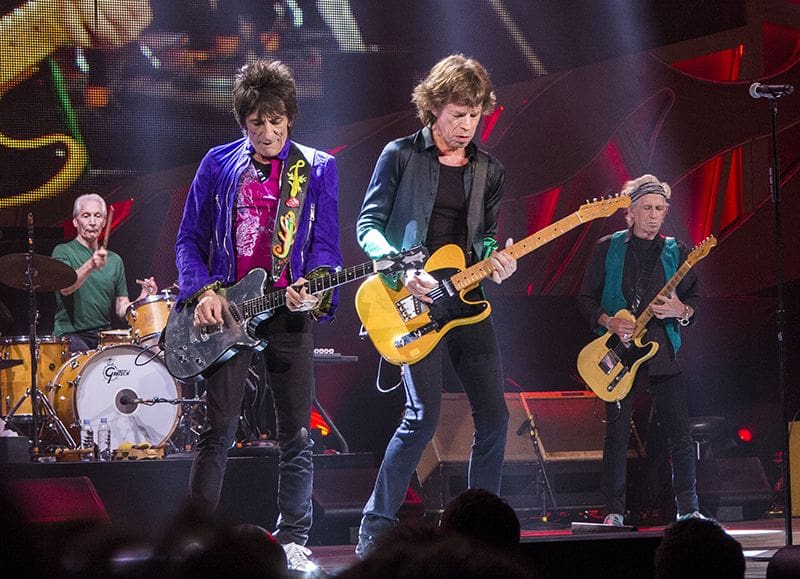
If The Beatles represented the polished side of the British Invasion, The Rolling Stones were the dangerous side.
Led by Mick Jagger and Keith Richards, the band combined blues, rock, swagger, and rebellion into a formula that has endured for more than six decades. Songs like “Paint It Black,” “Gimme Shelter,” “Jumpin’ Jack Flash,” and “(I Can’t Get No) Satisfaction” helped define an era.
They weren’t just one of the best bands of the 1960s. They’re one of the greatest bands in music history.
The 1960s produced an incredible concentration of talent that may never be matched again. These bands didn’t simply create great songs—they transformed popular music and shaped nearly every rock genre that followed.
Read More:
- The 20 Greatest Rock Bands of the ’70s That Still Rule the Airwaves
- The 20 Best Rock Bands of the 1990s, Ranked
- The 20 Greatest Guitarists Ever, Ranked