
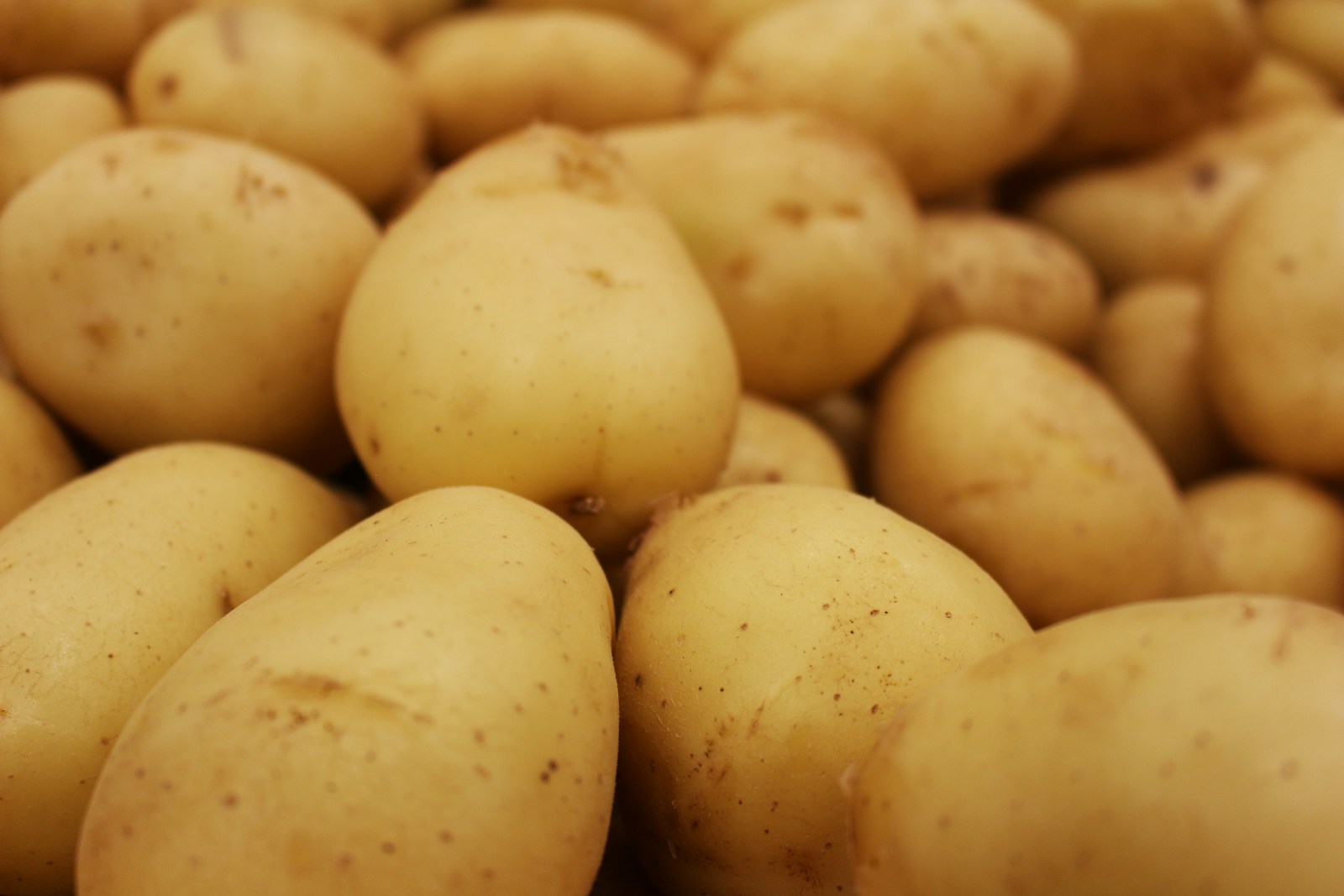
Carbohydrates often find themselves at the center of the weight management debate. While some types can contribute to weight gain, others are essential for a balanced diet. A recent Harvard study sheds light on which carbs are beneficial and which ones to avoid for better weight control.
The study followed over 136,000 participants for up to 28 years, analyzing their carbohydrate consumption and weight changes. Here are 9 key takeaways from the study that can guide your dietary choices.
9. Best: Nonstarchy Vegetables
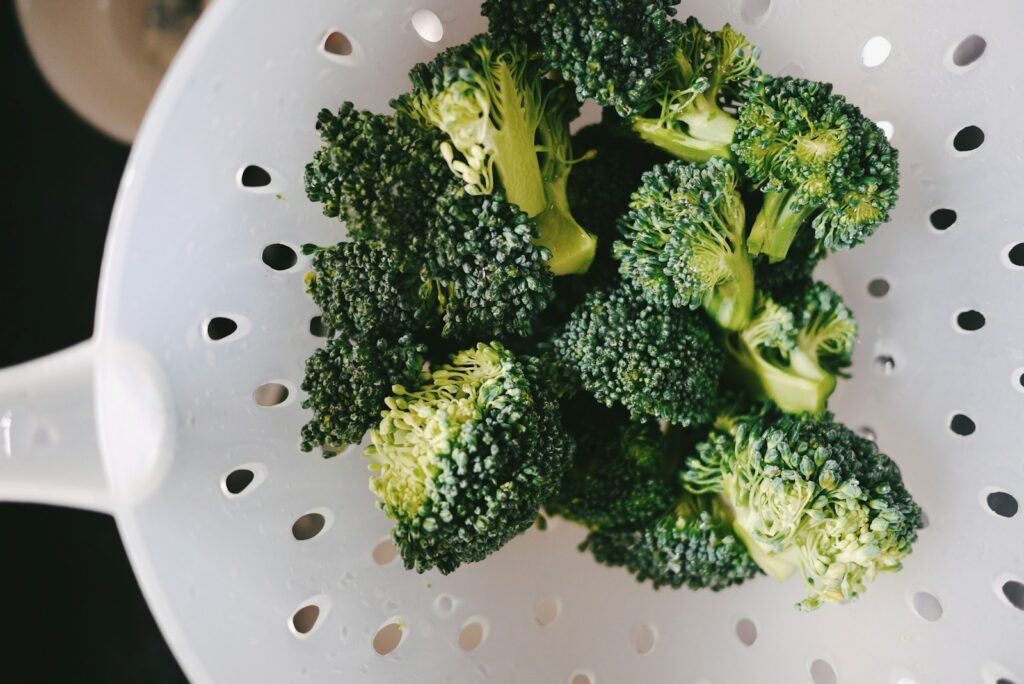
Nonstarchy vegetables are a powerhouse of nutrients.
They are low in calories and high in essential vitamins and minerals, making them ideal for weight management. Eating 100 grams daily can lead to significantly less weight gain over time.
8. Best: Fiber-Rich Foods
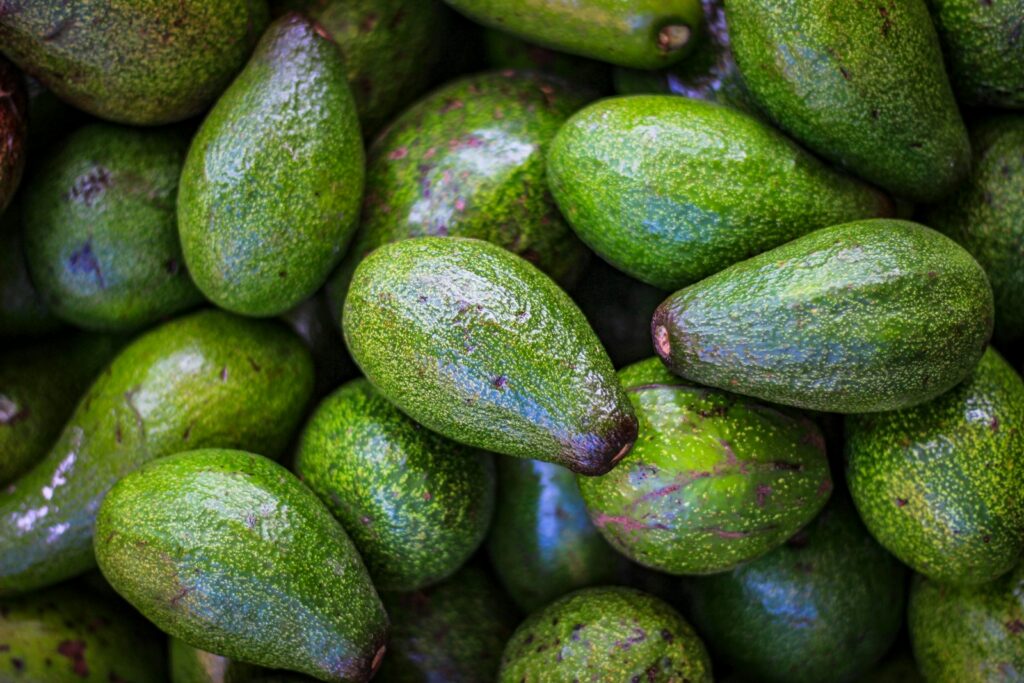
Fiber is your friend when it comes to maintaining a healthy weight.
Increasing your daily fiber intake by 10 grams can help reduce weight gain. Fiber helps you feel full longer, which can prevent overeating.
7. Best: Whole Grains
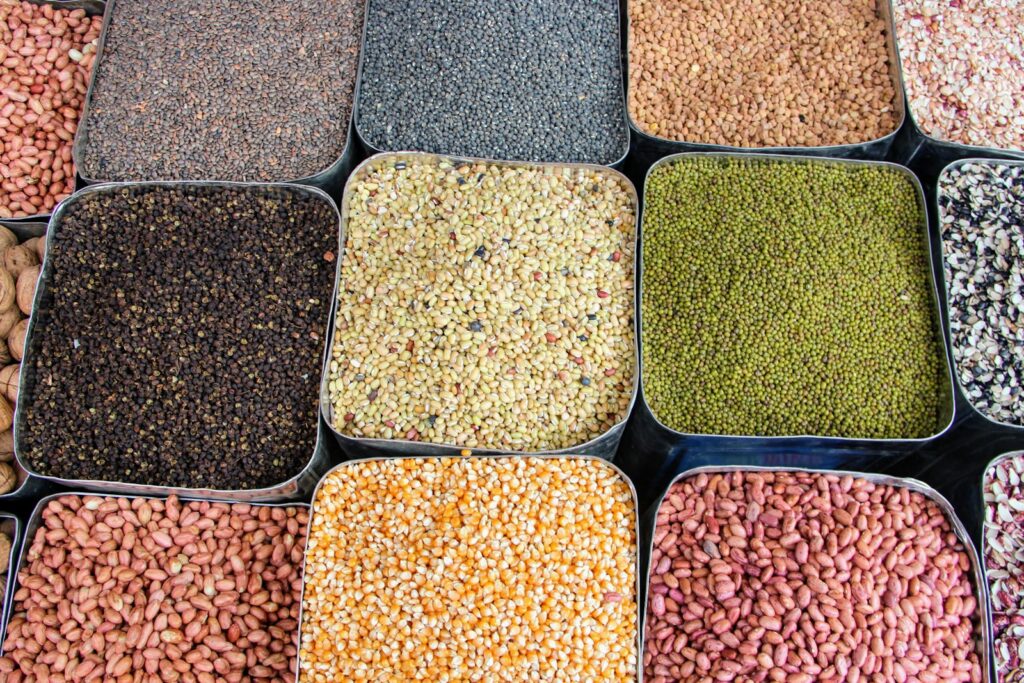
Whole grains are a better choice compared to refined grains.
They are higher in fiber and nutrients, which can help control weight gain. Incorporating whole grains into your diet supports a holistic approach to healthy eating.
6. Worst: Added Sugars

High consumption of added sugars is linked to weight gain.
These sugars are often found in processed foods and beverages, contributing to higher calorie intake without nutritional benefits. Limiting added sugars can aid in weight management.
5. Depends: Starchy Vegetables
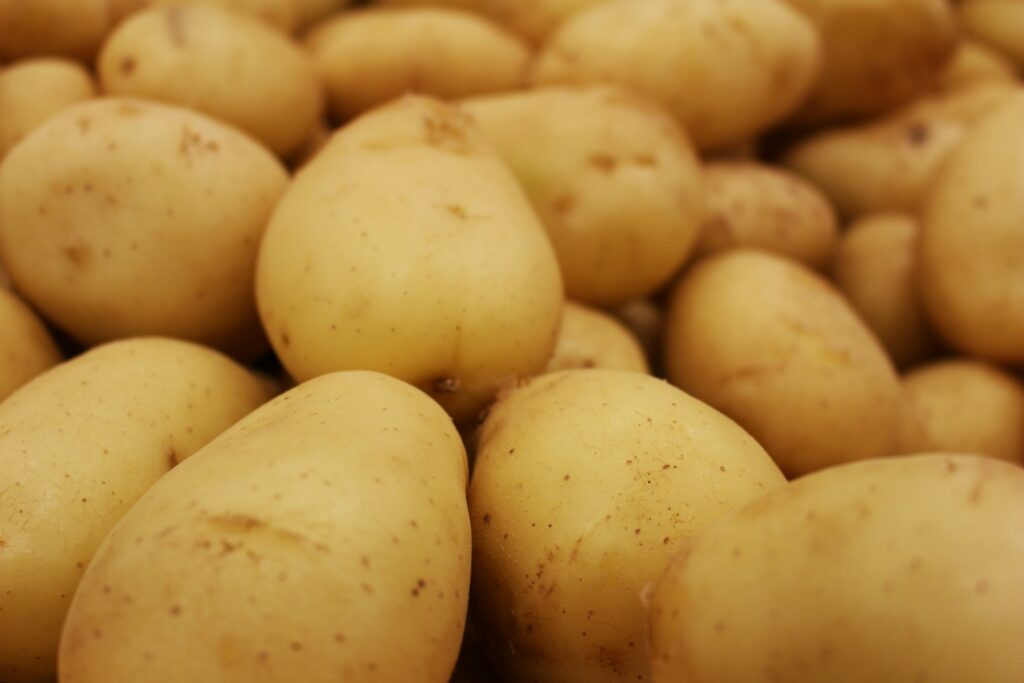
Starchy vegetables like potatoes can be part of a healthy diet.
While they are nutritious, it’s important to be mindful of how they are prepared. Opt for boiled or baked versions instead of fried to avoid excess calorie intake.
4. Worst: Refined Grains
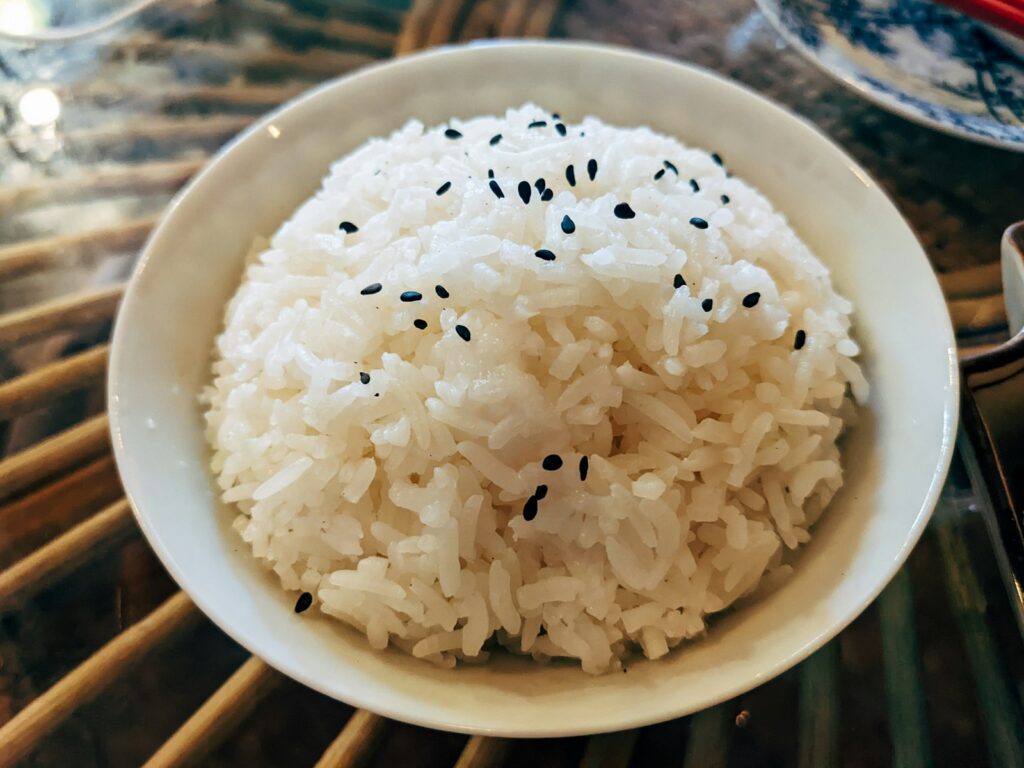
Refined grains lack the fiber and nutrients found in whole grains.
They can contribute to weight gain due to their higher glycemic index. Replacing refined grains with whole grains can help manage weight more effectively.
3. Worst: Processed Foods
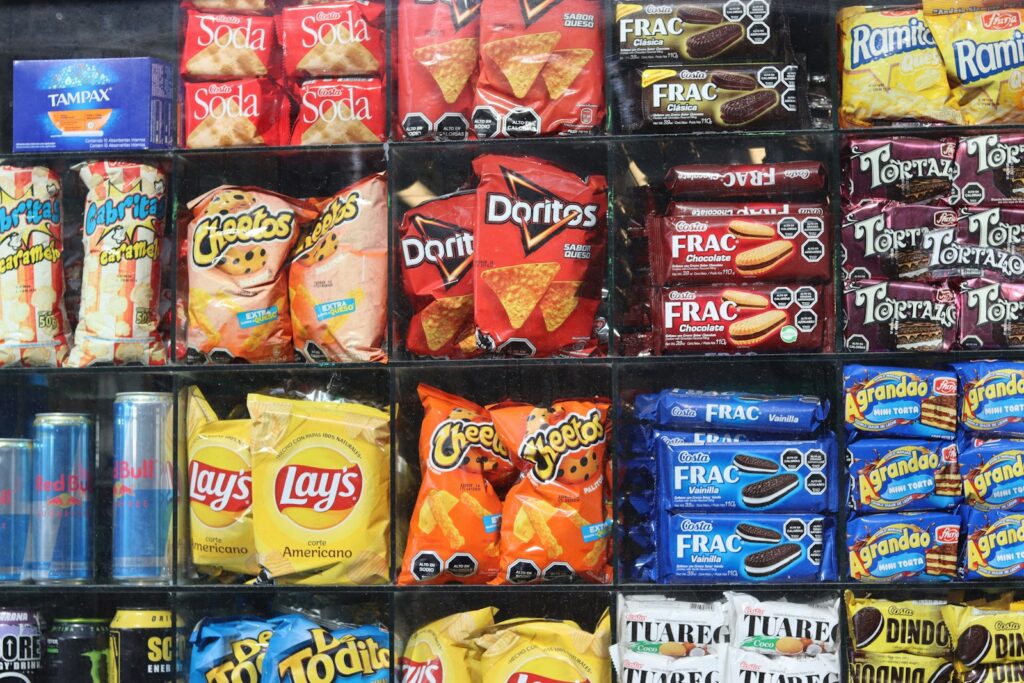
Foods high in added sugars and refined grains are often processed.
These foods can lead to quick spikes in blood sugar and contribute to weight gain. Choosing fresh, whole foods is a healthier alternative.
2. Worst: Sugar-Sweetened Beverages

Sugar-sweetened beverages are a major source of empty calories.
They provide little nutritional value and can significantly contribute to weight gain. Replacing these with water or unsweetened drinks can support weight control.
1. A Balanced Approach
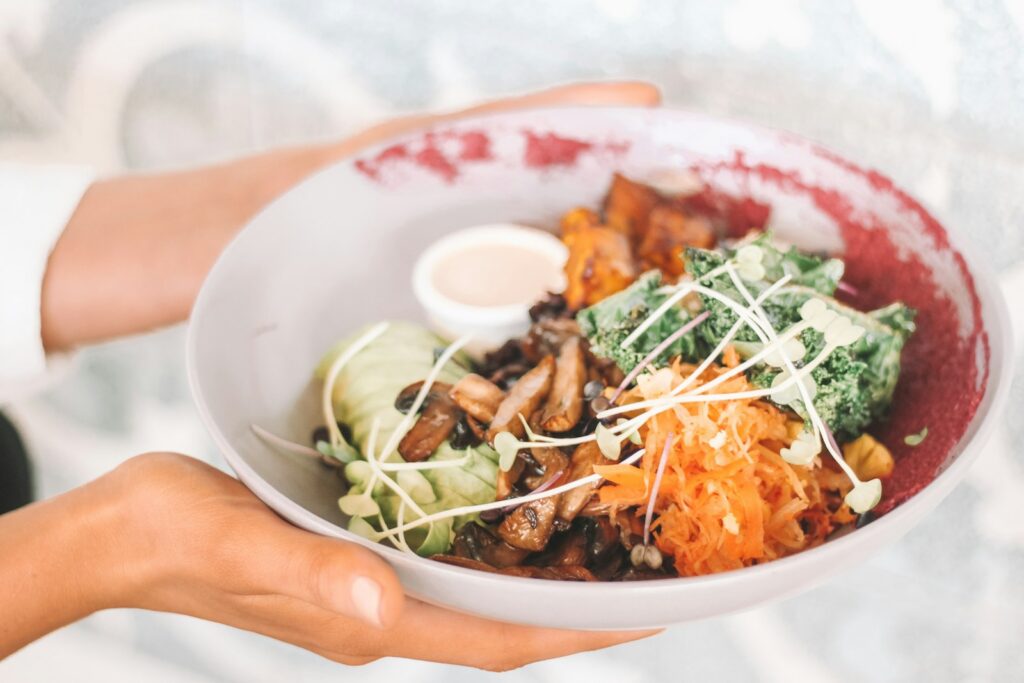
The key to weight management lies in balance.
Incorporating a variety of nutrient-dense foods, including the right types of carbohydrates, while maintaining a holistic lifestyle approach, is essential for long-term health and weight control.
Read More:
- 10 Common Foods That May Help Reduce Inflammation
- 12 Best Protein Powders for 2026: Tested and Reviewed
- Think Keto Is Restrictive? These 10 Foods Say Otherwise