
Stargazing is experiencing a renaissance as more people turn their eyes to the heavens, seeking the brilliance of the night sky away from the glow of urban lights. With roughly 80% of North Americans living under light-polluted skies, finding the perfect spot for celestial viewing can be a challenge. Fortunately, a recent study has pinpointed the best U.S. states for stargazing by evaluating factors like cloud cover and light pollution.
These states offer the clearest views and the most breathtaking cosmic displays. Here are the top 10 states where you can enjoy the stars in all their glory.
10. Oregon
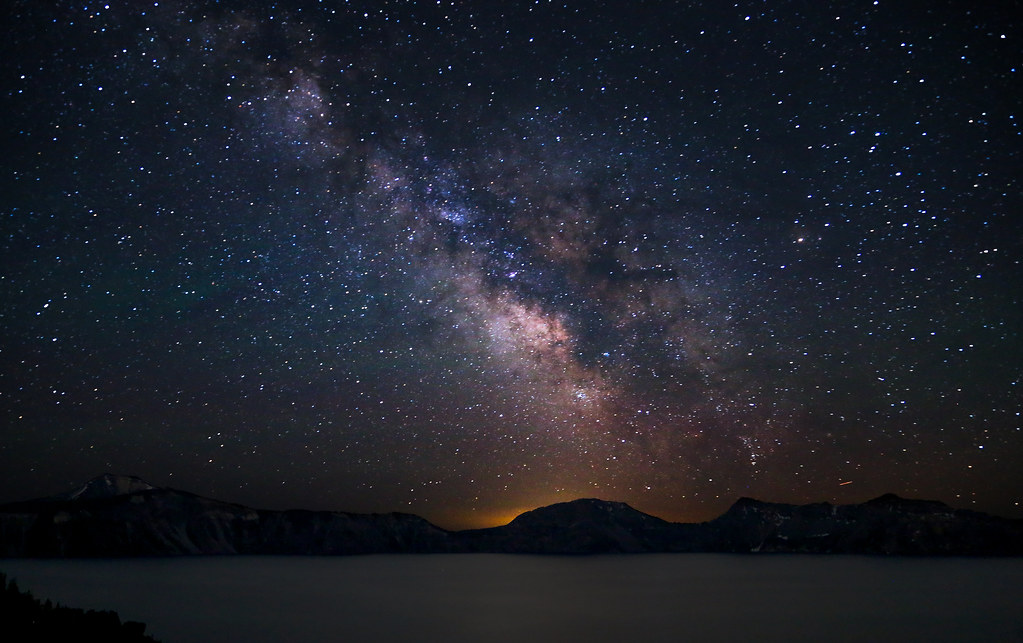
Oregon rounds out the list with its vast natural landscapes offering excellent stargazing opportunities.
Despite its higher average cloud cover of 12.31%, the state still provides a respectable star visibility score of 6.97. Its remote areas, far from city lights, allow for clear night skies.
9. Nebraska
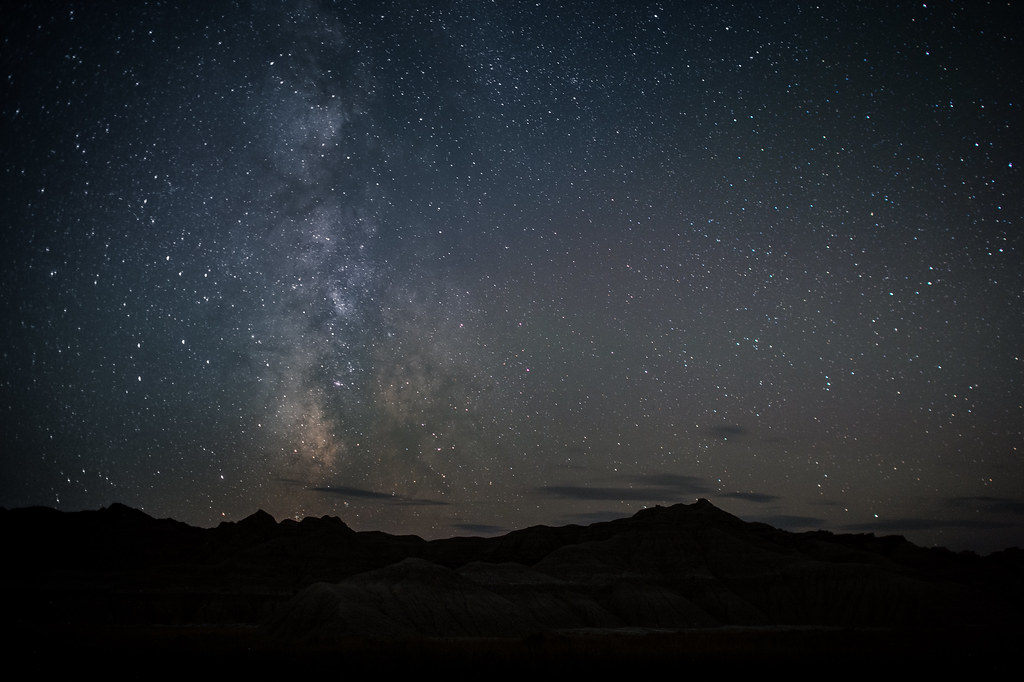
Nebraska is a hidden gem for stargazers, offering vast plains that provide unobstructed views of the sky.
With an average cloud cover of 11.81% and a star visibility score of 7.10, Nebraska’s open spaces are ideal for those seeking a serene stargazing experience.
8. New Mexico
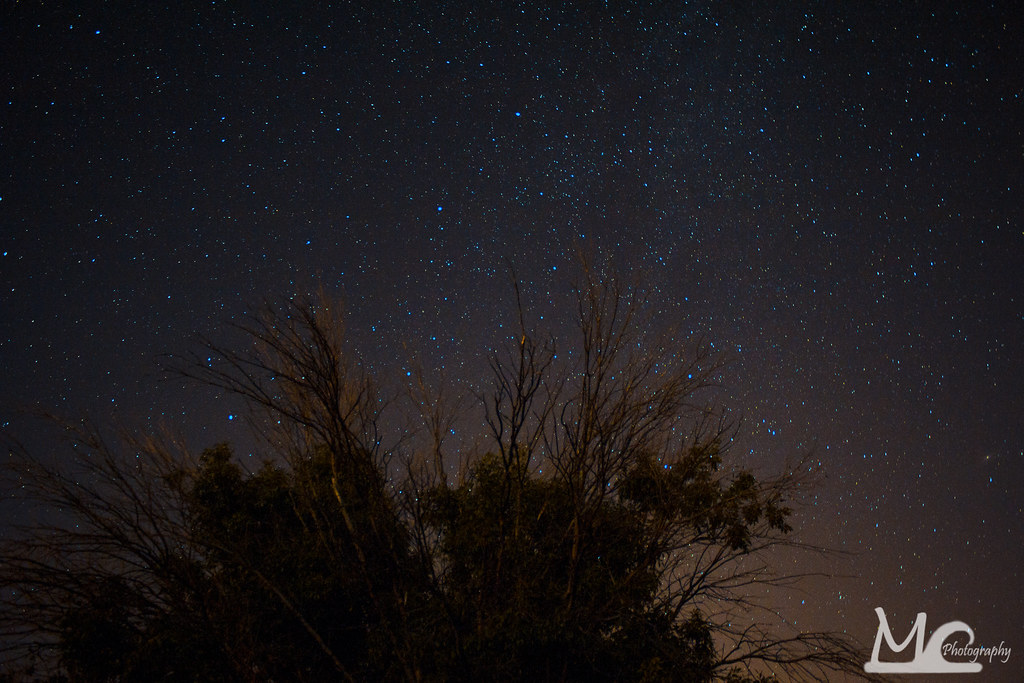
New Mexico’s dry climate and minimal light pollution make it a prime location for star enthusiasts.
The state boasts a low average cloud cover of 7.87%, contributing to its impressive star visibility score of 7.10, making it a favorite among astronomers.
7. North Dakota
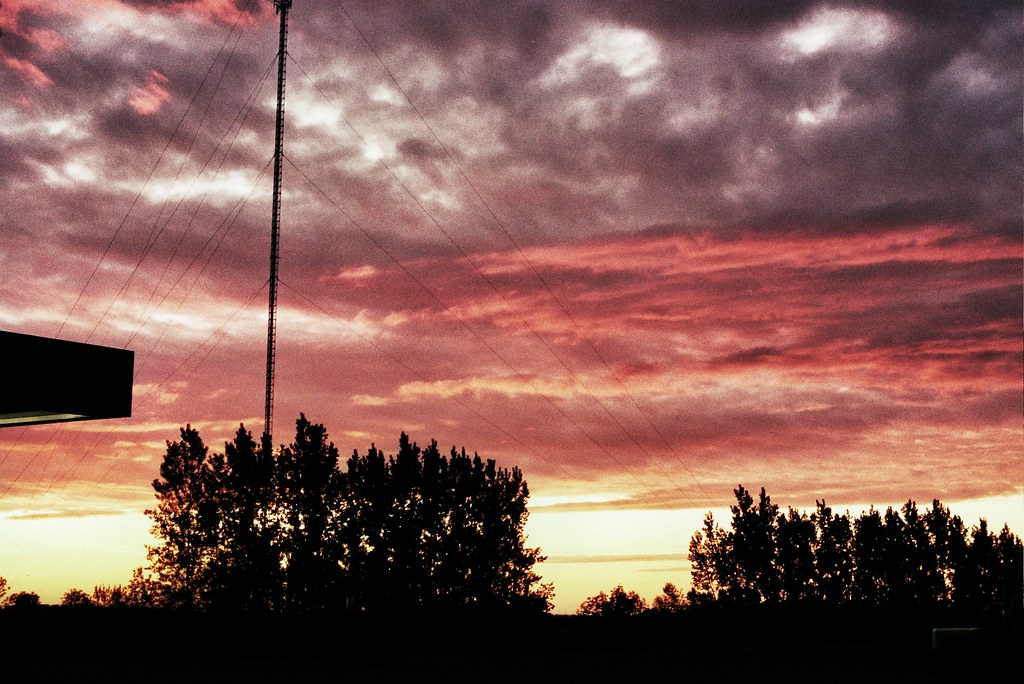
North Dakota offers expansive skies and minimal light interference, perfect for stargazing.
With a star visibility score of 7.27 and a cloud cover of 12.4%, it provides ample opportunities to witness the night sky’s wonders.
6. Nevada
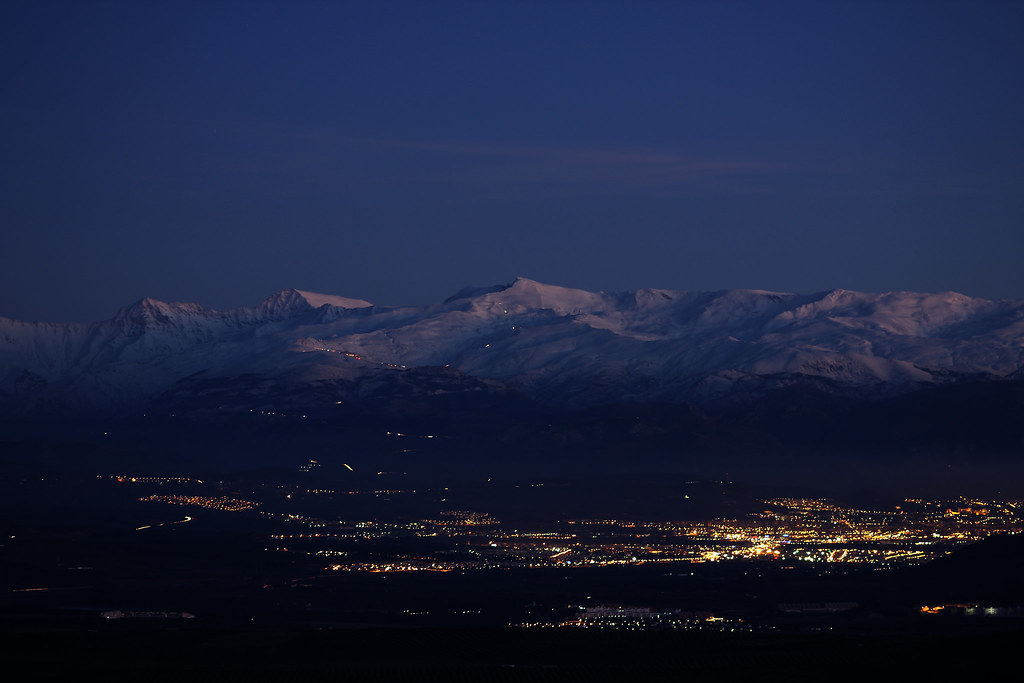
Nevada’s desert landscapes provide some of the darkest skies in the country.
With an average cloud cover of 8.95% and a star visibility score of 7.34, stargazers can enjoy clear and stunning views of the cosmos.
5. Arizona
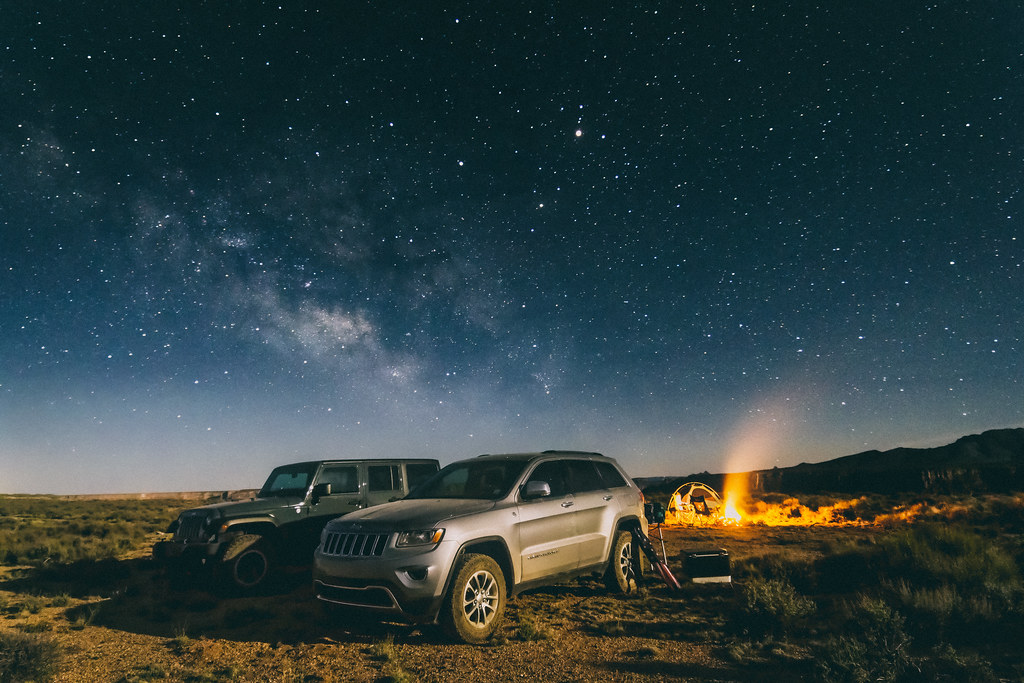
Arizona is renowned for its clear skies, making it a top destination for stargazers.
Boasting the nation’s lowest average cloud cover at 6.7%, Arizona’s star visibility score of 7.37 ensures breathtaking celestial shows.
4. Montana
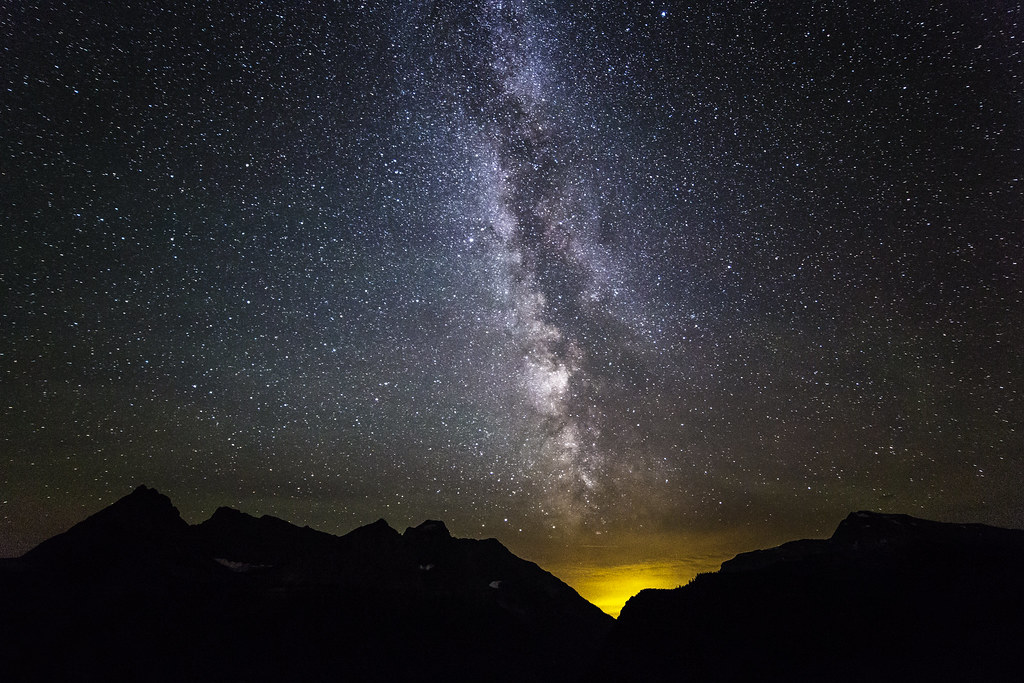
Montana’s vast open plains provide an ideal setting for observing the night sky.
With a star visibility score of 7.51 and average cloud cover of 12.3%, the state offers clear and expansive views perfect for stargazing.
3. Alaska
Alaska is not only famous for its northern lights but also for its clear views of the starry sky.
With a star visibility score of 7.64 and a cloud cover of 11.3%, it offers some of the best conditions for stargazing, particularly during the long, dark winters.
2. Wyoming
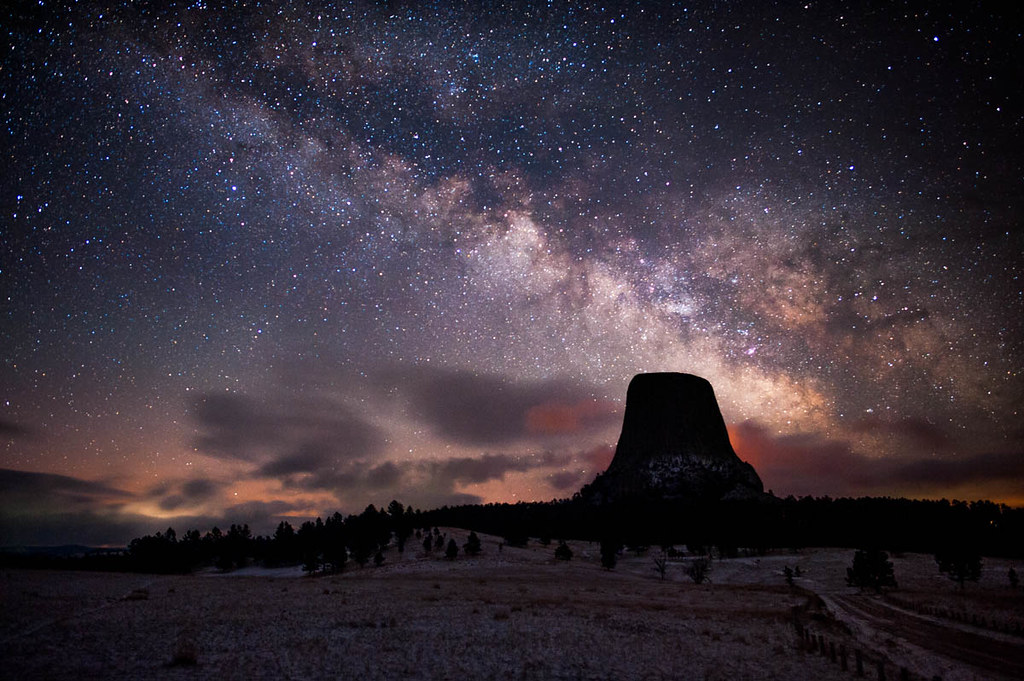
Wyoming’s commitment to preserving dark skies makes it a premier destination for stargazers.
With a star visibility score of 7.65 and an average cloud cover of 11.4%, its remote locations offer pristine views of the night sky.
1. South Dakota
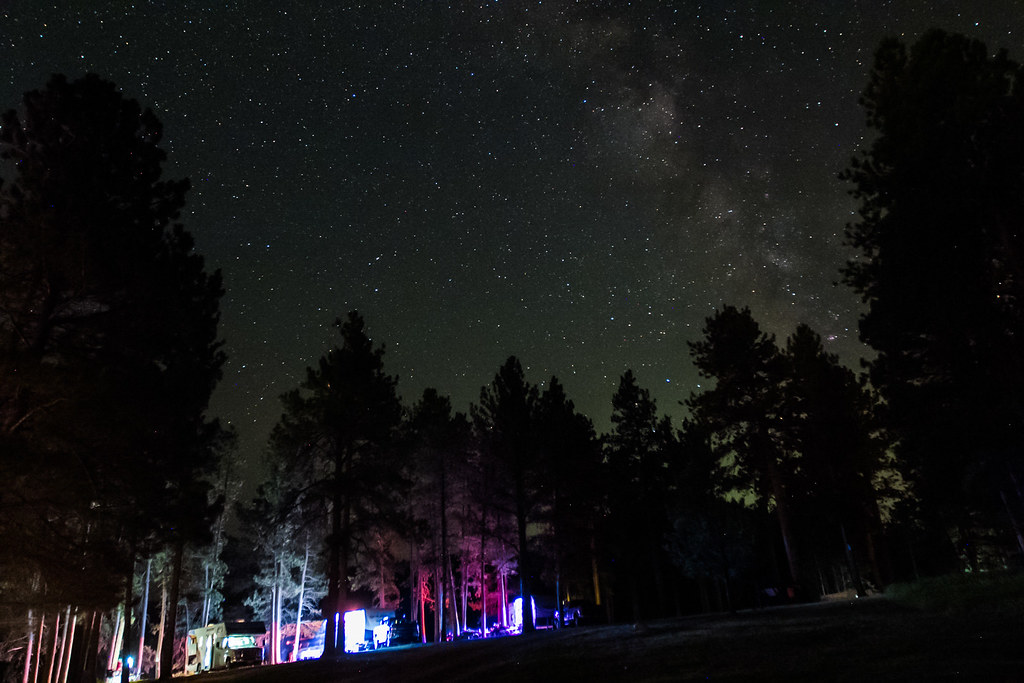
South Dakota stands out as the best state for stargazing, offering unparalleled views of the cosmos.
With a star visibility score of 7.79 and an average cloud cover of 11.65%, it provides the clearest and most stunning night skies in the nation. Its low light pollution levels make it a stargazer’s paradise.
Read More:
- Want Cleaner Air? These 10 American Cities Lead the Way
- Hidden Gems to Visit in Every U.S. State
- 10 Easy Eco-Friendly Travel Tips That Actually Make a Difference