
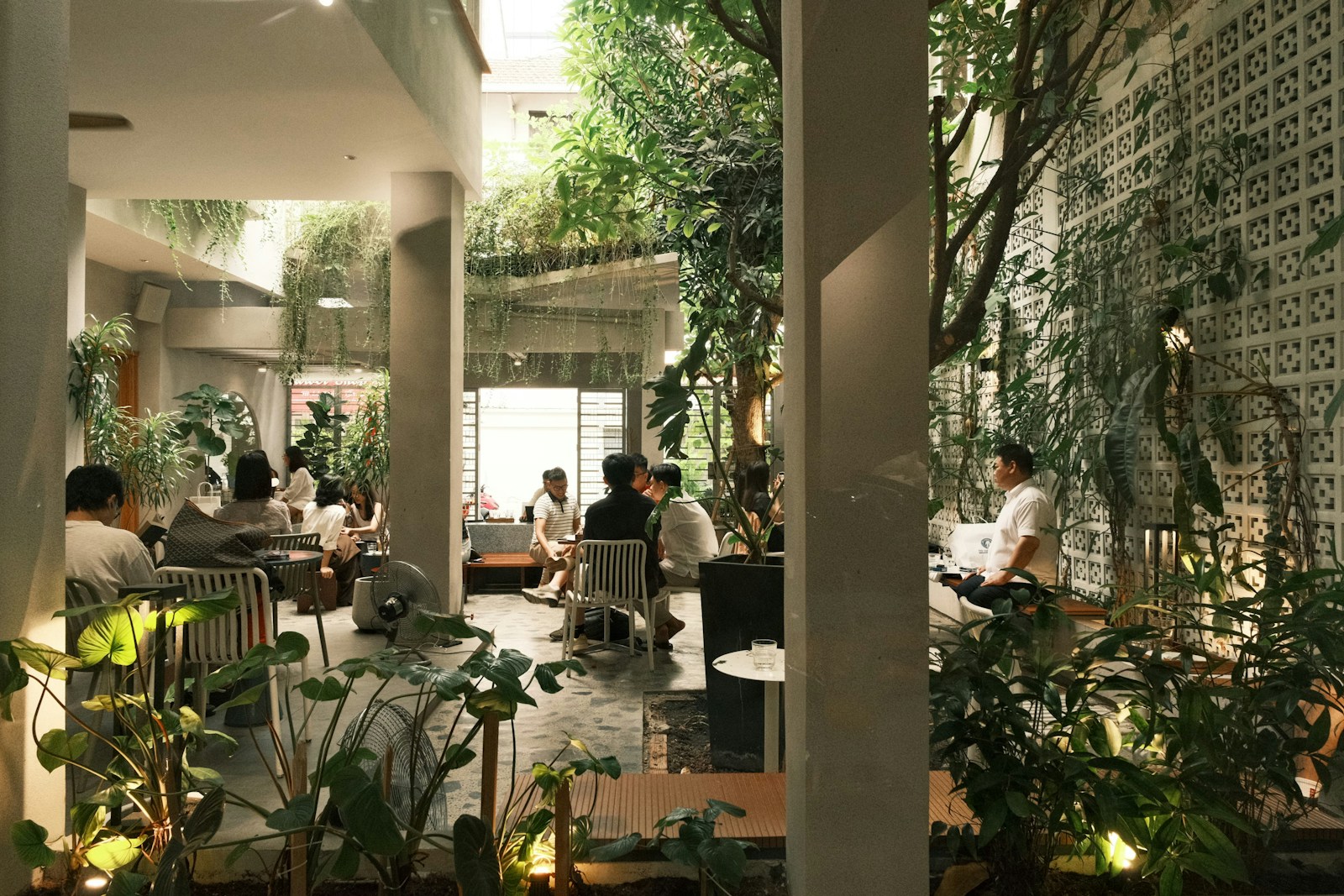
Biophilic design has become one of the most influential trends in architecture, interior design, and workplace planning. The concept is based on a simple idea: humans tend to feel better when surrounded by elements that connect them to nature.
Researchers and designers have spent years studying how natural environments affect well-being, productivity, and comfort. As a result, many homes, offices, schools, and public spaces now incorporate biophilic principles. Here are 10 things you should know about biophilic design.
10. It’s Based on Our Connection to Nature
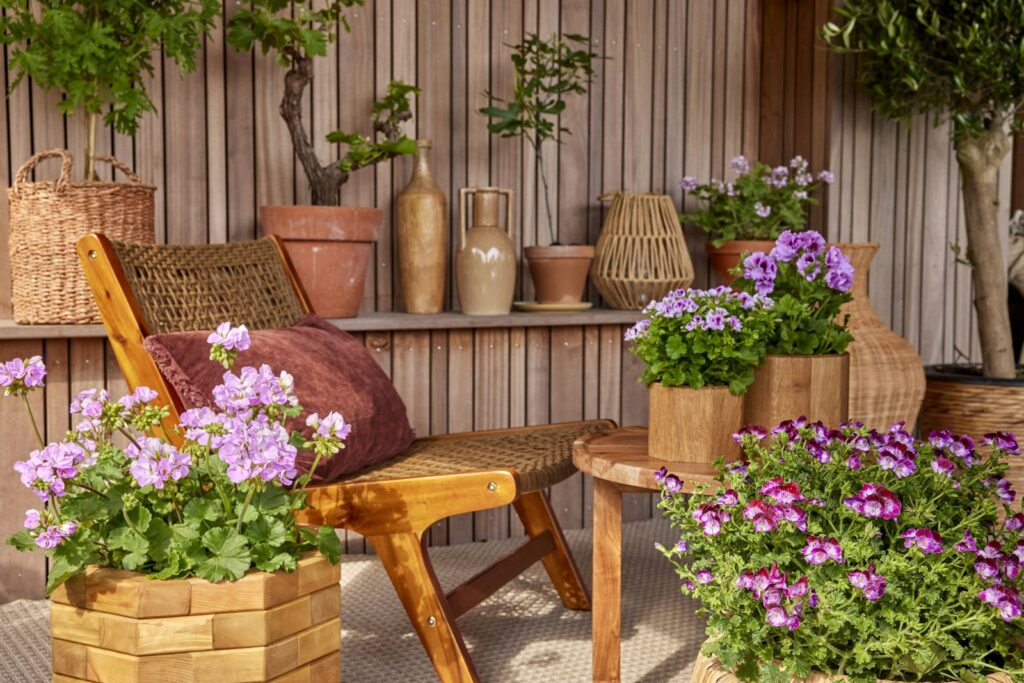
Biophilic design is rooted in the belief that humans have an innate connection to the natural world. After all, our species spent most of its history living in natural environments rather than modern buildings.
Designers use this concept to create spaces that feel more comfortable, calming, and supportive of well-being.
9. Natural Light Plays a Major Role
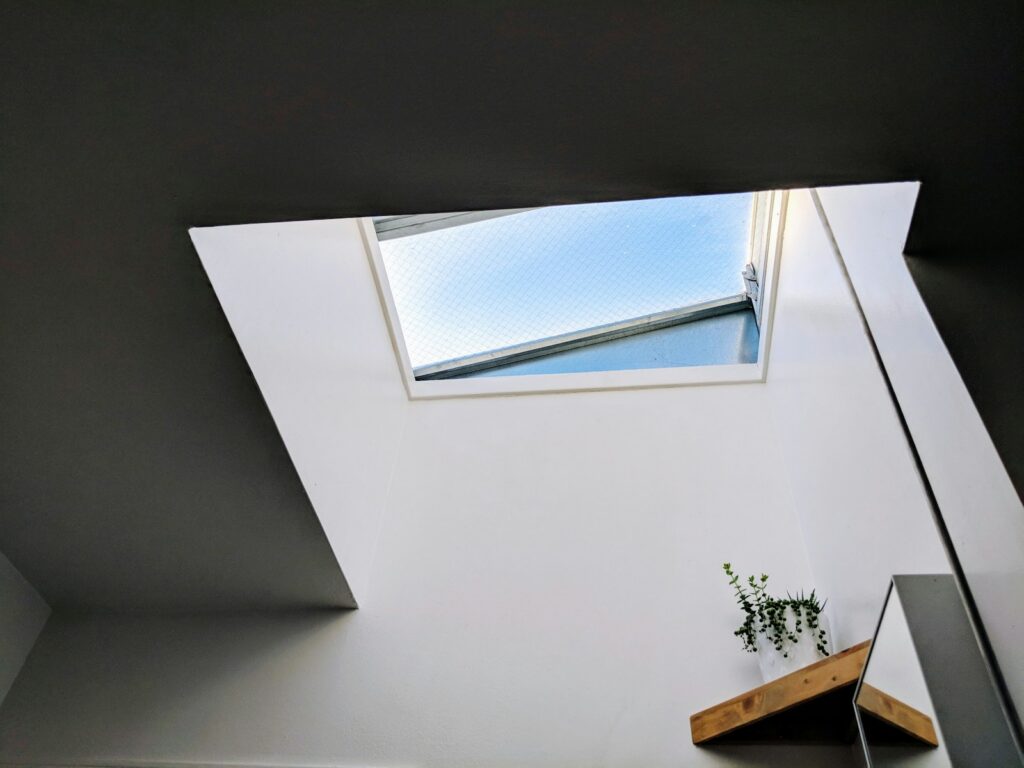
One of the most important features of biophilic design is access to natural light. Large windows, skylights, and open floor plans help bring daylight into interior spaces.
Many biophilic spaces also use lighting that mimics natural daylight patterns, with brighter light during the day and warmer lighting in the evening.
8. Plants Are More Than Decoration
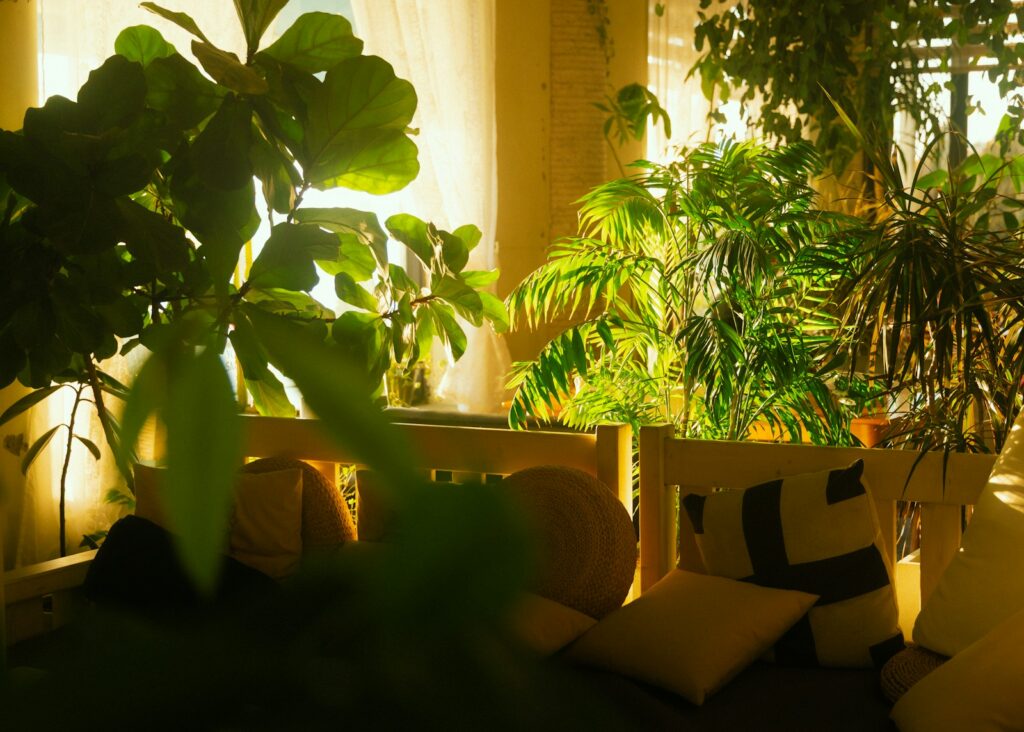
Indoor plants are a signature feature of biophilic design. However, they serve a purpose beyond aesthetics.
Strategically placed greenery can help create a stronger connection to nature while making a room feel more welcoming and visually balanced.
7. Visual Balance Matters
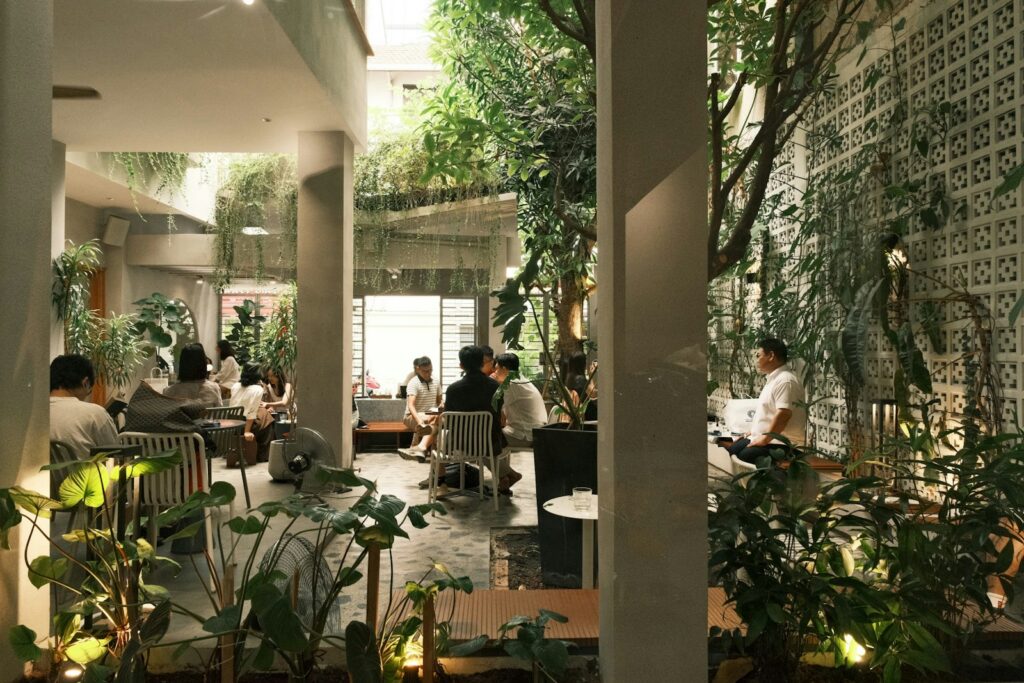
A biophilic space isn’t cluttered, but it isn’t completely bare either. Research suggests people often feel most comfortable in environments with a moderate level of visual complexity.
Designers achieve this balance through thoughtful combinations of colors, textures, patterns, and natural elements.
6. Fresh Air Is Part of the Experience
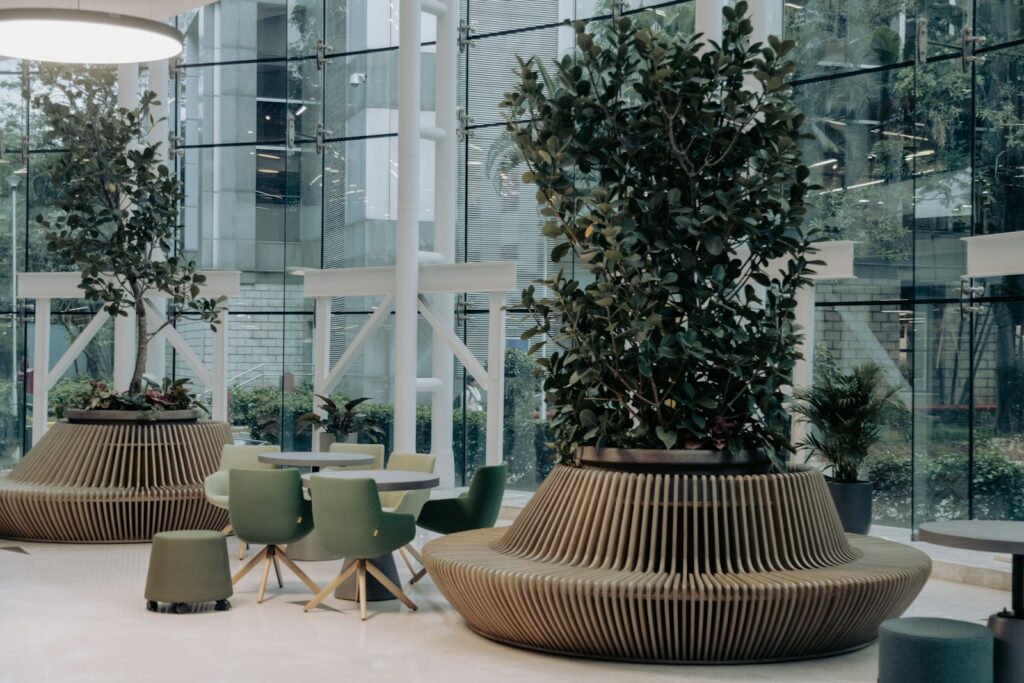
Whenever possible, biophilic spaces encourage airflow from the outdoors. Operable windows and natural ventilation systems can help create a stronger connection between indoor and outdoor environments.
Even subtle airflow can make a space feel more comfortable and alive.
5. Curves Are Preferred Over Sharp Angles
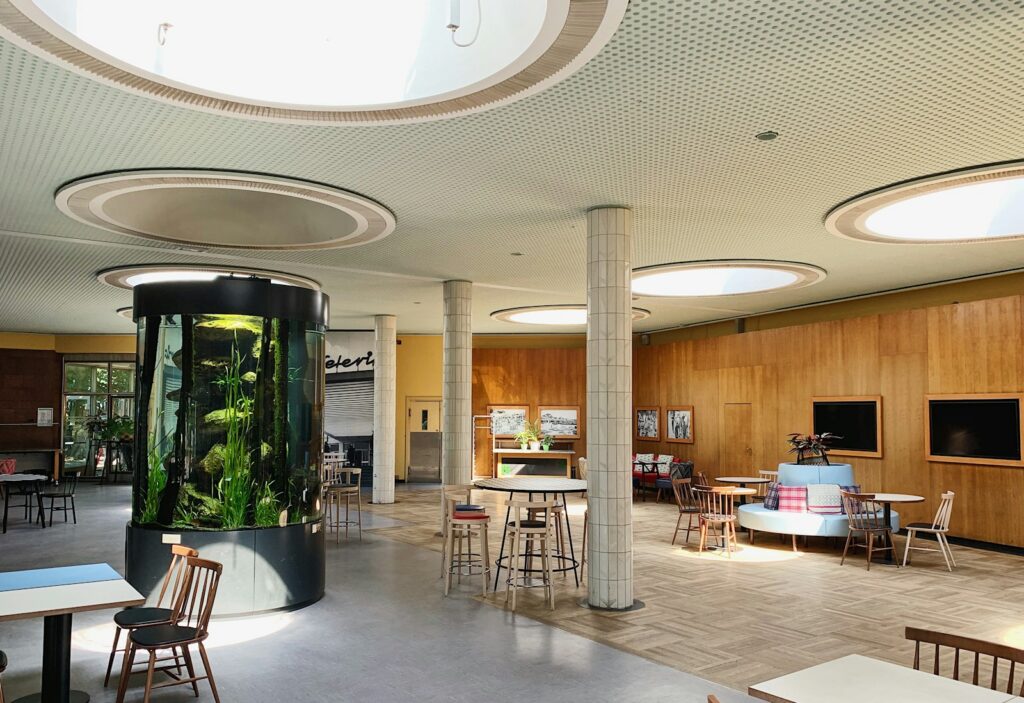
Nature rarely operates in straight lines. As a result, biophilic design often favors curved pathways, rounded furniture, and organic shapes.
These softer forms can make spaces feel more inviting and less rigid than highly angular environments.
4. Natural Materials Take Center Stage
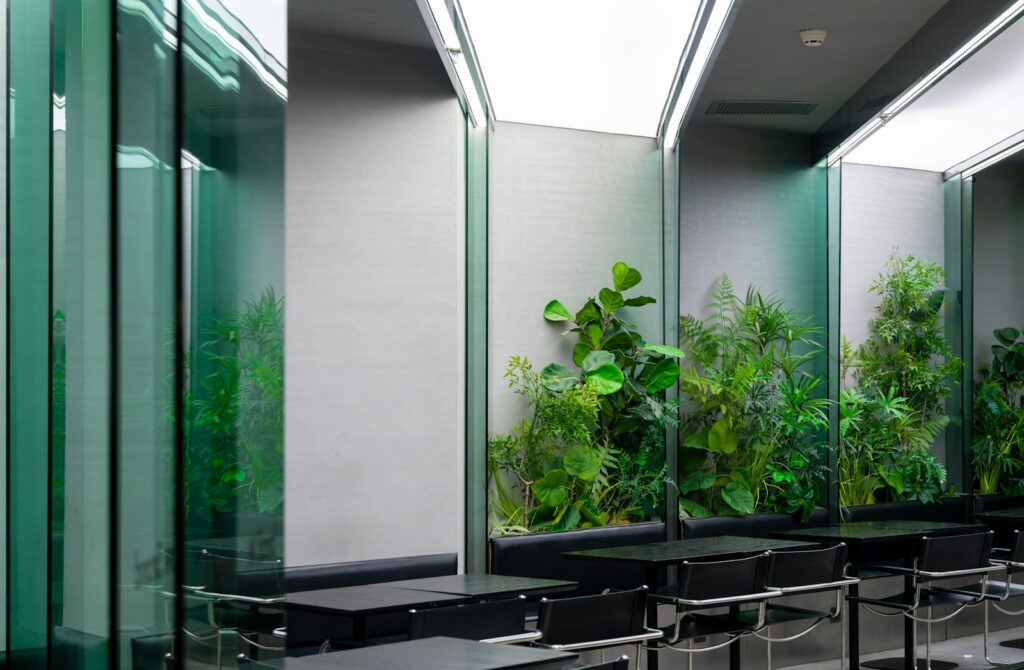
Wood, stone, leather, and other natural materials frequently appear in biophilic spaces. Designers often choose materials that showcase their natural textures and imperfections.
Materials that age gracefully and develop character over time are especially valued within this design philosophy.
3. Water Features Can Improve the Atmosphere
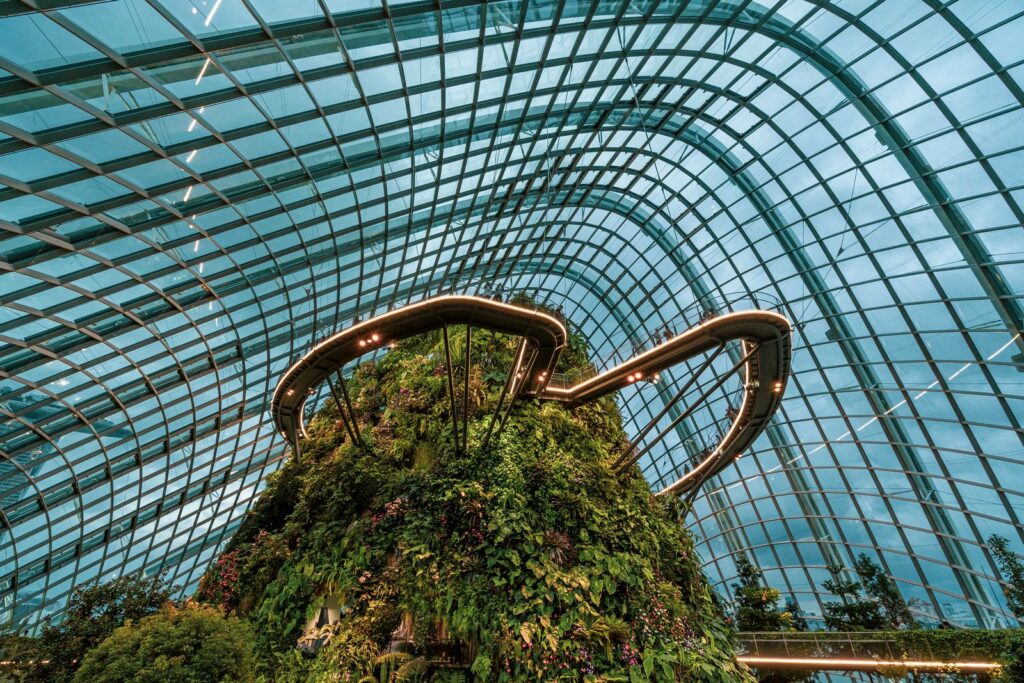
Many biophilic environments incorporate water in some form. This could be a fountain, an aquarium, a pond, or even a view of a nearby stream.
Gentle water features often help create a calming atmosphere while reinforcing the connection to nature.
2. Nature Sounds Matter Too
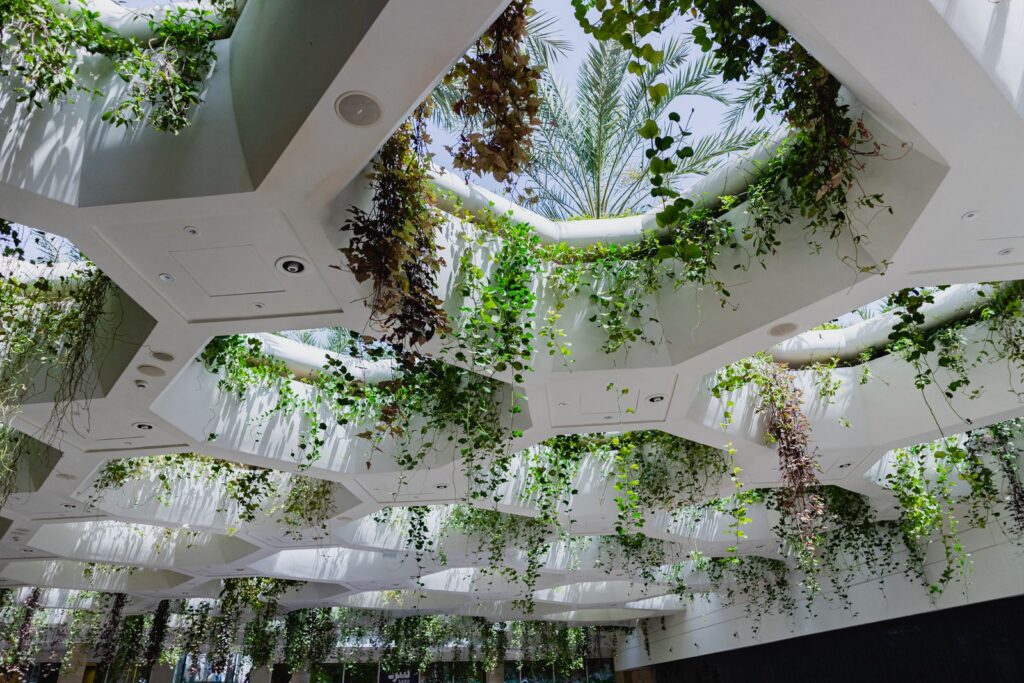
Biophilic design extends beyond what people see. Natural sounds such as birdsong, rustling leaves, or flowing water can influence how a space feels.
These sounds often help create a more relaxing and restorative environment than constant mechanical noise.
1. It May Support Health and Productivity
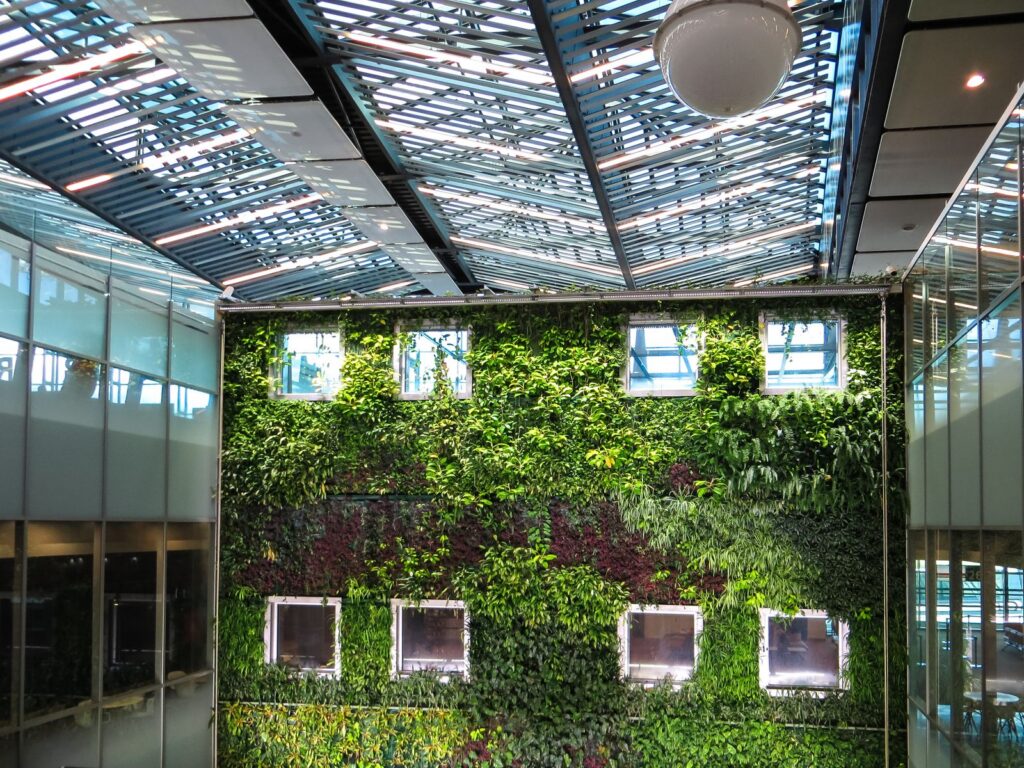
Perhaps the biggest reason biophilic design has gained attention is its potential impact on well-being. Research suggests that nature-inspired spaces may support focus, reduce stress, and improve overall comfort.
For that reason, businesses, schools, healthcare facilities, and homeowners continue to explore ways to bring more natural elements into everyday environments.
Read More:
- 10 Things People With Beautiful Homes Never Leave Out on Their Counters
- 10 Creative Ways to Break Traditional Decorating “Rules”
- 10 Simple Hacks from Cleaning Experts for Sparkling Dishes