
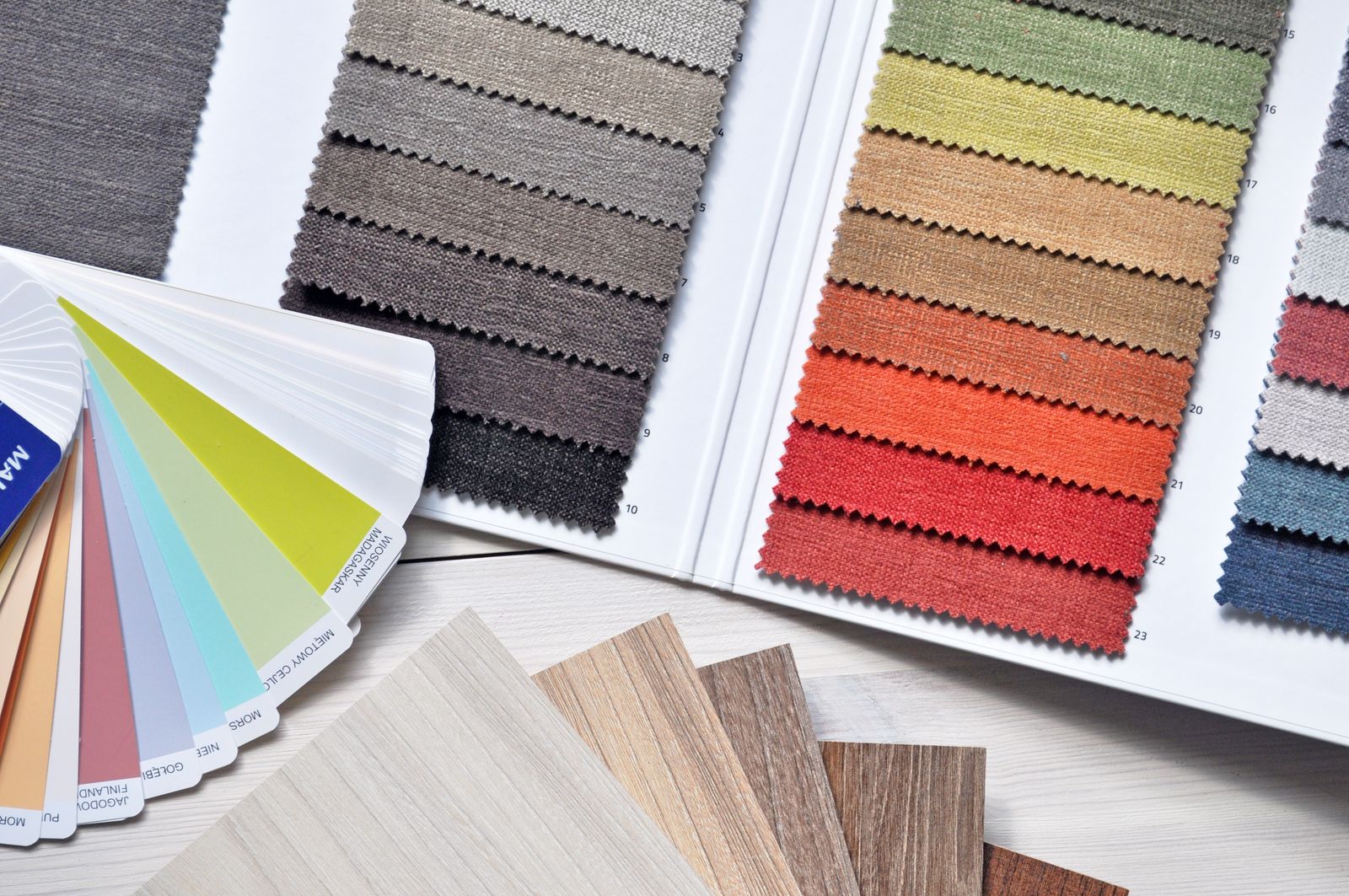
Selecting the right paint color for your home can be a daunting task, but it doesn’t have to be. Interior designers have shared their insider tips to help you make the best choice for your space. From considering your home’s architecture to using your wardrobe as inspiration, there are plenty of strategies to guide you.
Whether you’re looking to create a timeless backdrop or add a bold statement, these expert tips can ensure your paint color enhances your home’s character. Here are 7 tips to help you choose the perfect paint color.
7. Let Your Home’s Architecture Guide You
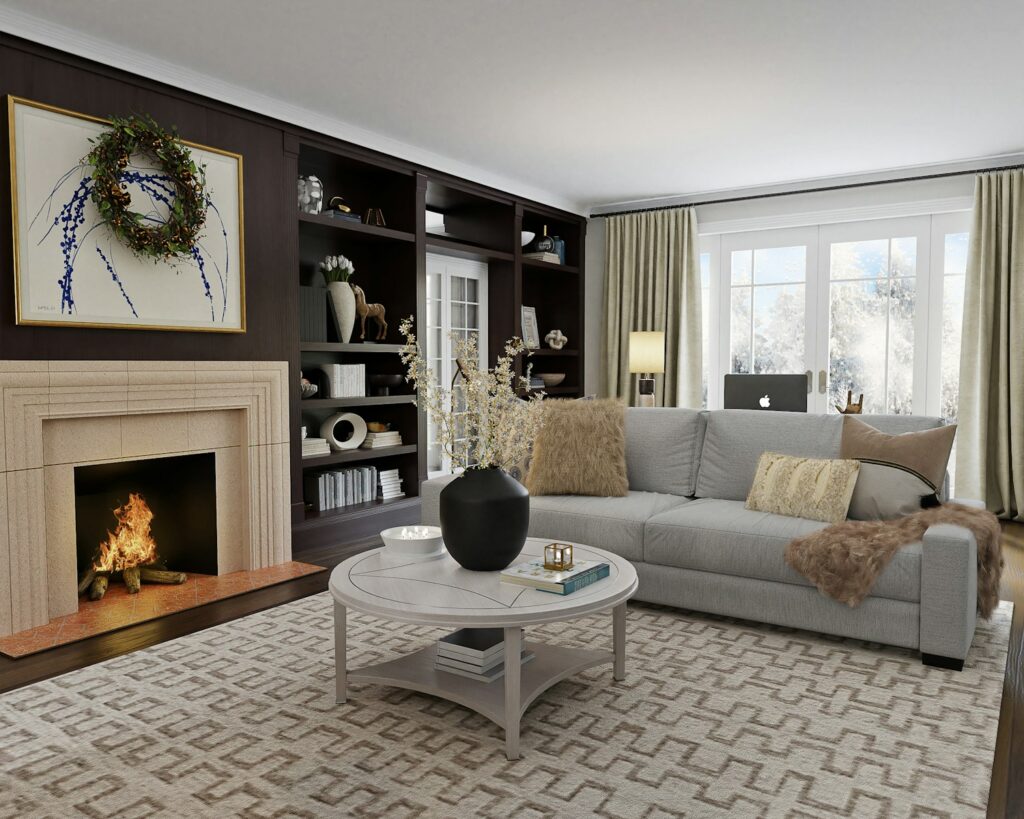
Designer Barrett Oswald emphasizes the importance of aligning your paint choices with your home’s architectural style.
Traditional homes often benefit from neutral tones that highlight their character, while modern spaces can handle more daring hues. Let your home’s bones inspire your palette to create a cohesive look.
6. Draw Inspiration from Your Wardrobe
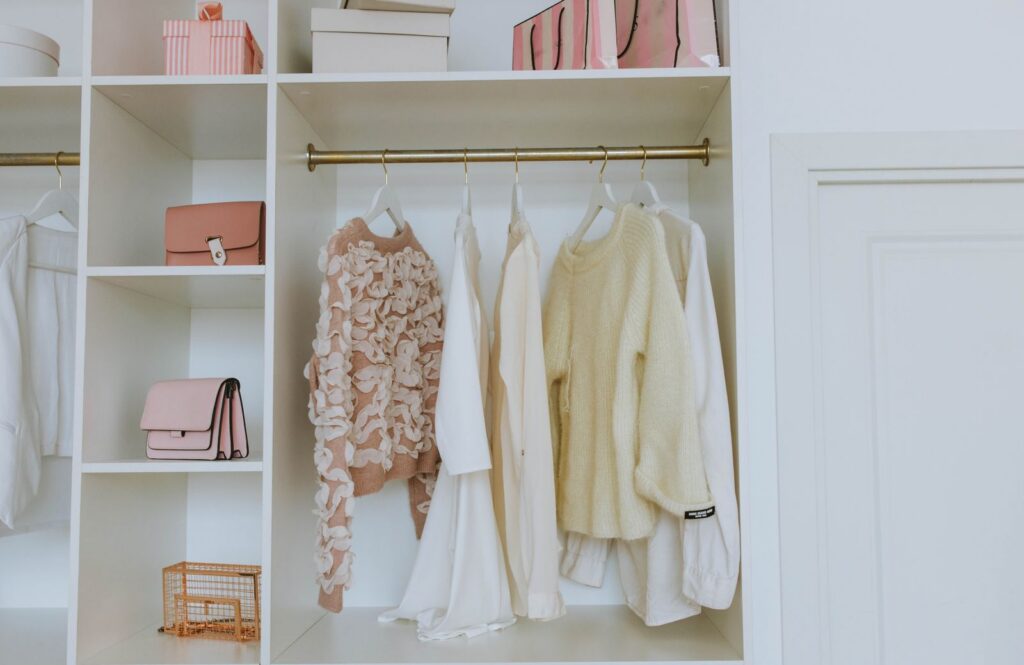
According to designer Galey Grimes, your closet can be a great source of color inspiration.
The colors you naturally gravitate towards in clothing often reflect tones that make you feel comfortable. Use this personal palette to bring joy and confidence to your living space.
5. Embrace Muted Tones for Versatility
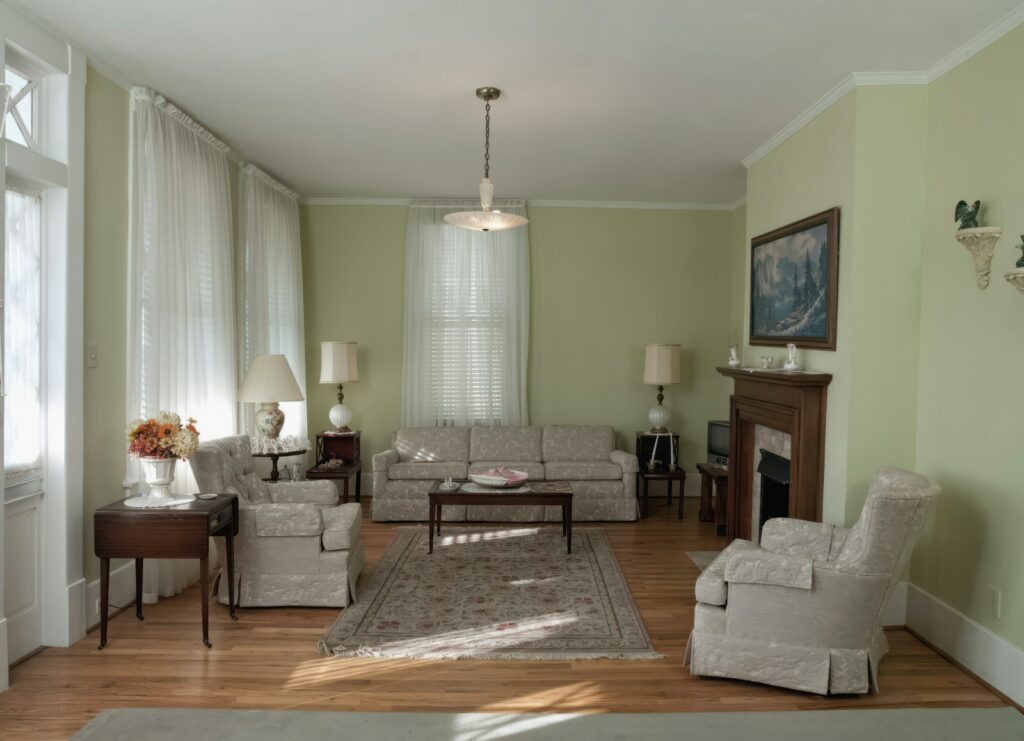
Designer Kristin Keyes suggests opting for muted tones like gray-green or pinky beige for a calming effect.
These colors blend well with various furnishings and create a serene atmosphere. Choosing colors with a touch of muddiness can add subtlety and depth to your home.
4. Coordinate with Your Furnishings
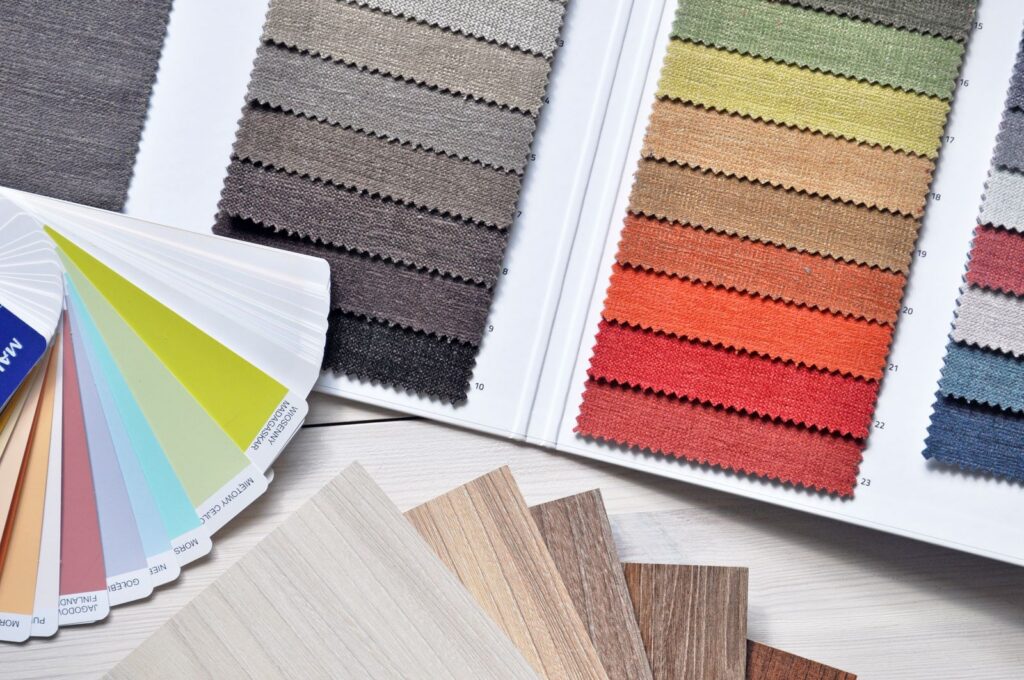
Caroline Kopp advises harmonizing your paint with existing furnishings for a cohesive look.
Gather your finishes and fabrics to see how they interact with paint swatches. This method helps you visualize the entire palette and ensures the paint complements your decor.
3. Use Large Swatches for Better Visualization

Eva Bradley recommends testing paint colors on large, movable sheets to understand their full impact.
This approach allows you to see how colors change in different lighting conditions across various walls, ensuring a consistent and balanced feel throughout the room.
2. Consider the Effects of Shadows
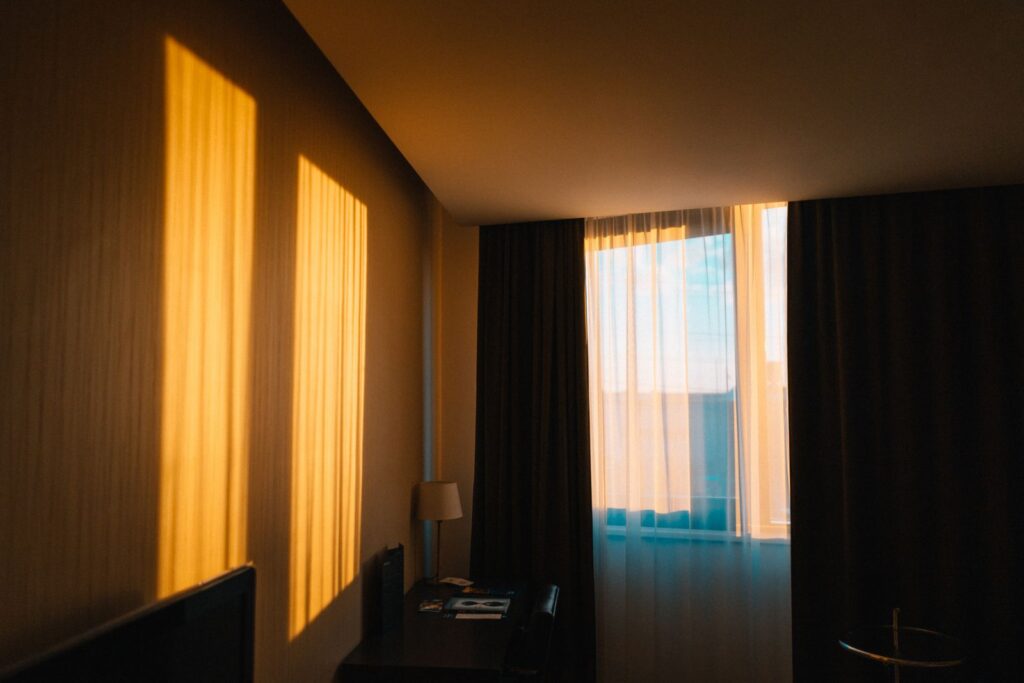
Jen Stevens highlights the importance of observing how shadows affect paint colors.
Different types of shadows can alter a color’s perception, revealing its true character. Experiment with various lighting conditions to see how shadows influence your chosen shade.
1. Try the Squint Test for Final Decisions

When stuck between two colors, Brianna Scott suggests using the squint test.
Hold both colors up near the item you’re coordinating with, and squint to see which blends best. This simple technique helps identify the most harmonious choice for your space.
Read More:
- 10 Creative Ways to Break Traditional Decorating “Rules”
- 10 Vintage Items That Went From Tacky to Trendy
- 10 Fashion and Home Trends That Defined the 1970s