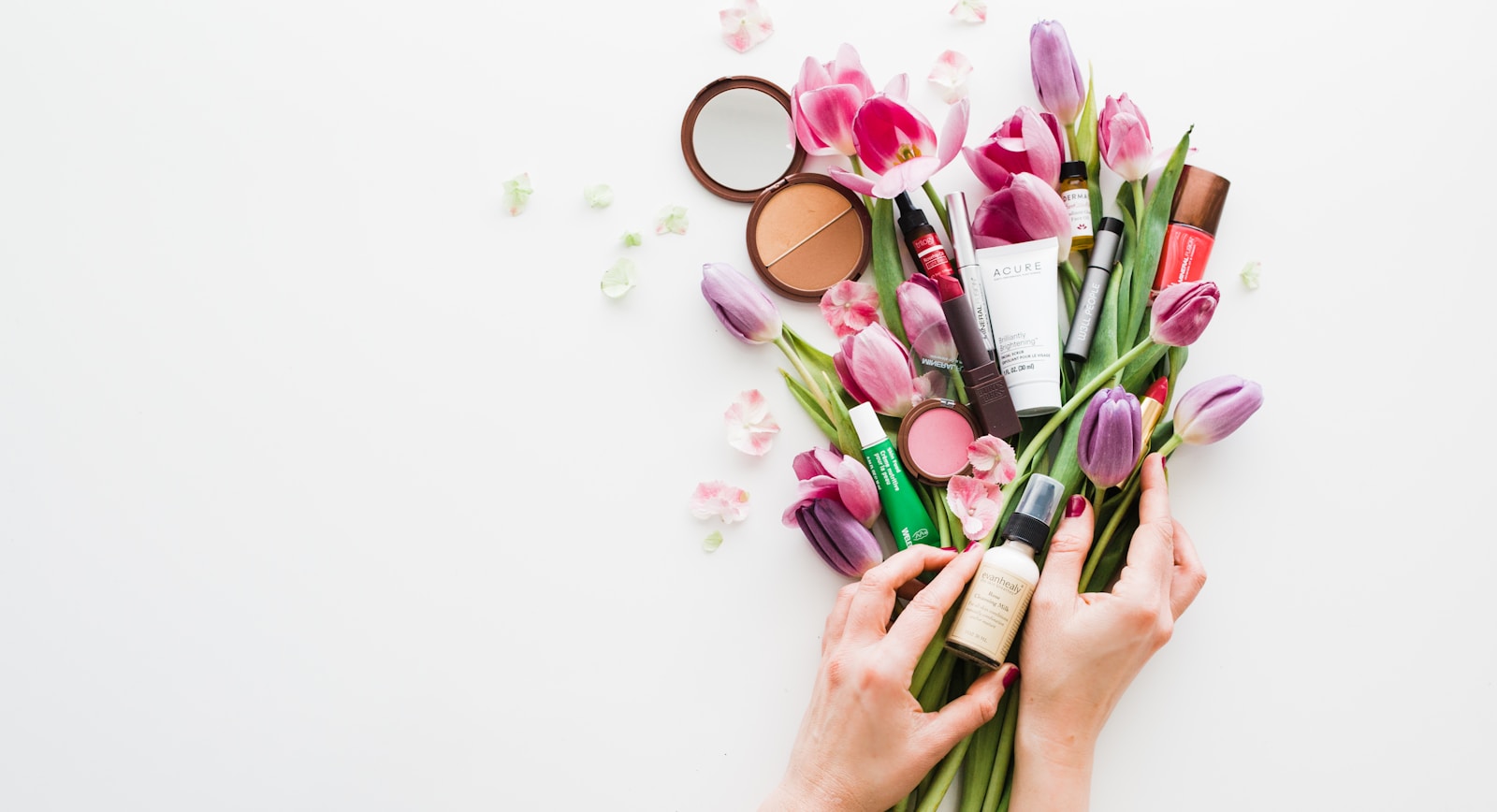
The term “clean beauty” is everywhere, appearing on skincare, makeup, and haircare products across nearly every price point. But despite its popularity, clean beauty doesn’t have a single official definition in the United States.
For some brands, it means avoiding certain ingredients. For others, it reflects broader goals around sustainability, transparency, or ethical sourcing. Understanding what the label does—and doesn’t—mean can help you make more informed decisions about the products you use every day.
1. Clean Beauty Doesn’t Have a Legal Definition
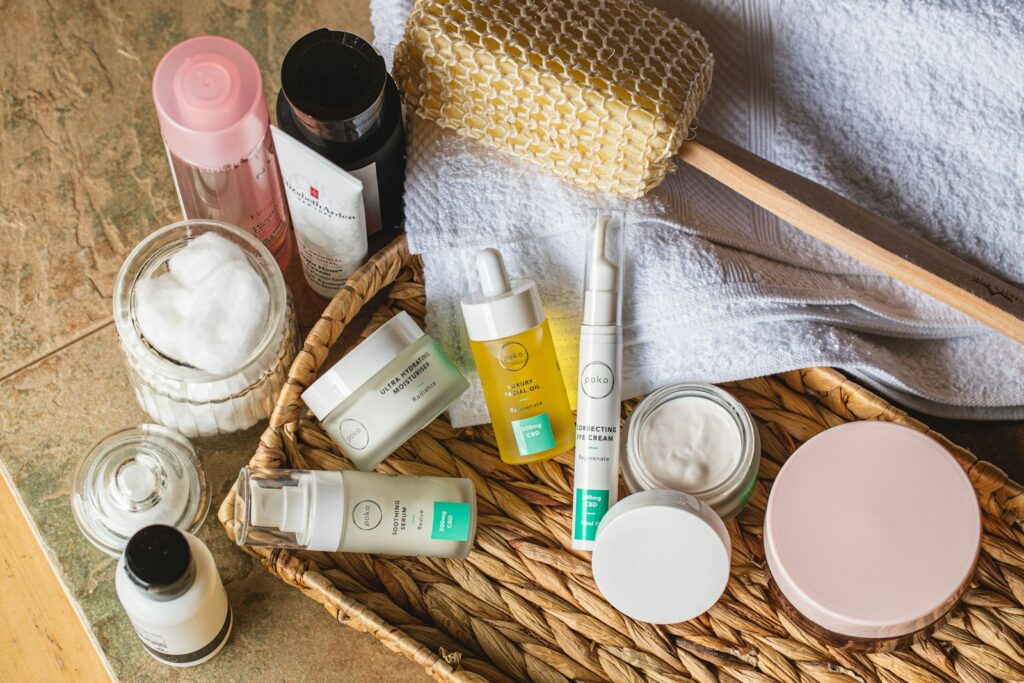
Unlike terms such as “organic” in certain food categories, “clean beauty” is not a federally regulated term for cosmetics in the United States.
That means brands can define “clean” differently. One company’s standards may be very different from another’s, making it important to look beyond front-label claims.
2. The Movement Grew From Consumer Demand
The clean beauty movement gained momentum as consumers became more interested in ingredient transparency, product safety, and environmental impact.
Many shoppers wanted clearer information about what was in their products and how those products were made, leading brands to respond with ingredient-focused marketing and simplified formulations.
3. Certain Ingredients Are Commonly Excluded
Many clean beauty brands choose to formulate without ingredients such as:
- Parabens
- Phthalates
- Certain sulfates
- Formaldehyde-releasing preservatives
- Some synthetic fragrances
However, there is no universal list of ingredients that all clean beauty brands avoid.
4. Natural Doesn’t Always Mean Better
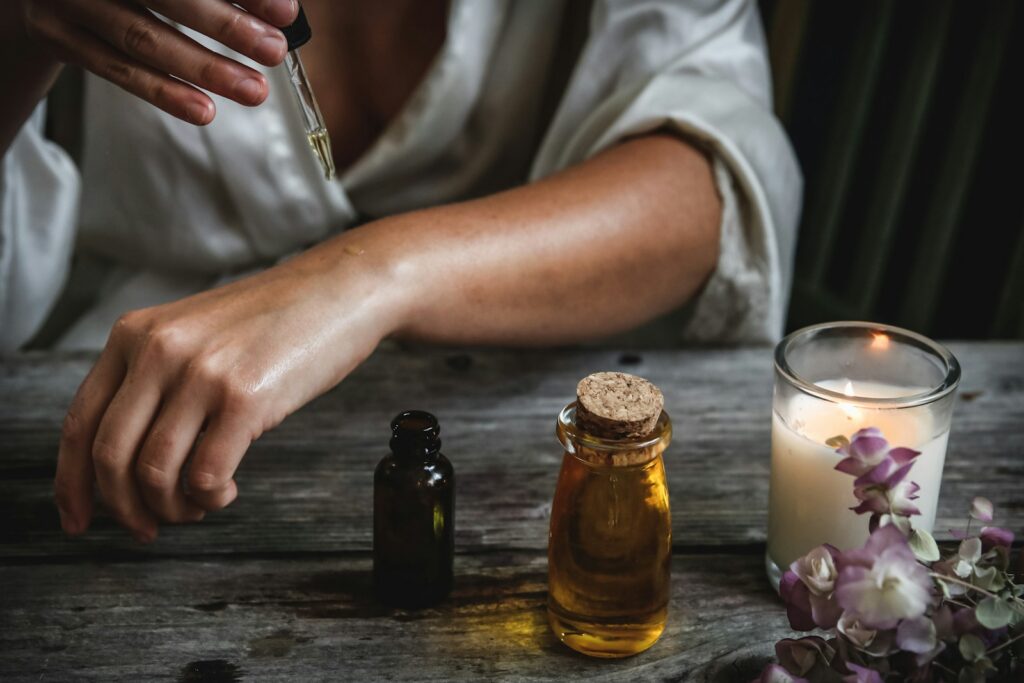
One of the biggest misconceptions in beauty is that natural ingredients are automatically safer or gentler.
Poison ivy is natural. Essential oils can trigger irritation in some people. Conversely, many synthetic ingredients have extensive safety data supporting their use.
The source of an ingredient is often less important than how it performs and whether it’s appropriate for your skin.
5. “Chemical-Free” Isn’t a Scientific Term
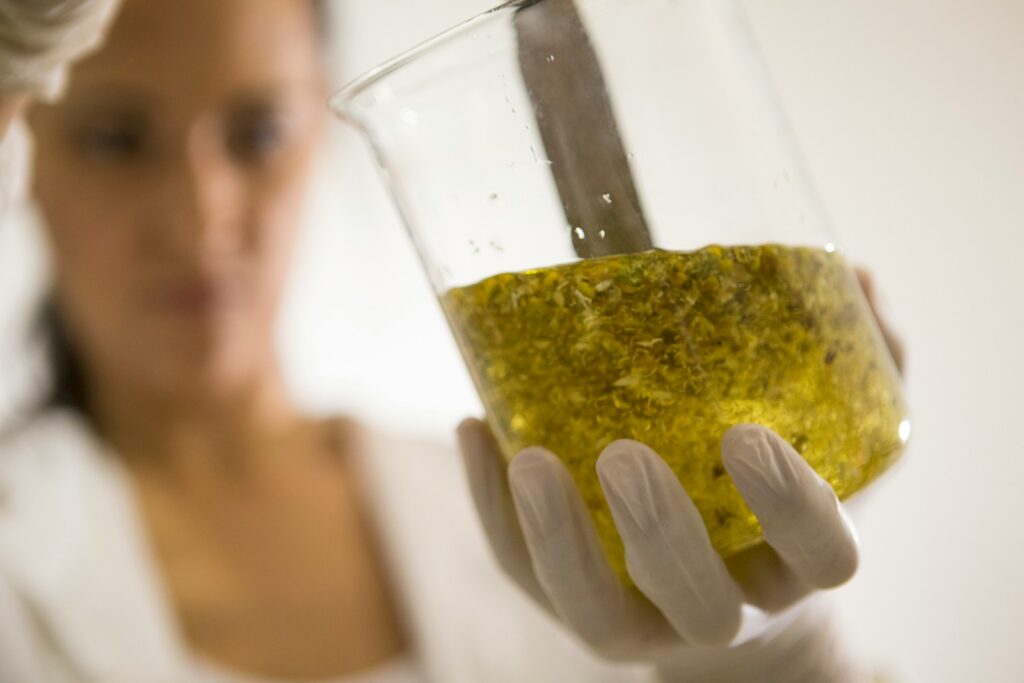
Everything is made of chemicals, including water.
When beauty products claim to be “chemical-free,” they’re usually using marketing language rather than scientific terminology. A more accurate discussion focuses on specific ingredients and their safety profiles.
6. Sensitive Skin May Benefit From Simpler Formulas
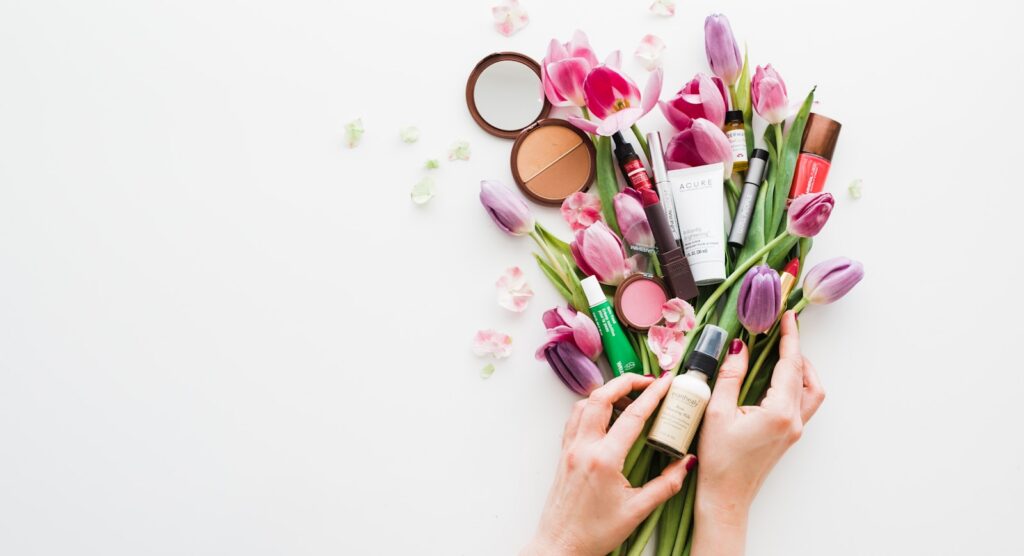
Some consumers are drawn to clean beauty because products often contain fewer ingredients, fragrances, or potential irritants.
For people with sensitive skin, eczema, or fragrance sensitivities, simpler formulations may reduce the likelihood of irritation. However, individual results vary.
7. Sustainability Often Plays a Role
Many clean beauty brands also emphasize environmental responsibility.
This may include:
- Refillable packaging
- Recyclable materials
- Reduced plastic use
- Responsibly sourced ingredients
- Cruelty-free manufacturing practices
Not every clean beauty brand prioritizes sustainability equally, but the two concepts are often linked.
8. Third-Party Certifications Can Provide Extra Information
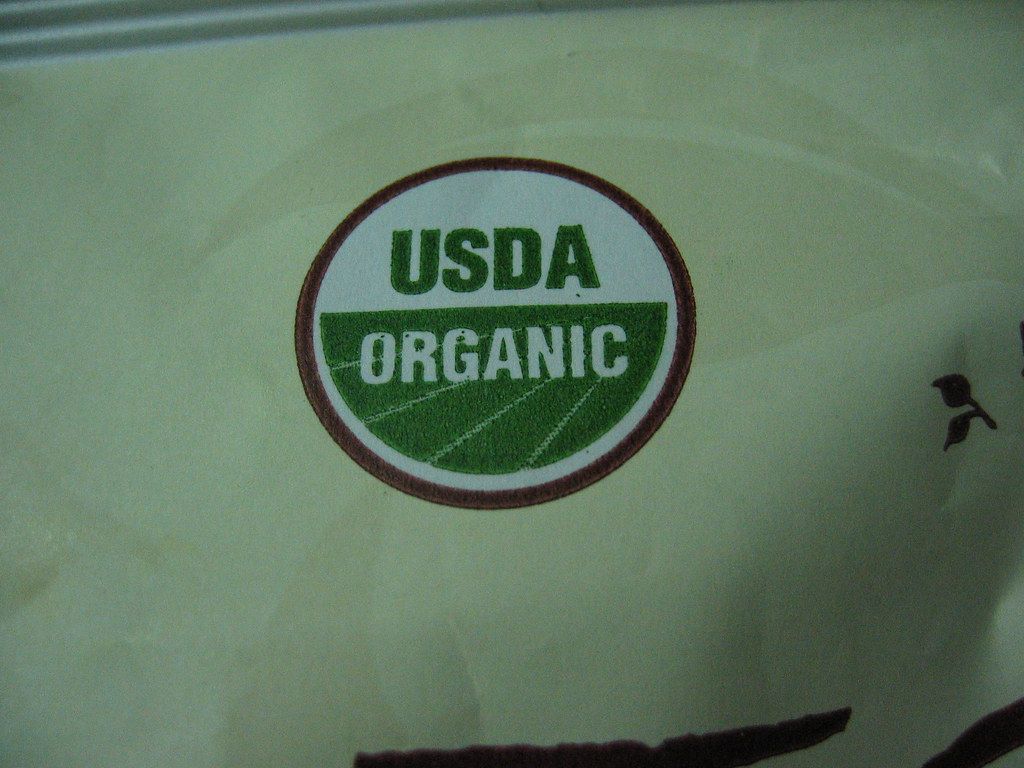
Because clean beauty isn’t regulated as a category, some consumers look for independent certifications.
Examples include:
- Leaping Bunny (cruelty-free)
- EWG Verified
- USDA Organic (for qualifying products)
- Certified B Corporation
These certifications don’t necessarily mean a product is better, but they can provide additional information about specific standards.
9. Product Performance Still Matters
A product can be clean, natural, organic, or sustainably packaged and still not work well for your skin.
Dermatologists generally recommend focusing on proven ingredients, skin compatibility, and consistent use rather than relying solely on marketing labels.
The best skincare routine is one that addresses your individual concerns and that you’ll actually use regularly.
10. Transparency May Be the Most Important Trend
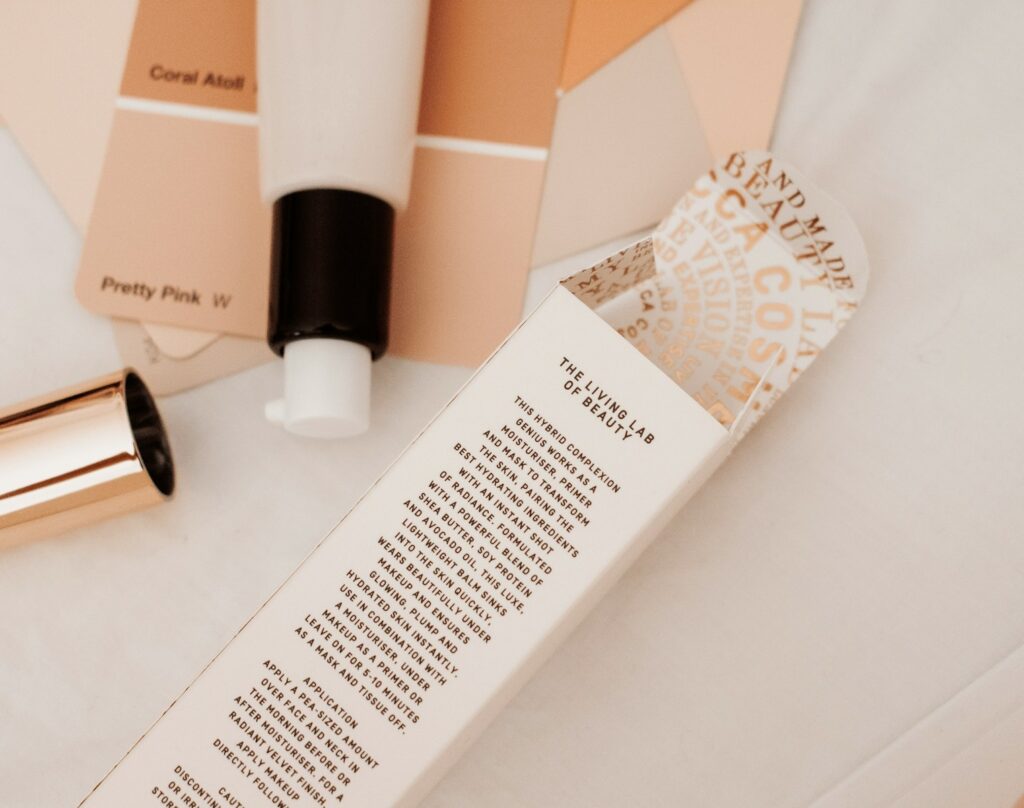
Perhaps the biggest impact of the clean beauty movement has been pushing brands toward greater transparency.
Consumers increasingly expect clear ingredient lists, straightforward explanations of product claims, and more information about sourcing and manufacturing. Regardless of how the definition evolves, that demand for openness is likely to remain a lasting influence on the beauty industry.
Why Clean Beauty Continues to Grow
Clean beauty isn’t simply about avoiding certain ingredients. For many consumers, it’s about understanding what’s in their products, how those products are made, and whether a brand’s values align with their own.
While definitions vary and marketing claims should always be evaluated carefully, the movement has encouraged more transparency and consumer awareness throughout the beauty industry.
Read More:
- 15 Clever Ways to Drink More Water Every Day (Without Trying Hard)
- Not a Morning Person? 10 Ways to Change That
- 10 Common Foods That May Help Reduce Inflammation