

Coffee is a beloved morning ritual for many, but its impact on athletic performance is often debated. While caffeine is known to enhance endurance, the amount needed to achieve optimal results is not always clear-cut. New research sheds light on how varying doses affect performance and why more isn’t necessarily better.
Understanding the nuances of caffeine’s effects can help you tailor your intake for better results without the unwanted side effects. Here are 10 things to know about coffee and performance.
10. Low Doses Can Be Effective
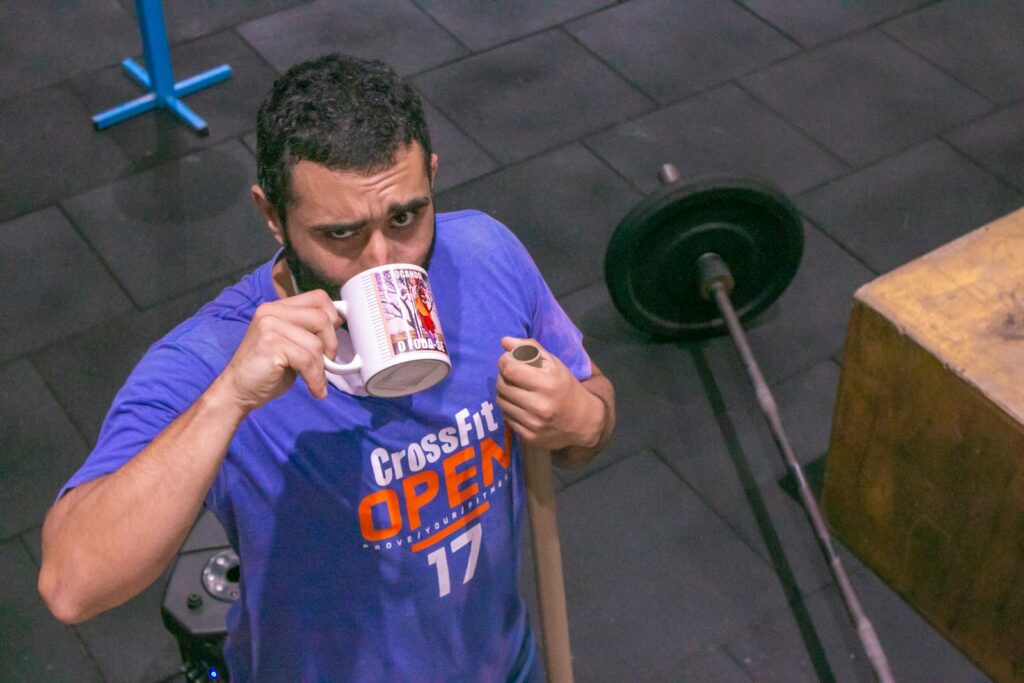
Many athletes believe that higher caffeine doses lead to better performance. However, studies show that low doses can significantly boost endurance.
In fact, low doses of 1.3 to 3 mg/kg of body weight provide a reliable performance improvement, nearly matching moderate doses.
9. Moderate Doses Offer Marginal Gains

Moderate caffeine doses of 4–6 mg/kg also improve performance, but the gains are minimal compared to low doses.
Despite the slight increase in improvement, moderate doses showed more variability and less consistency in results.
8. High Doses Remain Uncharacterized
While high doses of caffeine are often assumed to enhance performance, there is little evidence to support this.
No studies have conclusively shown benefits of high doses above 6 mg/kg for endurance, leaving this area largely unexplored.
7. Genetics Play a Role

How your body processes caffeine can depend on your genetic makeup, particularly the CYP1A2 gene.
Individuals with certain gene variants may experience more pronounced benefits from caffeine, while others may not respond as well.
6. Adenosine Receptors Influence Effects

Caffeine blocks adenosine receptors in the brain, which can reduce fatigue and increase alertness.
Variations in these receptors may also impact how effectively caffeine enhances performance for different individuals.
5. Timing is Key
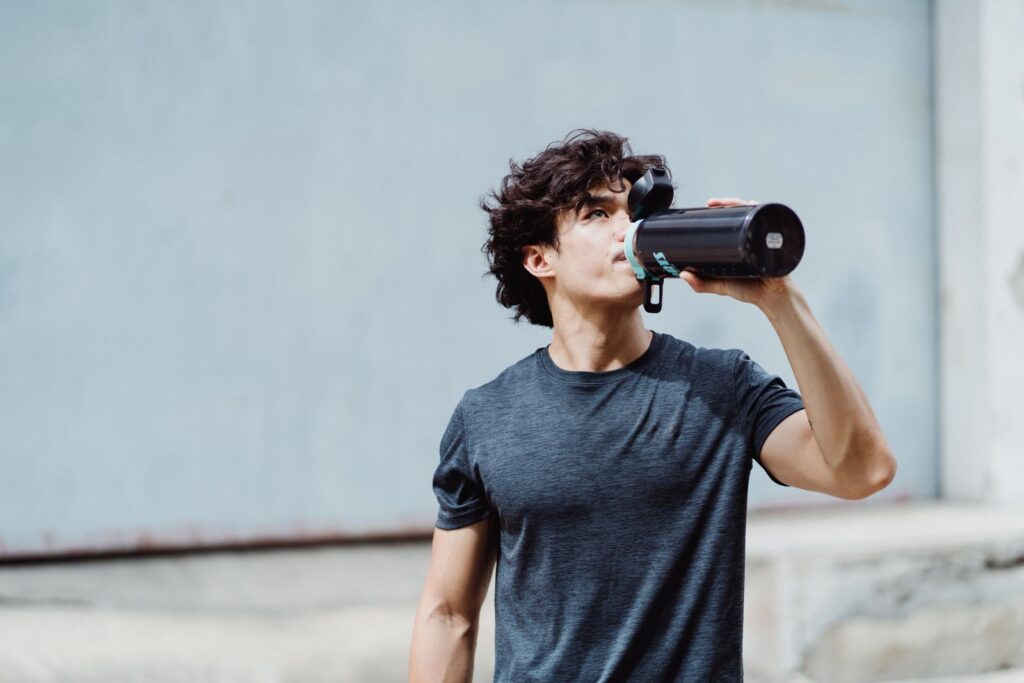
To maximize performance benefits, caffeine should be consumed about 60 minutes before exercise.
This timing allows caffeine to reach peak levels in the bloodstream, optimizing its ergogenic effects.
4. Coffee vs. Caffeine Capsules

While most studies use caffeine capsules for precise dosing, coffee can also be effective.
A standard cup of coffee often contains enough caffeine to fall within the effective range for performance enhancement.
3. Side Effects of High Doses

High caffeine intake can lead to negative side effects such as anxiety, heart palpitations, and gastrointestinal issues.
These risks can outweigh the marginal performance benefits of higher caffeine doses.
2. Finding Your Sweet Spot

Experimenting with different caffeine doses can help you find the optimal amount for your body and performance goals.
Start with a low dose and adjust based on your personal experience and response.
1. The Takeaway

Low caffeine doses offer a significant and consistent performance boost with fewer side effects.
For most people, starting low is a sensible strategy to enhance endurance without the downsides of higher doses.
Read More:
- 30 Simple Ways to Boost Your Energy (Without Chugging Caffeine)
- 10 Rules of Modern Life Nobody Ever Officially Made
- 10 Daytime Habits to Improve Your Sleep and Reduce Stress