
Dating has changed dramatically over the past few decades. Today, people can browse dating profiles, send messages instantly, and learn a surprising amount about someone before ever meeting in person. Before the internet became part of everyday life, however, dating worked very differently.
In many ways, finding romance required more patience, more courage, and a lot less information. Here are 10 facts about pre-internet dating that might seem strange to modern singles.
10. You Often Had No Way to Look Someone Up

Today, many people search social media profiles before a first date. In earlier decades, that wasn’t an option.
If someone gave you their phone number, you usually knew only what they told you. As a result, first dates often involved a lot more mystery than they do today.
9. Calling Someone’s House Meant Talking to Their Family

Before cell phones became widespread, most teenagers and young adults shared a household phone. Calling a potential date often meant speaking with parents, siblings, or roommates first.
Many people dreaded hearing, “Who’s calling?” before asking to speak with the person they actually wanted to reach.
8. You Had to Remember Phone Numbers
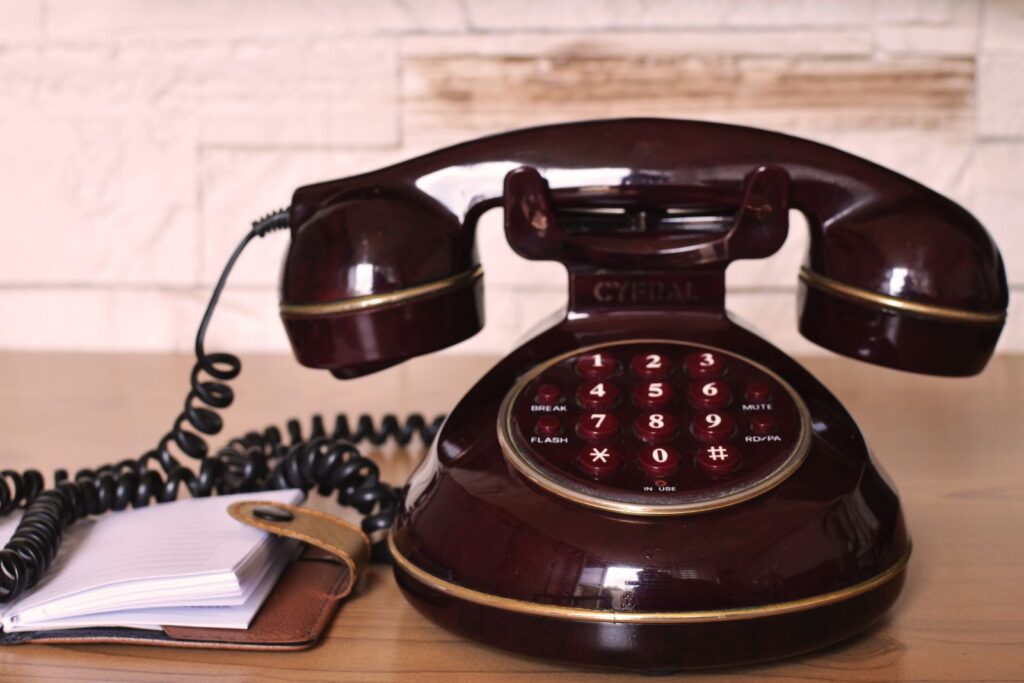
Without smartphones storing contacts, many people memorized dozens of phone numbers. Some even kept address books filled with names and numbers.
Forgetting someone’s number could create a genuine problem. Unless it was written down somewhere, there was often no easy way to recover it.
7. Dating Often Happened Through Friends

Mutual friends played a major role in introducing potential couples. Friends, coworkers, classmates, and family members frequently acted as unofficial matchmakers.
Because of this, many people entered relationships with at least some shared social connections already in place.
6. Being Stood Up Meant Waiting Without Answers

Today, someone can send a quick text if they’re running late. Before mobile phones became widespread, there was often no way to communicate once people left home.
If a date failed to appear, the other person could end up waiting for an hour or more without knowing what happened.
5. Personal Ads Were a Real Thing

Long before dating apps, newspapers and some magazines featured personal advertisements where singles described themselves and the type of partner they hoped to meet.
Respondents typically mailed letters to a newspaper box number. The process could take days or even weeks before a conversation began.
4. You Needed Actual Directions to Find a Date
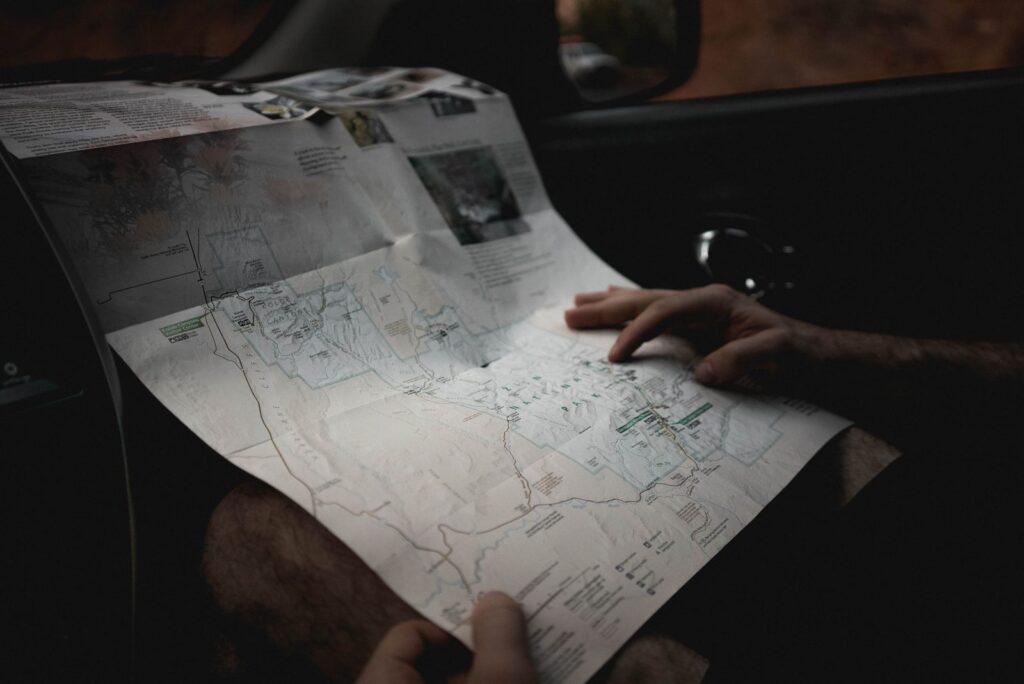
Before GPS and navigation apps, getting to a date often required handwritten directions. Many people relied on paper maps, handwritten directions, landmarks, or verbal instructions.
Missing a turn could easily result in arriving late. In some cases, finding the restaurant was harder than the date itself.
3. Blind Dates Were Far More Common

Because there were fewer ways to meet new people independently, blind dates happened frequently. Friends and family members often arranged introductions.
Sometimes these setups led to lasting relationships. Other times, they created awkward stories that people remembered for years.
2. Long-Distance Relationships Were Expensive

Keeping in touch with a long-distance partner often meant paying for long-distance phone calls. Depending on the distance and time of day, those calls could become costly.
Many couples relied heavily on letters and occasional phone conversations. Communication required far more planning than it does today.
1. You Had to Ask Someone Out Face-to-Face

Perhaps the biggest difference was the lack of digital communication. If you wanted to ask someone on a date, you usually had to do it in person or over the phone.
There were no dating apps, direct messages, or carefully crafted texts. While the process could be intimidating, it often required a level of confidence and directness that feels unusual today.
Read more:
- The 10 Best Dating Apps, and What Sets Them Apart From Each Other
- 10 Reasons Gen Z Singles Are Embracing ‘Solomaxxing’
- 12 Things Committed Partners Do In Relationships