
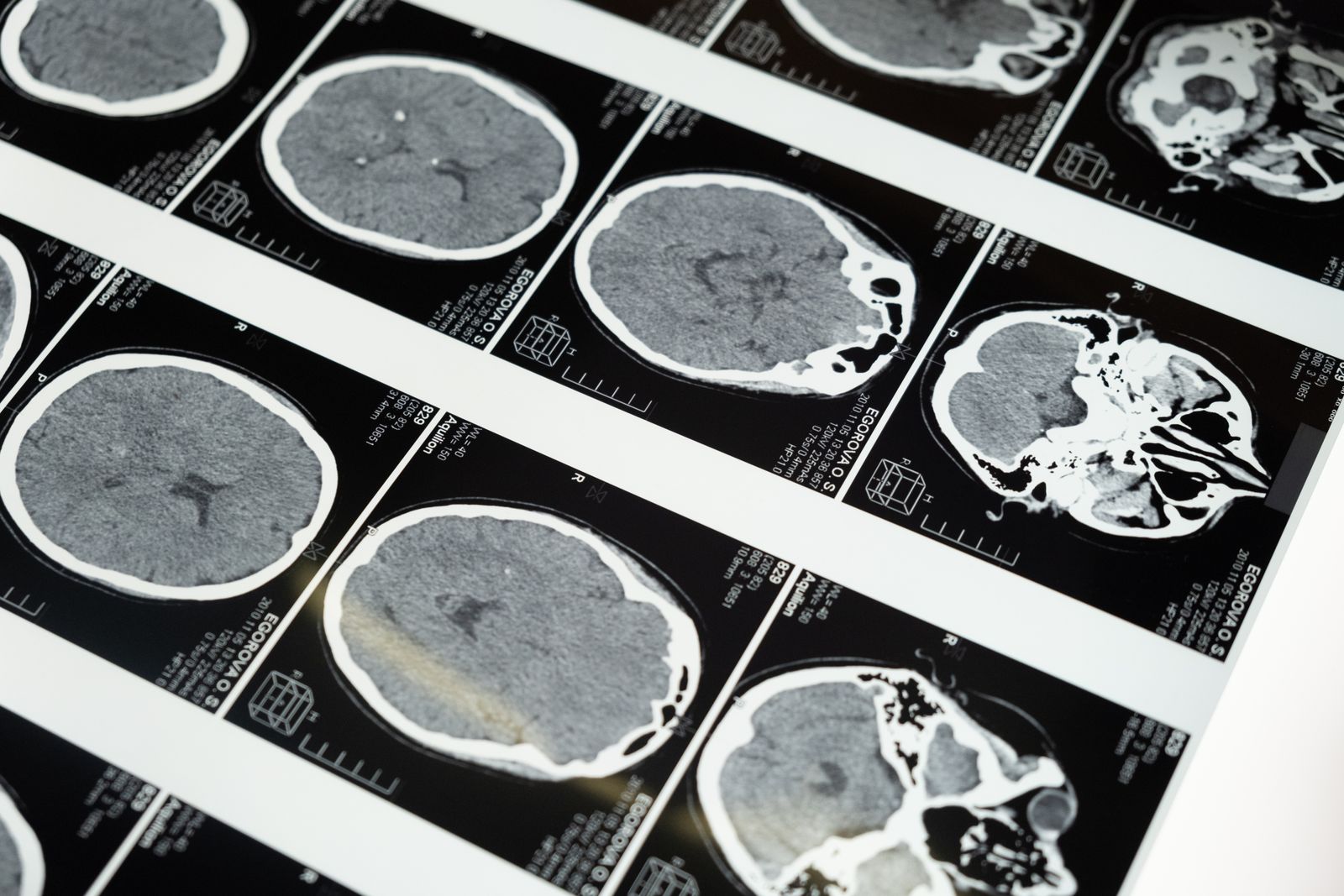
For centuries, the brain and body were viewed as separate entities, each with its own distinct functions. The brain was seen as the epicenter of thoughts and emotions, while the body executed these commands. However, recent research has begun to challenge this long-held belief, revealing a complex interaction between mental and physical health.
One of the most fascinating developments in this field is the emerging link between depression and the immune system. This connection is shedding new light on how mental states can influence physical conditions and vice versa. Here are 10 things to know about this intriguing relationship:
10. The Historical Brain-Body Divide
For years, medical science has treated the brain and body as separate systems. This perspective was reinforced by the discovery of the blood-brain barrier, which protects the brain from harmful substances.
However, this separation is increasingly being questioned as new evidence demonstrates that mental and physical health are deeply interconnected.
9. Inflammation’s Role in Mental Health

Inflammation is a key player in linking physical and mental health. Conditions like arthritis and cardiovascular disease can lead to neuroinflammation, impacting brain function.
This inflammation is associated with mental disorders such as anxiety and depression, suggesting a bidirectional influence between the mind and body.
8. Depression’s Physical Manifestations

Traditionally considered a mental illness, depression also leaves physical traces. Recent studies suggest that it may affect the biological age of immune cells.
This highlights the importance of considering both mental and physical symptoms when diagnosing and treating depression.
7. The Impact of Stress on Immunity

Stress is known to decrease immune function, prolonging inflammation and potentially exacerbating mental health issues.
This suggests that managing stress could be a crucial component in maintaining both mental and physical health.
6. The Brain’s Regulatory Role
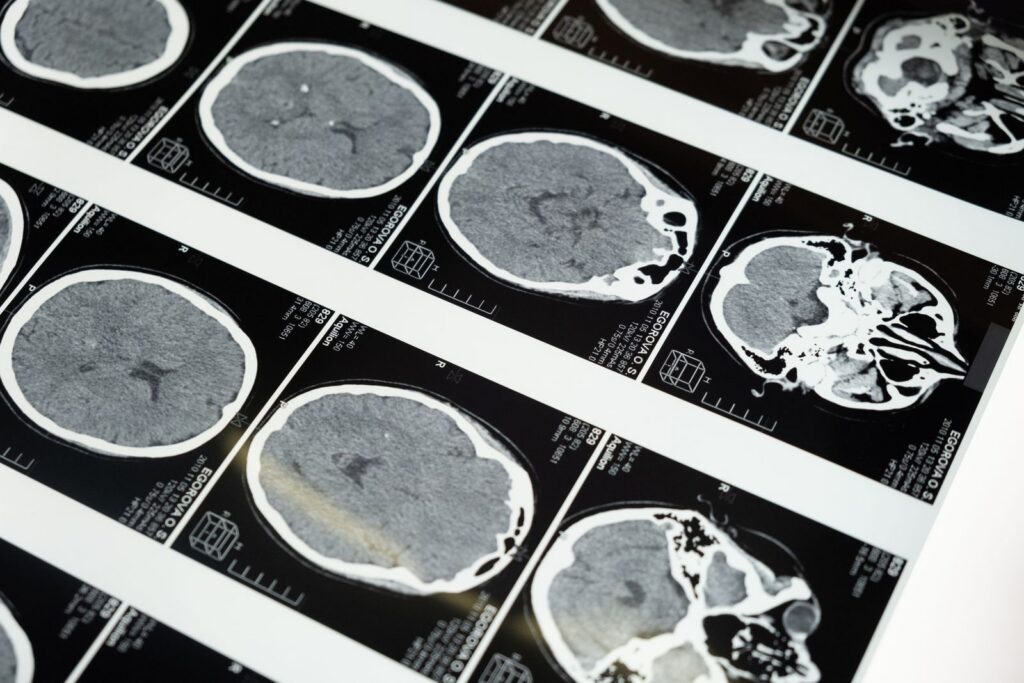
The brain plays a pivotal role in regulating bodily systems, including the immune system, through neuroendocrine mechanisms.
This regulatory function underscores the interconnectedness of mental and physical health.
5. Premature Aging of Immune Cells
Recent research has found that the immune cells of individuals with depression show signs of premature aging.
This correlation between cellular aging and emotional symptoms of depression opens new avenues for understanding and potentially diagnosing mental health disorders.
4. The Epigenetic Age of Monocytes
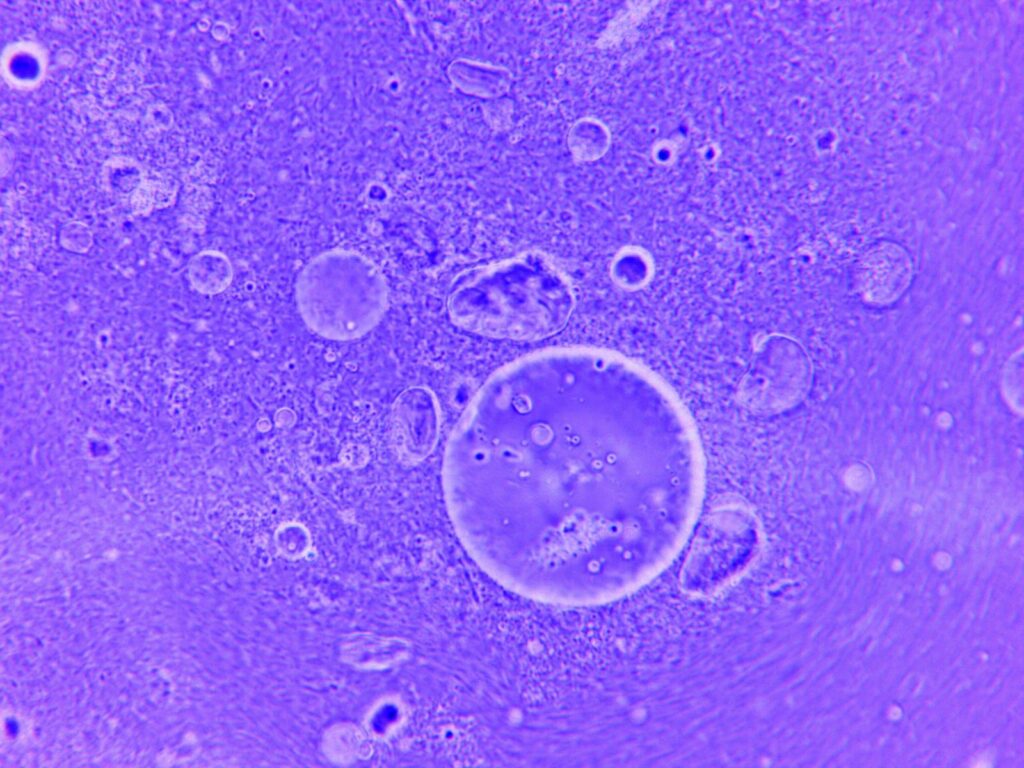
Monocytes, a type of white blood cell, have been studied for their epigenetic age in relation to depression.
The findings suggest that emotional symptoms of depression may be linked to the biological age of these cells, offering a new perspective on mental health evaluation.
3. The Mind-Body Dialogue

The interaction between mental states and physical conditions is a complex dialogue that challenges traditional dualistic views.
This ongoing conversation between mind and body is crucial for understanding the holistic nature of health and disease.
2. Philosophical Implications

The findings on depression and immune function revive age-old philosophical questions about the nature of mind and body.
While the mind feels real and embodied, the precise relationship between mental experiences and physical states remains a profound mystery.
1. Future Research Directions

The study of depression’s link to the immune system is just beginning, with many questions left unanswered.
Future research may explore how measuring the biological age of immune cells could aid in identifying at-risk individuals and tailoring personalized treatments for depression.
Read More:
- The Crucial Link Between Circadian Rhythms and Heart Health
- Understanding the Alcohol-Breast Cancer Link: What Women Need to Know
- 10 Surprising Connections Between Diabetes and Dementia