
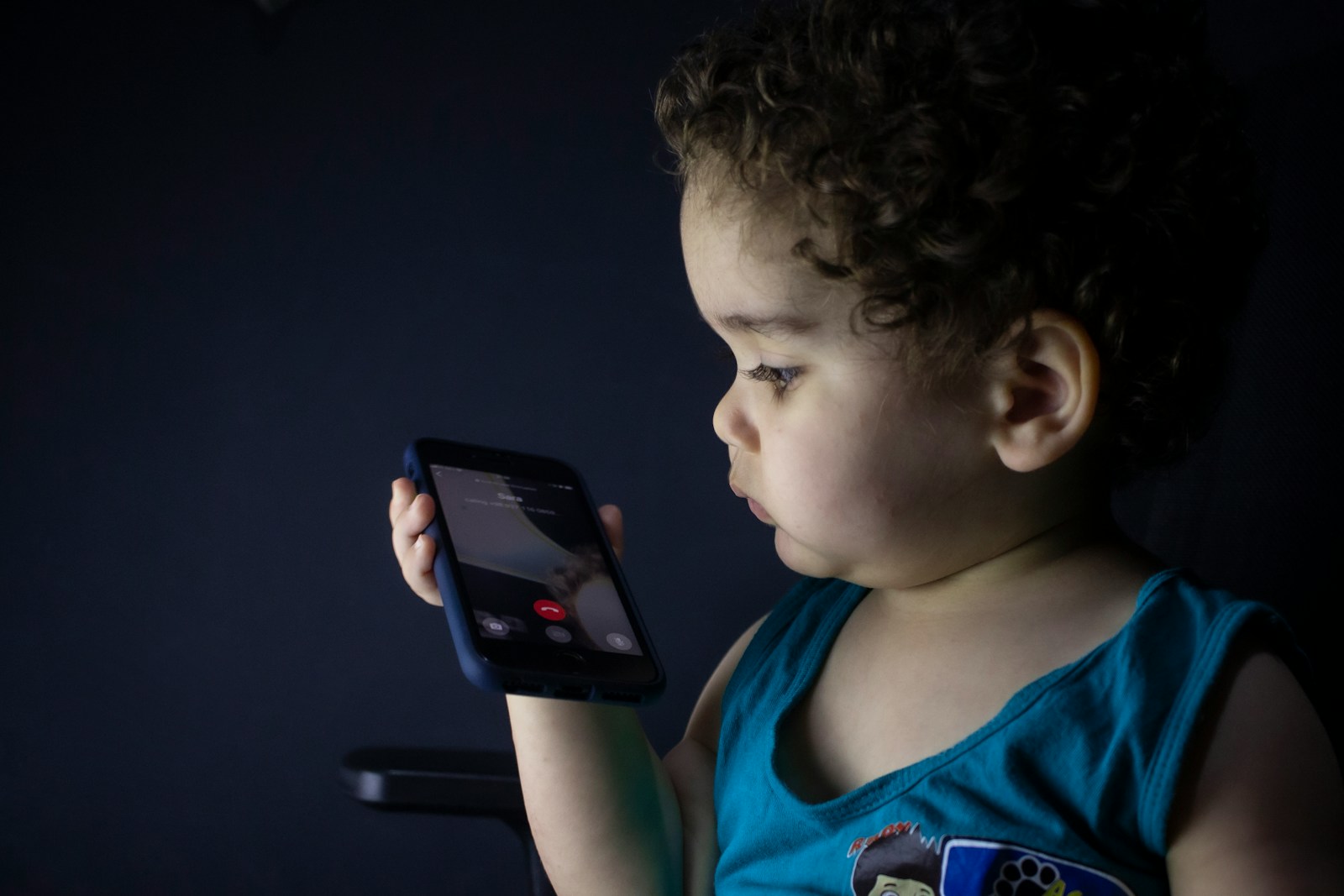
In today’s digital age, screens have become an almost ubiquitous part of daily life, even for the youngest members of our society. Many parents use phones and tablets as convenient tools to keep their babies occupied during various activities. However, a significant new study warns that regular screen exposure before the age of two can pose serious developmental risks.
The research, conducted by several UK universities, sheds light on the potential negative impacts of screen time on infants and toddlers. From sleep disturbances to social interaction challenges, the study outlines a range of concerns that parents should be aware of. Here are nine developmental risks associated with screen use before age two.
9. Sleep Problems

Screen exposure can interfere with a child’s sleep patterns, leading to difficulties in falling and staying asleep.
Blue light emitted from screens can disrupt the natural production of melatonin, a hormone that regulates sleep. This disruption can cause irregular sleep cycles, impacting a child’s overall development.
8. Language Delays

Early screen time can hinder language development in infants and toddlers.
Children learn language through interaction and conversation with caregivers. Excessive screen time can reduce these valuable interactions, potentially delaying speech and language skills.
7. Behavioral Difficulties

Children exposed to screens at an early age may exhibit behavioral issues as they grow.
Frequent screen use can lead to reduced attention spans and increased irritability, as children become accustomed to the fast-paced stimulation of digital media.
6. Risk of Obesity
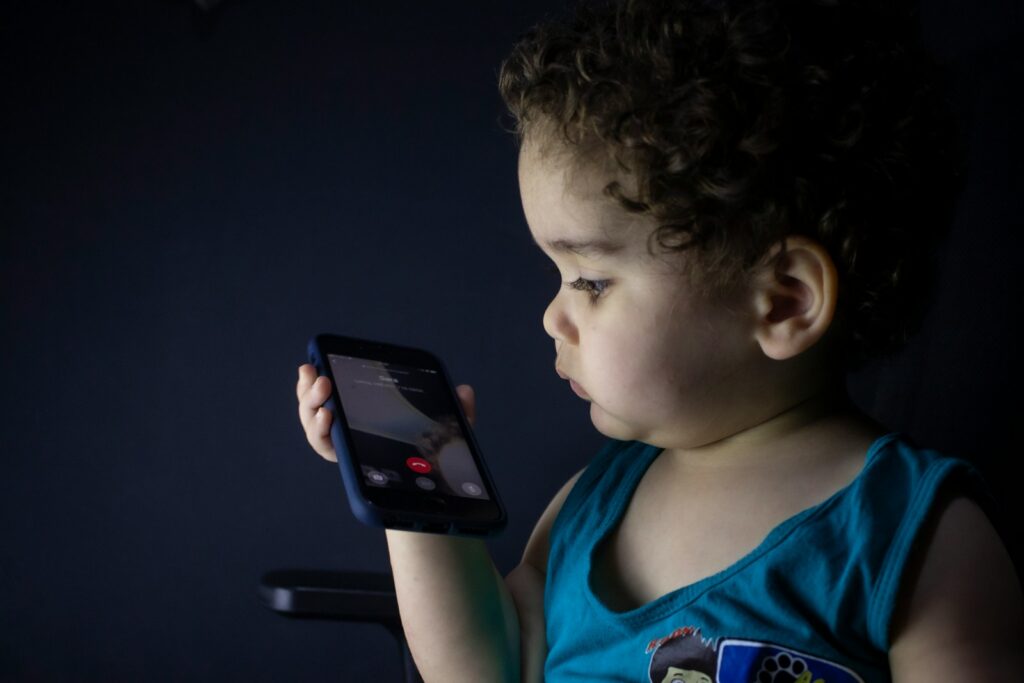
Screen time is associated with a higher risk of obesity in young children.
Sedentary activities like watching screens often replace physical play, reducing the opportunities for active movement that are crucial for healthy growth and weight management.
5. Short-Sightedness

Prolonged screen exposure can contribute to vision problems, including short-sightedness.
Focusing on screens for extended periods can strain young eyes and potentially lead to myopia, a condition that is becoming increasingly common in children.
4. Social Interaction Challenges

Early screen use can hinder a child’s ability to develop critical social skills.
Face-to-face interactions are essential for learning social cues and building relationships. Screens can limit these interactions, affecting a child’s social development.
3. Reduced Caregiver Interaction

Screens can inadvertently reduce the amount of quality interaction between caregivers and children.
Caregiver interaction is crucial for emotional bonding and development. When screens replace this interaction, children may miss out on essential emotional support and guidance.
2. Dependence on Screens

Introducing screens early can lead to a dependency that persists into later childhood.
Children who use screens as a primary source of comfort may struggle to engage in other activities, impacting their ability to self-soothe without digital devices.
1. Limited Physical Play

Screen time can significantly limit the amount of physical play, which is vital for development.
Physical play helps develop motor skills, coordination, and strength. When screen time takes precedence, it can reduce opportunities for active play, affecting physical growth.
Read More:
- 10 Tips for Helping Children and Teens Manage Anxiety
- 10 Drink Choices That Shape Your Child’s Heart Health
- 10 Ways to Teach Kids to Question AI Answers