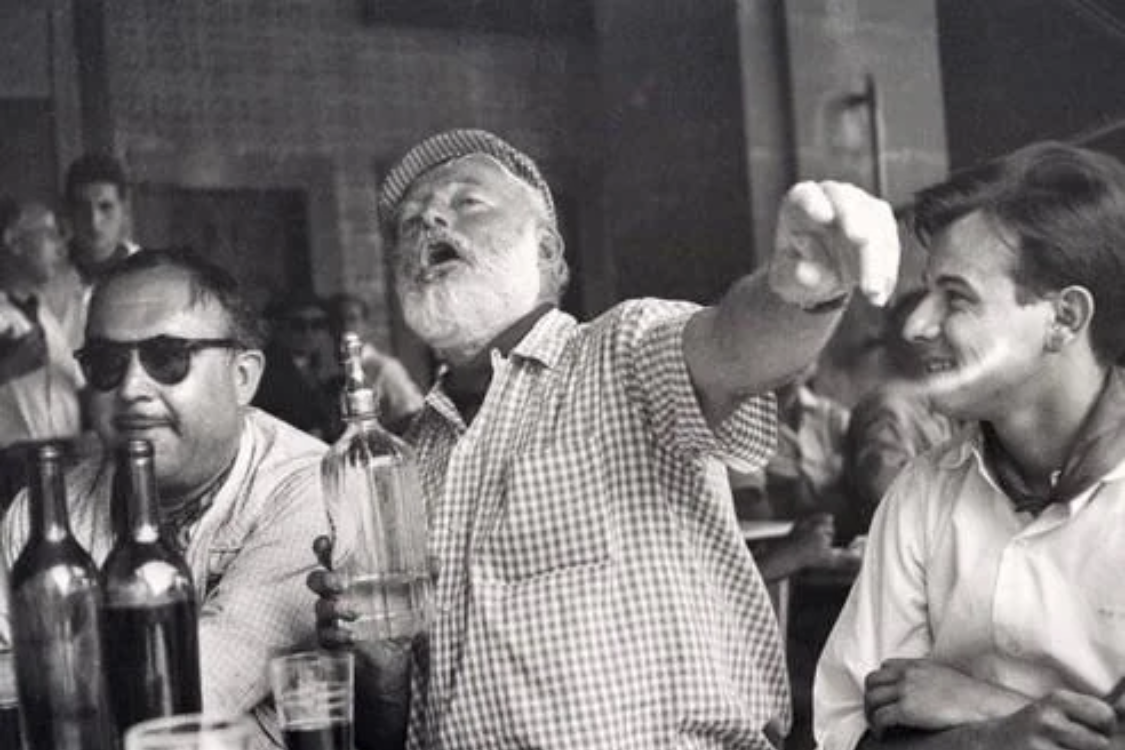
For decades, the phrase “write drunk, edit sober” has been linked to Ernest Hemingway, suggesting a devil-may-care approach to writing that fits the image of the adventurous, hard-drinking author. However, quotation researchers have found no reliable evidence that Hemingway ever said or wrote it. While Hemingway’s love for a good drink is well-documented, the truth about his writing habits is far more disciplined.
Hemingway was known for his strict writing routine, which involved early mornings and sober focus. So where did this infamous phrase come from? Here are 7 intriguing facts that shed light on the origins and misconceptions surrounding this quote.
7. Hemingway’s Morning Routine
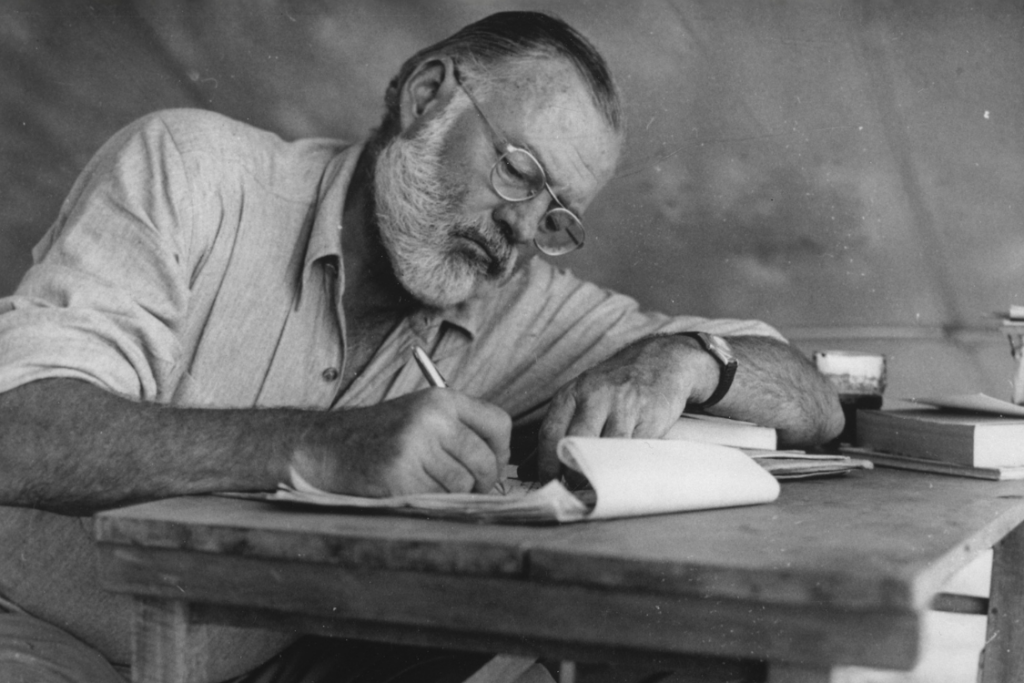
Despite his reputation, Hemingway was a disciplined writer.
He believed in starting his writing day early, as soon after first light as possible, while his mind was clear. His granddaughter Mariel Hemingway confirmed that he never wrote drunk, debunking the myth of his supposed inebriated creativity.
6. The Faulkner Connection
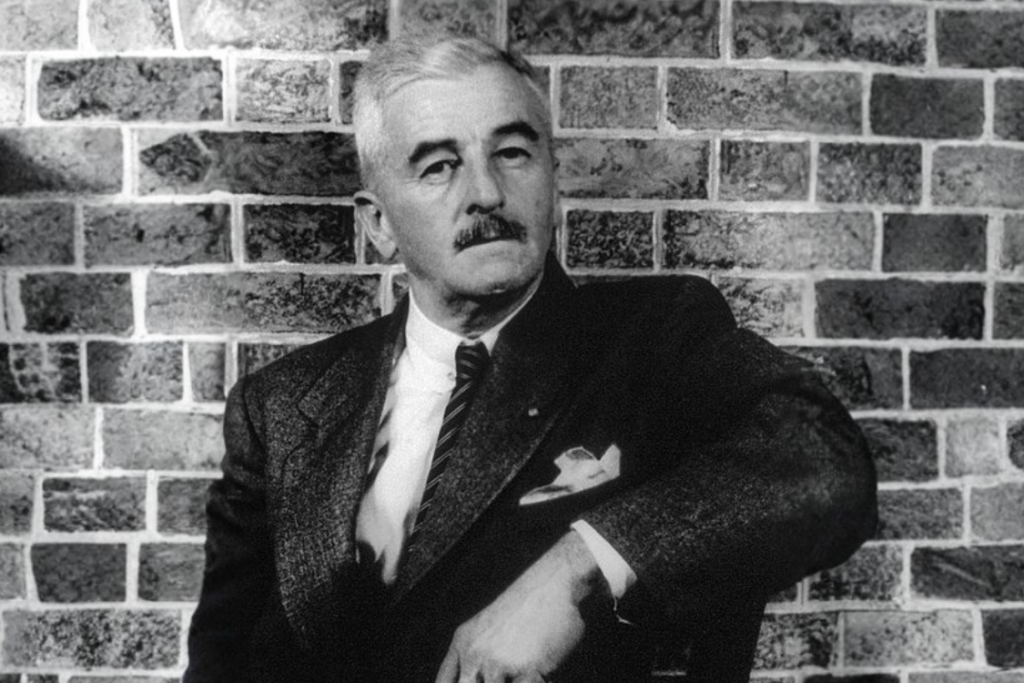
Hemingway and William Faulkner had a well-known rivalry and occasionally criticized one another’s work.
Hemingway once suggested that Faulkner might be the one to write under the influence, claiming he could tell when Faulkner had his first drink just by reading his work.
5. Peter De Vries’ Influence
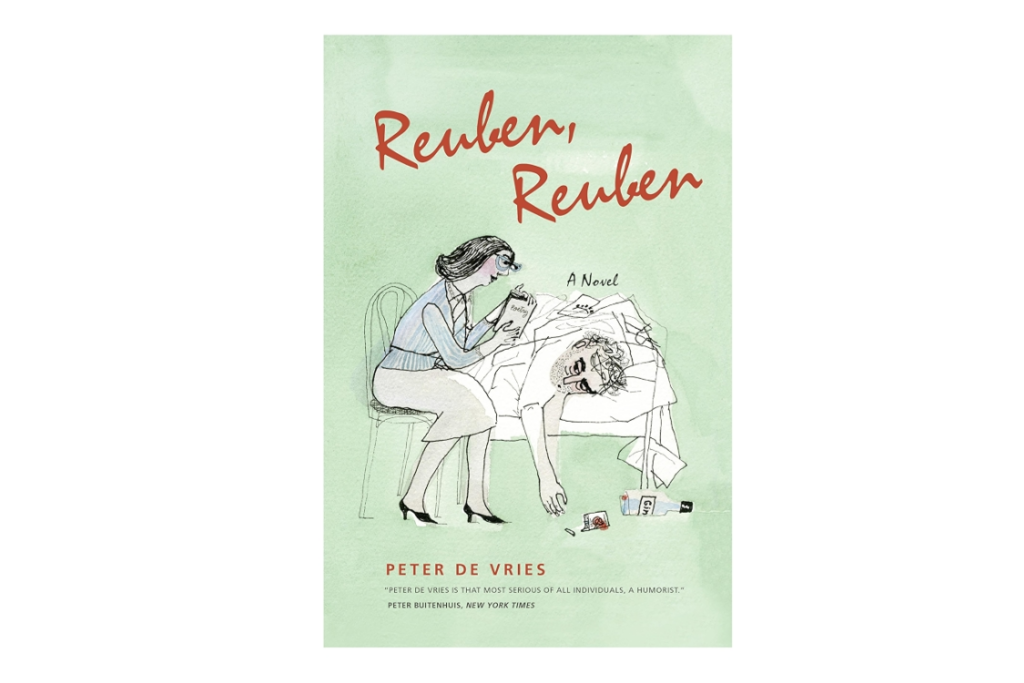
The earliest strong match for the saying appears in a novel by Peter De Vries.
In “Reuben, Reuben,” a character mentions writing drunk and revising sober, highlighting the dual nature of creativity. This could be the true source of the famous saying.
4. The Apollonian and Dionysian

The original passage reflects a balance between spontaneity and discipline.
De Vries’ character elaborates on the need for both emotional and restrained elements in the creative process, a concept that resonates with many artists.
3. Hemingway’s True Reward
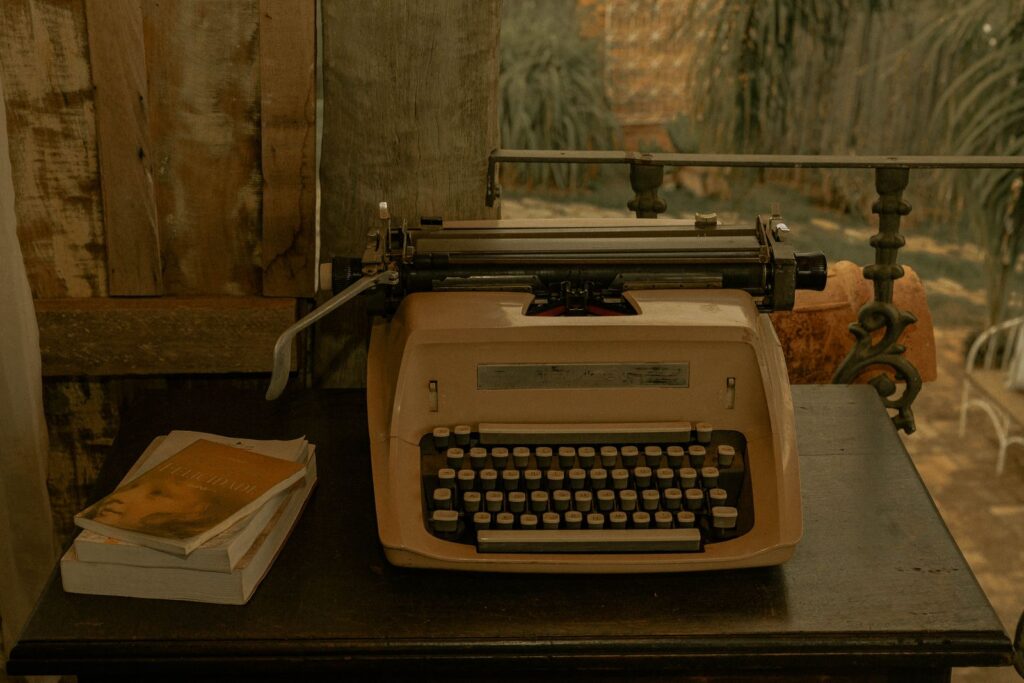
For Hemingway, writing and drinking were generally portrayed as separate activities.
Accounts of his routine indicate that he usually completed his writing in the morning, while drinking was more closely associated with his social and leisure time.
2. The Power of a Good Story
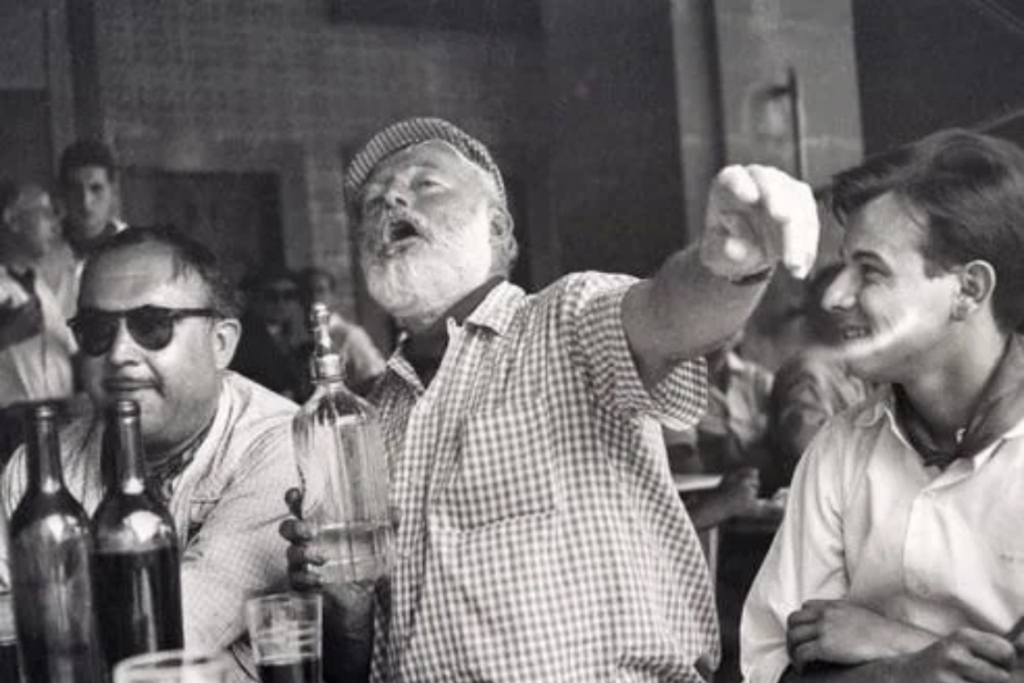
The quote’s endurance is a testament to its narrative appeal.
Despite being unsupported, the image of Hemingway writing while drunk fits the popular mythology surrounding his adventurous life and heavy drinking.
1. Separating Fact from Fiction

Understanding the truth behind the quote helps demystify Hemingway’s process.
By exploring its origins, we gain a clearer picture of Hemingway’s disciplined approach to writing, separating the man from the myth.
Read More:
- 10 Greek Mythology Words You Use Every Day
- 9 Ways Misspelled Words Illuminate Our Connections
- 9 Reasons Why Writing is a Powerful Tool for Introverts