

When it comes to healthy skin, most people focus on what they put on their face. But growing research suggests that what happens in your digestive system may also play a role in how your skin looks and feels.
The gut microbiome—a vast community of bacteria, fungi, and other microorganisms living in the digestive tract—helps regulate digestion, immune function, and inflammation. Because inflammation is linked to many common skin concerns, researchers have become increasingly interested in what’s known as the gut-skin axis.
Here are 10 ways gut health may influence your complexion.
1. Your Gut and Skin Are Constantly Communicating

Researchers use the term “gut-skin axis” to describe the connection between the digestive system, immune system, and skin.
Because the gut plays a major role in regulating inflammation and immune responses, imbalances in digestive health can sometimes show up through changes in the skin.
2. Inflammation Can Affect More Than Digestion

When the body experiences ongoing inflammation, it can impact multiple systems—including the skin.
While skin conditions have many potential causes, inflammation has been linked to concerns such as acne, rosacea, eczema, and psoriasis. Supporting overall health may help reduce some inflammatory triggers.
3. Fiber Helps Feed Beneficial Gut Bacteria
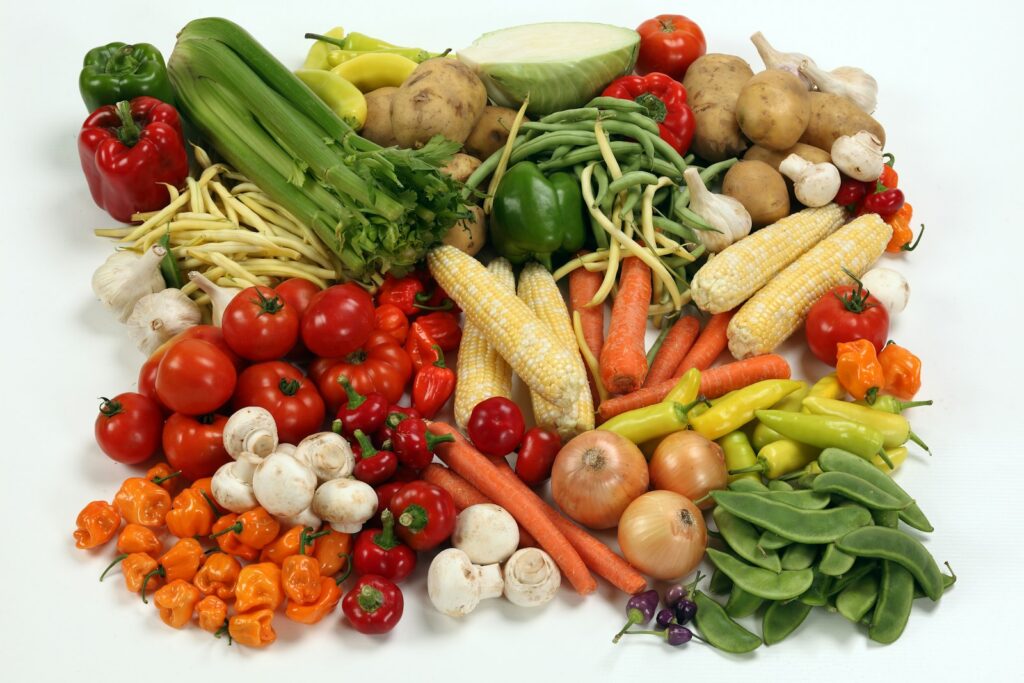
Fiber-rich foods act as fuel for beneficial microbes living in the digestive tract.
Foods that support a healthy microbiome include:
- Fruits
- Vegetables
- Beans and legumes
- Whole grains
- Nuts and seeds
A diverse diet often supports a more diverse gut microbiome.
4. Fermented Foods May Support Microbiome Diversity

Fermented foods naturally contain beneficial microorganisms that may contribute to gut health.
Popular options include:
- Yogurt with live cultures
- Kefir
- Kimchi
- Sauerkraut
- Miso
- Tempeh
While fermented foods aren’t a cure-all, they can be part of a balanced diet that supports digestive wellness.
5. Probiotics Continue to Be Studied

Probiotics are live microorganisms that may offer health benefits when consumed in adequate amounts.
Some research suggests certain probiotic strains may help support skin health by influencing inflammation and immune function, although results vary depending on the condition being studied.
6. Prebiotics Help Beneficial Bacteria Thrive
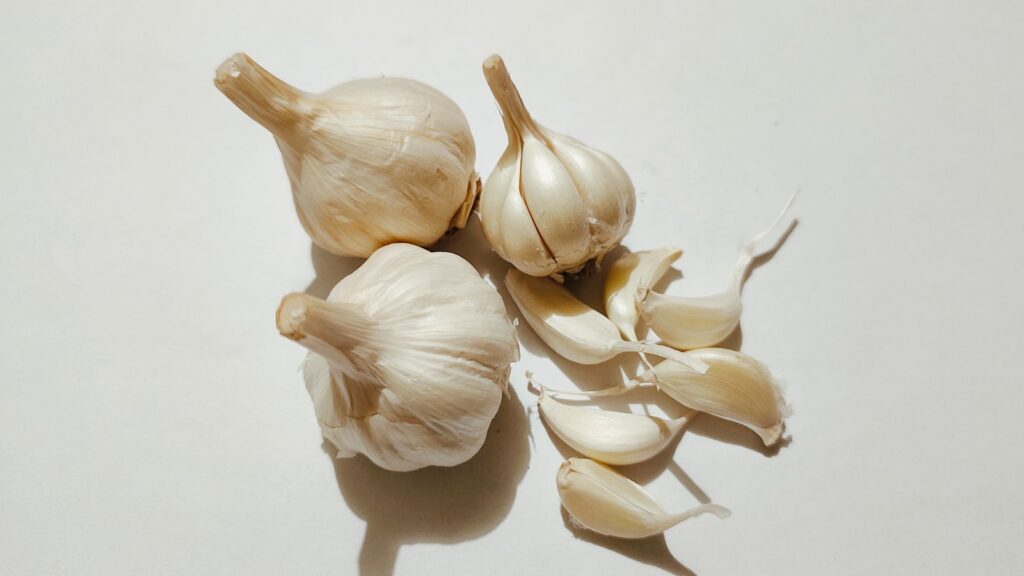
Prebiotics are fibers that nourish the healthy bacteria already living in your gut.
Foods naturally rich in prebiotics include:
- Garlic
- Onions
- Leeks
- Asparagus
- Bananas
- Oats
Think of probiotics as adding beneficial bacteria and prebiotics as feeding them.
7. Highly Processed Diets May Affect Both Gut and Skin Health

Diets high in ultra-processed foods, added sugars, and heavily refined carbohydrates have been associated with increased inflammation in some individuals.
While occasional treats are part of a balanced lifestyle, emphasizing whole foods may benefit both digestive and overall health.
8. Hydration Supports Multiple Systems

Water plays an important role in digestion, circulation, and skin function.
Staying hydrated helps support normal digestive processes while also contributing to skin’s overall appearance and comfort. While water alone won’t eliminate skin problems, it remains a foundational part of wellness.
9. Stress Can Affect the Gut-Skin Axis

Stress doesn’t only impact your mood.
Research shows that chronic stress can influence the gut microbiome, digestive function, hormone levels, and inflammatory responses. These changes may contribute to flare-ups of certain skin conditions in some people.
Activities such as walking, meditation, deep breathing, and regular exercise may support both stress management and overall well-being.
10. Healthy Skin Often Reflects Overall Health

There is rarely a single food, supplement, or skincare product responsible for clear skin.
Instead, skin health is often influenced by a combination of factors, including:
- Diet quality
- Sleep habits
- Stress levels
- Hydration
- Genetics
- Skincare routines
- Overall health conditions
Taking a whole-body approach often provides the most sustainable results.
Why the Gut-Skin Connection Matters

Scientists are still learning exactly how digestive health influences the skin, but the connection appears to be real. A healthy microbiome supports immune function, helps regulate inflammation, and contributes to overall wellness—all factors that may influence how your skin looks and feels.
While there’s no guarantee that improving gut health will eliminate every skin concern, building habits that support digestion—such as eating more fiber, staying hydrated, managing stress, and choosing nutrient-dense foods—can benefit both your complexion and your overall health.
Read More:
- 15 Clever Ways to Drink More Water Every Day (Without Trying Hard)
- Not a Morning Person? 10 Ways to Change That
- 10 Common Foods That May Help Reduce Inflammation