
Chewing gum has a long and intriguing history that stretches back to ancient times. From its origins with indigenous peoples to its commercial evolution in the 19th and 20th centuries, gum has undergone significant transformations. Each phase of its development reveals fascinating insights into cultural practices and entrepreneurial innovations.
The journey of chewing gum is marked by pivotal moments and inventive minds that shaped its course. Here are 10 milestones in the evolution of chewing gum that highlight its transformation over the years.
10. Indigenous Chewing Practices
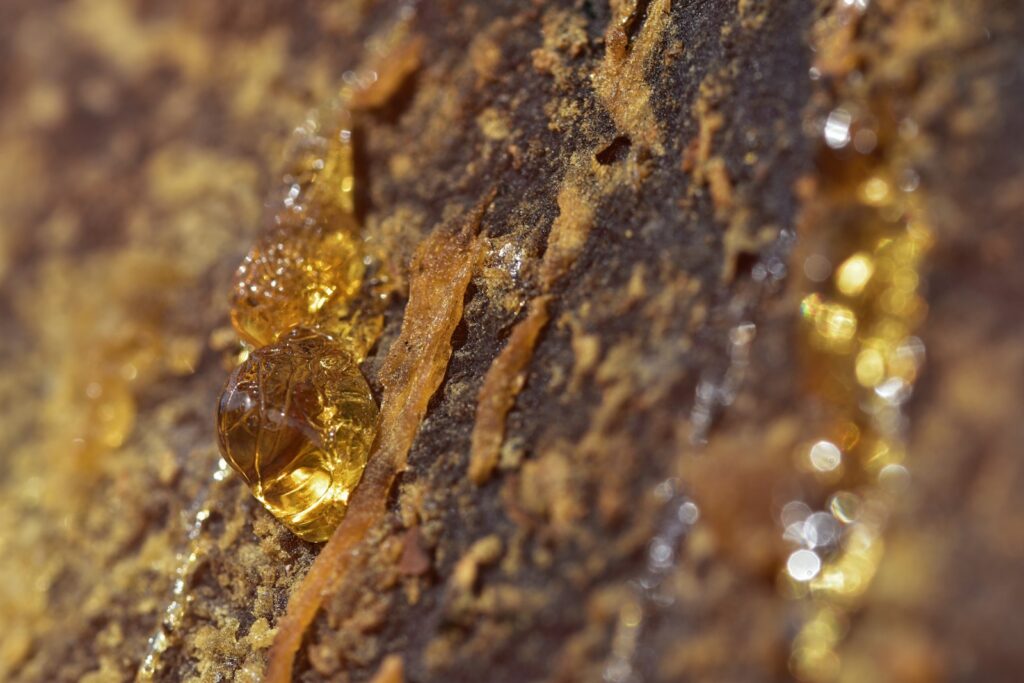
Indigenous people in North America were the first to chew spruce tree resin. This practice was later adopted by European settlers.
The natural resin was used for its chewy texture, although it was not perfect due to its brittleness and taste. This early form of gum laid the groundwork for future innovations.
9. John Curtis and Spruce Gum

In the late 1840s, John Curtis commercialized spruce tree gum, making it the first mass-produced chewing gum.
Curtis’s innovation involved boiling resin and coating it with cornstarch to prevent sticking. Despite its initial success, the limitations of spruce resin soon became apparent.
8. The Advent of Paraffin Wax

As spruce resin proved inadequate, gum producers began using paraffin wax. This marked a significant improvement in texture and taste.
Paraffin wax offered a more palatable and durable chewing experience, paving the way for further innovations in the industry.
7. Thomas Adams and Chicle
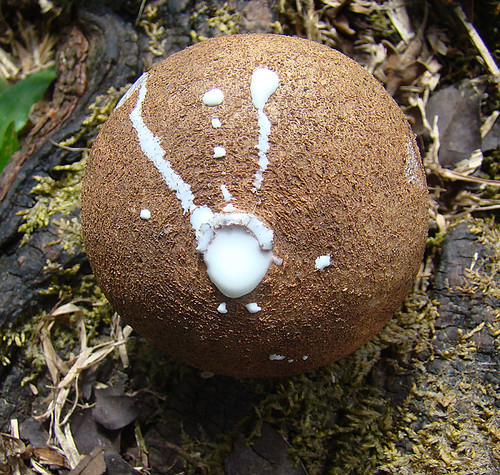
Thomas Adams experimented with chicle, a natural gum base from Mexico, after acquiring it from Antonio Lopez de Santa Anna.
Initially intended as a rubber substitute, chicle found its true purpose in gum production, leading to the creation of a superior chewing gum.
6. Rise of the Wrigley Empire
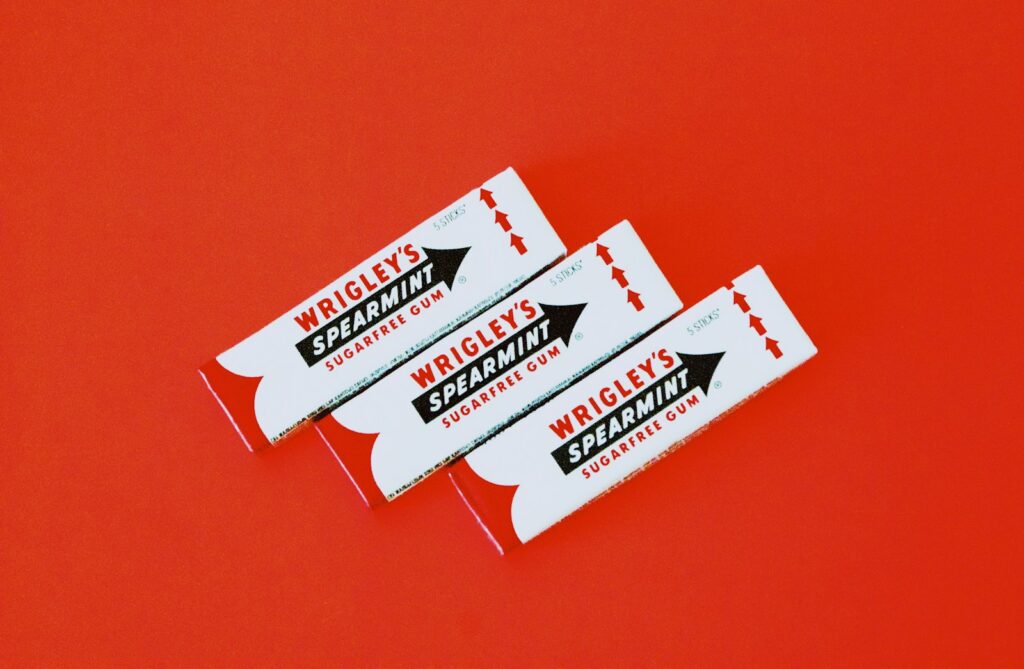
William Wrigley Jr. transformed chewing gum into a household staple through innovative marketing strategies.
By offering free gum as a promotional tool and investing heavily in advertising, Wrigley made brands like Juicy Fruit and Wrigley’s Spearmint iconic.
5. Marketing Mastery

Wrigley’s innovative marketing included sending free samples to millions of Americans, a novel approach at the time.
This strategy not only increased brand recognition but also cemented gum’s place in American culture.
4. Frank Fleer’s Bubble Gum Quest

Frank Fleer aimed to stand out by creating a gum that could be blown into bubbles, leading to the invention of Blibber-Blubber.
Although the initial product was too sticky, it set the stage for future developments in bubble gum.
3. Walter Diemer’s Dubble Bubble

In 1928, Walter Diemer perfected the bubble gum formula with Dubble Bubble, revolutionizing the market.
Diemer’s creation was less sticky and more elastic, allowing for larger bubbles, and became a commercial success.
2. Synthetic Ingredients Take Over

By the mid-1900s, synthetic ingredients replaced chicle in gum production, offering cost-effective and stable alternatives.
This shift allowed for a wider variety of flavors and textures, transforming gum into a versatile product.
1. Modern Gum Innovations

Today, gum is available in countless flavors and forms, from sugar-free options to functional gums that offer health benefits.
While Willy Wonka’s three-course dinner gum remains fictional, the innovations in the gum industry continue to surprise and delight consumers worldwide.
Read More:
- 10 Foods People in the ‘Odyssey’ Might Have Actually Eaten
- 10 Things Every British Regency Family Owned
- 10 Foods Apollo 11 Astronauts Ate in Space