
Your gut microbiome is made up of trillions of microorganisms that play a key role in digestion, nutrient absorption, and overall health.
While no single food can “fix” your digestive system, certain foods, especially those rich in fiber, prebiotics, and probiotics, can help support healthy digestion and regularity.
Here are 10 foods that may benefit your gut.
10. Fermented Foods

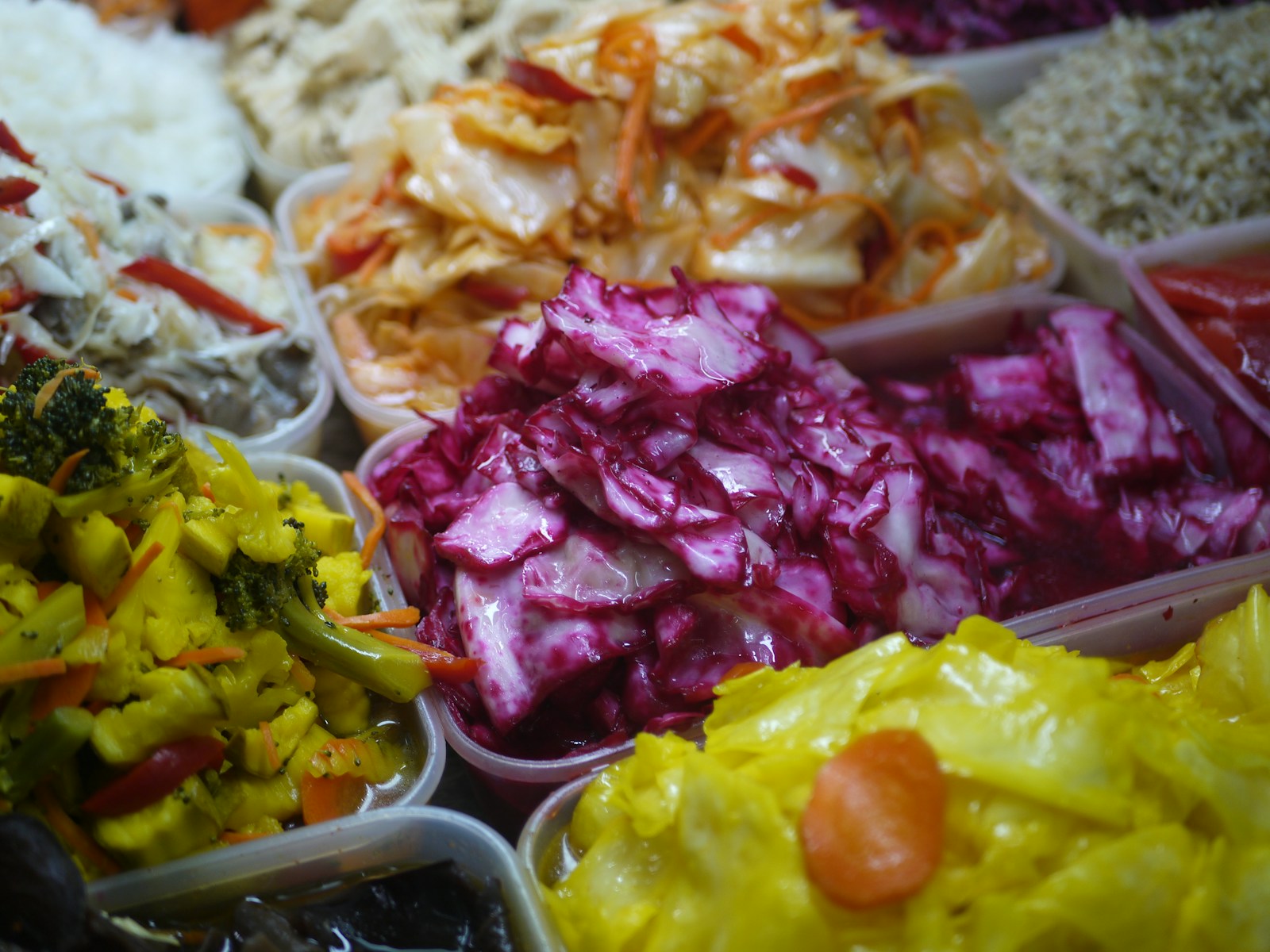
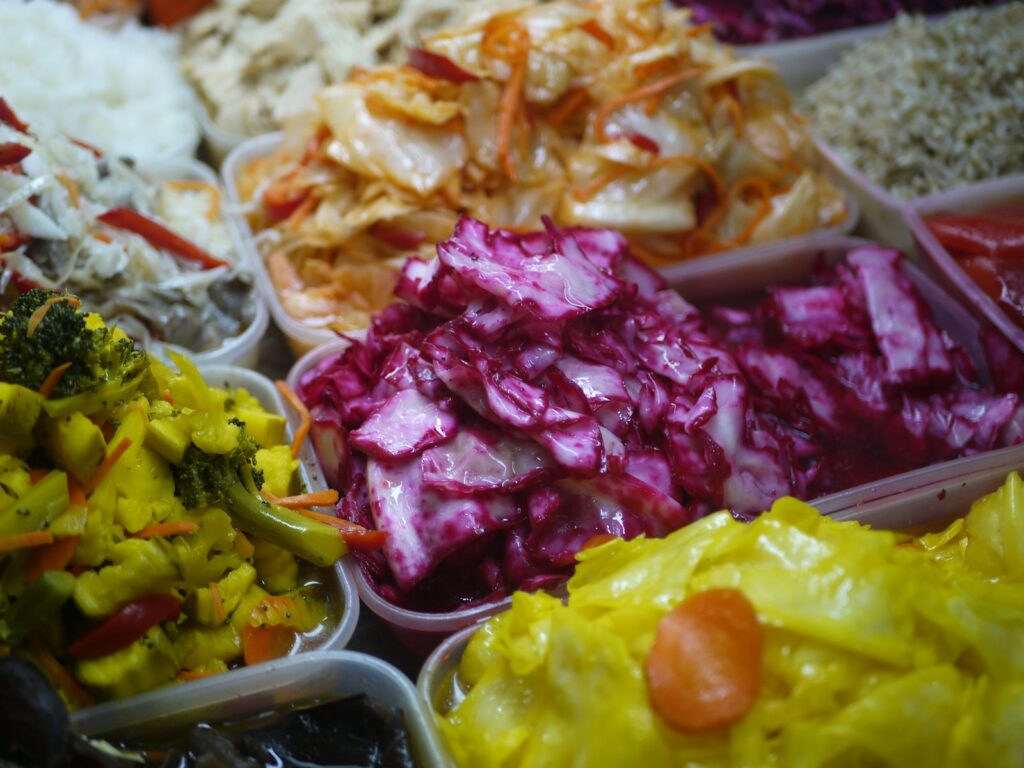
Fermented foods like yogurt, kefir, kimchi, sauerkraut, miso, and kombucha contain live microorganisms (probiotics).
These can help support a healthy balance of gut bacteria, especially when consumed regularly. Some fermented dairy products may also be easier to digest for people sensitive to lactose.
9. Whole Grains
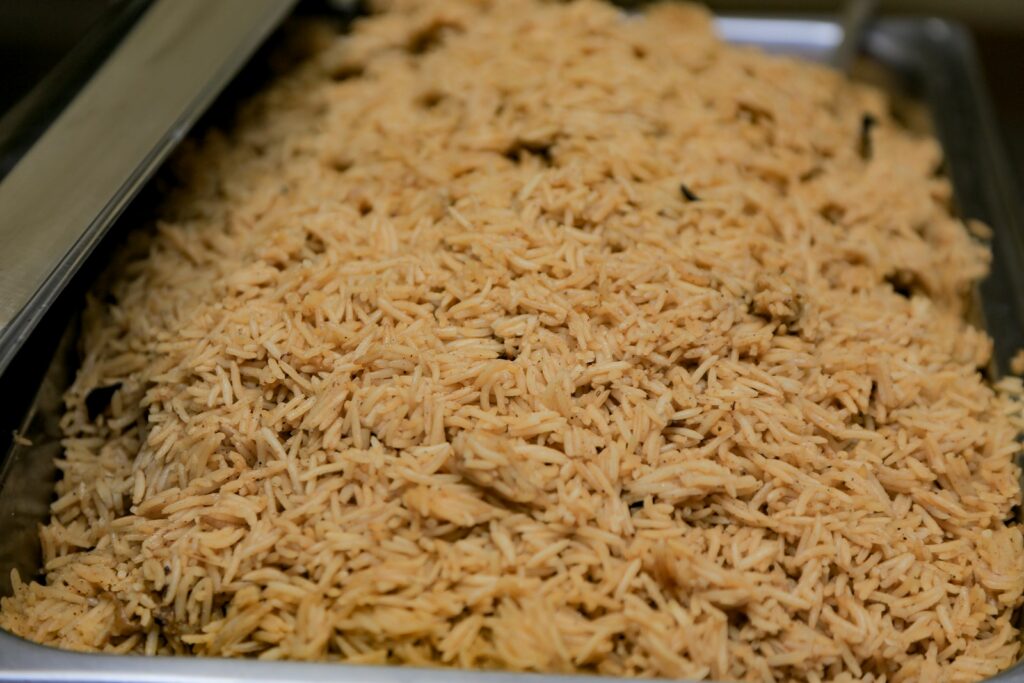
Whole grains such as oats, brown rice, whole wheat, and quinoa are rich in fiber.
Fiber helps promote regular bowel movements and feeds beneficial gut bacteria. Choosing whole grains over refined grains supports both digestive and overall health.
8. Bananas
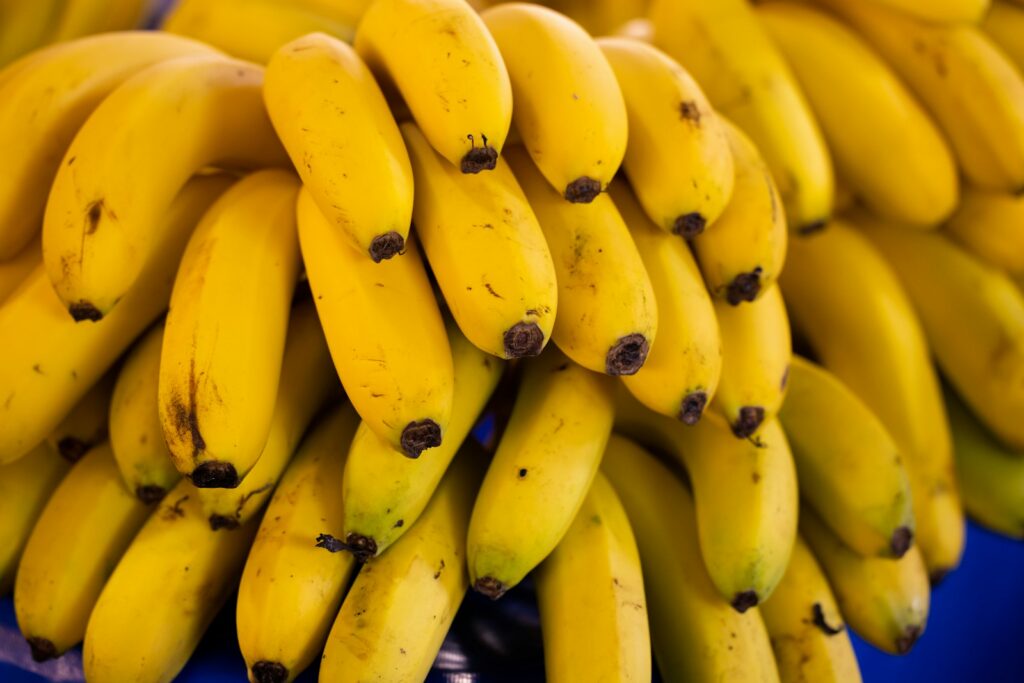
Bananas contain soluble fiber, including pectin, which can help regulate bowel movements.
They also provide prebiotics that feed beneficial gut bacteria. Ripe bananas are generally easier to digest, while less-ripe bananas contain more resistant starch.
7. Broccoli
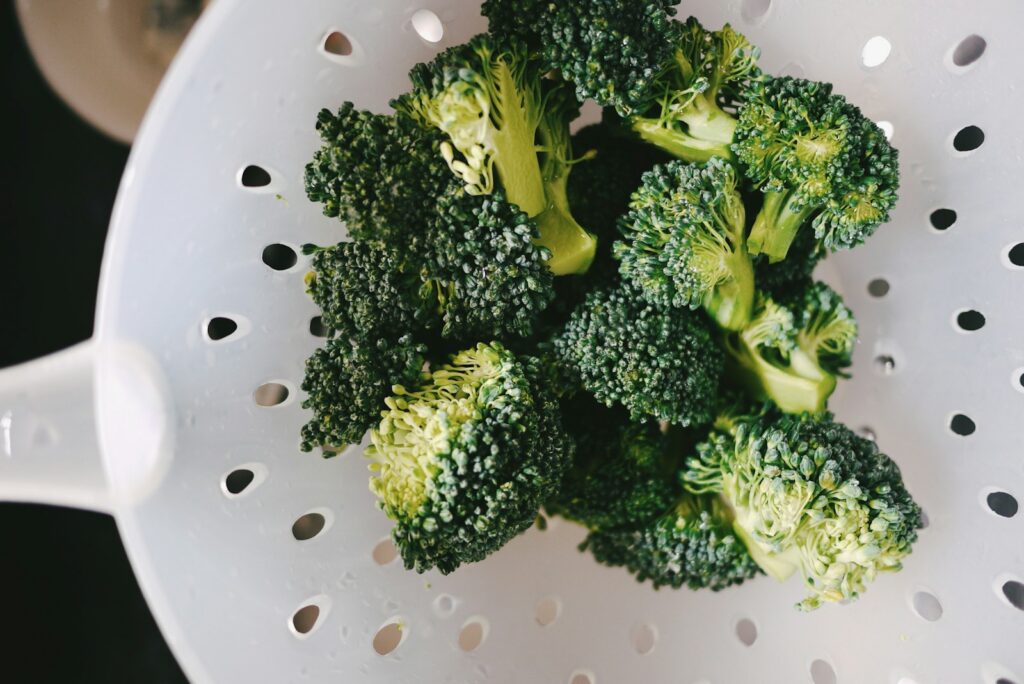
Broccoli is high in fiber and contains compounds that may support gut health.
It also provides sulforaphane, an antioxidant that has been studied for its role in supporting the gut lining and reducing inflammation.
6. Avocados
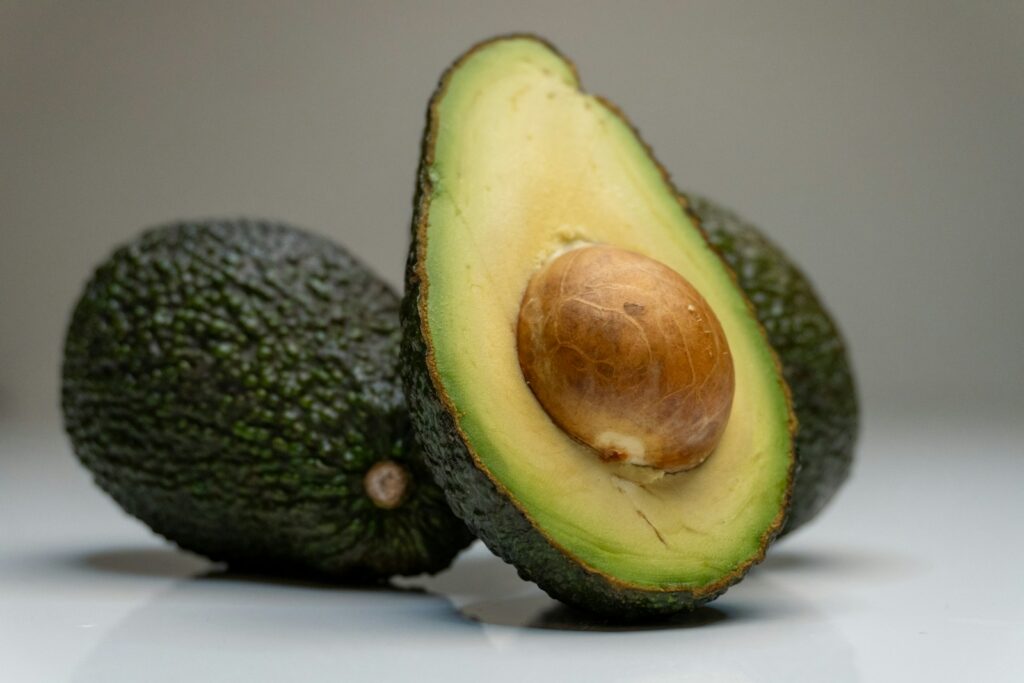
Avocados are rich in both soluble and insoluble fiber, which support digestion and stool regularity.
They also contain healthy fats that may help with nutrient absorption and overall gut health.
5. Almonds
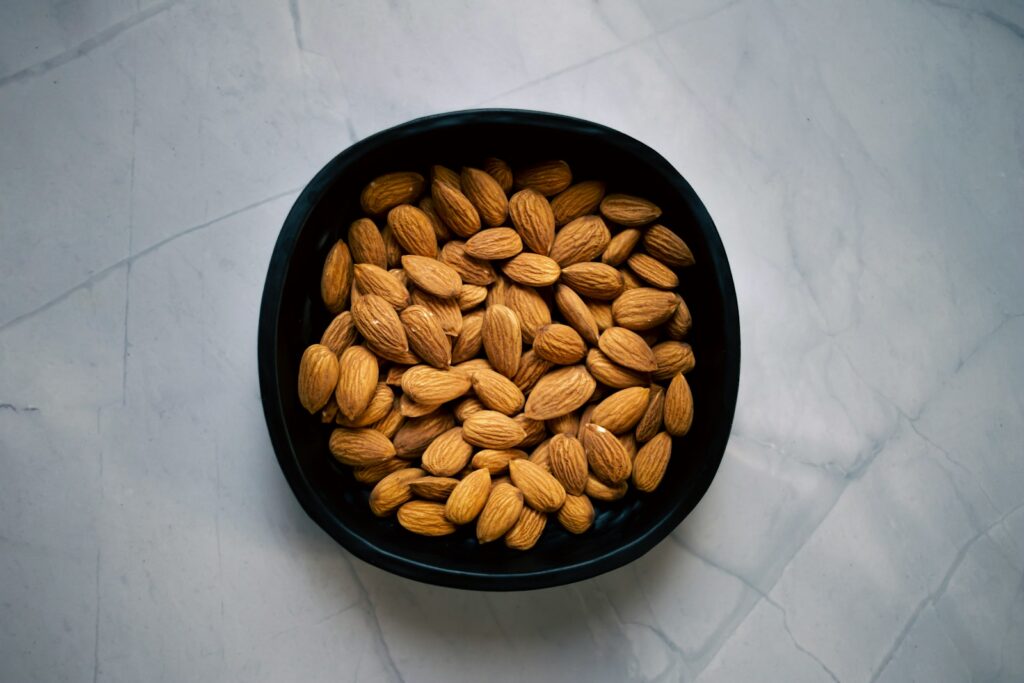
Almonds provide fiber, healthy fats, and polyphenols that may support beneficial gut bacteria.
Some research suggests almonds can increase the production of short-chain fatty acids like butyrate, which play a role in colon health.
4. Beans and Legumes
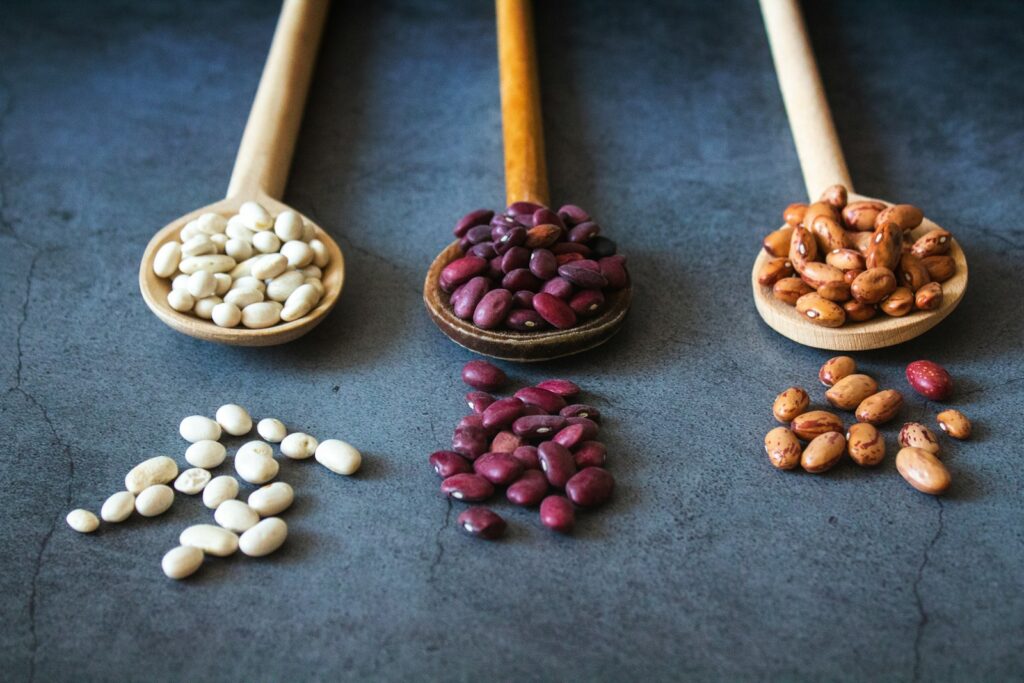
Beans, lentils, and chickpeas are excellent sources of fiber and resistant starch.
These nutrients feed gut bacteria and support regular digestion. While they can cause gas in some people, gradually increasing intake can help the body adjust.
3. Sweet Potatoes
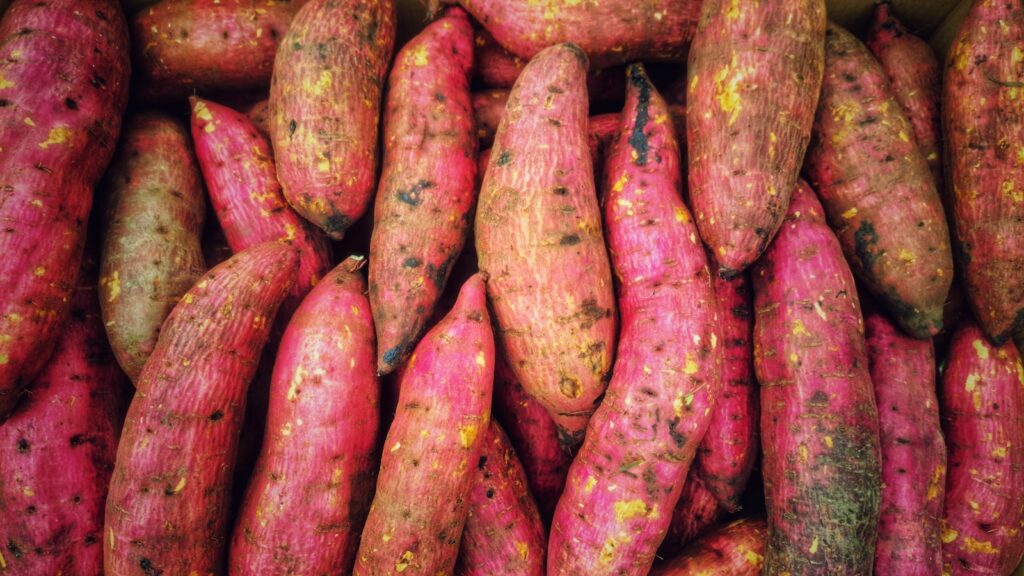
Sweet potatoes are rich in fiber and contain compounds that act as prebiotics.
They support healthy digestion and help maintain regular bowel movements. Different varieties, including purple sweet potatoes, also contain beneficial antioxidants.
2. Apples
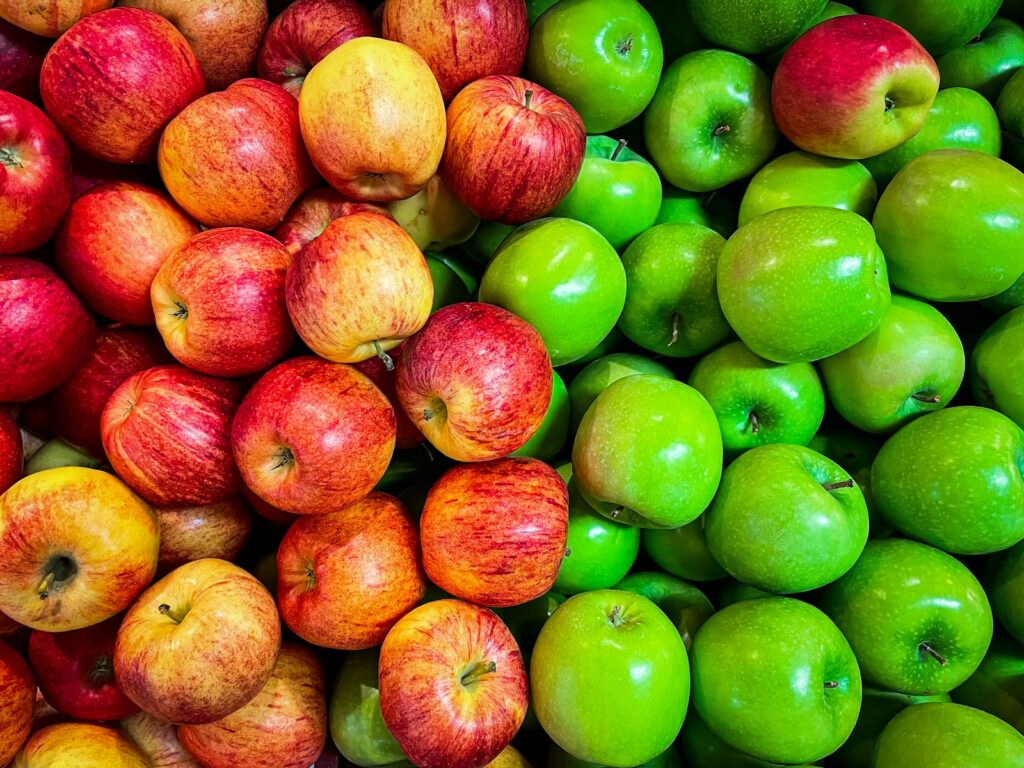
Apples are high in soluble fiber, particularly pectin.
Pectin acts as a prebiotic, helping feed beneficial gut bacteria and supporting digestive health. Eating the skin adds additional fiber.
See 10 Foods That Have More Vitamin C Than Oranges for more nutrition picks.
1. Garlic
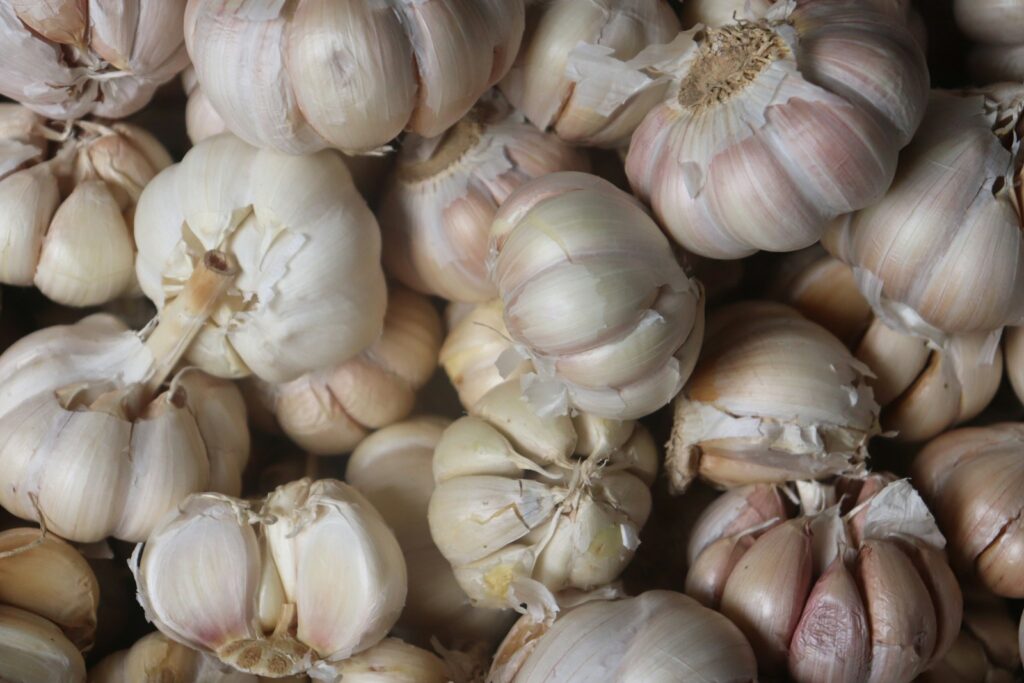
Garlic contains prebiotic compounds like fructans that feed beneficial gut bacteria.
It also contains sulfur compounds that have been studied for their antimicrobial properties. While helpful in moderate amounts, garlic can trigger symptoms in people with sensitive digestion (such as those with IBS).
Explore Why the Mediterranean Diet Keeps Winning (20 Big Reasons) for a broader eating guide.
The Bottom Line
Supporting digestion isn’t about one “superfood.” It’s about consistent habits.
A diet rich in fiber, plant-based foods, and fermented products can help maintain a healthy gut microbiome and promote better digestive function over time.
Check The 15 Best Foods for Your Immune System for more everyday wellness foods.