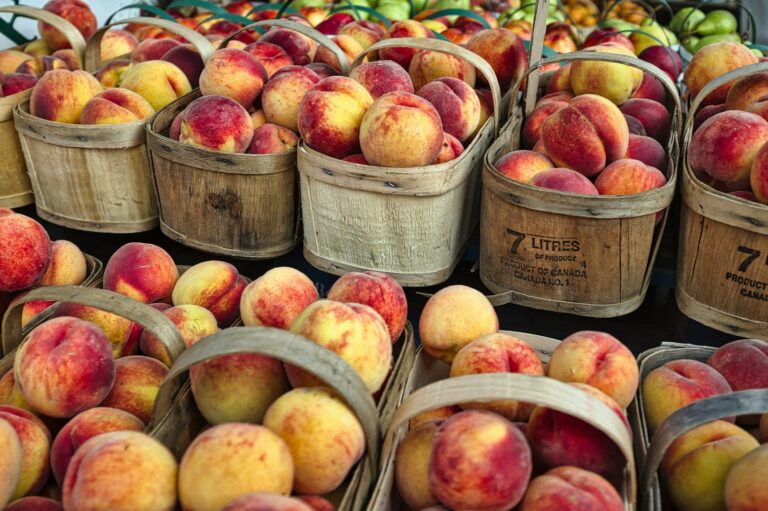
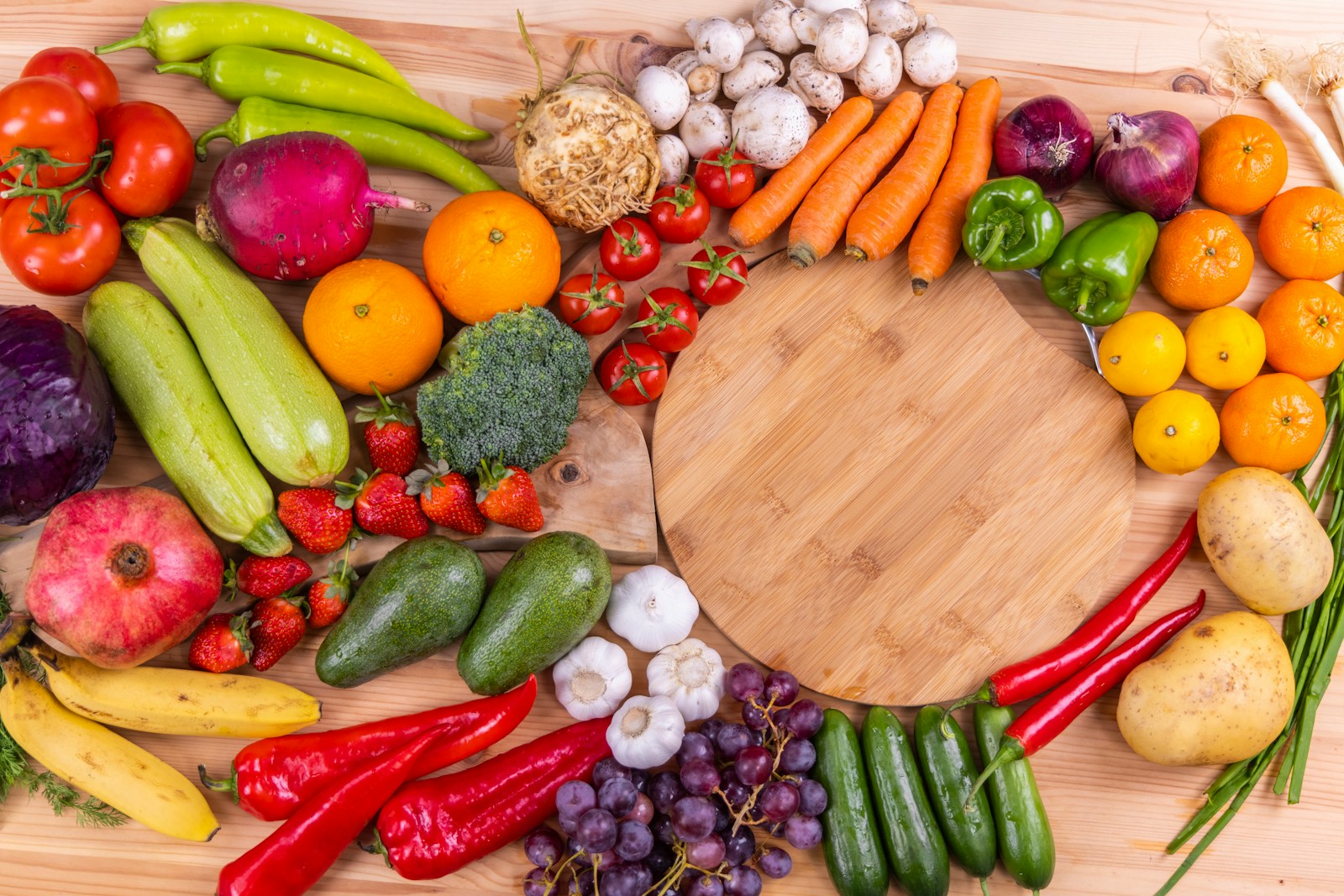
You’ve probably heard the advice to “eat the rainbow.” And it turns out that’s especially true for brain health.
While no single food can prevent cognitive decline, diets rich in antioxidants, healthy fats, vitamins, and fiber are consistently linked to better brain function over time. Patterns like the Mediterranean and MIND diets emphasize many of the foods below.
Here are 10 foods that may help support brain health.
10. Red Wine (in Moderation)

Red wine contains polyphenols, such as resveratrol, which have been studied for their potential benefits for the brain and heart.
Some research links light to moderate consumption (if you already drink) with a lower risk of cognitive decline—but more is not better. Alcohol can harm brain health at higher levels, so this isn’t a recommendation to start drinking.
9. Nuts
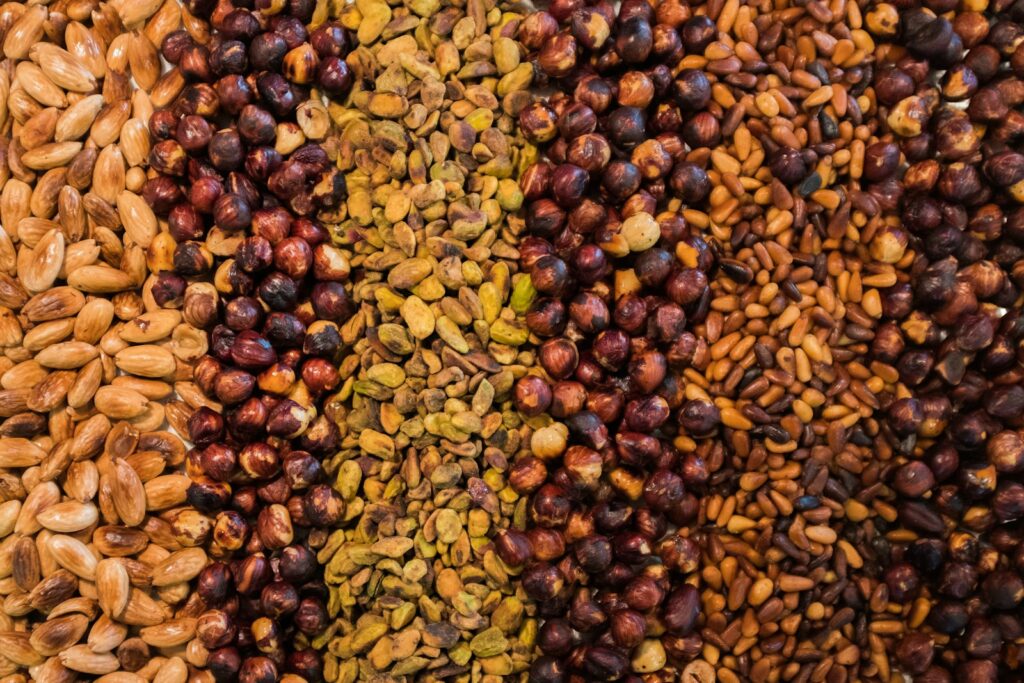
Nuts—especially walnuts—are rich in healthy fats, vitamin E, and antioxidants.
Vitamin E has been linked to slower cognitive decline, and regular nut consumption is associated with better overall brain and heart health.
8. Berries

Berries like blueberries and strawberries are packed with flavonoids and anthocyanins.
These compounds are associated with improved memory and may help delay age-related cognitive decline in some studies.
7. Beans and Legumes
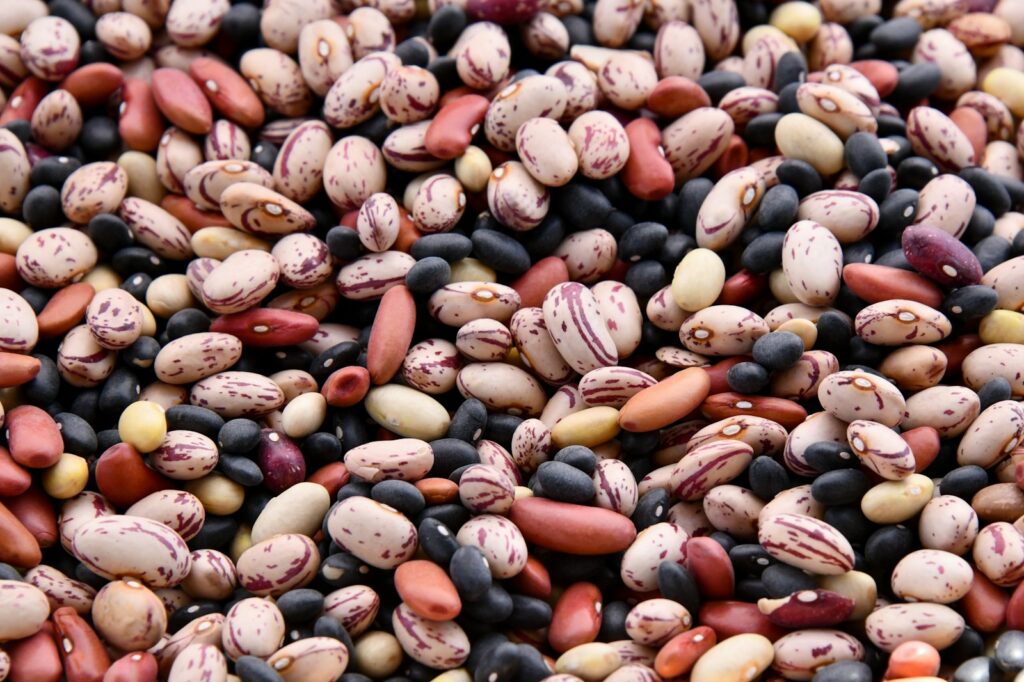
Beans provide steady energy through complex carbohydrates, along with fiber, folate, and iron.
Stable blood sugar levels are important for brain function, since the brain relies heavily on glucose for fuel.
6. Fatty Fish

Fatty fish like salmon, sardines, and mackerel are rich in omega-3 fatty acids (especially DHA).
Omega-3s are essential for brain structure and function and are linked to a lower risk of cognitive decline.
5. Poultry

Chicken and turkey provide nutrients like vitamin B12 and choline, which are important for brain and nerve function.
They also supply protein needed for neurotransmitter production.
4. Whole Grains
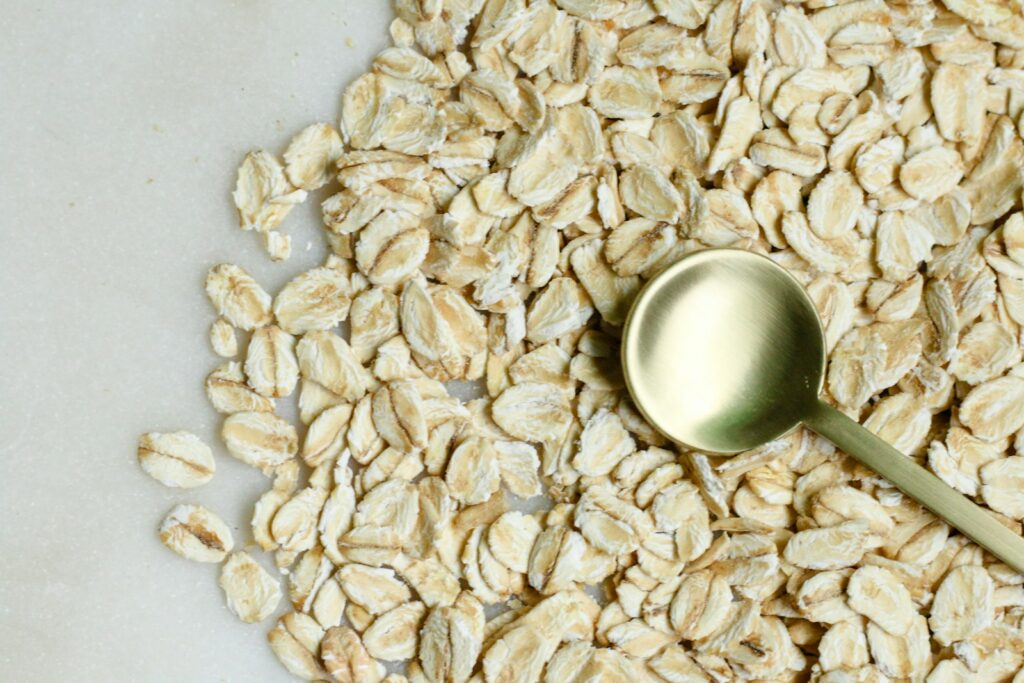
Whole grains like oats, brown rice, and whole wheat provide a steady release of glucose to the brain.
They also contain fiber and B vitamins that support overall brain and nervous system health.
3. Olive Oil and Seeds

Extra virgin olive oil is a key part of the Mediterranean diet and is rich in monounsaturated fats and polyphenols.
Seeds like flaxseed provide plant-based omega-3s (ALA), which may support brain health as part of a balanced diet.
2. Vegetables (Especially Colorful Ones)
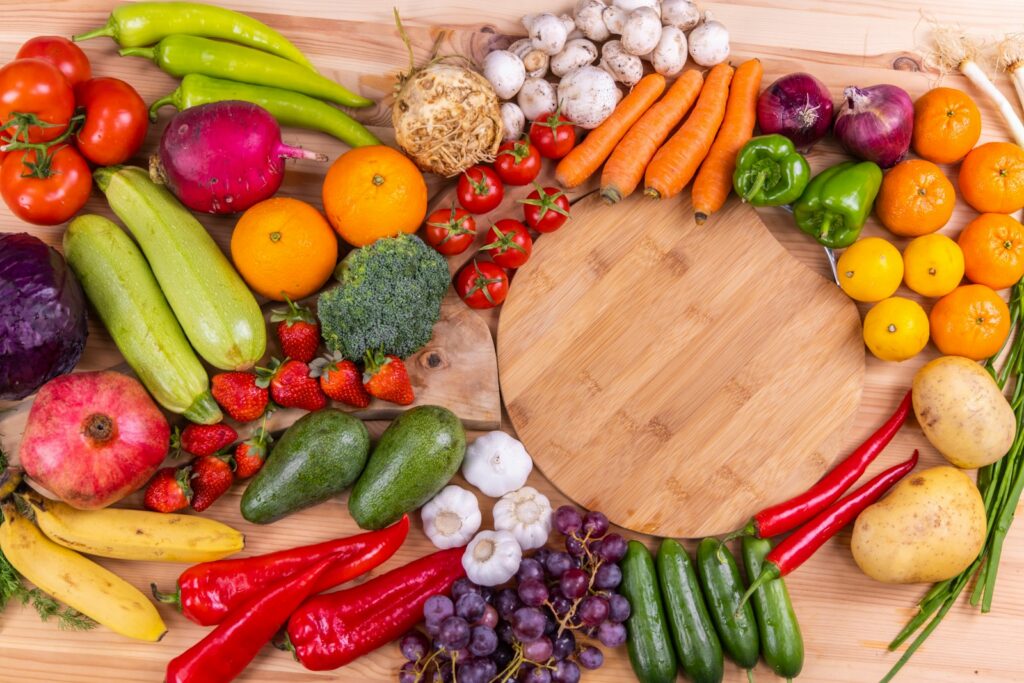
A wide variety of vegetables provides antioxidants that help protect brain cells from oxidative stress.
Cruciferous vegetables (like broccoli) and nitrate-rich vegetables (like beets) may support blood flow and brain function.
1. Leafy Greens
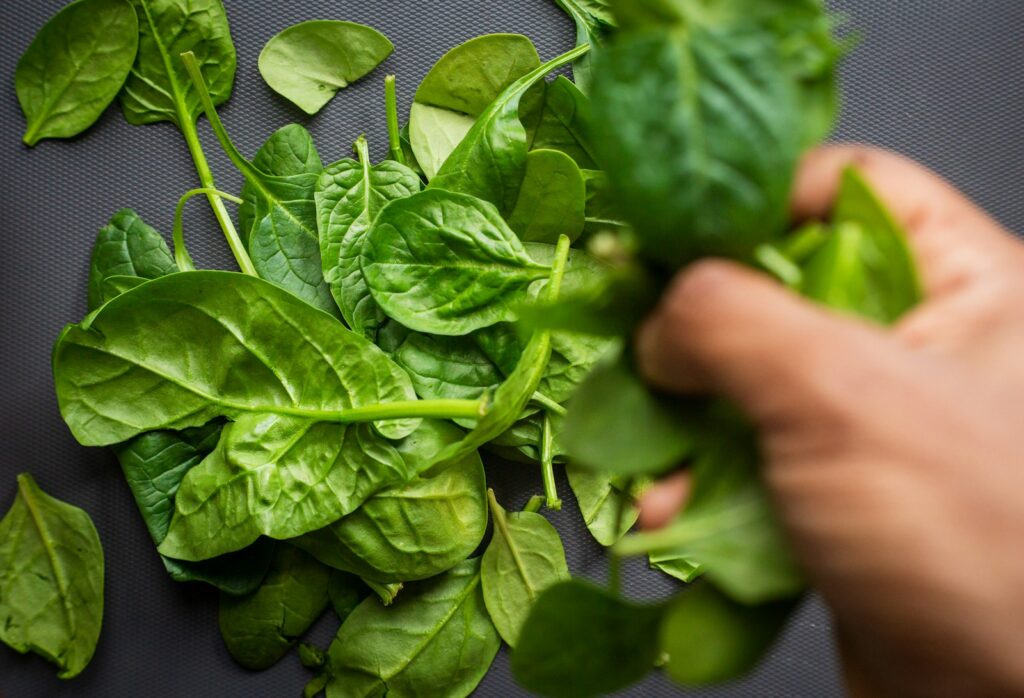
Leafy greens like spinach, kale, and collards are consistently linked to slower cognitive decline.
They’re rich in vitamin K, folate, lutein, and beta-carotene—nutrients associated with brain health.
The Bottom Line

Brain health isn’t about one “superfood”—it’s about consistent dietary patterns.
Eating a variety of whole, nutrient-dense foods—especially plants, healthy fats, and fish—can help support cognitive function as you age.