
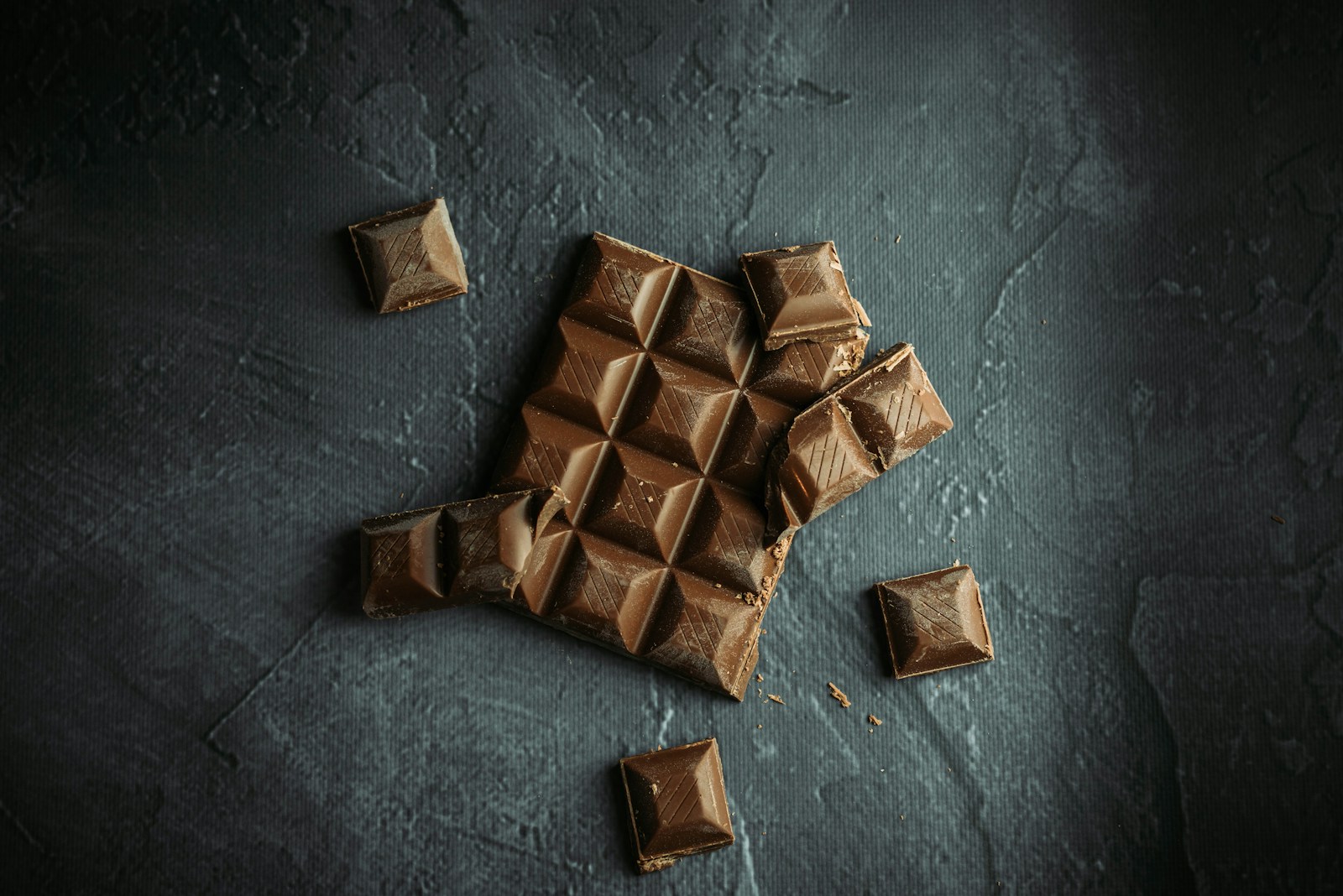
Today, many foods are so common that we barely think twice about buying them. Coffee sits on every corner, chocolate fills entire grocery aisles, and spices are available for just a few dollars a jar.
But throughout history, some of these everyday staples were considered symbols of wealth and status. Kings, nobles, and the ultra-rich often paid enormous sums for foods that are now ordinary pantry items.
Here are 10 foods that were once considered luxury items—and the fascinating stories behind how they became accessible to everyone.
10. Salt
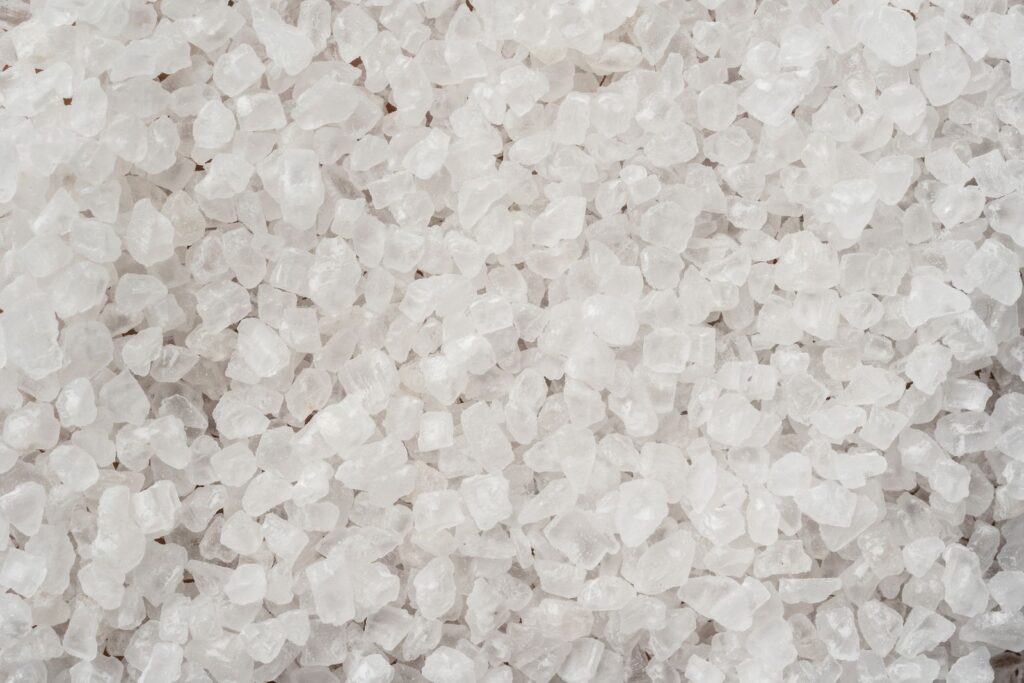
It’s hard to imagine now, but salt was once so valuable that it influenced trade routes, built fortunes, and helped shape empires.
Before refrigeration, salt was essential for preserving meat, fish, and other foods. Entire economies depended on reliable salt supplies, and governments often taxed it heavily.
In ancient Rome, soldiers were sometimes given allowances related to salt purchases, which may have contributed to the origin of the word “salary.”
Today, a container of table salt costs just a few dollars, making it one of history’s greatest examples of a luxury becoming commonplace.
9. Black Pepper
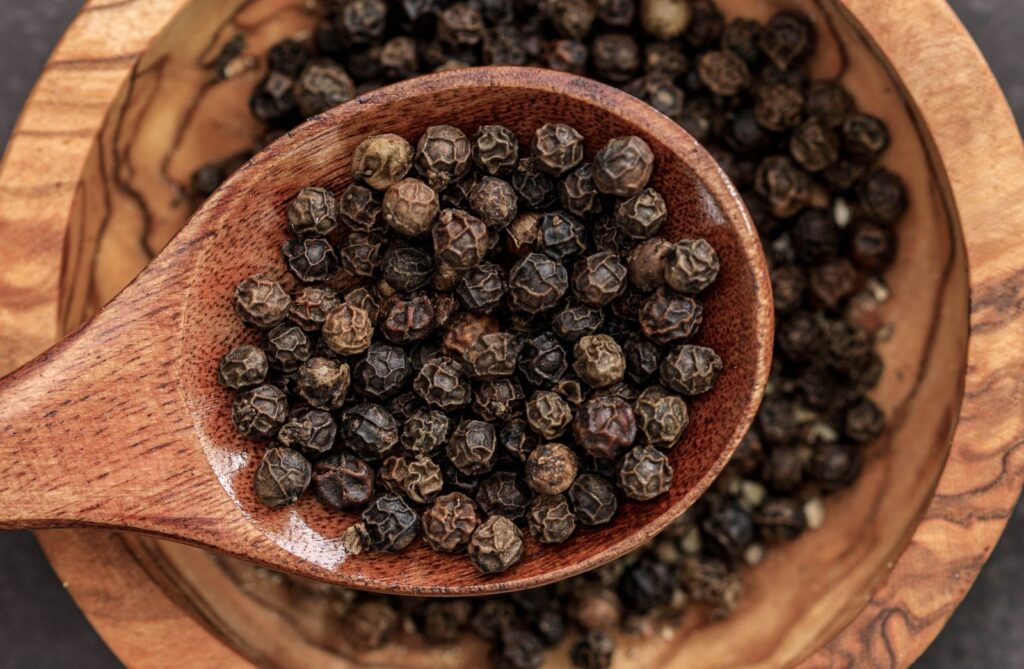
Known as “black gold” during the Middle Ages, pepper was one of the most valuable spices in Europe.
Imported from India through lengthy and dangerous trade routes, pepper was so prized that it was sometimes used as currency. Wealthy households displayed pepper at meals as a sign of status and sophistication.
The opening of sea trade routes eventually increased supply and lowered prices, transforming pepper from a luxury good into an everyday seasoning.
8. Sugar
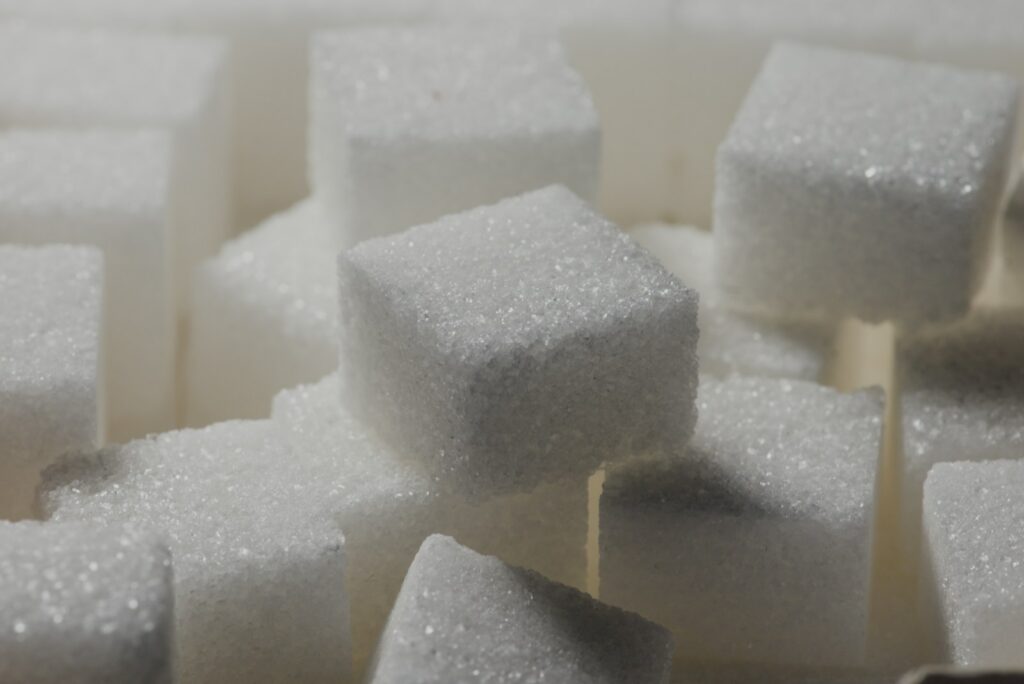
For centuries, sugar was considered a rare luxury reserved for the wealthy.
In medieval Europe, sugar was often sold by apothecaries and used as both a medicine and a status symbol. Elaborate sugar sculptures appeared at royal banquets as displays of wealth.
As global trade expanded and sugar production increased, prices fell dramatically. What was once a luxury enjoyed by kings eventually became a household staple.
7. Chocolate
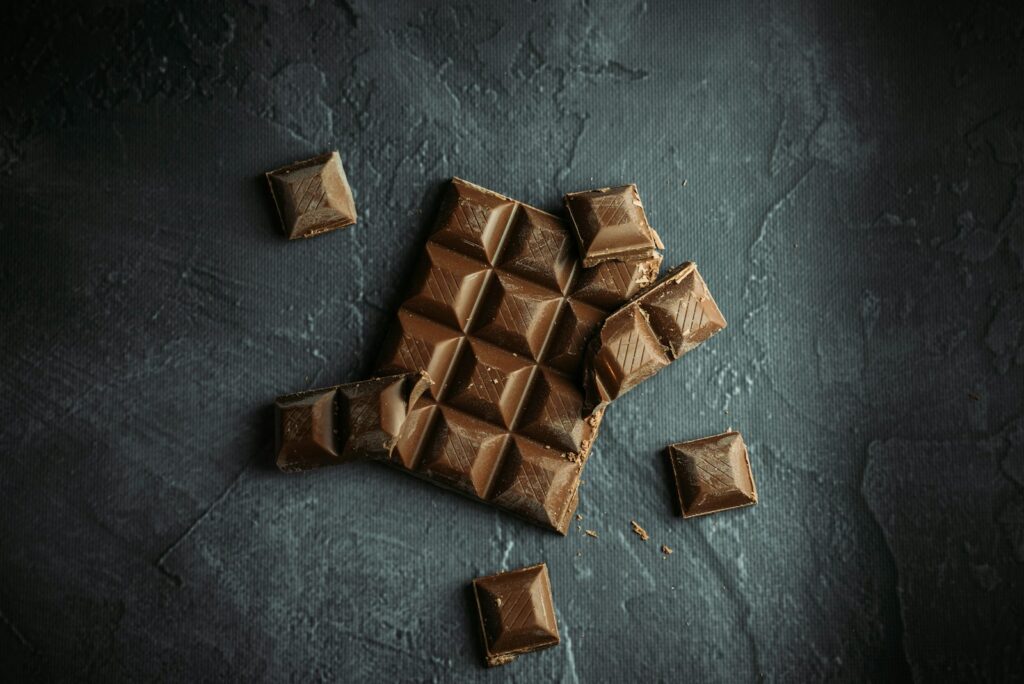
When chocolate first arrived in Europe from the Americas, it was considered an exotic luxury.
The wealthy enjoyed it as a rich beverage flavored with spices and sweeteners. Because cacao beans were difficult to obtain and process, chocolate remained expensive for generations.
Advances in manufacturing during the Industrial Revolution made chocolate more affordable and transformed it into the beloved treat we know today.
6. Coffee

Coffeehouses were once gathering places for merchants, intellectuals, and social elites.
When coffee first spread across Europe during the 17th century, imported beans were costly and difficult to obtain. Drinking coffee was often considered fashionable and sophisticated.
Today, coffee is one of the world’s most widely consumed beverages, though specialty varieties can still command premium prices.
5. Pineapples
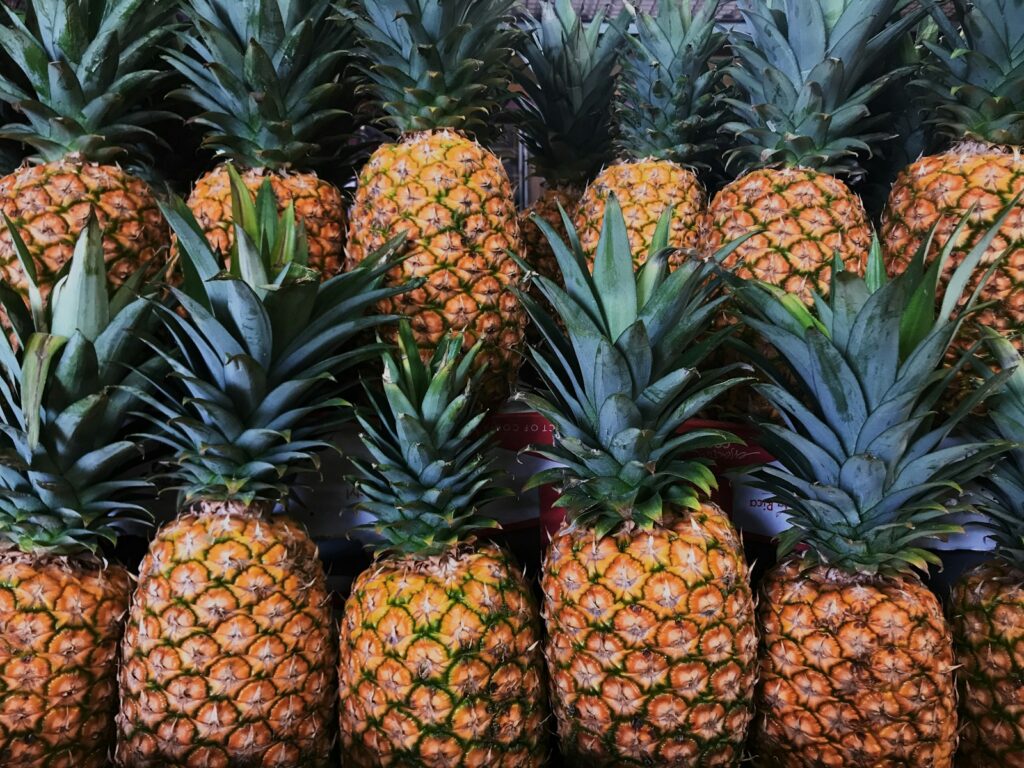
Few fruits have ever symbolized wealth quite like the pineapple.
In 17th- and 18th-century Europe, pineapples were extremely difficult to grow and transport. Their rarity made them coveted status symbols among the wealthy.
Some affluent families even rented pineapples for parties simply to display them as decorations. Guests admired the fruit, but it wasn’t necessarily eaten.
The development of modern transportation and commercial agriculture eventually made pineapples accessible to the general public.
4. Vanilla

Vanilla is now found in everything from ice cream to candles, but it was once one of the world’s most valuable flavorings.
Native to Mexico, vanilla was difficult to cultivate because its flowers required hand pollination outside their natural habitat. For centuries, production remained limited and expensive.
Although pure vanilla remains relatively costly today, it is far more accessible than it was for earlier generations.
3. Ice

Before refrigeration, ice was an astonishing luxury.
During the 18th and 19th centuries, wealthy households often paid significant sums to have ice harvested from frozen lakes and shipped long distances.
Ice houses became status symbols, allowing affluent families to enjoy chilled drinks and frozen desserts long before modern freezers existed.
The invention of mechanical refrigeration completely transformed access to cold food and beverages.
2. Lobster
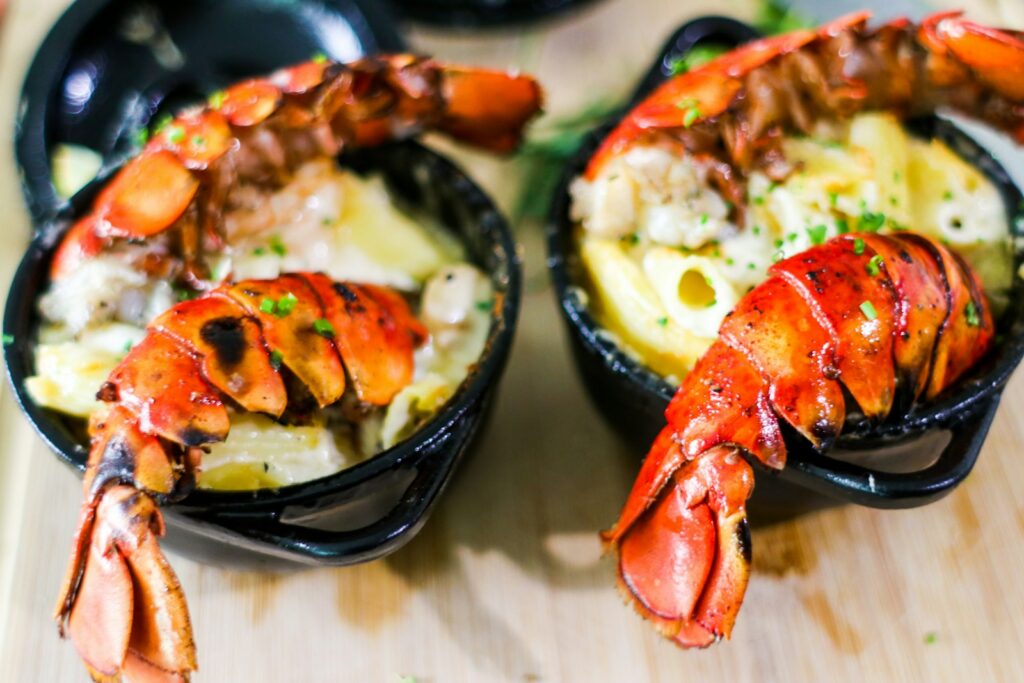
Lobster’s reputation has undergone one of history’s most surprising reversals.
In colonial America, lobsters were so plentiful that they were often fed to prisoners, servants, and laborers. Some accounts suggest people even complained about being served lobster too frequently.
As lobster populations declined and transportation improved, demand grew. Over time, it evolved into the premium seafood delicacy many people recognize today.
1. Caviar

For centuries, caviar has been associated with wealth, luxury, and fine dining.
Harvested from sturgeon roe, caviar became especially popular among European aristocracy and Russian nobility. Its scarcity and labor-intensive production contributed to its elite reputation.
While caviar remains a luxury item today, it serves as a reminder that many foods once reserved for society’s wealthiest members eventually became more widely available through trade, technology, and changing tastes.
How Luxury Foods Became Everyday Staples
Many foods that seem ordinary today were once symbols of privilege because they were difficult to produce, transport, or preserve. Advances in agriculture, global trade, refrigeration, and food manufacturing dramatically changed who could access them.
The next time you season a meal with pepper, sweeten your coffee with sugar, or enjoy a piece of chocolate, you’re participating in a food history that stretches back centuries. What was once reserved for royalty can now be found in kitchens around the world.
Read More:
- Nostalgic ’90s Foods That Deserve a Comeback
- 10 Fast-Food Menu Items That Sound Like Someone Lost a Bet
- 16 Fast-Food Experiments That Should Never Have Happened