

In today’s fast-paced world, parents often feel the pressure to manage every aspect of their children’s lives. However, stepping back and allowing children more freedom can be a powerful way to foster their growth. This approach, echoed by themes in Toy Story 5, emphasizes the importance of imaginative play and independent thinking.
Parents and educators are beginning to understand that creating space for children to navigate their own challenges is crucial for their development. Here are 9 ways to encourage your child’s growth by stepping back.
9. Embrace Imaginative Play

Imaginative play is more than just fun; it’s a critical aspect of development. Through play, children learn creativity, empathy, and problem-solving.
Encouraging children to engage in imaginative play helps them develop skills that are difficult to teach through direct instruction. It allows them to explore emotions and social interactions in a safe environment.
8. Limit Screen Time

While technology is an integral part of modern life, it’s important to balance screen time with other activities. Screens should complement rather than replace imaginative play.
By setting boundaries on screen use, parents can ensure that children have more opportunities to engage in activities that promote creativity and physical activity.
7. Encourage Free Play

Free play allows children to explore their interests and develop independence. It’s an opportunity for them to create their own rules and solve problems on their own.
Providing children with unstructured time helps them build confidence in their abilities and fosters resilience as they navigate challenges.
6. Observe and Connect

Watching your child play can offer insights into their personality and interests. This observation allows parents to connect more deeply with their children.
By showing genuine interest in their play, parents can reduce anxiety and strengthen their relationship with their child, fostering a supportive environment for growth.
5. Encourage Problem-Solving

Children learn to solve problems by facing challenges. Allowing them to work through disagreements and mistakes is essential for developing resilience.
When children are given the chance to resolve issues independently, they build confidence and learn valuable life skills that will serve them well into adulthood.
4. Foster Independence

Encouraging children to make decisions and take on responsibilities helps them develop independence. This sense of autonomy is crucial for their self-esteem and growth.
Parents can support this by providing opportunities for children to make choices and learn from the outcomes, fostering a sense of ownership over their actions.
3. Create a Supportive Environment

Children thrive in environments where they feel safe and supported. Parents play a key role in creating this emotional climate.
By being present and available, yet not overbearing, parents can provide a balance that allows children to explore and grow while knowing they have a safety net.
2. Manage Parental Anxiety
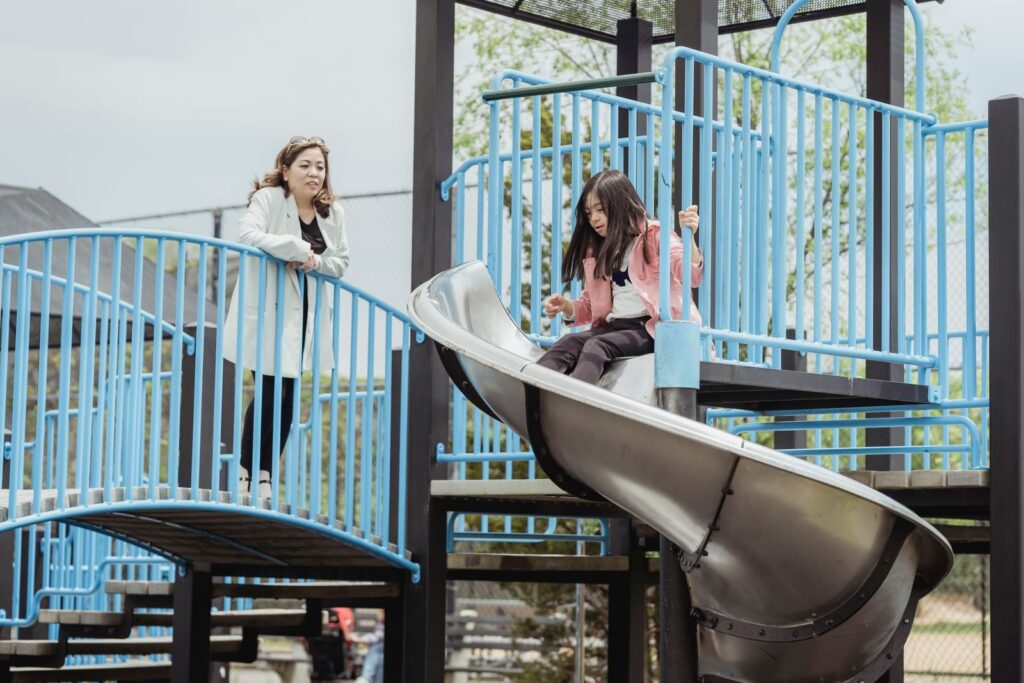
It’s natural for parents to worry, but managing this anxiety can help create a more positive environment for children.
By learning to tolerate uncertainty and stepping back, parents can model calmness and resilience, which in turn helps children develop these qualities.
1. Trust in Children’s Capabilities

Ultimately, trusting in your child’s abilities is one of the most empowering things you can do as a parent. Children need to know that their parents believe in them.
By stepping back and allowing children to demonstrate their competence, parents can help them build confidence and a strong sense of self.
Read More:
- 10 Ways Constant Screens Are Affecting Children’s Basic Skills
- 10 Tips for Helping Children and Teens Manage Anxiety
- 10 Tips for Raising Emotionally Healthy Kids in the Digital Age