

We all know that fruits and vegetables are essential for a healthy diet, but recent research has shed light on how these two food groups impact metabolic health differently. Metabolic syndrome, a cluster of conditions that increases the risk of heart disease and diabetes, affects a significant portion of the adult population.
In a study involving over 5,000 adults in Suzhou, China, researchers explored the relationship between fruit and vegetable intake and metabolic syndrome. Their findings suggest that while both are beneficial, fruits were linked with broader metabolic associations in this study.
Here are 9 ways fruits may support metabolic health:
9. Lower Odds of Metabolic Syndrome
Eating more fruits is linked to an 18% reduction in the odds of developing metabolic syndrome.
Compared to vegetables, which showed a 16% reduction, fruits appear to have a slightly stronger impact on lowering the risk of this syndrome.
8. Healthier Blood Sugar Levels

High fruit consumption is associated with better blood sugar control.
This can be important in preventing conditions like diabetes, making fruits a vital part of a balanced diet.
7. Improved Blood Pressure

Fruits have been linked to potentially healthier blood pressure levels.
Maintaining good blood pressure is essential for reducing the risk of heart disease and stroke.
6. Better Waist Circumference

Higher fruit intake is associated with a healthier waist circumference.
This is a critical factor in reducing the risk of metabolic syndrome and related conditions.
5. Enhanced Blood Lipid Levels

Fruits may contribute to better blood lipid profiles.
This includes improved levels of cholesterol, which is vital for cardiovascular health.
4. Greater Fiber Intake
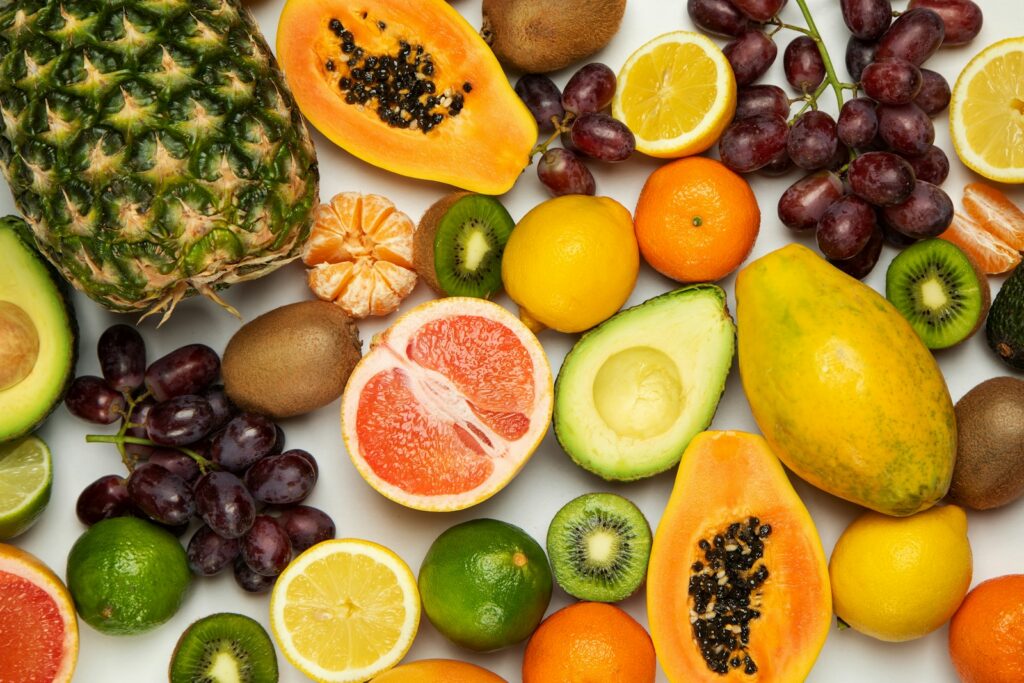
Fruits are a rich source of dietary fiber.
This can aid in digestion and help maintain a healthy weight, further supporting metabolic health.
3. Antioxidant-Rich

Fruits are packed with antioxidants that support overall health.
These compounds can help fight oxidative stress, a contributor to metabolic syndrome.
2. Versatile Eating Patterns

Fruits can be easily incorporated into various meals and snacks.
From breakfast to dessert, they offer a convenient way to boost nutrient intake throughout the day.
1. Complementary to Healthy Diets

Fruits pair well with other healthy foods to enhance overall dietary patterns.
When combined with a diet low in red meat, fruits can significantly lower the risk of metabolic syndrome.
Read More:
- 10 Vegan Dishes That Even Meat Lovers Will Like
- 9 Eating Habits That May Lower Dementia Risk by 30%
- 10 Ways to Lower Your Diabetes Risk