
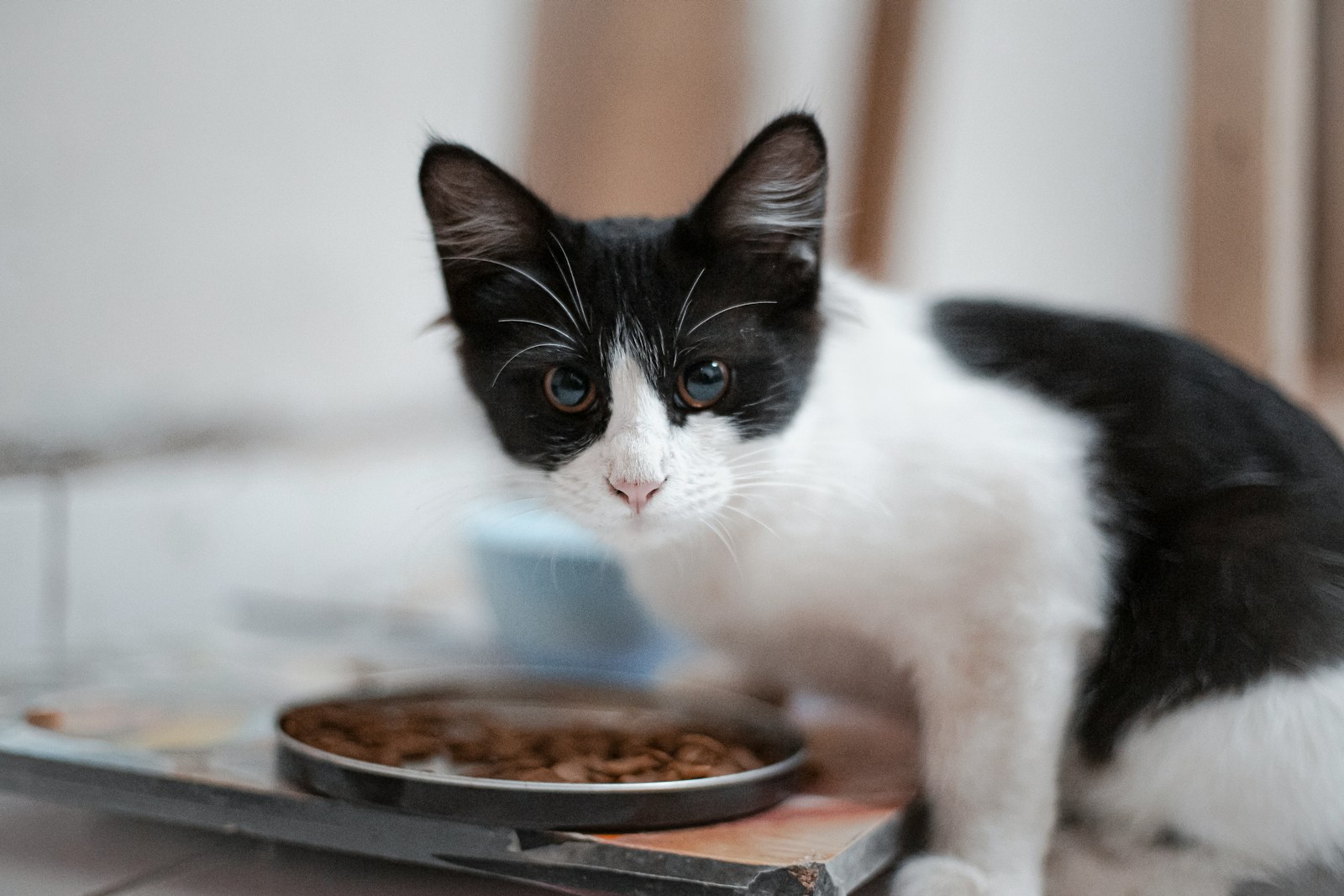
Some cats will happily eat almost anything you put in front of them. Others seem determined to reject every food you buy, often right after you’ve stocked up on a month’s supply.
If your cat is turning up their nose at mealtime, don’t panic. Picky eating can be caused by everything from stress and routine changes to food preferences and underlying health issues. The good news is that there are plenty of ways to encourage better eating habits before resorting to drastic measures.
10. Make Sure They’re Actually Being Picky
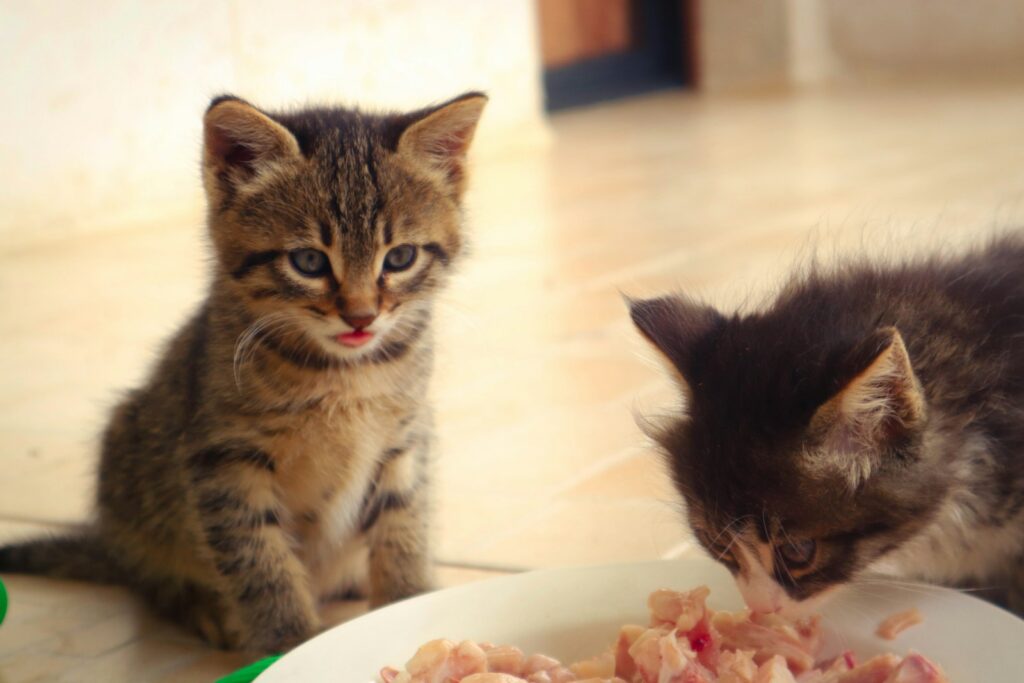
Before assuming your cat hates its food, consider whether it’s simply a grazer.
Many cats prefer to eat small amounts throughout the day rather than finishing an entire meal in one sitting. If your cat regularly returns to the bowl later, they may not be picky at all.
9. Create a Calm Feeding Environment
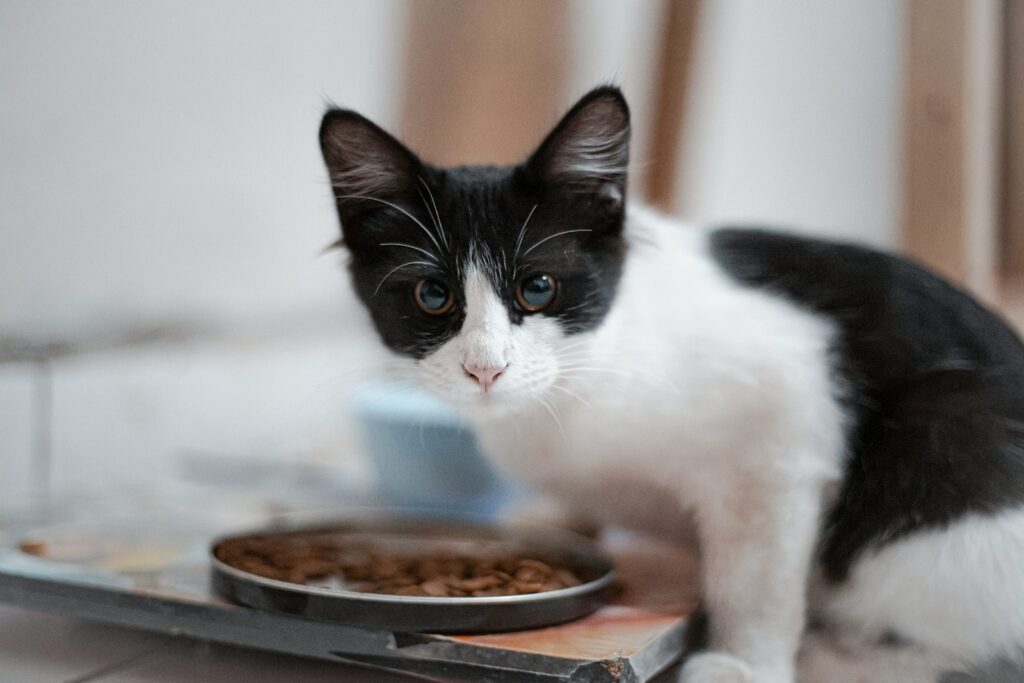
Cats are creatures of habit and can be surprisingly sensitive to their surroundings.
Place food bowls in a quiet area away from loud appliances, busy hallways, other pets, or household commotion. A relaxed environment can make mealtime much more appealing.
8. Stick to a Consistent Feeding Schedule
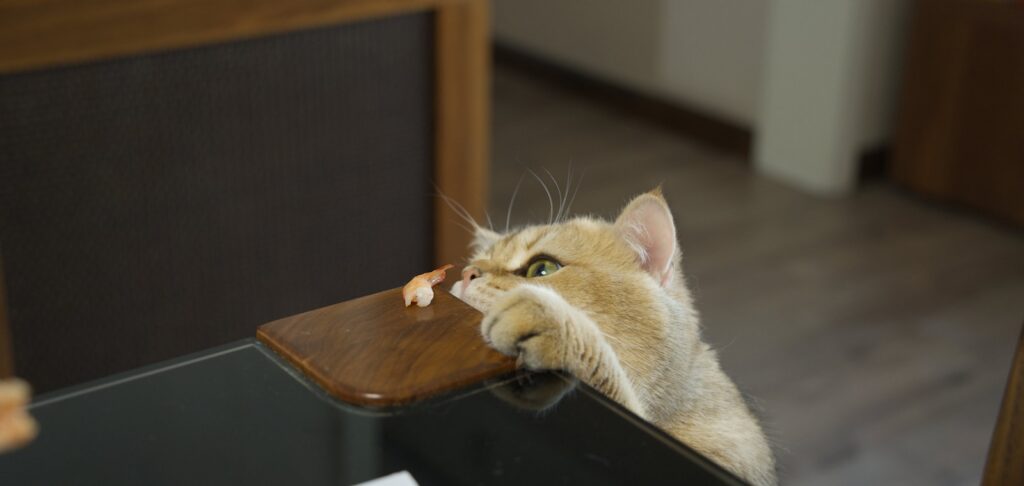
Cats thrive on routine.
Feeding meals at roughly the same times each day helps your cat know when food is coming and can encourage a healthier appetite. Frequent schedule changes may contribute to meal refusal.
7. Offer Different Flavors and Textures
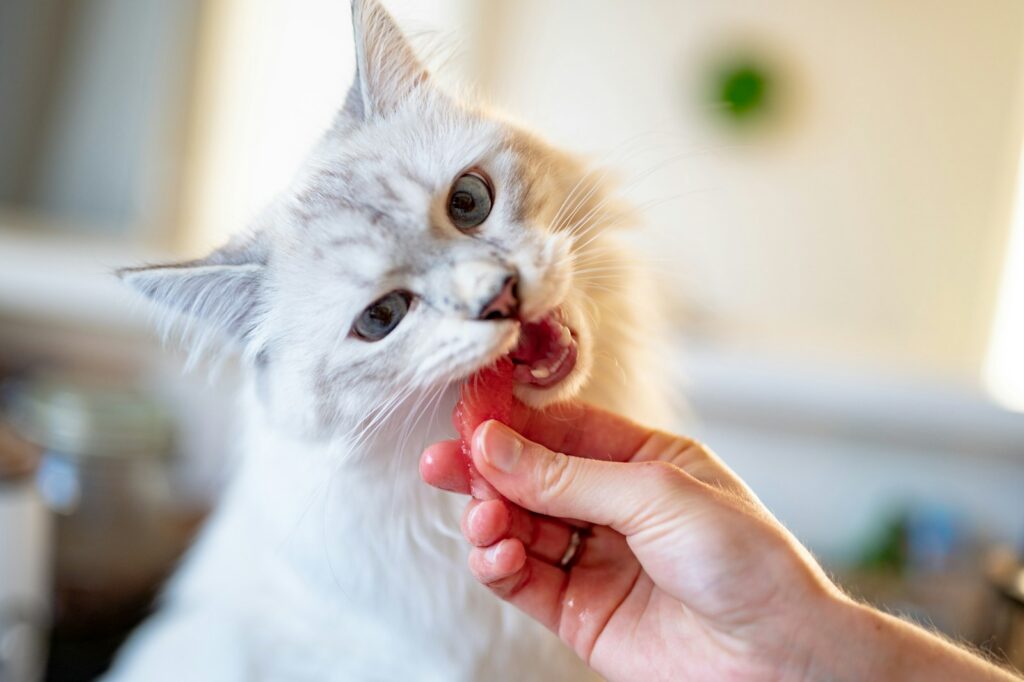
Even cats can get bored eating the same thing every day.
Try rotating between approved flavors, protein sources, or textures such as pâté, chunks in gravy, or shredded varieties. A little variety may help keep your cat interested in mealtime.
6. Transition Foods Slowly
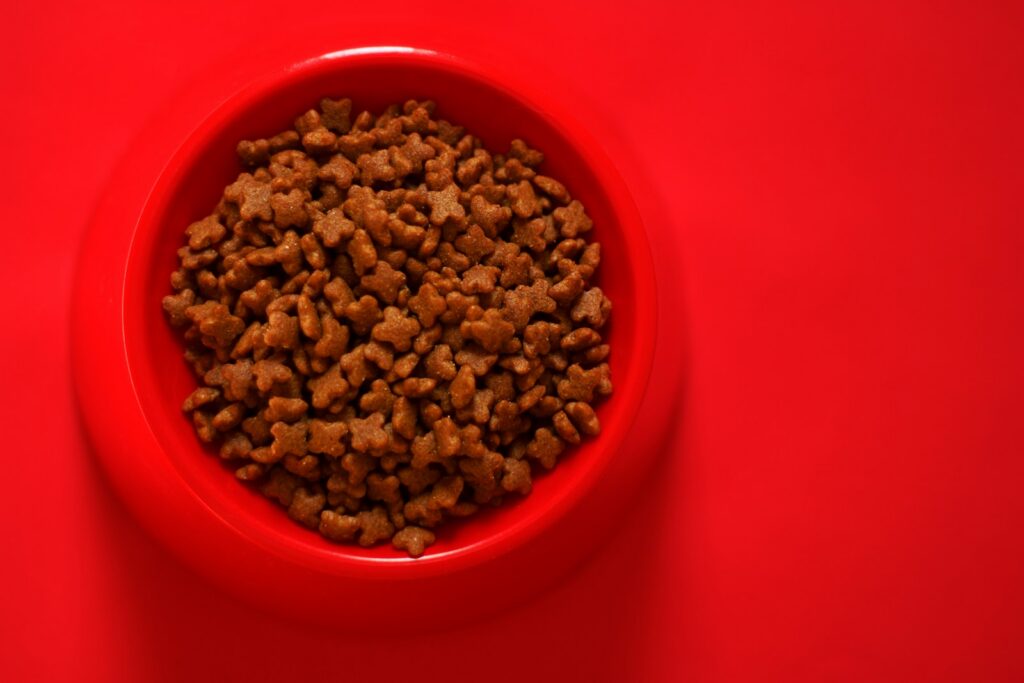
Sudden food changes can backfire.
If you’re switching brands or formulas, gradually mix the new food with the old over several days. This gives your cat time to adjust and reduces the chances of digestive upset or outright refusal.
5. Don’t Overdo the Treats
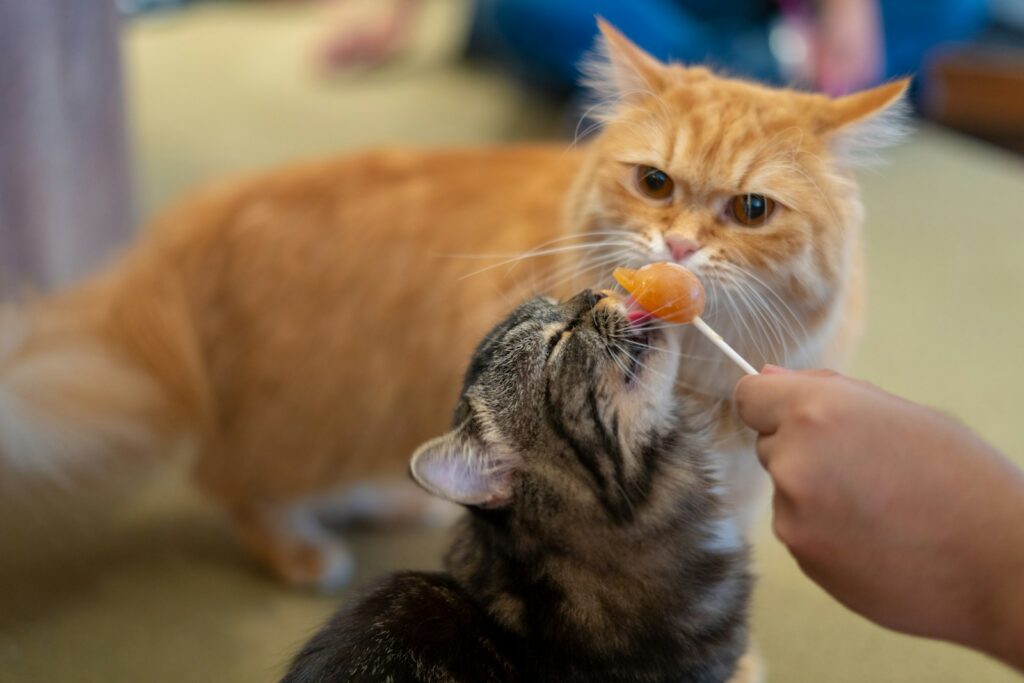
Treats should be exactly that—treats.
Too many snacks between meals can leave your cat full and uninterested in regular food. In some cases, offering treats whenever your cat refuses a meal may accidentally reinforce the behavior.
4. Check Portion Sizes
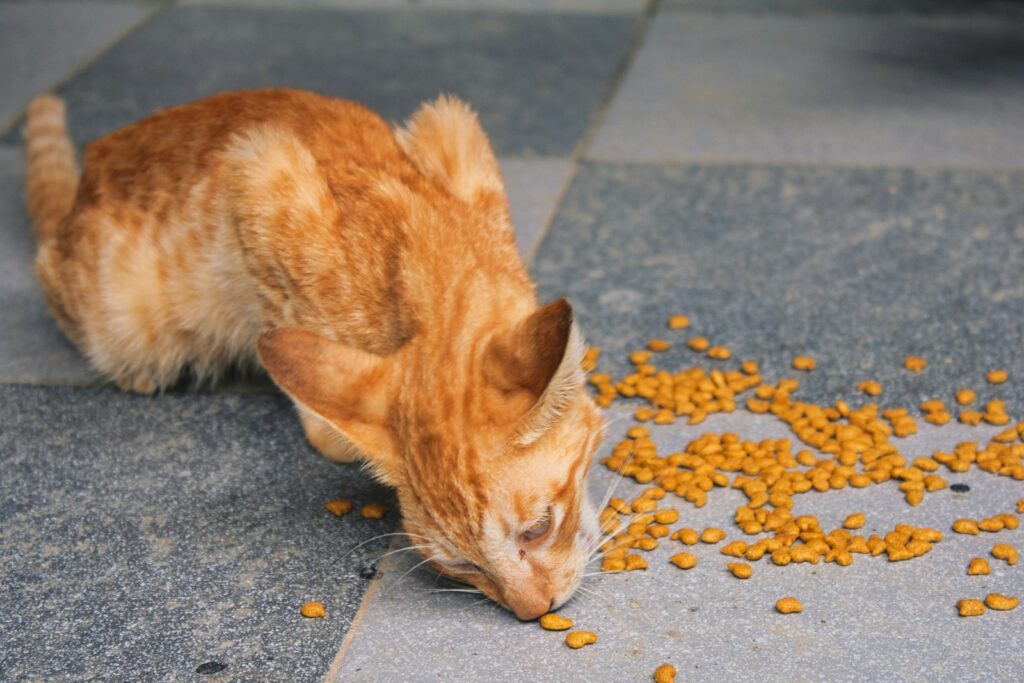
Sometimes a cat refuses food simply because it isn’t hungry.
Overfeeding can make it difficult for cats to maintain a healthy appetite at mealtime. Follow feeding guidelines and talk to your veterinarian if you’re unsure how much your cat should be eating.
3. Serve Fresh Food
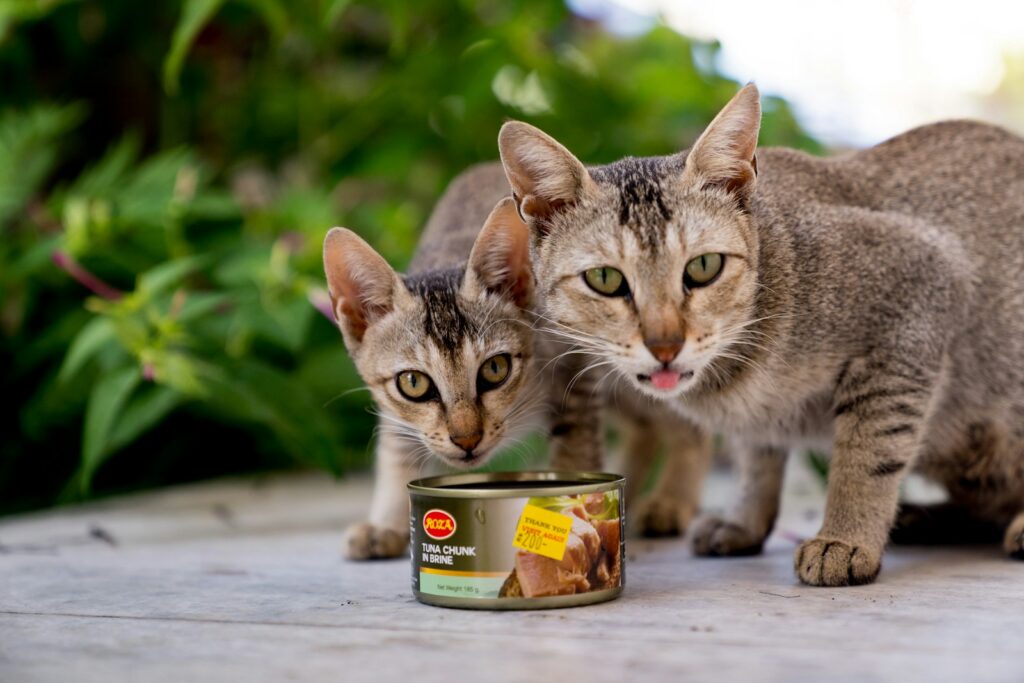
Cats have powerful senses of smell and can be particular about freshness.
Discard uneaten wet food promptly, store dry food properly, and always check expiration dates. Food that seems perfectly acceptable to you may not pass your cat’s inspection.
2. Try Wet Food or Warm Their Meals
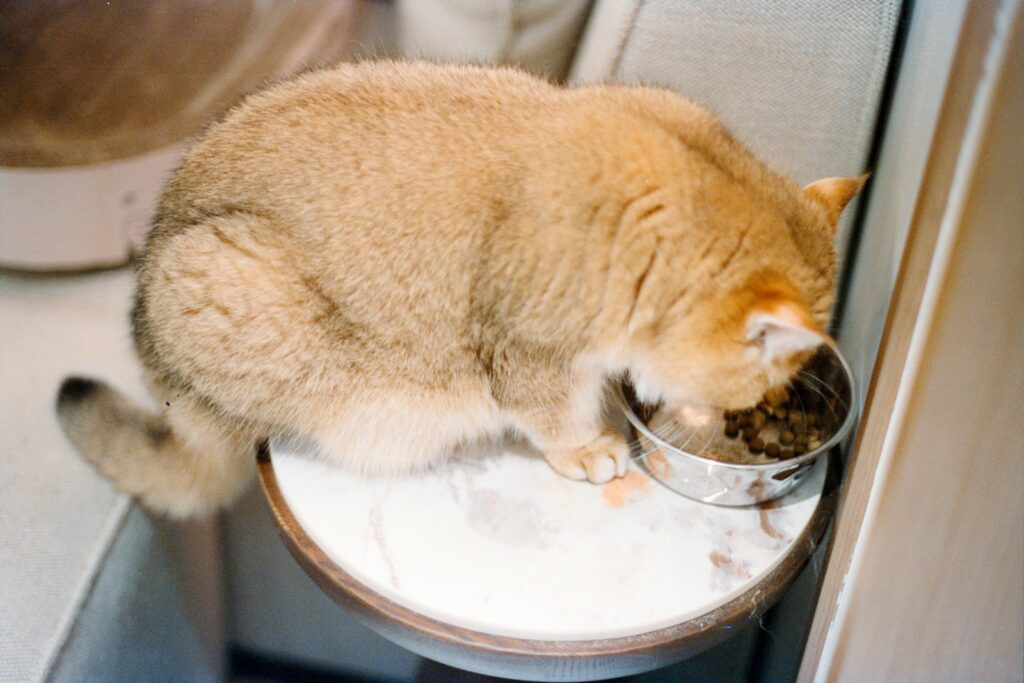
A stronger aroma can make food more enticing.
Many cats find wet food more appealing than dry kibble because of its moisture content and smell. You can also slightly warm wet food to enhance the aroma, making it harder for a picky cat to resist. Just be sure it’s only mildly warm, never hot.
1. Use Puzzle Feeders and Interactive Feeding
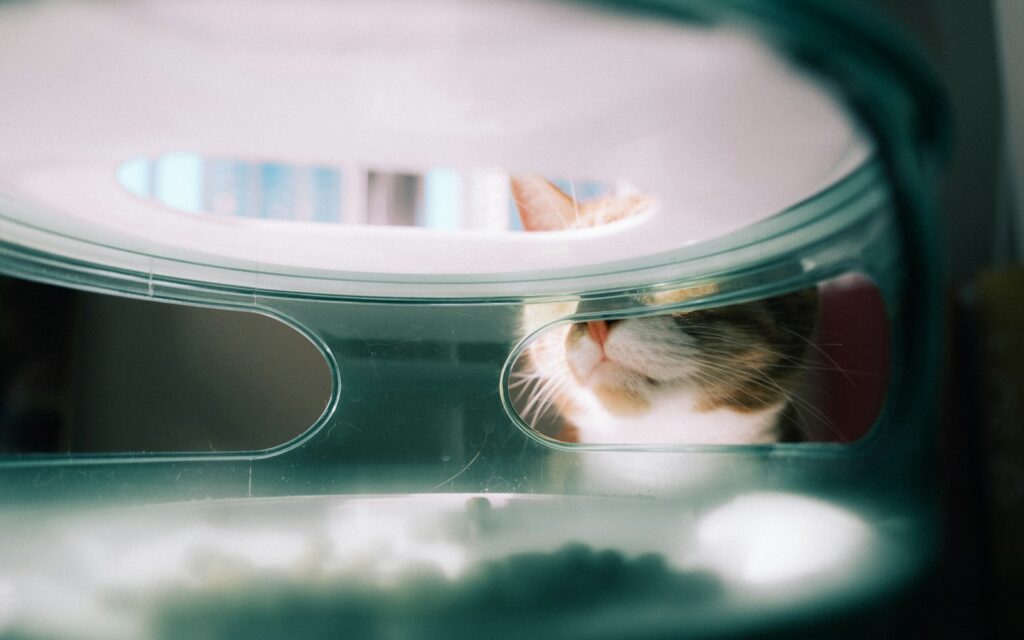
Sometimes the issue isn’t the food—it’s boredom.
Puzzle feeders and slow-feed toys tap into your cat’s natural hunting instincts and make mealtime more engaging. For some cats, turning food into a game can dramatically increase interest in eating.
When to Call the Vet
Occasional picky eating is common, but a sudden loss of appetite can signal an underlying health problem. Dental pain, digestive issues, illness, and stress can all affect eating habits.
If your cat refuses food for more than a day, loses weight, seems lethargic, or shows any other unusual symptoms, contact your veterinarian. A medical issue may be the real reason your finicky feline isn’t eating.
Read More:
- 10 Cat Breeds That Love to Cuddle (Yes, Really)
- Bringing Your Outdoor Cat Inside? Avoid These Common Mistakes
- Sorry Dog Lovers—Here Are 10 Reasons Cats Win