
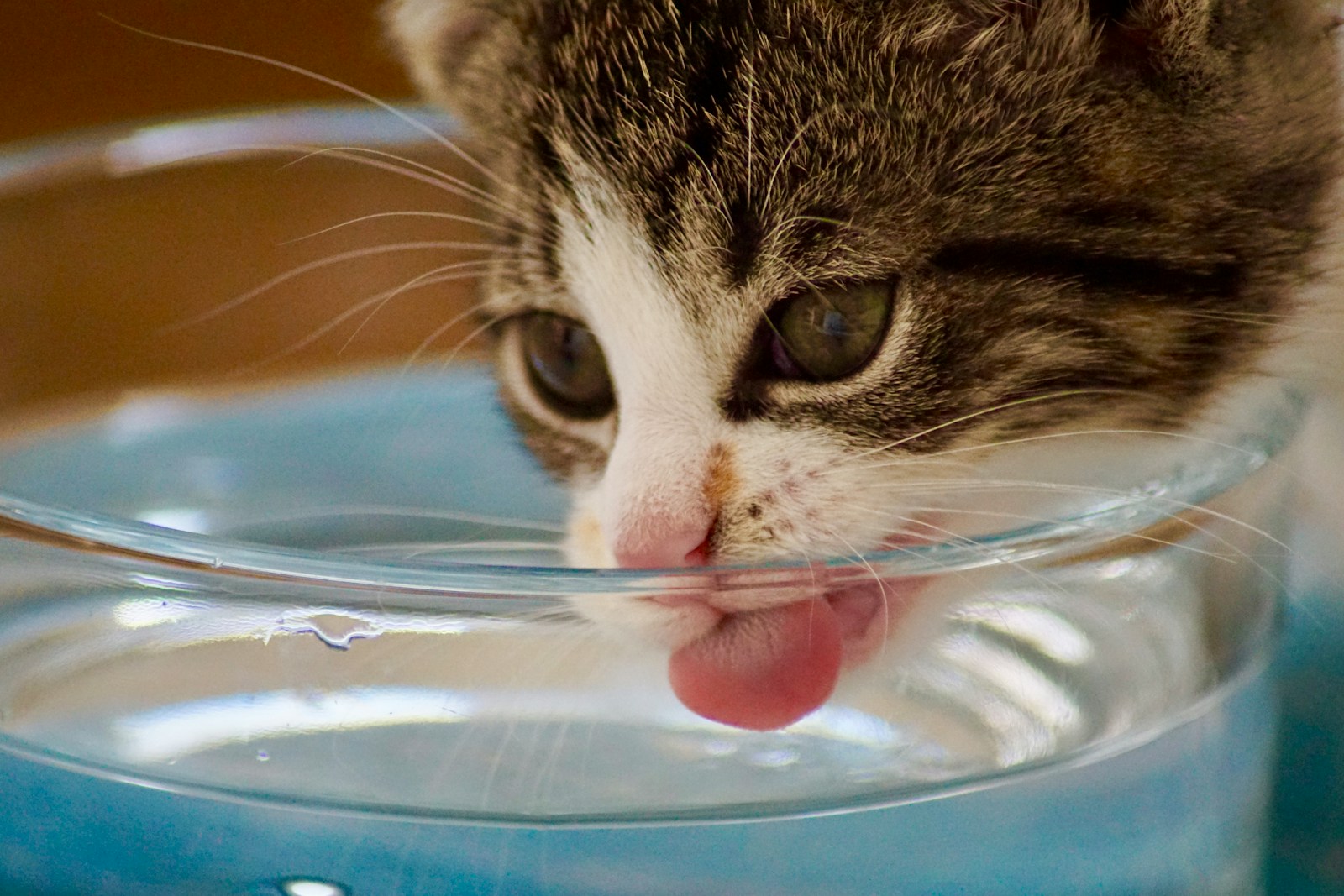
Cats have a reputation for being independent, but when it comes to hydration, many felines aren’t doing themselves any favors. Unlike dogs, cats evolved from desert-dwelling ancestors and have a naturally lower thirst drive. As a result, many cats don’t drink enough water, which can contribute to urinary tract issues, kidney problems, and constipation.
Fortunately, there are several simple ways to encourage better hydration. If your cat seems uninterested in their water bowl, these veterinarian-approved strategies may help.
9. Feed More Wet Food
One of the easiest ways to increase your cat’s water intake doesn’t involve a water bowl at all.
Canned cat food typically contains 70% to 80% moisture, compared to about 10% moisture in dry kibble. For many cats, wet food provides a significant portion of their daily hydration needs. If you’re considering switching diets, make the transition gradually to avoid digestive upset.
8. Add Flavor to Their Water
Some cats simply find plain water boring.
Try adding a teaspoon of low-sodium chicken broth or a small amount of water from tuna packed in water (not oil) to make drinking more appealing. Be sure to refresh the bowl daily and avoid ingredients that contain onion, garlic, or excessive sodium, which can be harmful to cats.
7. Invest in a Pet Water Fountain
Many cats are naturally attracted to moving water.
In the wild, flowing water is often fresher and safer than stagnant water. That’s why some cats seem obsessed with faucets. Pet water fountains mimic this movement and can encourage cats to drink more frequently throughout the day.
6. Separate Food and Water Bowls
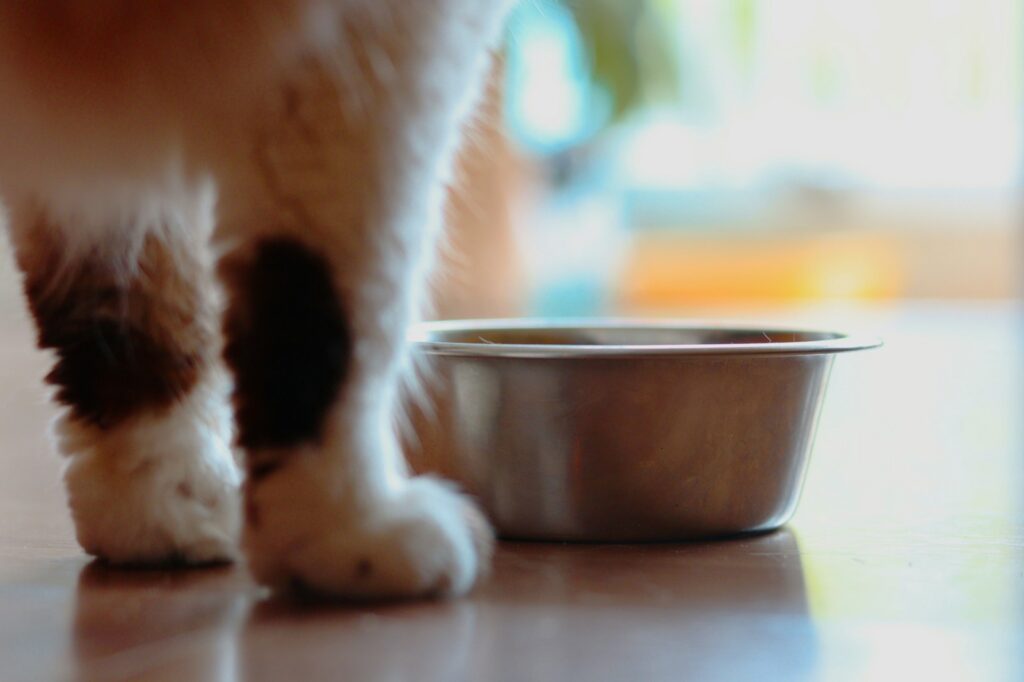
Cats don’t always like eating and drinking in the same location.
Animal behavior experts believe this preference may stem from wild instincts, where food sources could contaminate nearby water. Moving the water bowl away from the food dish may make it more appealing to your cat.
5. Keep Water Away From the Litter Box
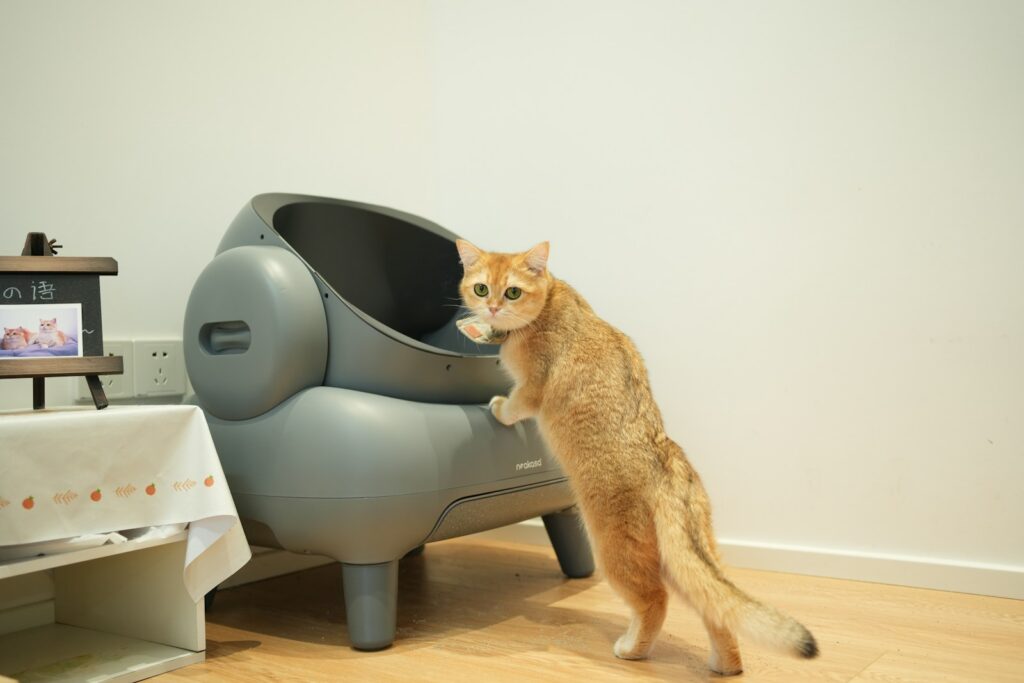
Most humans wouldn’t want to eat or drink next to a toilet, and cats feel much the same way.
Place water stations well away from litter boxes whenever possible. Separate rooms are ideal and may encourage more frequent drinking.
4. Try Different Bowl Materials
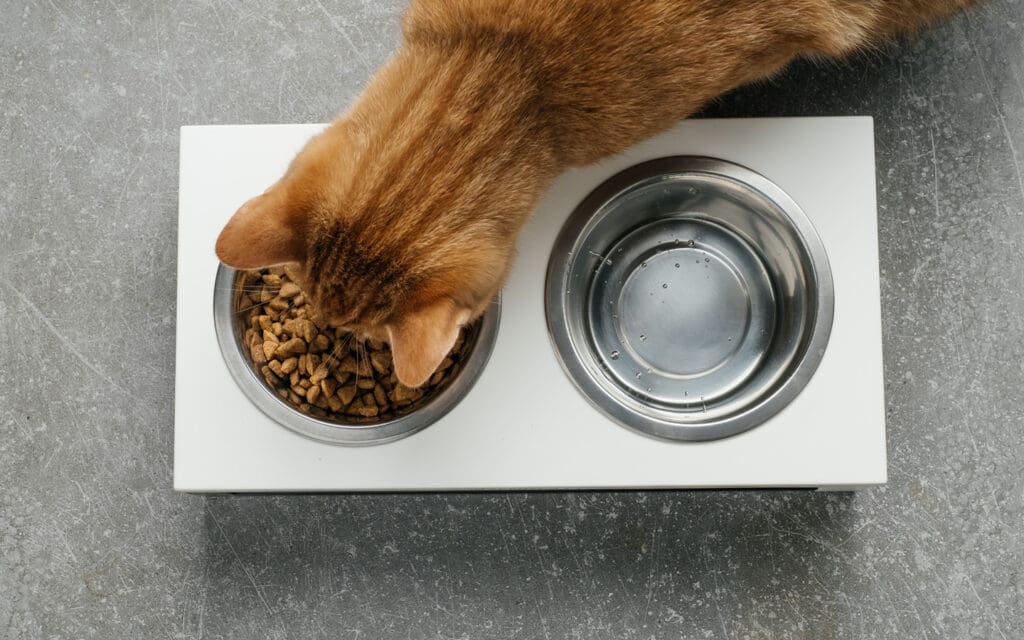
The bowl itself may be the problem.
Some cats dislike the smell or taste associated with plastic bowls. Glass, ceramic, and stainless steel options are often better choices. Keeping bowls clean is equally important, as cats can be surprisingly particular about water freshness.
3. Use Wide, Shallow Bowls
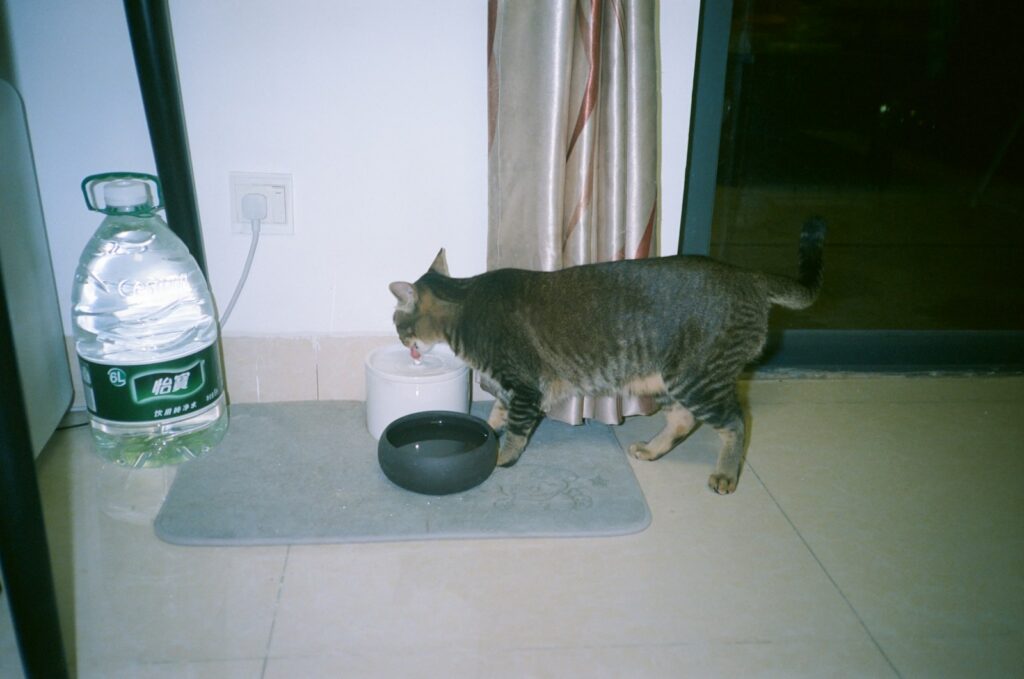
Many cats dislike having their whiskers touch the sides of a deep bowl.
This phenomenon, sometimes called “whisker fatigue,” can make drinking uncomfortable. Wide, shallow bowls allow cats to drink comfortably while maintaining awareness of their surroundings.
2. Place Water Bowls Throughout the House
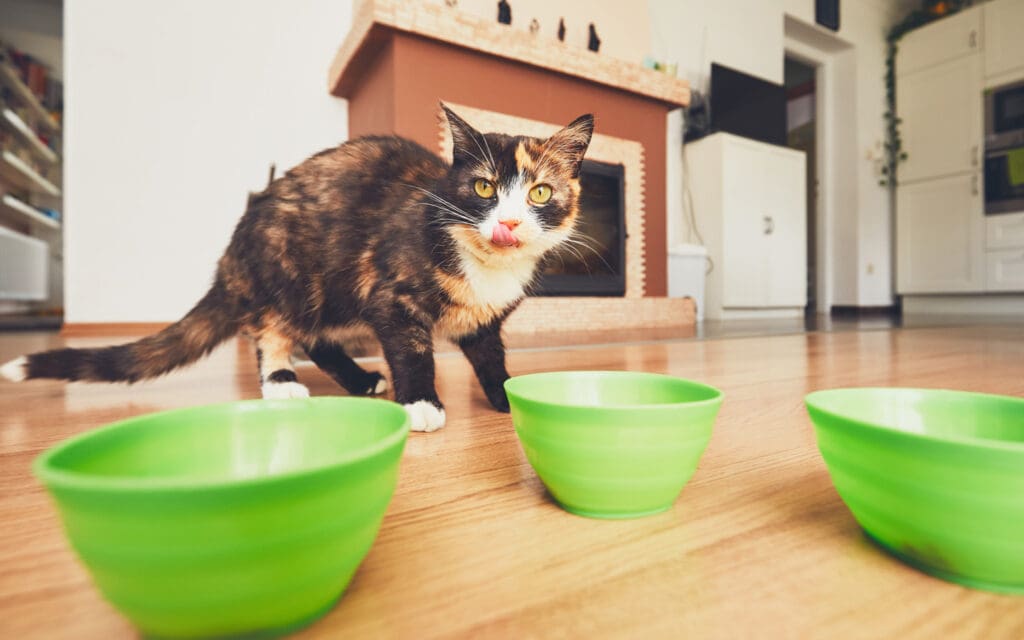
Cats often prefer having multiple water sources available.
Adding bowls to different rooms increases the likelihood that your cat will stop for a drink during daily activities. It also makes hydration more convenient, especially in larger homes or multi-level houses.
1. Refresh the Water Daily
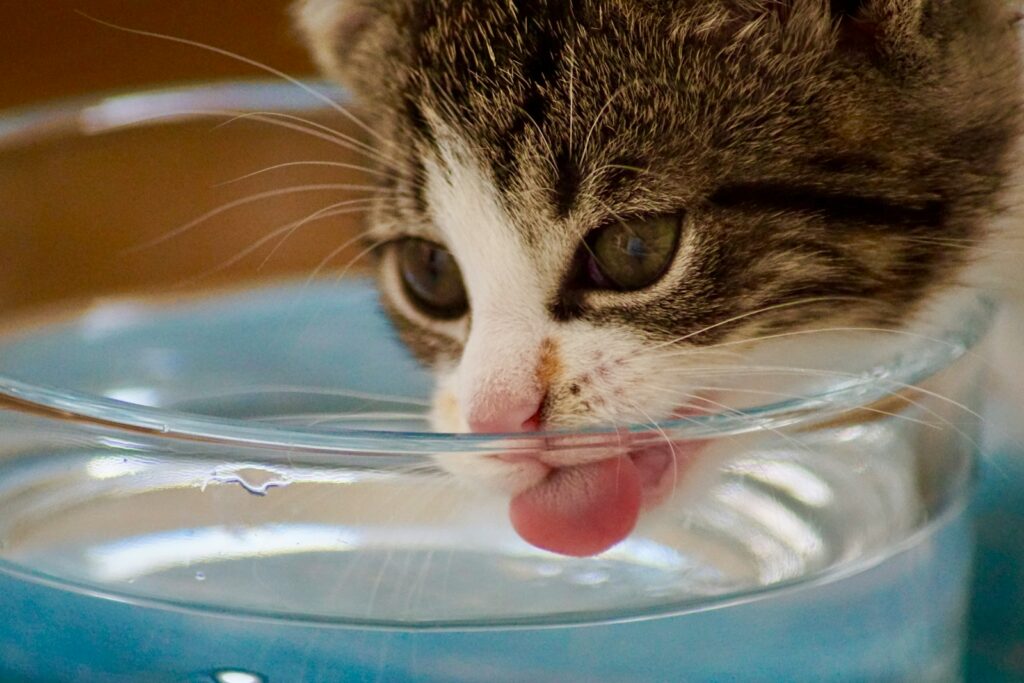
Fresh water is often the simplest solution.
Many cats lose interest in water that’s been sitting for too long. Replacing water daily—and sometimes even more often—can make a surprising difference. Clean, cool water is generally more appealing and may encourage your cat to drink more consistently.
A well-hydrated cat is often a healthier cat. If your cat suddenly stops drinking, appears lethargic, or shows signs of urinary problems, contact your veterinarian promptly. Even with all the right hydration tricks, significant changes in drinking habits can sometimes signal an underlying health issue.
Read More:
- What to Do If Your Cat Runs Away (And How to Get Them Back)
- Sorry Dog Lovers—Here Are 10 Reasons Cats Win
- 10 Cat Breeds That Love to Cuddle (Yes, Really)