
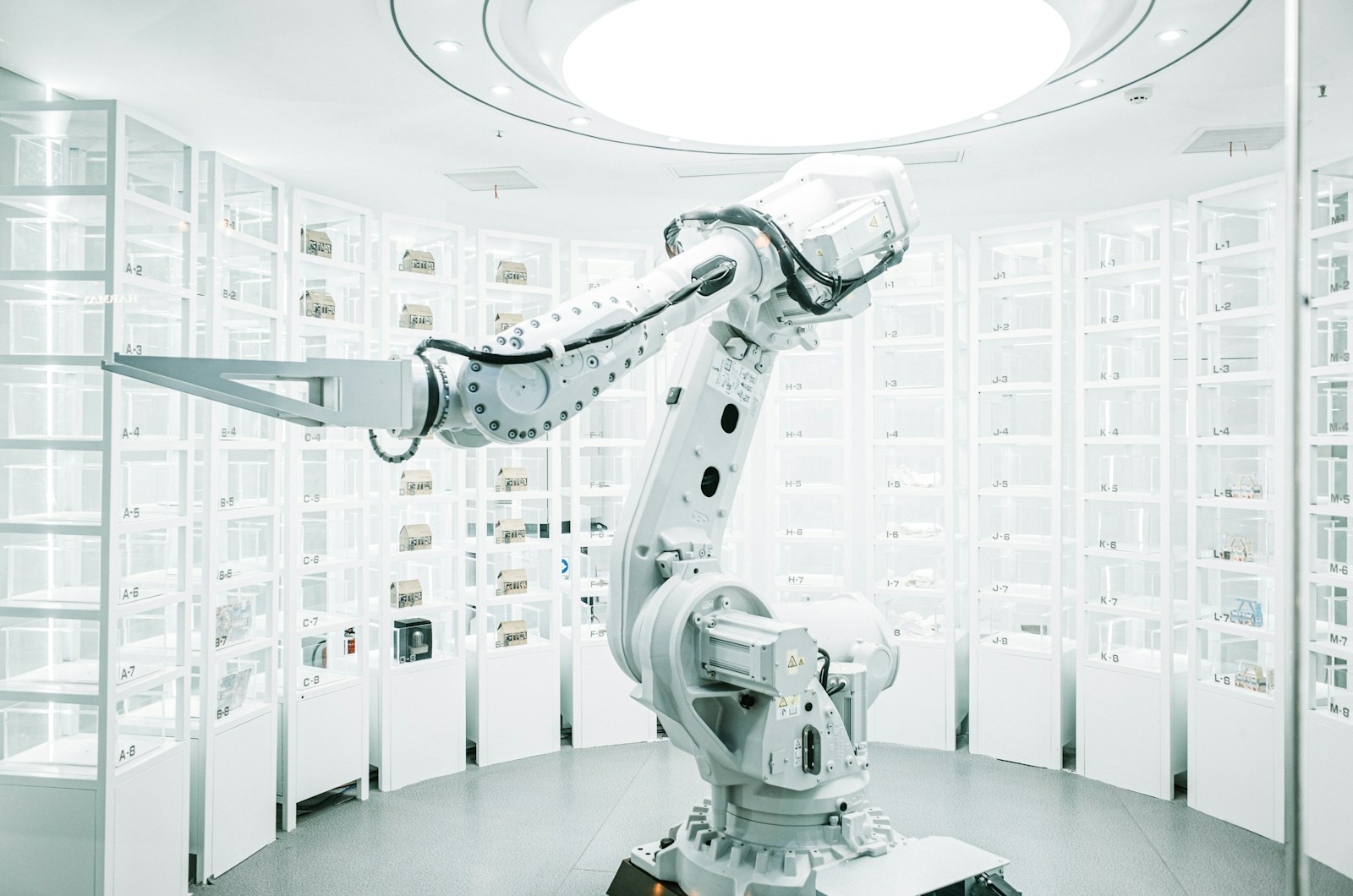
General Motors’ decision to install approximately 50 collaborative robots at its Factory Zero electric vehicle plant in Detroit has sparked a renewed debate about automation and manufacturing jobs. The move comes as more than 1,000 laid-off workers remain off the job, prompting criticism from union leaders who argue some positions could have been restored instead.
The robotic arms, manufactured by FANUC, are designed to assist with tasks such as attaching vehicle components during assembly. GM says the technology is intended to improve safety, ergonomics, quality, and competitiveness as the company expands its electric vehicle production.
Union Leaders Question Timing
The installation of the robots has drawn criticism from the United Auto Workers, particularly because it follows a series of layoffs at Factory Zero.
James Cotton, president of UAW Local 22, has questioned why workers who were laid off earlier this year have not been recalled as automation expands. According to union officials, more than 1,000 workers remain on indefinite layoff after approximately 1,300 employees were affected by temporary layoffs announced earlier this year.
Union leaders argue that at least some of the work now being performed by robots could have provided opportunities for employees to return to the plant.
GM Says Automation Supports Manufacturing Goals
General Motors maintains that the robotic systems are intended to support workers rather than replace them. Company officials have emphasized that automation can improve workplace safety by handling repetitive or physically demanding tasks.
Automakers have increasingly adopted collaborative robots, often called cobots, that are designed to work alongside human employees rather than operate in isolated areas of a factory.
GM also faces pressure to improve efficiency as competition in the electric vehicle market continues to intensify.
Automation Is Expanding Across the Industry
General Motors is not alone in investing heavily in robotics. Automakers around the world have accelerated automation efforts as they seek to increase production efficiency and reduce manufacturing costs.
Companies including Ford Motor Company and Stellantis have expanded the use of robotic systems in their facilities. Meanwhile, Hyundai has discussed future plans to incorporate advanced robotics, including technology developed by Boston Dynamics, into some manufacturing operations.
These developments reflect a broader shift toward automation throughout the automotive sector.
A Growing Debate About the Future of Work
The controversy surrounding Factory Zero highlights a larger conversation taking place across many industries. Supporters of automation argue that technology can improve safety, boost productivity, and help manufacturers remain competitive.
Critics, however, worry that workers may bear the cost of those gains if companies reduce staffing levels or fail to create new opportunities for displaced employees.
Andrew Bergman, a member of UAW Local 22 and union organizer, has argued that technology should be used to improve workers’ quality of life rather than simply reduce labor costs. He believes automation could help create more balanced work schedules if productivity gains are shared with employees.
Competing Visions for Manufacturing
The debate over automation was evident at recent gatherings in Detroit, where industry leaders and labor advocates offered sharply different perspectives on the future of manufacturing.
Events such as the Reindustrialize Summit highlighted the potential benefits of advanced robotics and artificial intelligence in modern factories. At the same time, discussions at the UAW Constitutional Convention focused on concerns about job security, wage growth, and the impact of automation on workers.
UAW President Shawn Fain has also warned about the long-term implications of increasingly sophisticated robotics and automation technologies.
Looking Ahead
As electric vehicle production expands, the role of automation in manufacturing is likely to grow. The challenge facing automakers, workers, and policymakers will be finding ways to balance technological innovation with workforce stability.
For companies such as General Motors, automation offers opportunities to improve efficiency and remain competitive in a rapidly changing industry. For workers and unions, the focus remains on ensuring that technological progress does not come at the expense of good-paying manufacturing jobs.
The debate at Factory Zero may be just one example of a larger conversation that will continue to shape the future of American manufacturing.
Read More:
- 10 Electric Vehicles Worth Watching Over the Next Few Years
- 10 Elon Musk Forecasts That Didn’t Go According to Plan
- 15 SUVs That Are Actually Built for Off-Roading