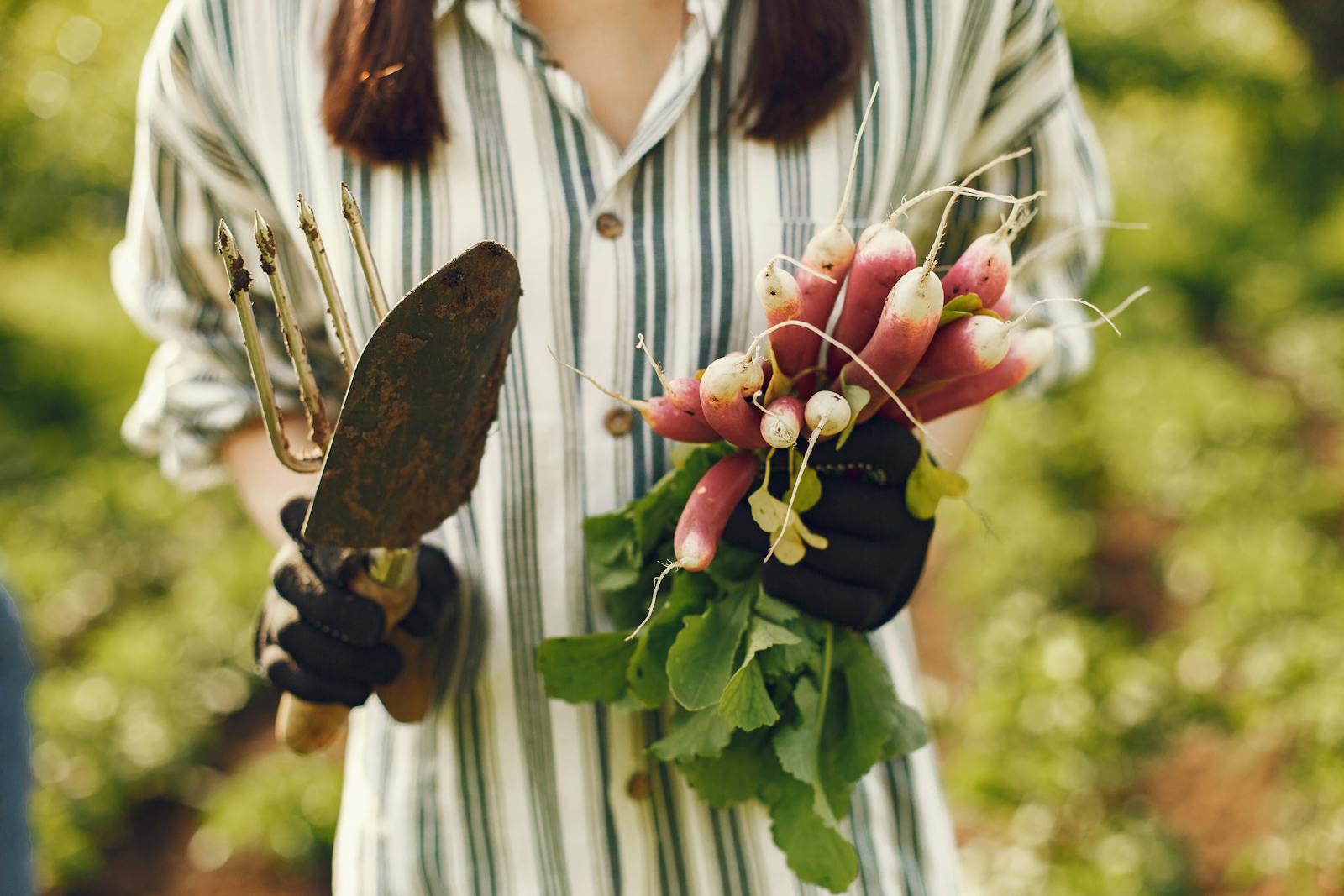
Homesteading content is everywhere these days. Scroll through social media and you’ll see beautiful gardens, cozy chicken coops, baskets overflowing with vegetables, and smiling families living a seemingly self-sufficient dream.
What you don’t see is everything happening just outside the camera frame.
Homesteading can be rewarding, but it can also be expensive, exhausting, and far less glamorous than the internet makes it appear. Here are 10 things homesteading influencers rarely show you.
10. The Startup Costs Can Be Shocking
Many people get into homesteading to save money.
Then they discover the cost of raised beds, fencing, tools, livestock shelters, feed, irrigation systems, fruit trees, canning equipment, and supplies. It’s not unusual for new homesteaders to spend thousands of dollars before harvesting their first meaningful crop.
9. Animals Don’t Take Vacations
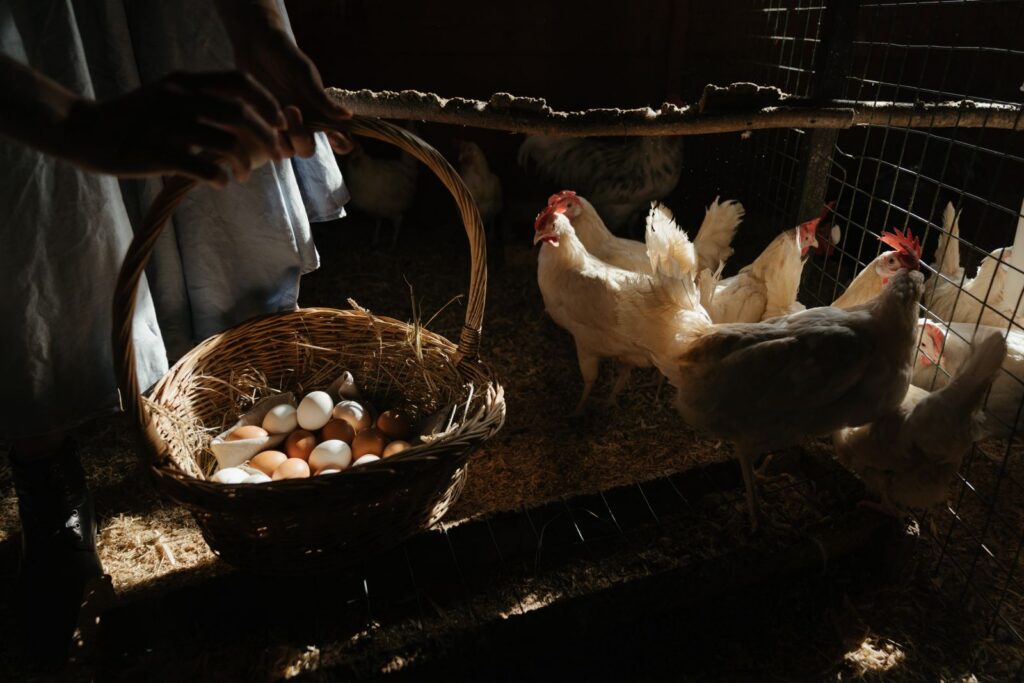
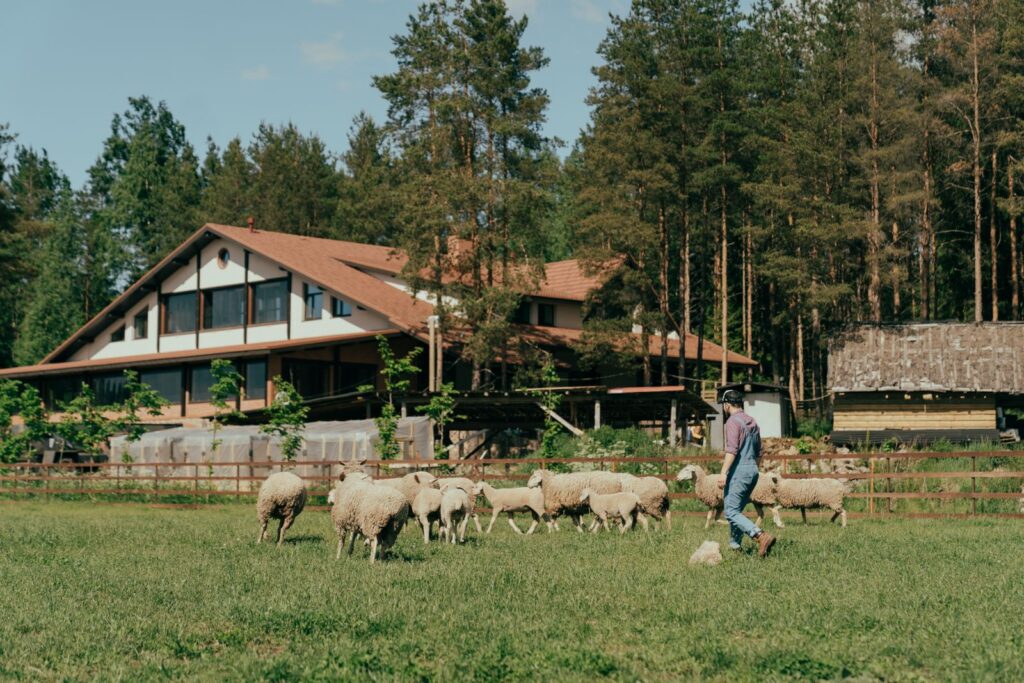
Chickens, goats, rabbits, and other livestock need care every single day.
Rain, snow, holidays, vacations, and illnesses don’t change that. Animals still need feeding, watering, cleaning, and monitoring, whether you’re feeling motivated or not.
8. Nature Doesn’t Care About Your Plans
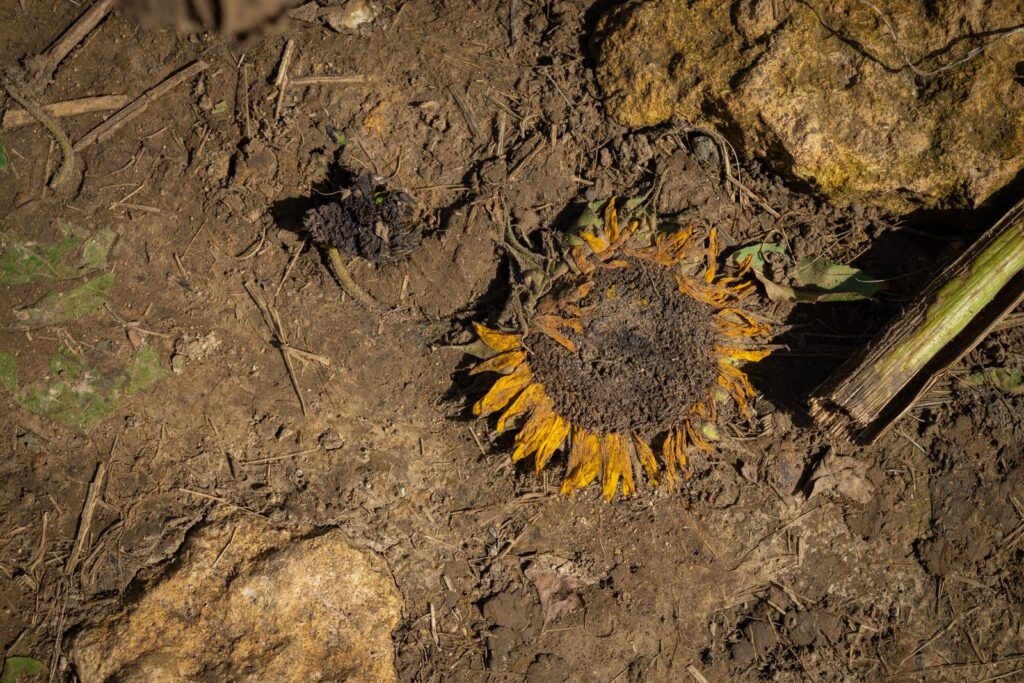
The internet loves harvest photos.
What it rarely shows are the crops destroyed by late frosts, droughts, floods, heat waves, pests, diseases, and hungry wildlife. Some years, Mother Nature reminds everyone who’s really in charge.
7. Growing Food Is Often Harder Than Buying It
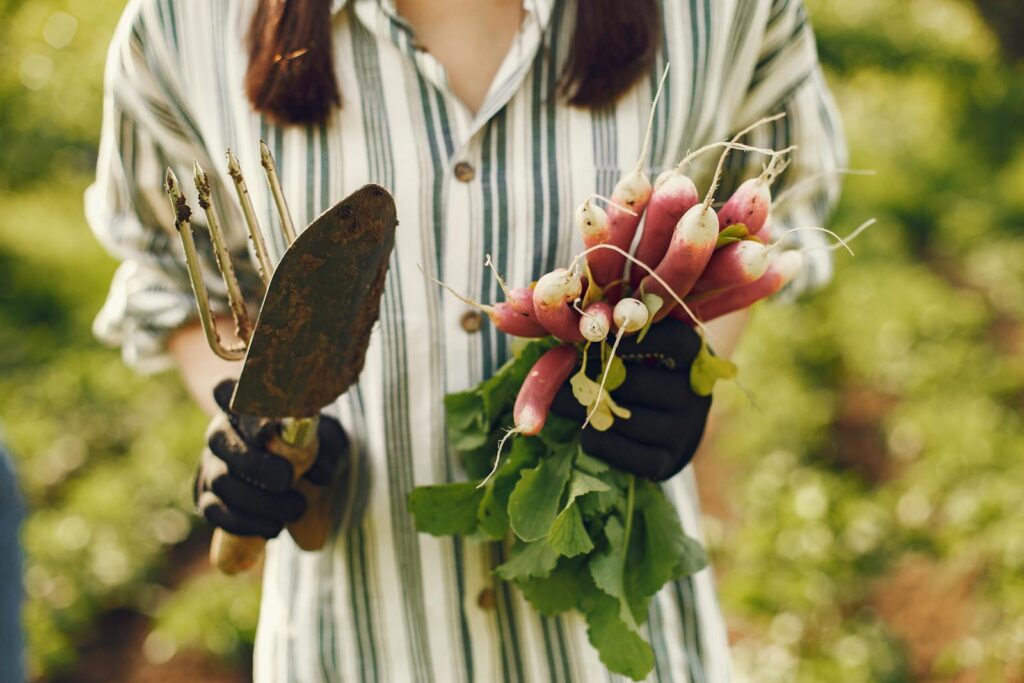
Growing a tomato sounds simple until you’re battling blight, hornworms, squirrels, cracked fruit, and inconsistent weather.
Many first-time gardeners discover that producing food consistently requires far more knowledge and effort than they expected.
6. The Work Never Really Ends
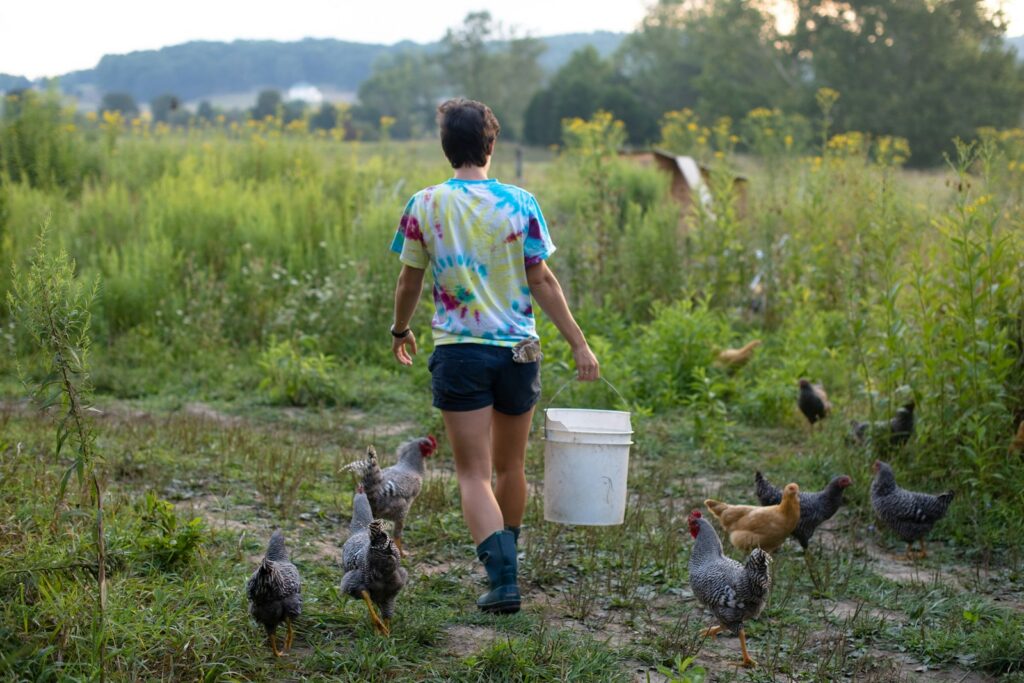
There’s always something that needs attention.
Weeding, planting, harvesting, repairing fences, maintaining equipment, preserving food, feeding animals, managing pests, and planning for the next season create an endless cycle of work.
Homesteading isn’t a hobby with an off-season. It’s more like a second job.
5. Food Preservation Is a Job of Its Own
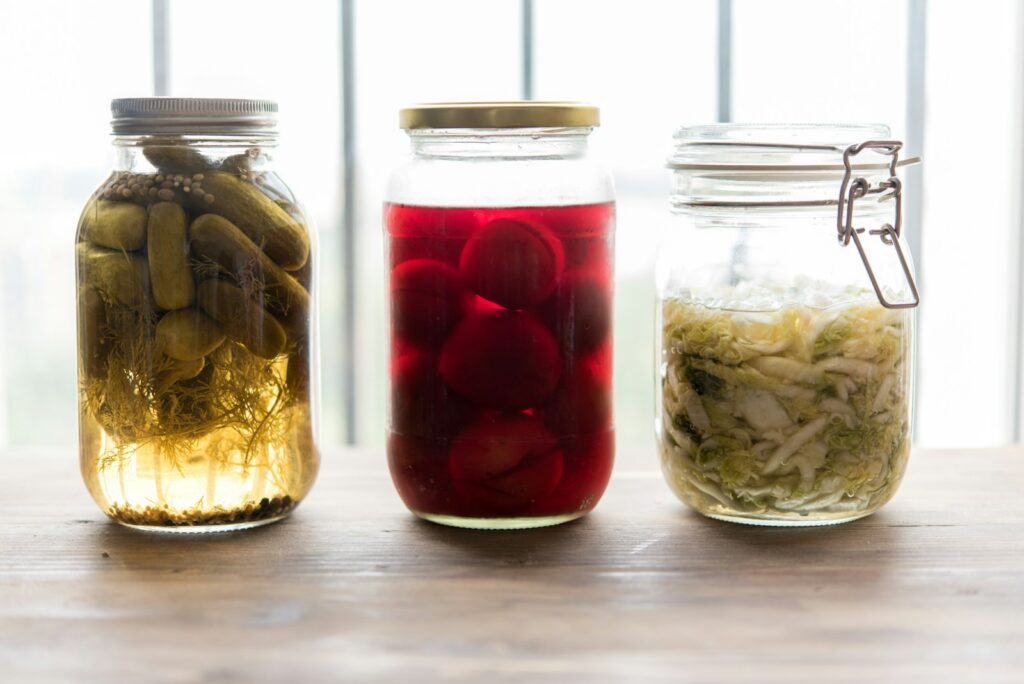
Growing food is only half the challenge.
If you suddenly harvest 30 pounds of tomatoes or several bushels of green beans, you’ll need to preserve them quickly. Canning, freezing, dehydrating, and storing food requires time, equipment, and a surprising amount of labor.
4. It Doesn’t Always Save Money
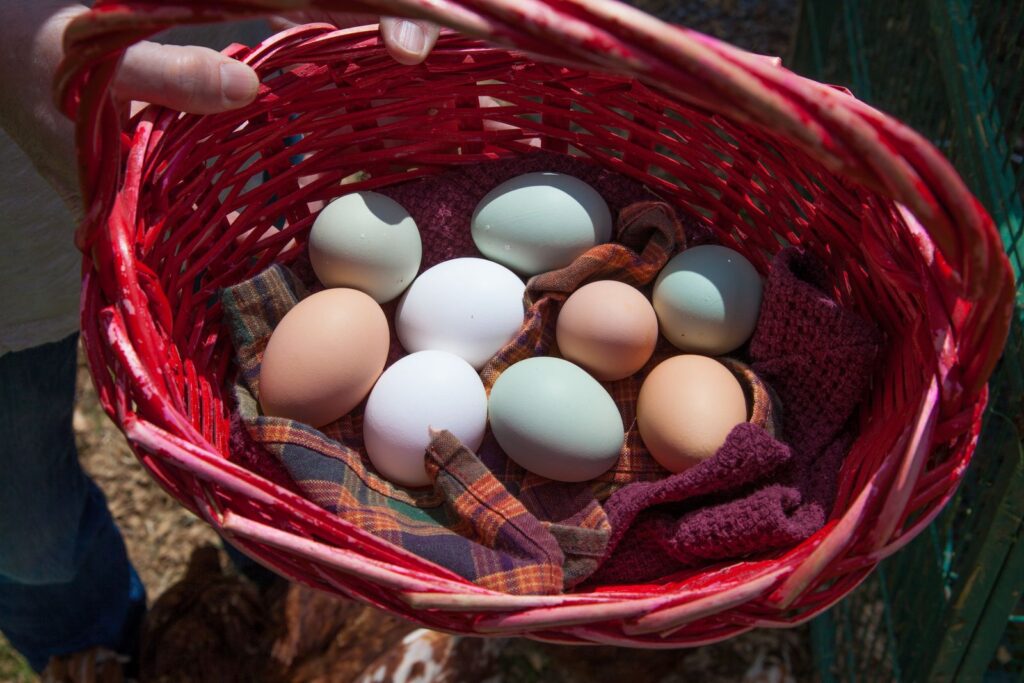
This is the part influencers often gloss over.
Many homesteading activities eventually save money, but some never do. Fresh eggs from backyard chickens can be wonderful, but after factoring in coop construction, feed, bedding, veterinary care, and supplies, they may be some of the most expensive eggs you’ll ever eat.
3. Equipment Breaks at the Worst Possible Time
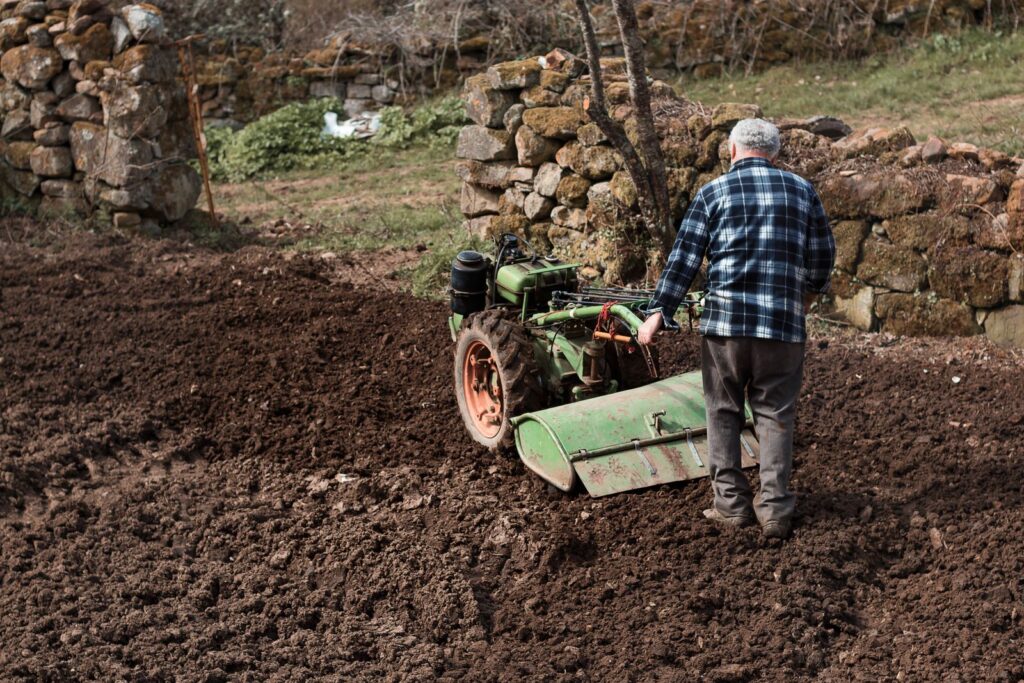
Garden tillers fail. Water lines burst. Fences collapse. Generators stop working.
And somehow, these things almost always happen during the busiest time of the season. Repairs are a regular part of homestead life and an ongoing expense many beginners underestimate.
2. Burnout Is Real
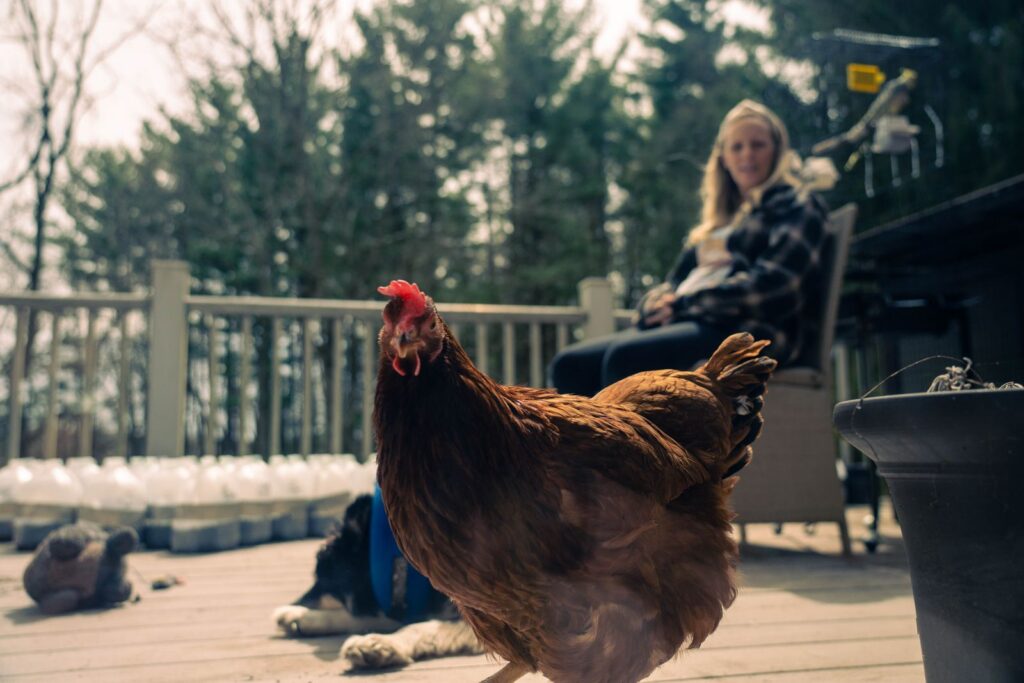
Social media often portrays homesteading as peaceful and relaxing.
The reality can involve long days, physical exhaustion, financial stress, and constant responsibility. Many new homesteaders discover they’ve taken on more than they can realistically manage.
Starting small is often the difference between enjoying the lifestyle and becoming overwhelmed by it.
1. Most Successful Homesteads Were Built Slowly
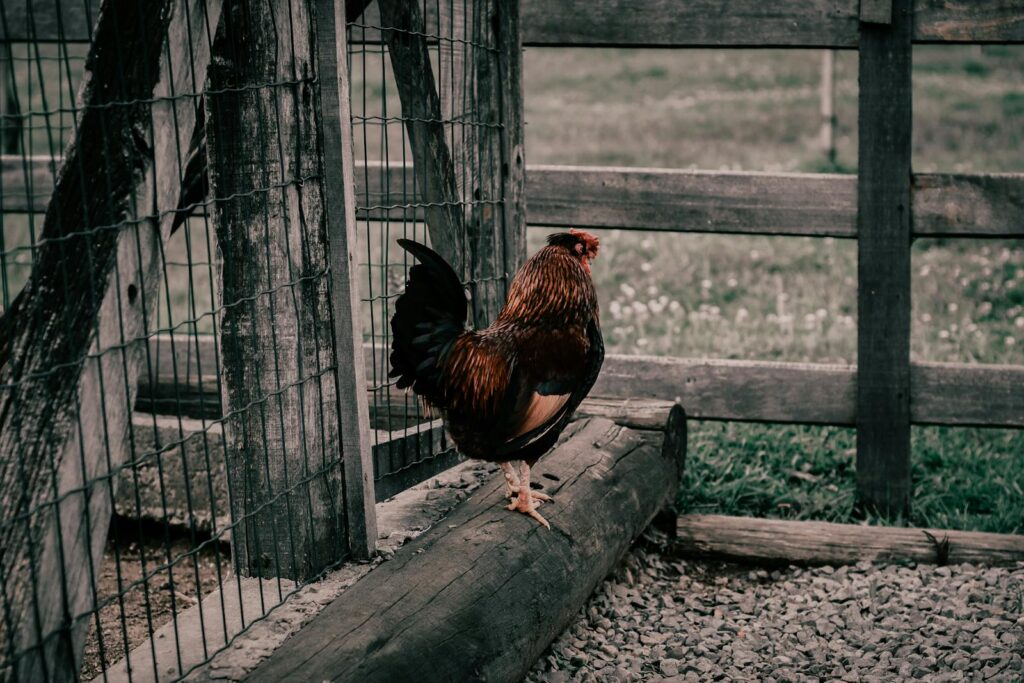
The beautiful homestead you see online probably didn’t happen overnight.
Many influencers are showcasing years—or even decades—of gradual improvements, investments, failures, and learning experiences. Trying to recreate everything at once is one of the fastest ways to overspend and burn out.
The most successful homesteaders usually start with a garden, add a few projects at a time, learn from mistakes, and grow slowly.
Homesteading can be deeply rewarding. It can provide fresh food, practical skills, and a greater sense of independence. But the reality is much messier, more expensive, and more labor-intensive than most social media posts suggest. The secret isn’t perfection—it’s persistence.
Read More:
- The Most Affordable Grocery Chains in the US
- Think You Avoid GMOs? These 10 Foods Might Surprise You
- Buying in Bulk? These 10 Items Are Actually Worth It