
Bathing a cat is one of those tasks that sounds simple in theory and feels like a survival challenge in practice.
Most cats would rather do almost anything else. Many owners would too. But sometimes a bath is unavoidable, whether your cat rolled in something questionable, has a skin condition, or simply needs a little help staying clean.
The good news? With the right setup, a little patience, and realistic expectations, you can make bath time far less dramatic than its reputation suggests.
Does Your Cat Actually Need a Bath?
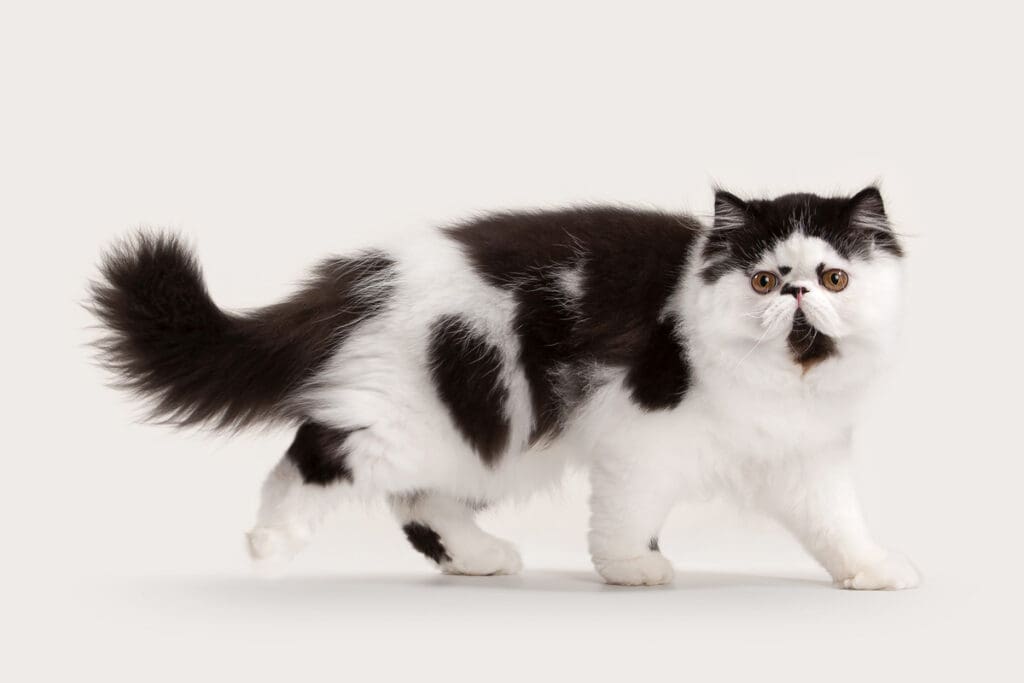
Before you fill the tub, it’s worth asking whether a bath is even necessary.
Cats are excellent self-groomers and most healthy cats rarely need regular baths. However, there are a few situations where a bath may be helpful:
- Your cat got into something sticky, greasy, or dirty
- Your veterinarian recommends medicated baths
- Your cat has fleas or parasites
- Your cat is elderly and struggling to groom
- Your cat has a very long coat that mats easily
- You have a hairless breed that requires regular skin care
If none of those apply, your cat may already be handling personal hygiene just fine.
15. Gather Everything Before You Start
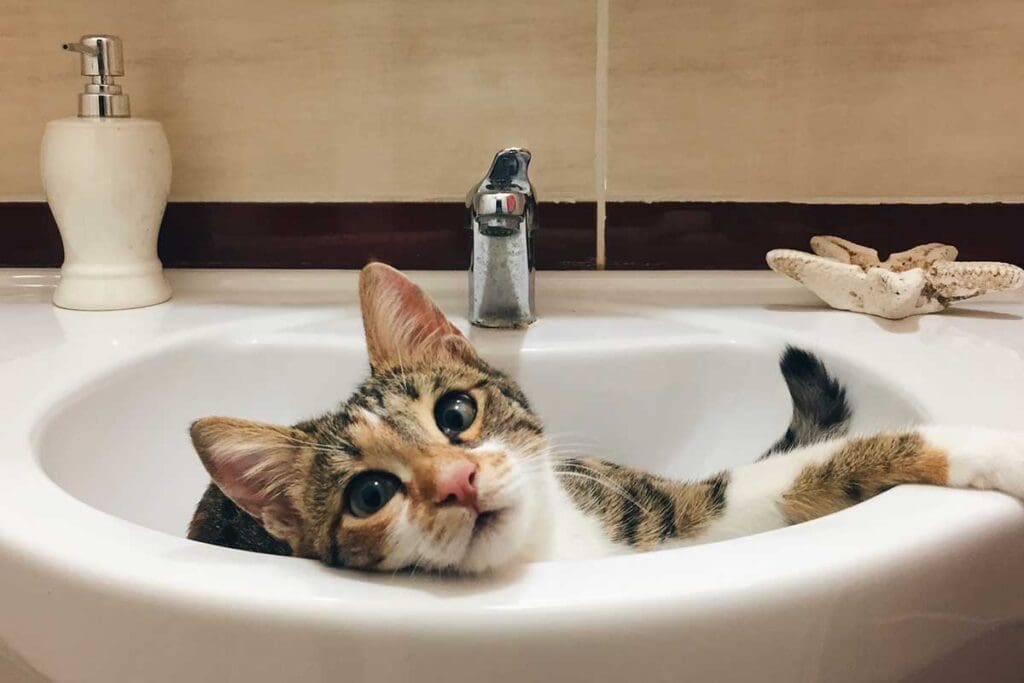
The biggest mistake many people make is realizing they forgot something after the cat is already wet.
Before bath time, have the following ready:
- Cat-specific shampoo
- Several towels
- A non-slip mat or folded towel
- A pitcher or handheld sprayer
- Treats
- A brush
- A helper if available
Once the process begins, you won’t want to leave your cat unattended.
14. Choose the Right Location
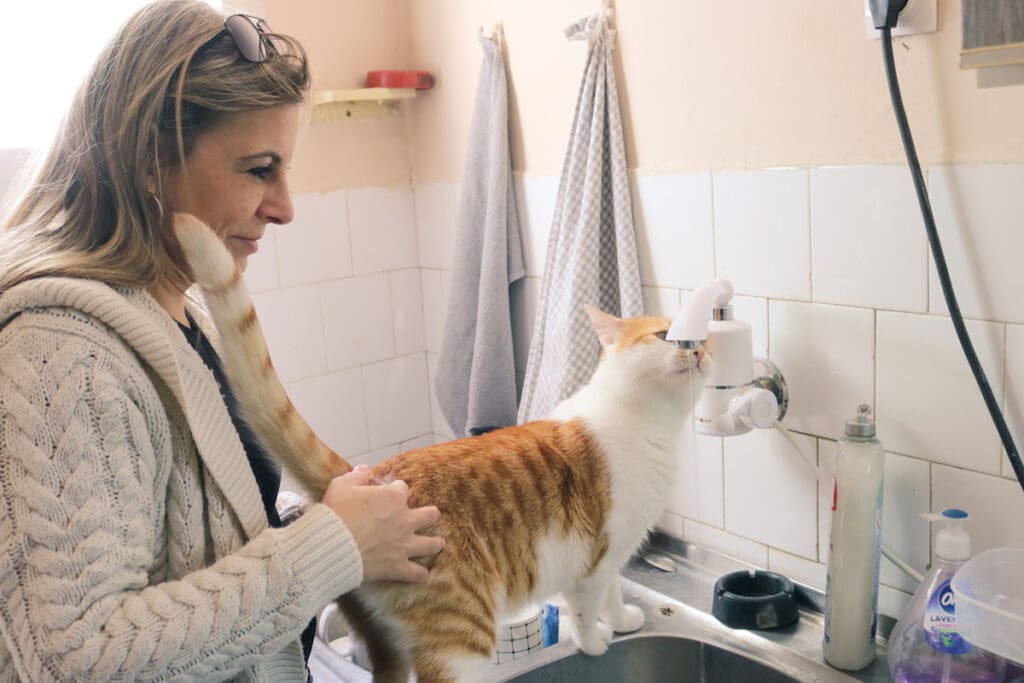
The ideal bathing location is somewhere enclosed where your cat can’t make a dramatic escape.
Good options include:
- A bathtub in a closed bathroom
- A bathroom sink
- A large kitchen sink
Avoid bathing your cat outdoors. If they slip away, panic can quickly turn into a dangerous situation.
13. Trim Nails Ahead of Time
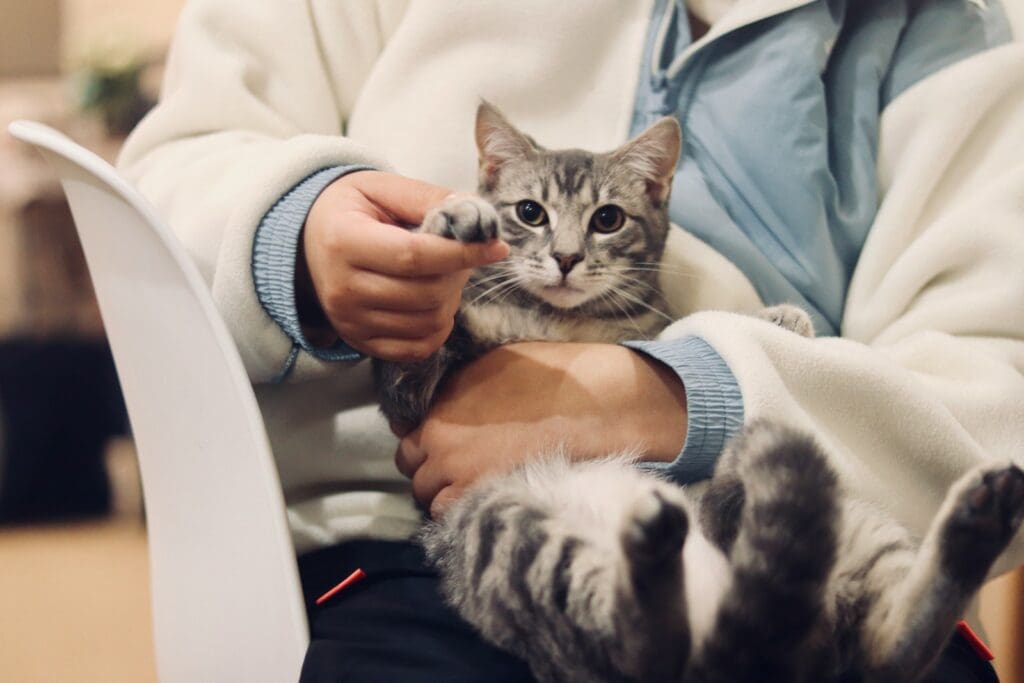
You don’t need to give your cat a full manicure, but trimming sharp tips a day or two beforehand can save your arms from looking like you’ve wrestled a rose bush.
12. Brush First
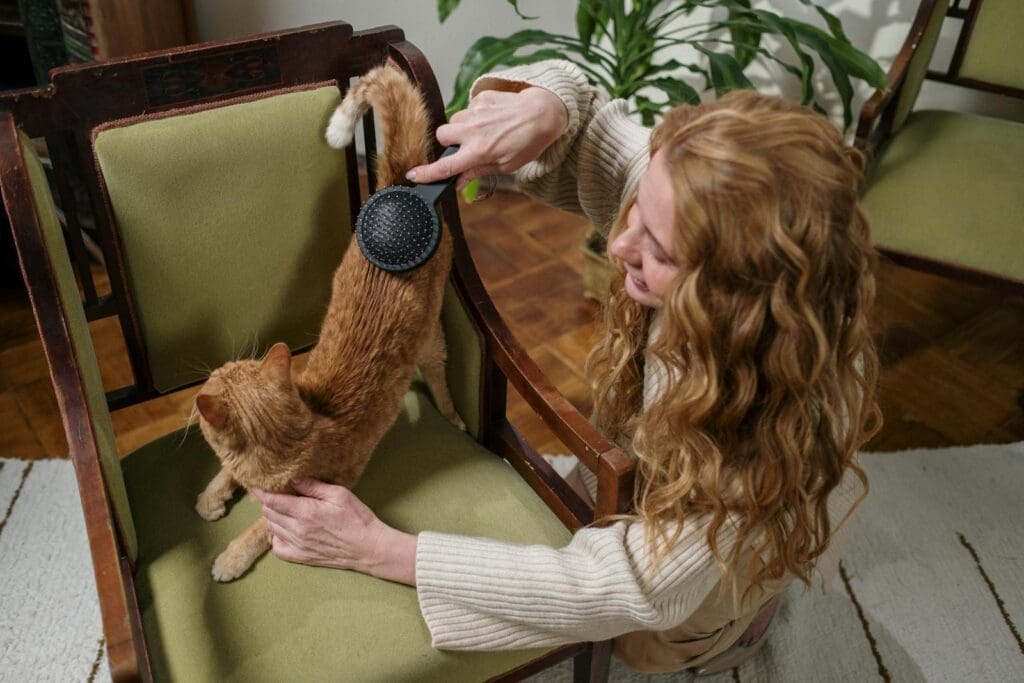
A quick brushing removes loose fur, dirt, and tangles before water enters the picture.
Trying to wash mats often makes them tighter and more difficult to remove later.
11. Make the Room Warm
Nobody enjoys stepping out of a bath into a chilly room.
Close windows, eliminate drafts, and make sure the room feels comfortably warm before you begin.
10. Keep the Water Shallow
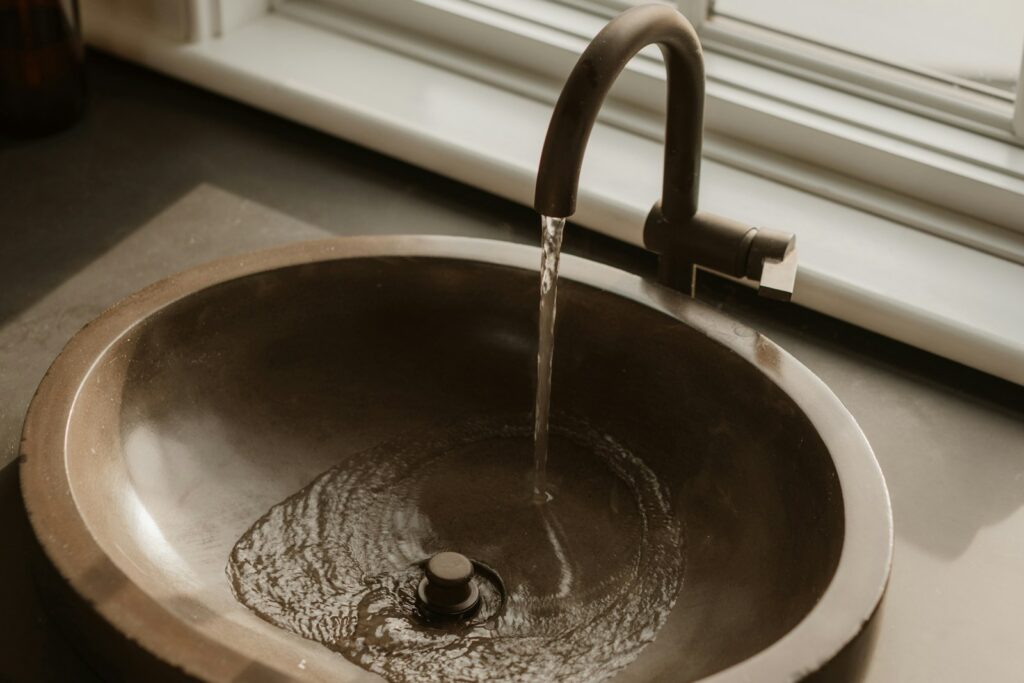
You aren’t trying to recreate a swimming pool.
A few inches of warm water is usually plenty. Most cats feel less threatened when they can comfortably keep their footing.
9. Use Warm, Not Hot, Water
Test the water as you would for a baby.
It should feel comfortably warm, never hot. Cats are sensitive to temperature, and water that’s too warm can increase stress and discomfort.
8. Introduce Water Gradually
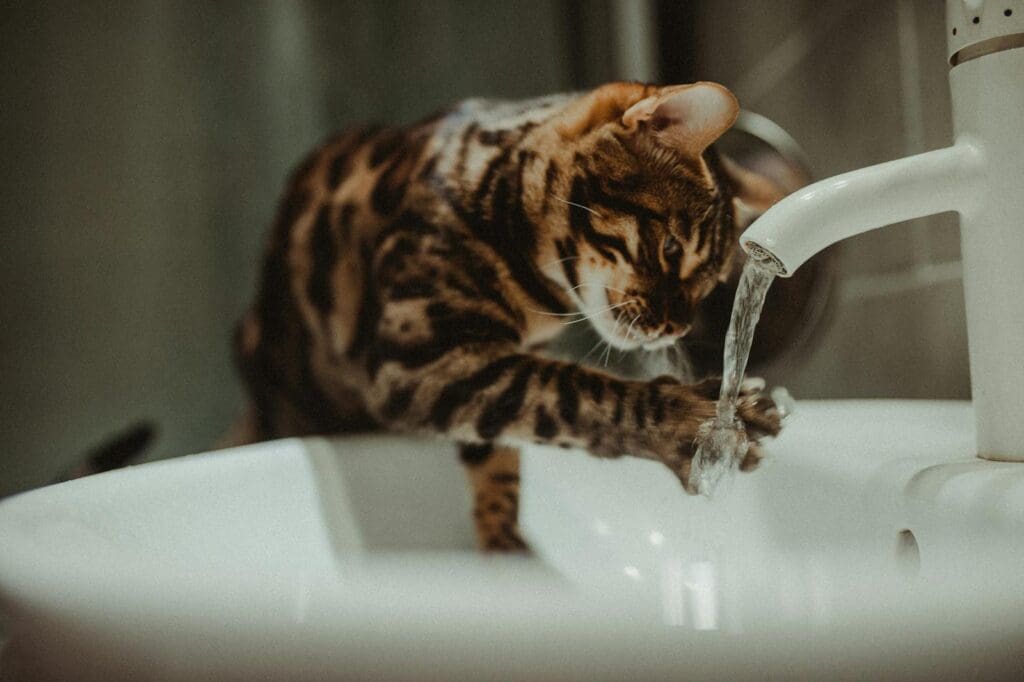
Don’t lower your cat into the water like you’re launching a boat.
Start slowly by wetting paws and legs first. Speak calmly and move deliberately. Sudden movements often trigger panic.
7. Stay Calm Yourself
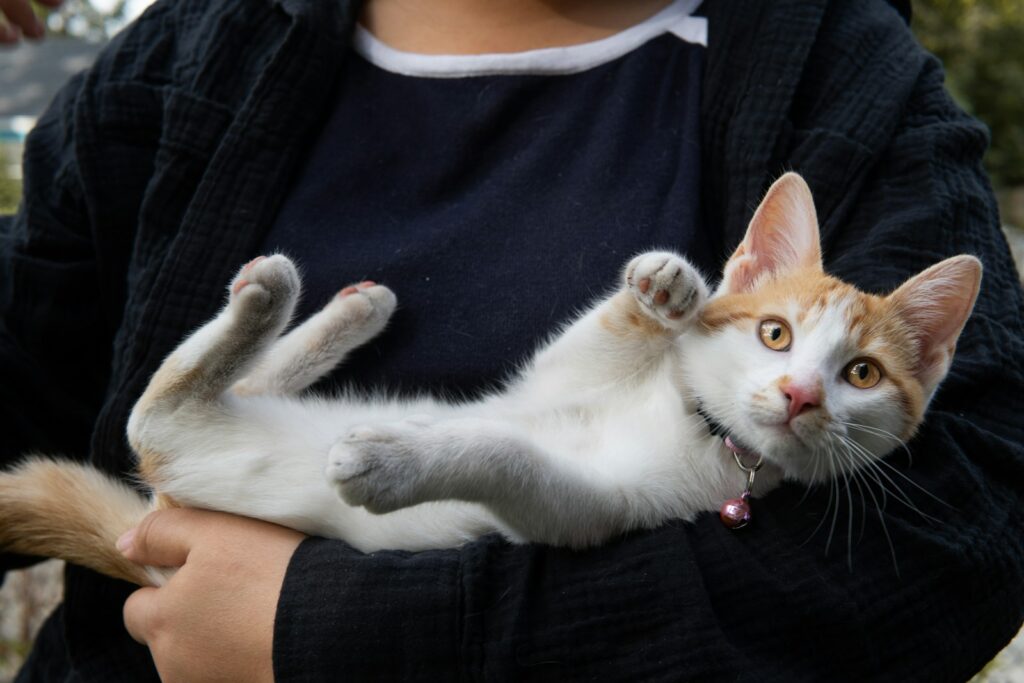
Cats are experts at reading body language.
If you’re tense, frustrated, or anticipating disaster, your cat will probably notice. Acting calm—even if you’re faking it—can help keep the situation from escalating.
6. Use Only Cat Shampoo

Human shampoos can irritate feline skin and disrupt natural oils.
Always use products specifically designed for cats, and follow the directions carefully.
5. Avoid the Face
Most cats hate having water poured over their heads.
Instead of soaking the face, use a damp washcloth to gently wipe around the eyes, nose, and cheeks as needed.
4. Rinse Thoroughly
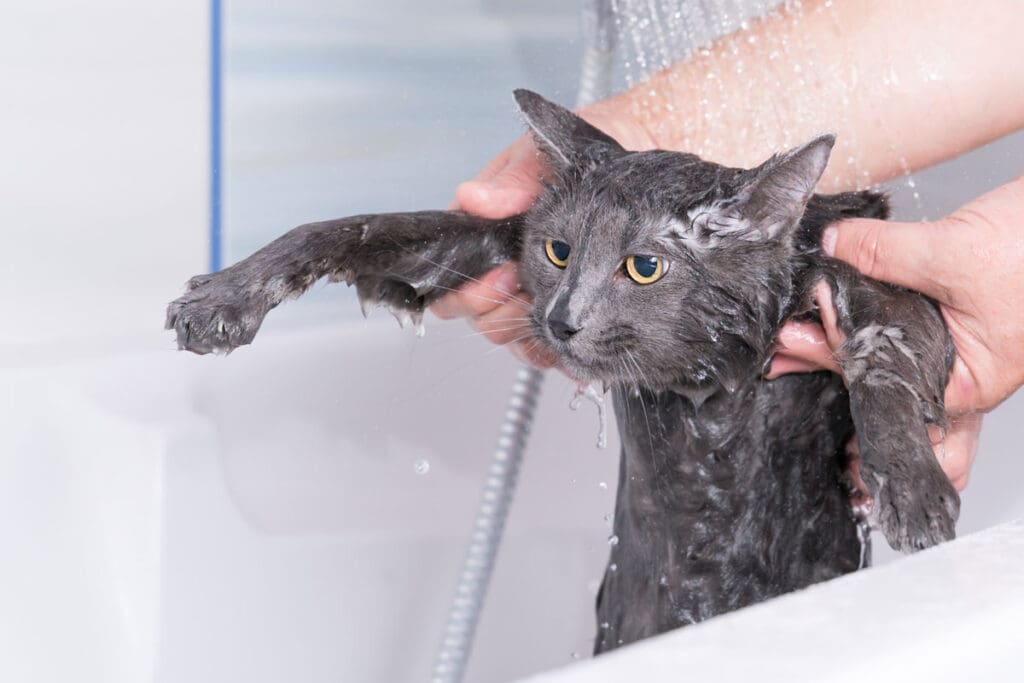
Leftover shampoo can irritate the skin and leave the coat feeling sticky.
Take your time and rinse until the water runs clear and no residue remains.
3. Towel Dry Immediately
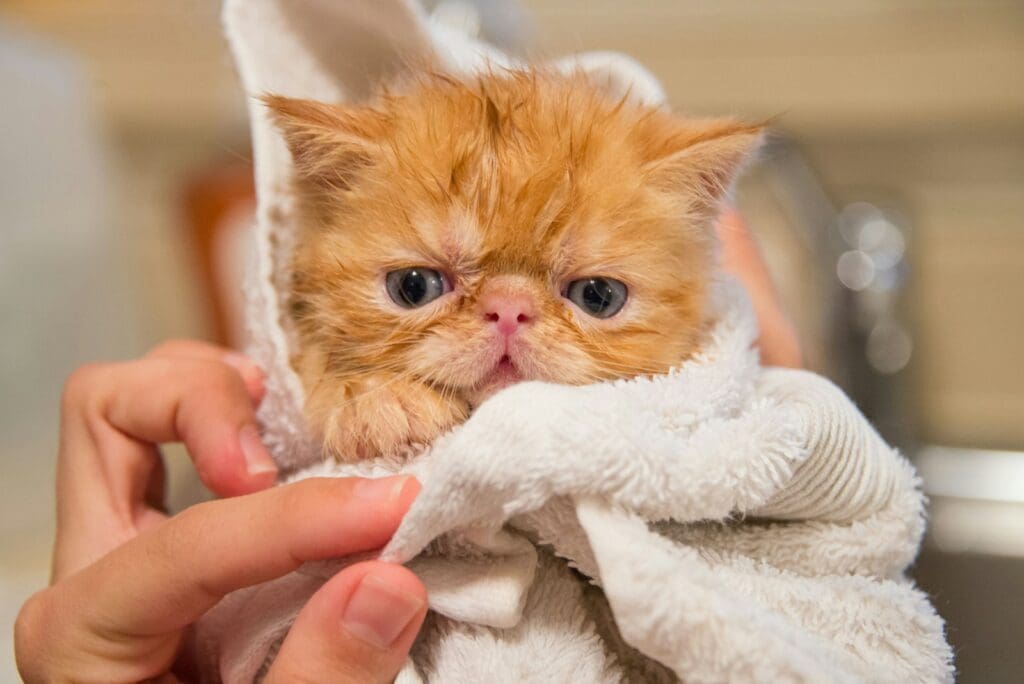
As soon as the bath is over, wrap your cat in a towel and gently blot away excess moisture.
Think “spa treatment” rather than “aggressive car wash.”
2. Reward Generously
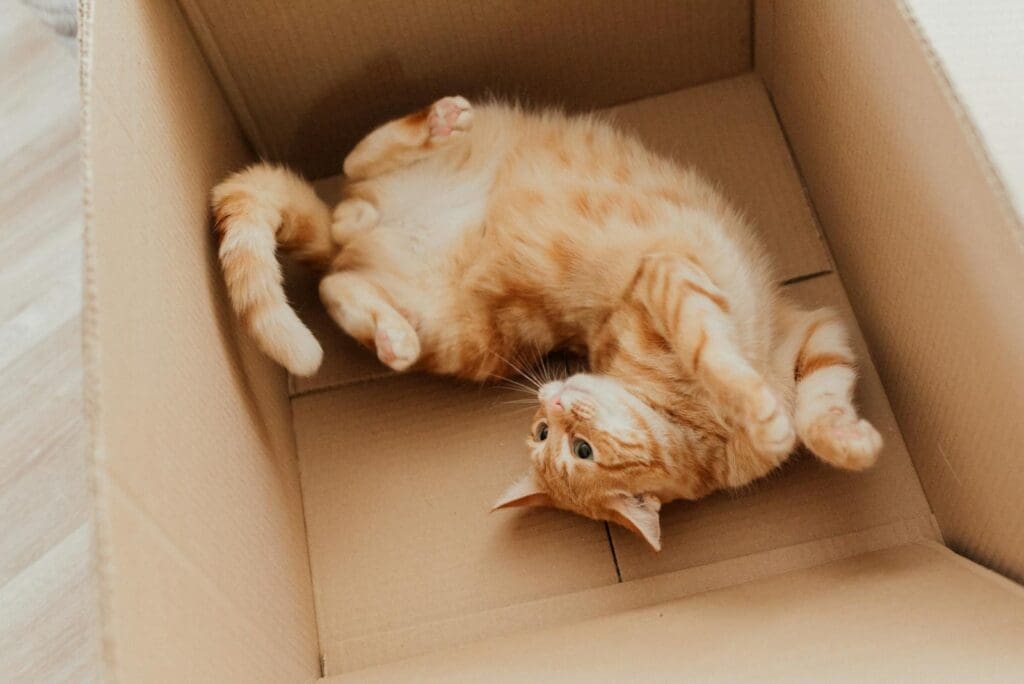
This is not the time to be stingy with treats.
Offer praise, favorite snacks, toys, or extra affection. The goal is to help your cat associate the end of bath time with something positive.
1. Know When to Call It Quits
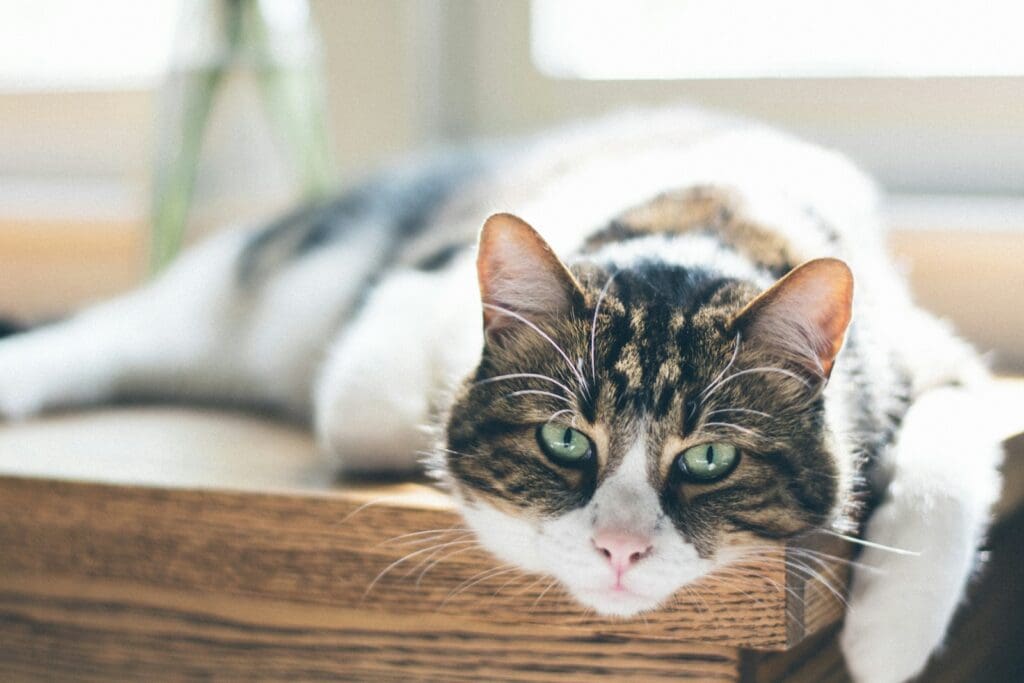
Some cats simply do not tolerate baths well.
If your cat becomes extremely stressed, aggressive, or fearful, stop and consult your veterinarian or a professional groomer. A clean cat is great. A traumatized cat (and injured owner) is not.
Bathing a cat may never be anyone’s favorite activity, including the cat’s. But with preparation, patience, and plenty of treats, it doesn’t have to turn into the kind of story your friends hear about for years afterward. Most importantly, remember that many cats rarely need baths at all—so if yours stays clean on their own, consider it one of life’s small miracles.
Read More:
- What to Do If Your Cat Runs Away (And How to Get Them Back)
- Sorry Dog Lovers—Here Are 10 Reasons Cats Win
- 10 Cat Breeds That Love to Cuddle (Yes, Really)