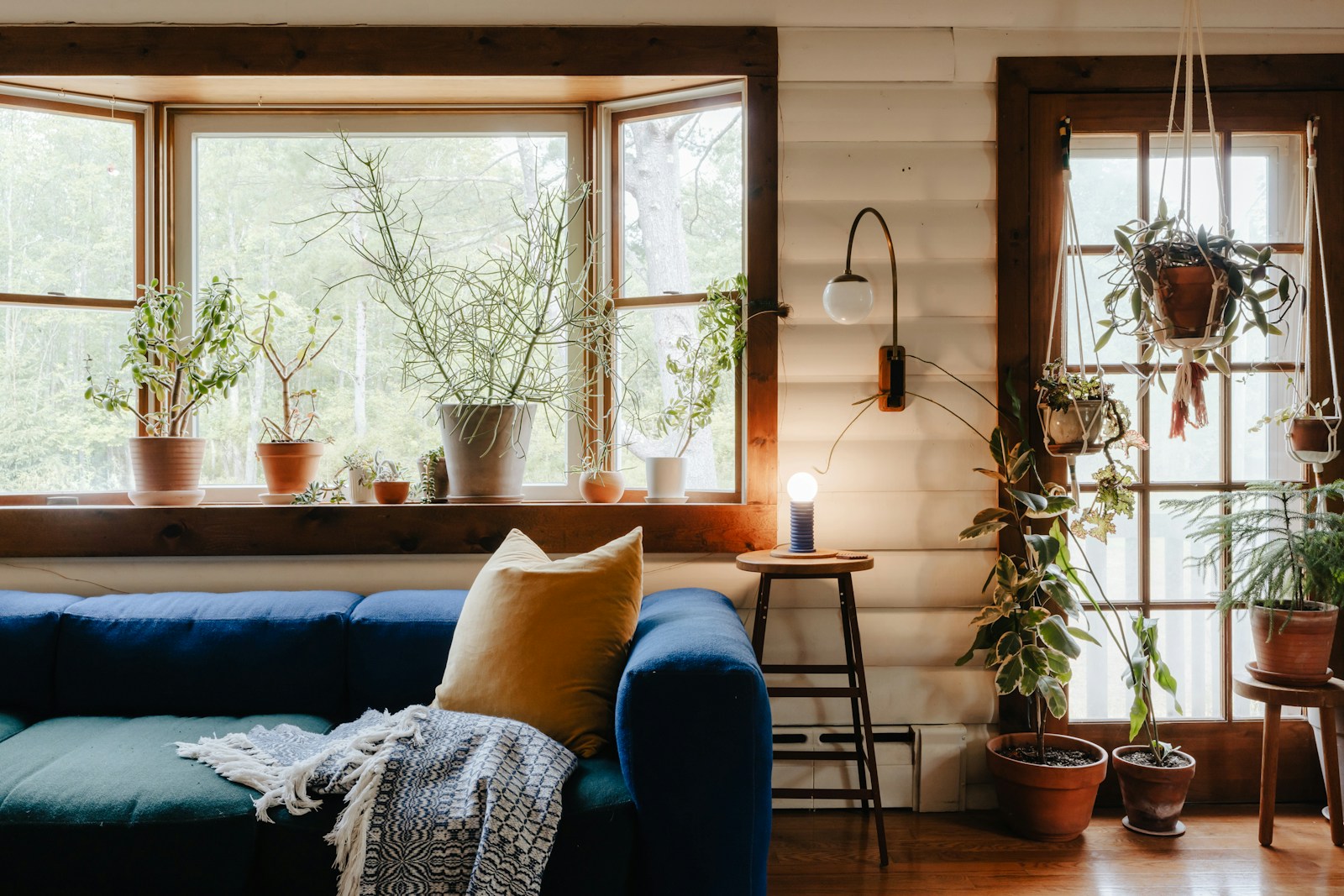
The colors that surround you do more than shape your décor—they can influence how you feel, think, and interact with your environment. While color psychology isn’t an exact science and individual preferences matter, research suggests that certain colors can affect mood, energy levels, and even stress responses.
From calming bedrooms to energizing workspaces, strategic color choices can help create an environment that supports your emotional well-being. Here are 10 ways to use color psychology to boost your mood at home.
10. Understand That Color Influences Emotion
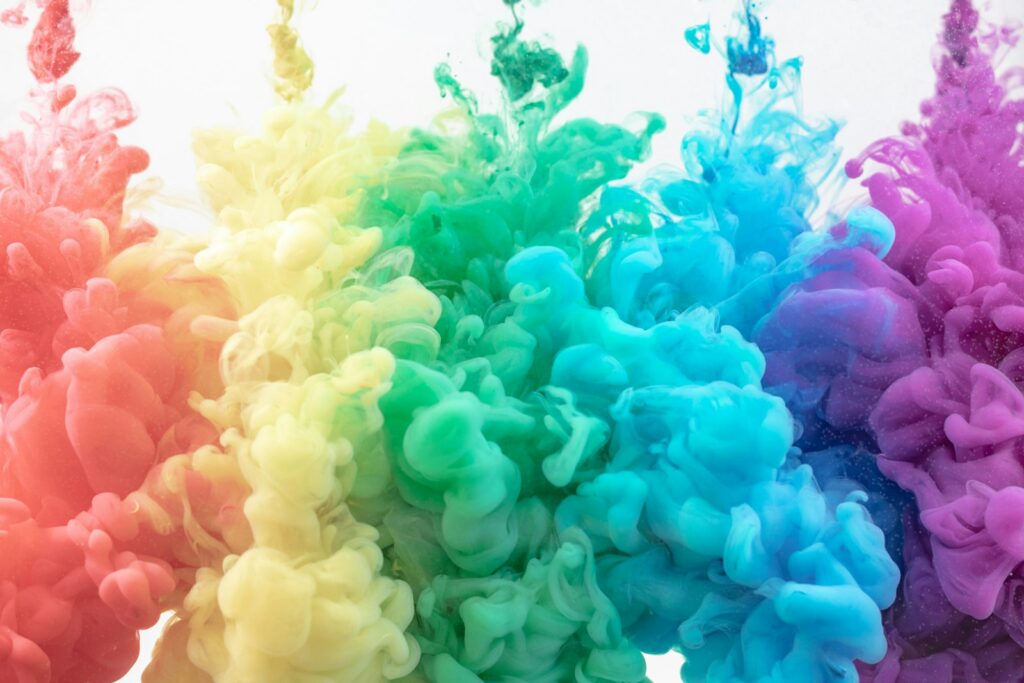
Before choosing paint samples or decorative accents, it helps to understand why color matters.
Colors can influence:
- Energy levels
- Focus and concentration
- Relaxation
- Appetite
- Social interaction
- Perceived warmth or spaciousness
While reactions vary from person to person, certain color patterns consistently emerge across cultures and studies.
9. Use Blue to Create Calm and Relaxation
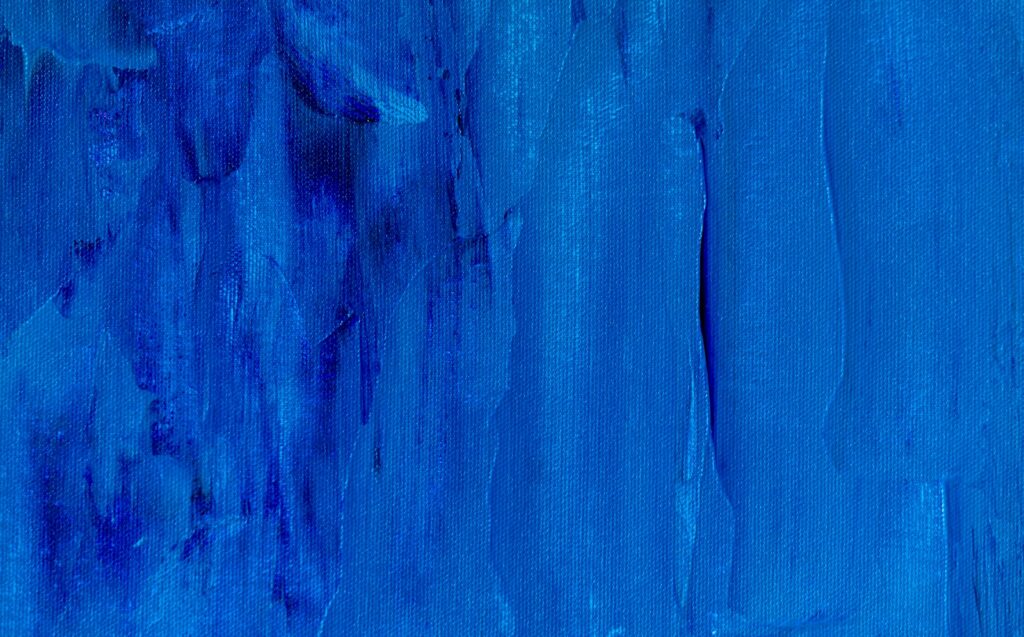
Blue is often associated with tranquility, stability, and calm.
Soft blues can help:
- Reduce feelings of stress
- Promote relaxation
- Create a sense of spaciousness
- Support restful sleep
This makes blue one of the most popular choices for bedrooms, reading nooks, and quiet retreat spaces.
Lighter shades often feel airy and peaceful, while deeper navy tones can add sophistication and comfort.
8. Bring Nature Indoors With Green
Green is strongly connected to nature, growth, and renewal.
Because it sits in the middle of the visible color spectrum, many people find it easy on the eyes and mentally balancing.
Green may help:
- Reduce visual fatigue
- Promote focus
- Encourage relaxation
- Create a sense of harmony
It’s especially effective in home offices, living rooms, and spaces where you spend long periods of time.
7. Add Yellow for Warmth and Optimism
Yellow is often linked with happiness, creativity, and mental stimulation.
Used thoughtfully, yellow can:
- Brighten dark spaces
- Increase feelings of warmth
- Encourage optimism
- Add cheerful energy
Because highly saturated yellow can sometimes feel overwhelming, softer buttery yellows or muted golden tones often work best for larger areas.
6. Use Orange to Encourage Connection
Orange combines the warmth of red with the cheerfulness of yellow.
It’s frequently associated with:
- Enthusiasm
- Sociability
- Creativity
- Energy
Orange works particularly well in gathering spaces where conversation and connection are encouraged.
Even small accents like throw pillows, artwork, or decorative accessories can add warmth without overwhelming a room.
5. Use Red Intentionally

Red is one of the most emotionally stimulating colors.
It can:
- Increase alertness
- Create excitement
- Draw attention
- Add warmth
Because red is so energizing, it often works best as an accent color rather than the dominant shade in a room.
Consider using red in dining spaces, workout areas, or decorative details where you want a little extra energy.
4. Create a Restorative Bedroom Environment
Your bedroom should support rest and recovery.
The most calming bedroom palettes often include:
- Soft blues
- Sage greens
- Warm neutrals
- Muted lavender tones
- Gentle earth colors
These shades help create a soothing atmosphere that encourages relaxation at the end of the day.
Avoid overly bright or highly stimulating colors if restful sleep is your goal.
3. Match Colors to the Purpose of the Room
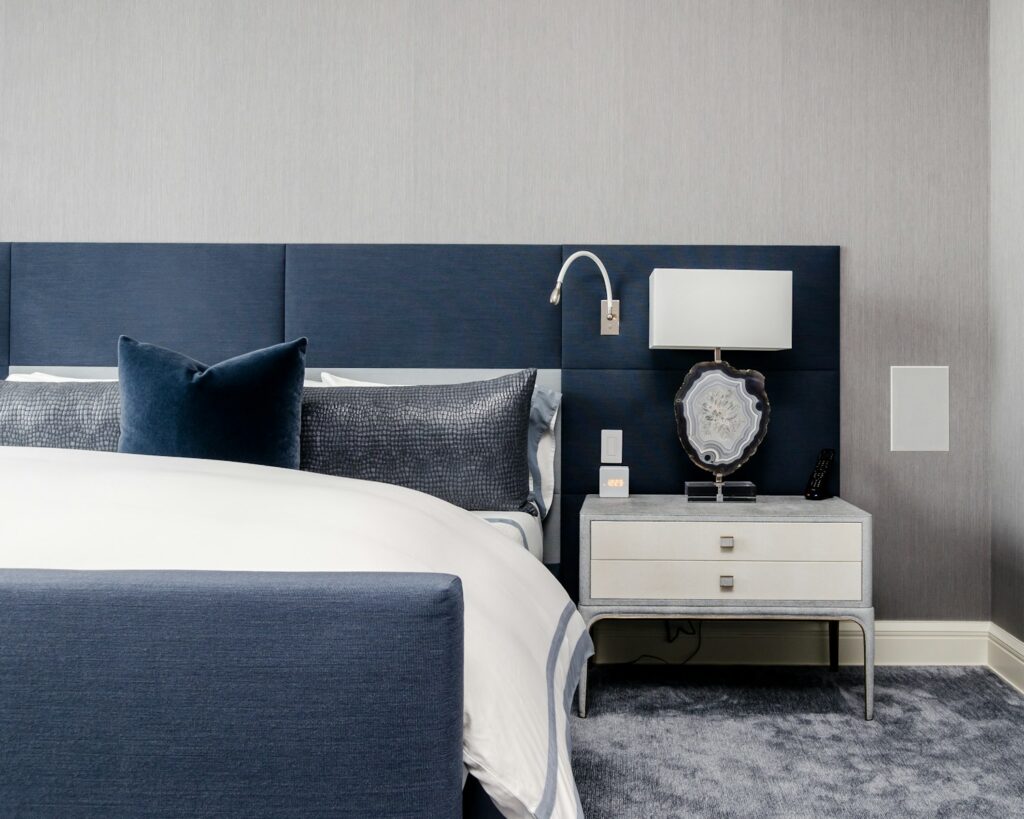
One of the most effective ways to use color psychology is to think about how you want a space to feel.
Consider:
- Home office: Green, blue, or soft neutrals for focus
- Living room: Warm earth tones for comfort and connection
- Kitchen: Warm yellows and soft oranges for energy
- Bedroom: Blues, greens, and calming neutrals
- Exercise area: Energizing accents like red or orange
Color works best when it supports the activities that happen in the space.
2. Don’t Forget the Power of Accent Colors
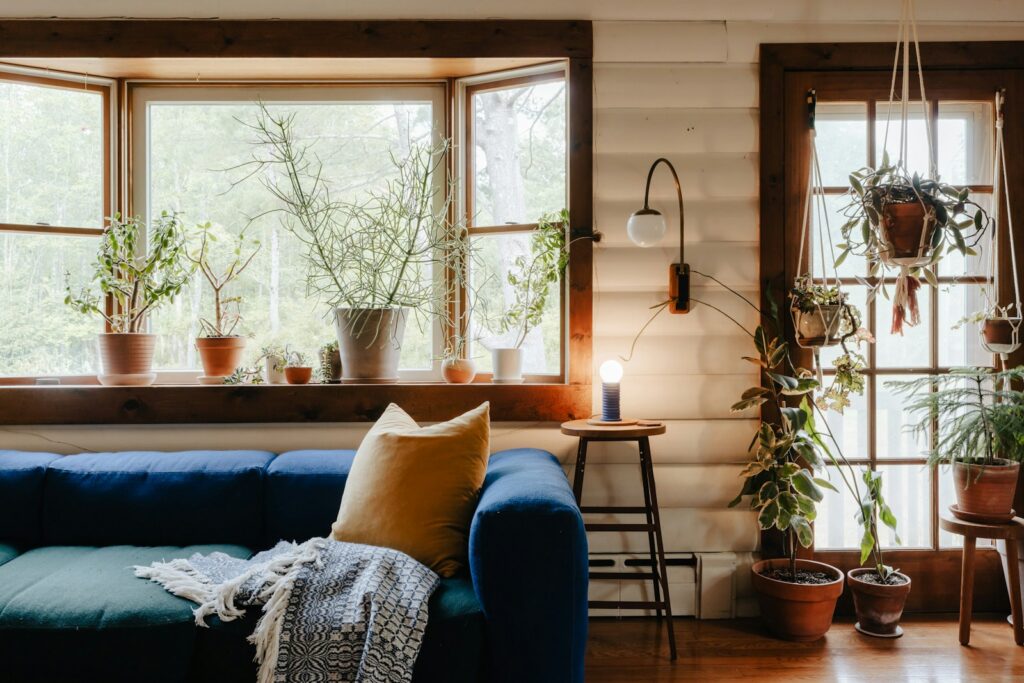
You don’t need to repaint your entire home to benefit from color psychology.
Small changes can make a surprising difference:
- Throw blankets
- Artwork
- Area rugs
- Pillows
- Lampshades
- Curtains
- Decorative accessories
Adding strategic pops of color allows you to experiment with different moods without making a major commitment.
1. Choose Colors That Make You Feel Good
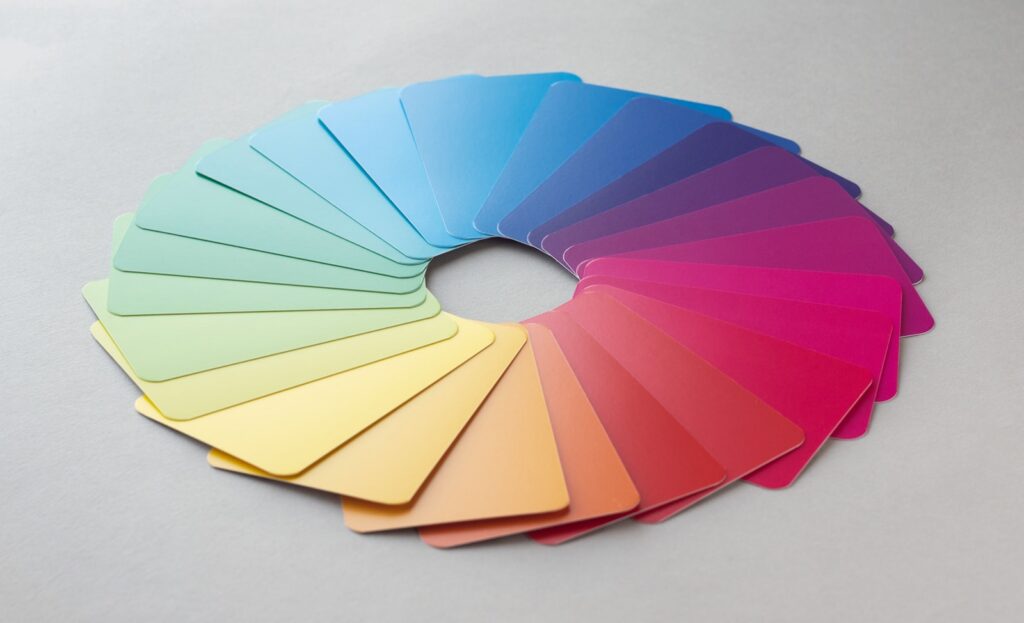
Perhaps the most important rule of color psychology is that personal preference matters.
If a study says blue is calming, but you associate blue with a stressful period in your life, your experience may be different.
Pay attention to how colors actually make you feel.
The most successful spaces combine general color psychology principles with your own emotional responses, memories, and tastes. When your environment feels supportive, comfortable, and authentic, that’s when color becomes a powerful wellness tool.
Read More:
- These 20 Common Habits Are Secretly Fueling Anxiety
- 15 Tiny Mindset Changes That Can Improve Your Mental Health
- 10 Sneaky Signs Stress Is Taking a Bigger Toll Than You Realize