This summer, the American automotive landscape is witnessing a significant shift as hybrids gain popularity among car buyers. With rising gas prices and the need for more fuel-efficient options, hybrids are becoming an increasingly popular choice. This trend is reshaping the market and influencing the future of electric vehicles in the U.S.
While electric vehicles (EVs) are making strides globally, hybrids are experiencing a particularly hot summer in the U.S. Here are 11 reasons why hybrids are capturing the attention of American drivers this season.
11. Rising Gas Prices

The sharp increase in gas prices amid disruptions to global oil supplies has made fuel efficiency a top priority for consumers.
Hybrids offer a practical solution by combining traditional fuel engines with electric motors, allowing drivers to save on fuel costs without compromising on range.
10. No Range Anxiety
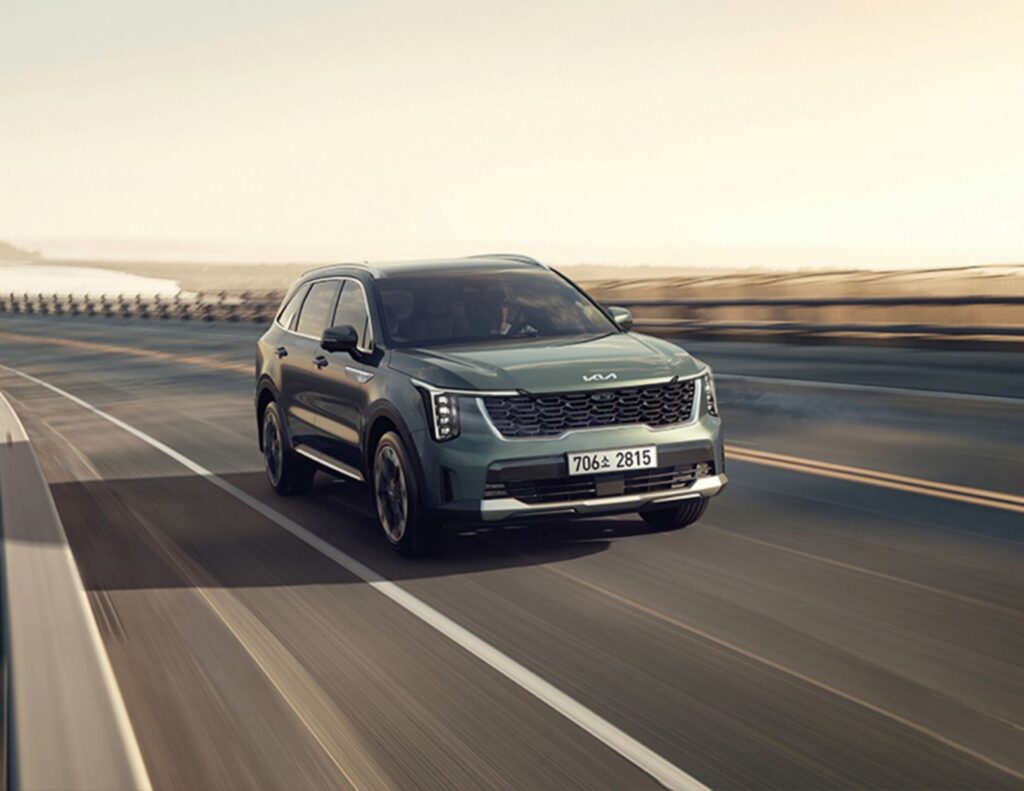
Unlike fully electric vehicles, hybrids alleviate range anxiety, which is a common concern among potential EV buyers.
Drivers can rely on the gasoline engine when the electric charge is depleted, ensuring they can travel longer distances without worry.
9. Increased Availability

Hybrids are now more accessible than ever, with a wide range of models available from major automakers.
Brands like Toyota and Honda have expanded their hybrid offerings, making it easier for consumers to find a model that suits their needs.
8. Competitive Pricing

While hybrids are generally more expensive than traditional gas-powered cars, the price difference is narrowing.
The additional cost for a hybrid powertrain varies considerably by vehicle, but greater fuel savings can make the premium worthwhile for some drivers over time.
7. Toyota’s Legacy
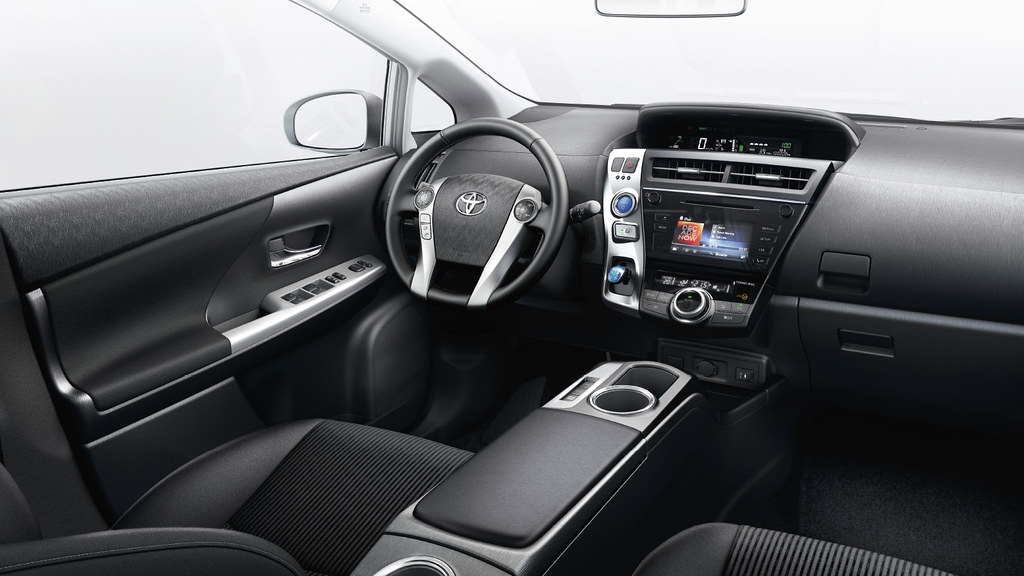
Toyota’s early investment in hybrid technology has paid off, with the brand now leading the hybrid market in the U.S.
The company’s commitment to hybrids has resulted in a robust lineup that includes popular models like the Prius, Camry, and RAV4.
6. Consumer Familiarity

Hybrids operate much like familiar gasoline vehicles, making them an easier transition for many.
This familiarity reduces hesitation and encourages more buyers to consider hybrids as a viable alternative to traditional cars.
5. Automaker Support

American automakers are increasingly supporting hybrid technology as a bridge to full electrification.
Companies like Ford and GM are integrating hybrids into their lineups to meet consumer demand and environmental goals.
4. Environmental Benefits
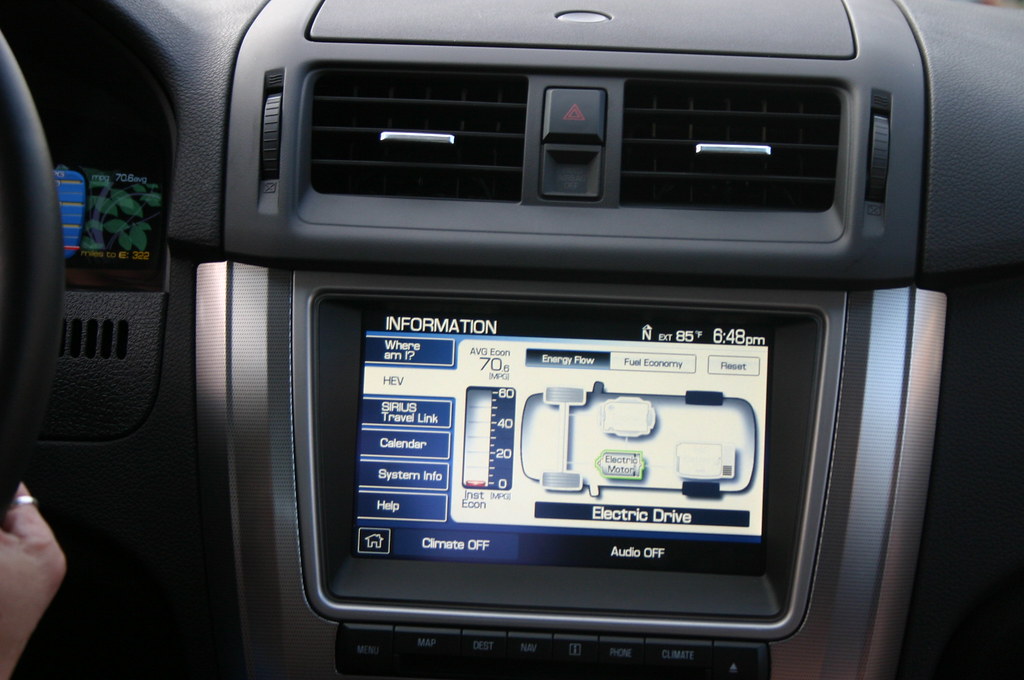
Hybrids offer significant environmental benefits by reducing emissions compared to traditional gas-powered vehicles.
This makes them an attractive option for eco-conscious consumers looking to minimize their carbon footprint.
3. Market Growth Potential
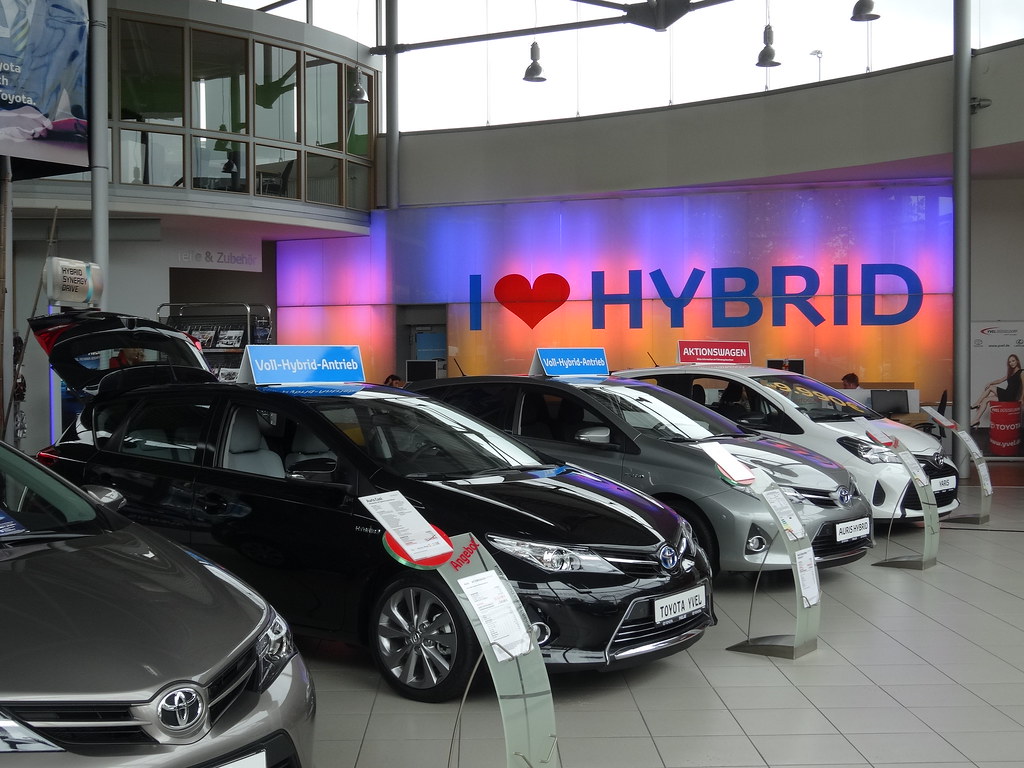
The hybrid market in the U.S. is poised for continued growth, with sales projected to rise significantly.
This growth is driven by increased consumer awareness and the expanding availability of hybrid models.
2. Influence on EV Adoption
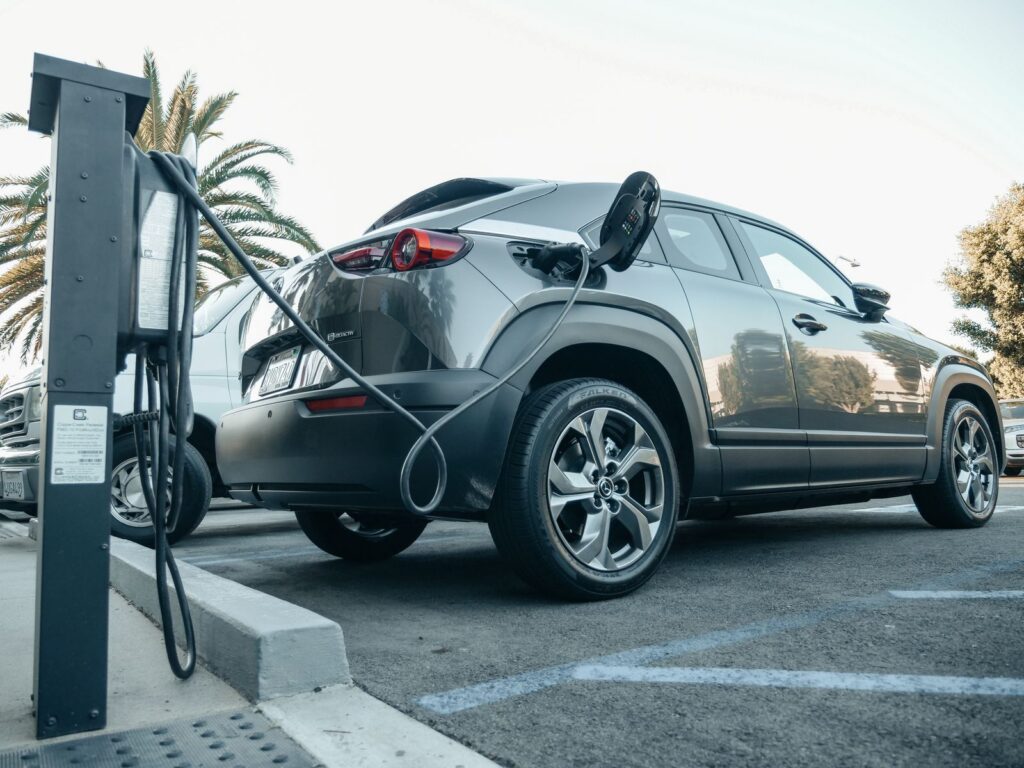
Hybrids are paving the way for greater EV adoption by familiarizing consumers with alternative powertrains.
As more people become comfortable with hybrid features, they may be more open to considering fully electric vehicles in the future.
1. Long-Term Viability

Hybrids are here to stay, offering a sustainable solution for the foreseeable future as the automotive industry transitions.
With their blend of efficiency and practicality, hybrids will continue to play a crucial role in the evolving car market.
Read More:
- Top 10 Bestselling Electric Vehicles of 2026
- The Top 9 Bestselling Luxury Vehicles of 2026
- 13 Bestselling Cars, Trucks, and SUVs of 2026 You Need to Know About