

The MIND diet is a powerful nutritional approach aimed at enhancing brain health and reducing the risk of neurodegenerative diseases. Combining elements from the Mediterranean and DASH diets, the MIND diet focuses on foods that have been shown to improve cognitive function and decrease dementia risk.
By emphasizing specific food groups, the MIND diet provides a structured yet flexible way to nourish the brain. Here are 12 key insights into the MIND diet that can help you understand and implement its principles effectively.
12. Understanding the MIND Diet’s Origins

The MIND diet stands for Mediterranean-DASH Intervention for Neurodegenerative Delay, a diet designed to combat cognitive decline. It’s a hybrid of the Mediterranean and DASH diets, both celebrated for their health benefits.
Developed to specifically target brain health, the MIND diet combines elements of these two diets to support brain function and potentially lower the risk of cognitive decline.
11. The Role of Green Leafy Vegetables

Green leafy vegetables are a cornerstone of the MIND diet, with a recommendation of six or more servings per week. These include nutrient-rich options like kale, spinach, and other leafy greens.
These vegetables are packed with vitamins and antioxidants that are crucial for brain health, making them an essential part of the diet’s strategy to reduce cognitive decline.
10. Why Berries Are a Focus
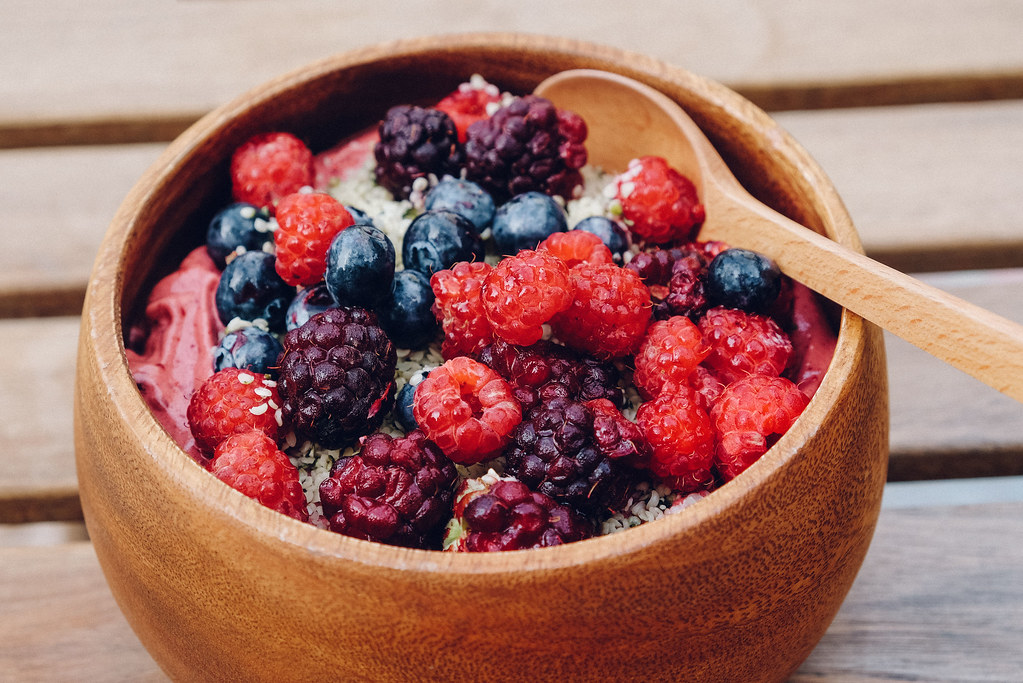
Berries are highlighted in the MIND diet for their powerful antioxidant properties. The diet suggests consuming berries at least twice a week, with options like strawberries, blueberries, and raspberries.
These fruits are linked to improved brain function and are a delicious way to incorporate vital nutrients into your diet, supporting overall cognitive health.
9. The Importance of Whole Grains
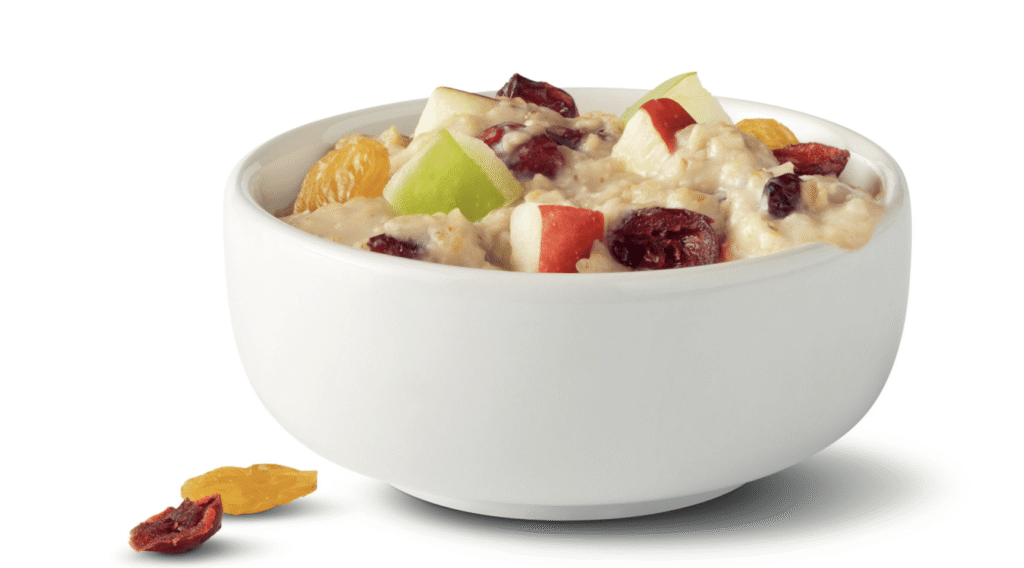
Whole grains are a staple in the MIND diet, with a recommendation of three servings per day. This includes foods like oatmeal, quinoa, and whole wheat products.
Rich in fiber and essential nutrients, whole grains can support brain health by providing sustained energy and reducing the risk of chronic diseases.
8. Nuts for Brain Health
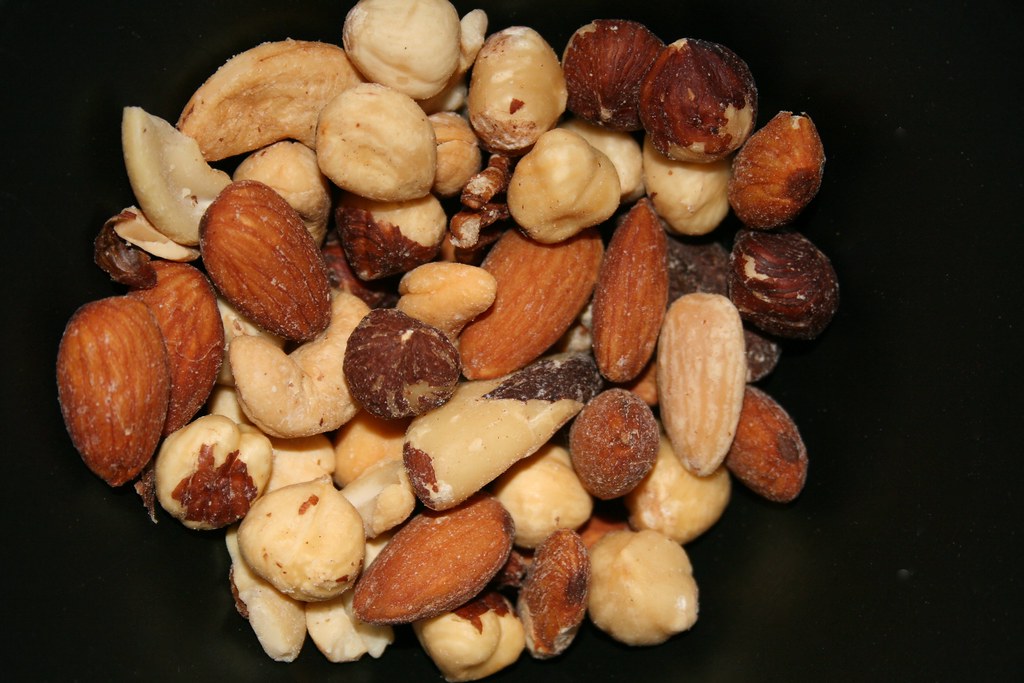
Nuts are another key component of the MIND diet, with an emphasis on consuming five or more servings each week. They provide a variety of nutrients beneficial for brain function.
By incorporating different types of nuts, you can enjoy a range of health benefits, including improved cognitive performance and reduced inflammation.
7. Fish and Omega-3 Fatty Acids

The MIND diet recommends eating fish at least once a week, particularly fatty fish like salmon and mackerel, which are high in omega-3 fatty acids.
These nutrients are essential for maintaining brain health, supporting cognitive function, and reducing inflammation.
6. The Benefits of Olive Oil

Olive oil is the primary cooking oil in the MIND diet, known for its heart-healthy fats and antioxidant properties. It may help support the diet’s focus on reducing oxidative stress and inflammation.
Using olive oil instead of butter or margarine can enhance the diet’s effectiveness in promoting brain health and longevity.
5. Limiting Red Meat

The MIND diet advises limiting red meat to no more than three servings per week. This includes beef, pork, and lamb, which are high in saturated fats.
Reducing red meat consumption can help minimize the intake of unhealthy fats, supporting both heart and brain health.
4. Avoiding Fried Foods

Fried foods, especially from fast-food restaurants, are highly discouraged on the MIND diet. They are often high in unhealthy fats that can harm cognitive function.
Limiting fried food intake to less than once per week can improve your adherence to the MIND diet and enjoy its health benefits.
3. Reducing Pastries and Sweets

Pastries and sweets should be limited to no more than four times per week. These foods are typically high in sugar and unhealthy fats.
By reducing the consumption of these treats, you can help protect your brain from the negative effects of excessive sugar and fat intake.
2. Moderate Adherence Still Provides Benefits

Even if you can’t follow the MIND diet perfectly, moderate adherence can still offer significant benefits. Some studies have linked partial adherence with a reduced risk of Alzheimer’s and cognitive decline.
This flexibility makes the MIND diet accessible, encouraging more people to adopt healthier eating habits for brain health.
1. The Science Behind the MIND Diet

Research suggests that the MIND diet may reduce oxidative stress and inflammation, key factors in cognitive decline. By focusing on brain-supportive foods, the diet aims to protect against neurodegenerative diseases.
Although more research is needed, the promising results so far highlight the potential of the MIND diet as a tool for maintaining brain health and function.
Read More:
- Study Finds Mediterranean Diet Reduces Heart Disease Risk by Over 20%
- 10 Authentic Mediterranean Foods Your Doctor Would Approve Of
- Why the Mediterranean Diet Keeps Winning (20 Big Reasons)