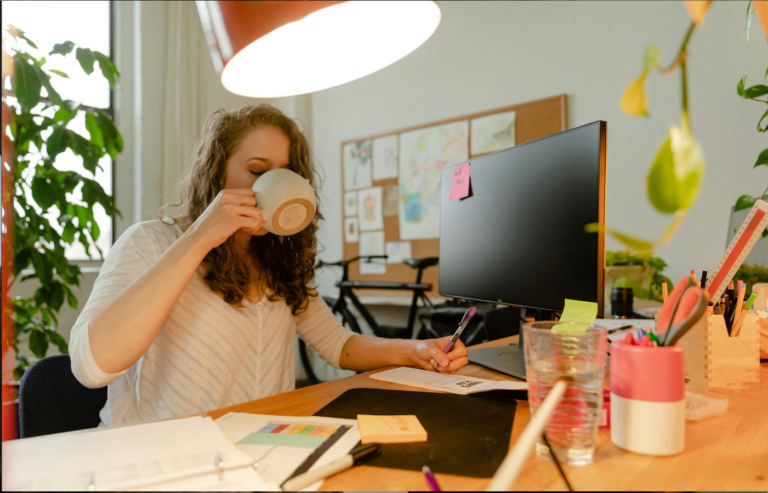
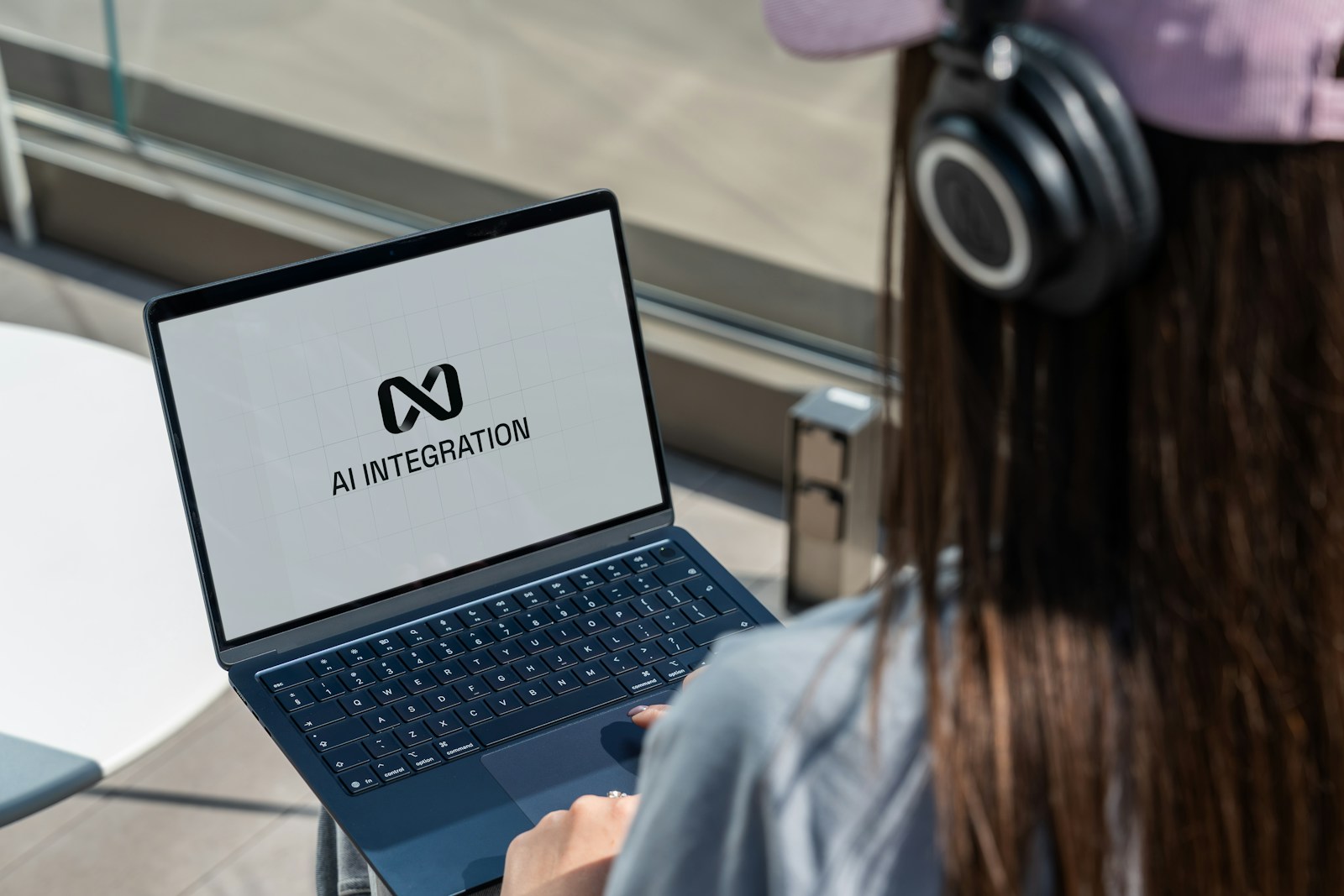
As remote work becomes increasingly common, professionals are finding that their laptop needs have evolved. Gone are the days when a laptop was simply a tool for basic office tasks. Today, it must support a dynamic workflow that includes video conferencing, multitasking, and mobility.
With the rise of hybrid work environments, laptops need to be more than just powerful—they must be versatile and adaptable to various settings. Here are 10 features that make a laptop effective for remote work.
10. Long-lasting Battery Life
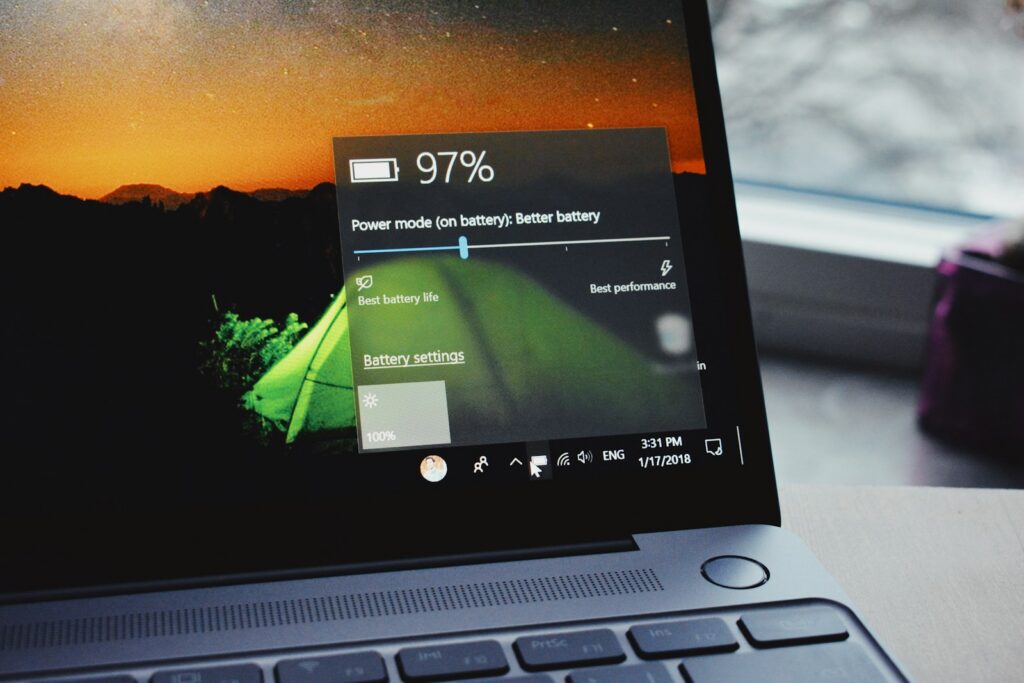
A laptop with a reliable battery life is essential for remote workers who spend hours away from power outlets.
Whether working from a café or during a commute, a long-lasting battery ensures uninterrupted productivity throughout the day.
9. Superior Multitasking Performance
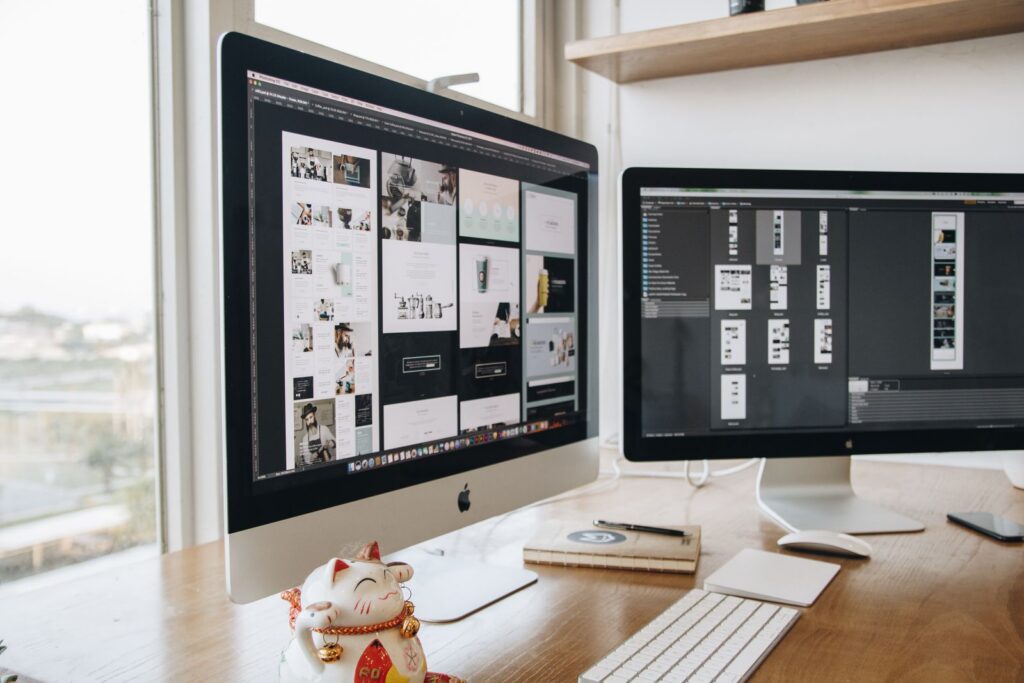
Modern workflows demand the ability to run multiple applications simultaneously without lag.
A laptop that can handle heavy multitasking ensures smooth transitions between tasks like video calls, messaging, and document editing.
8. Quick Responsiveness

Delays during application switching or meeting join-ins can disrupt workflow.
Fast responsiveness in a laptop helps maintain a seamless and efficient work experience, preventing interruptions.
7. Portability
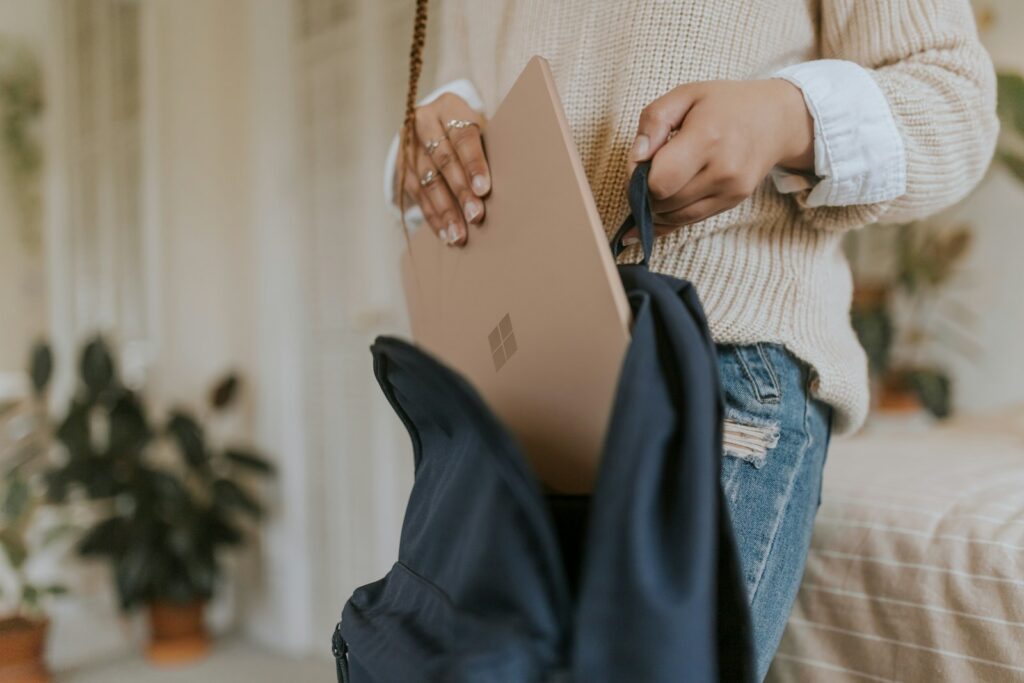
Lightweight and slim designs are crucial for those who need to move between different work locations.
A portable laptop makes it easier to transition between home, office, and travel environments without hassle.
6. High-Quality Webcam and Audio
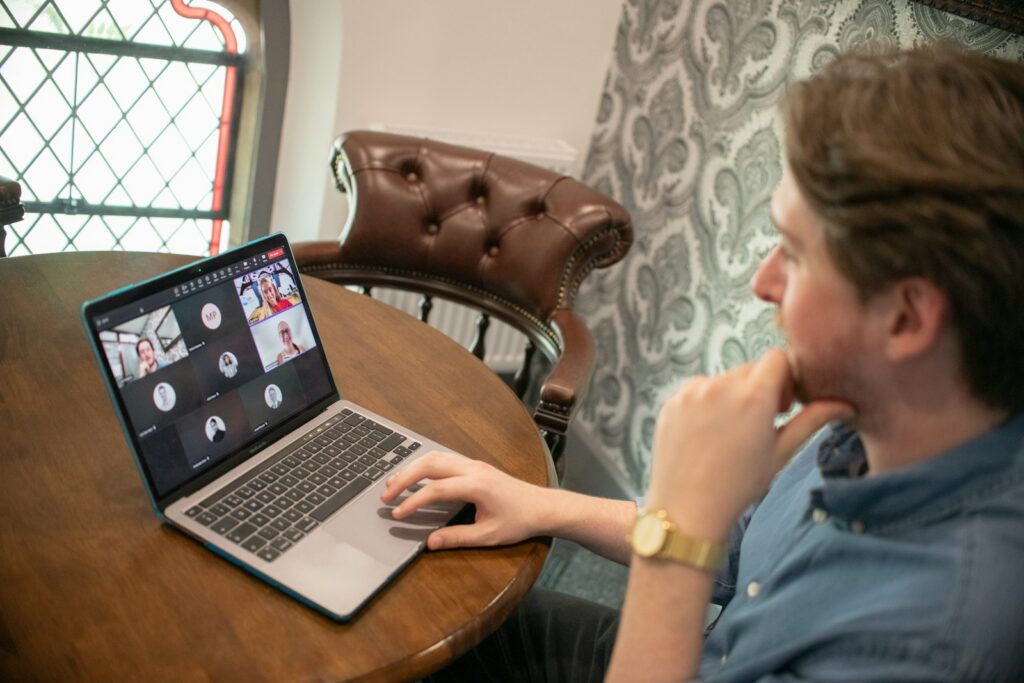
With video conferencing being a staple of remote work, having a good webcam and clear audio is vital.
These features can enhance communication and ensure professionalism during virtual meetings.
5. Comfortable Display
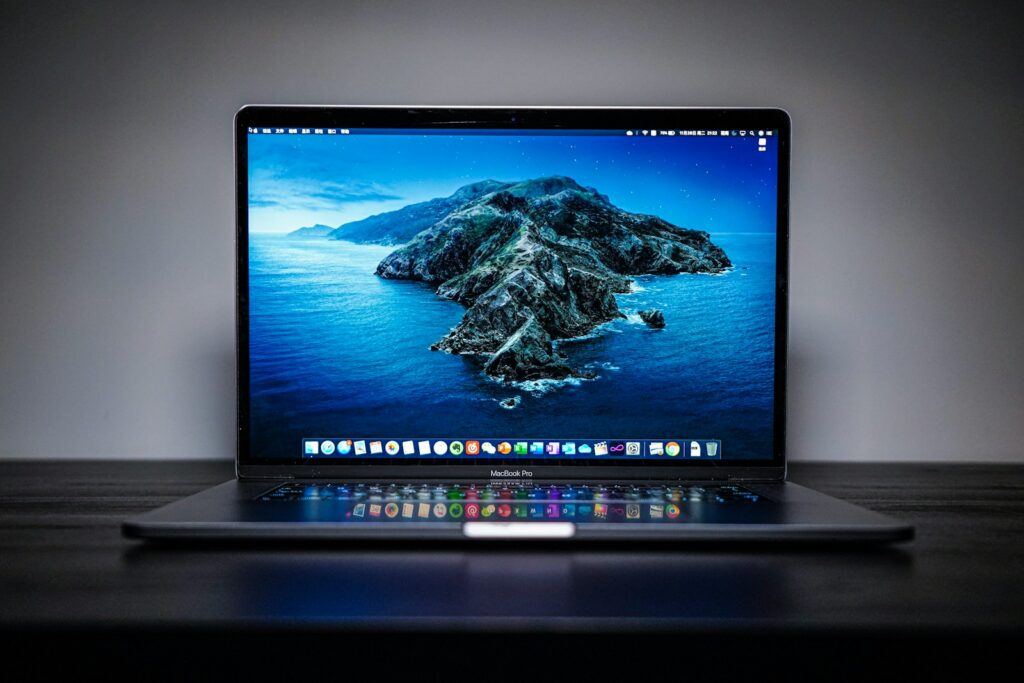
Extended work sessions can lead to eye strain, making display comfort a priority.
Displays with better brightness and clarity help reduce fatigue and maintain productivity.
4. AI-Assisted Workflows
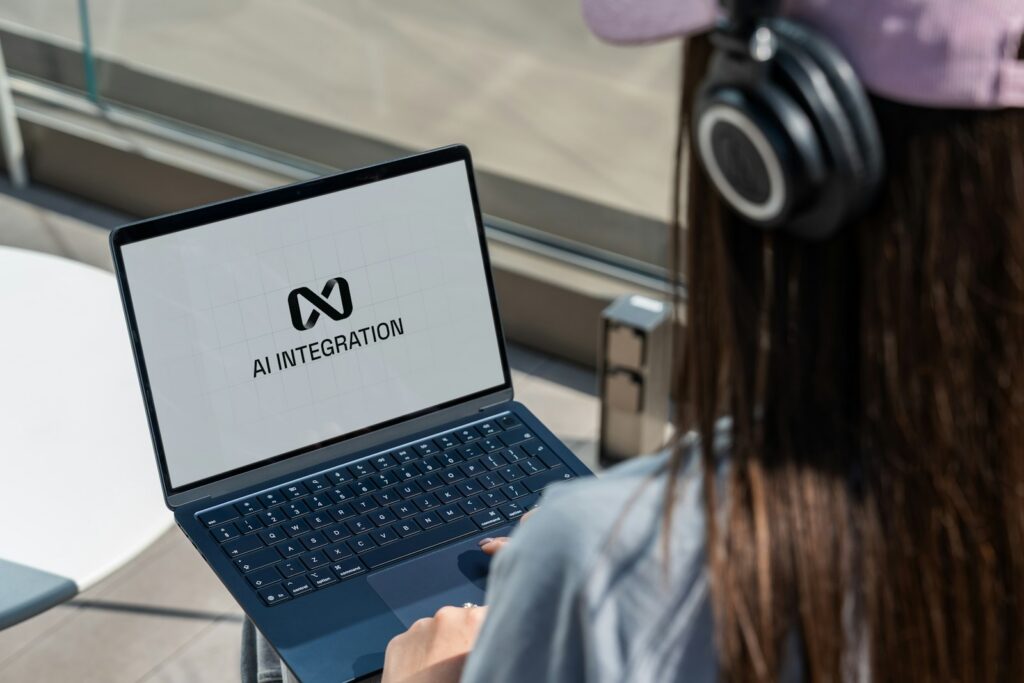
AI-powered tools and system optimization can help support multitasking, meeting features, and battery efficiency.
This technology allows laptops to adapt to workload demands, ensuring smooth operation.
3. Workflow Flexibility

Laptops that adapt to various tasks and environments provide a more seamless work experience.
This flexibility is key for handling unpredictable work scenarios and maintaining productivity.
2. Enhanced Connectivity
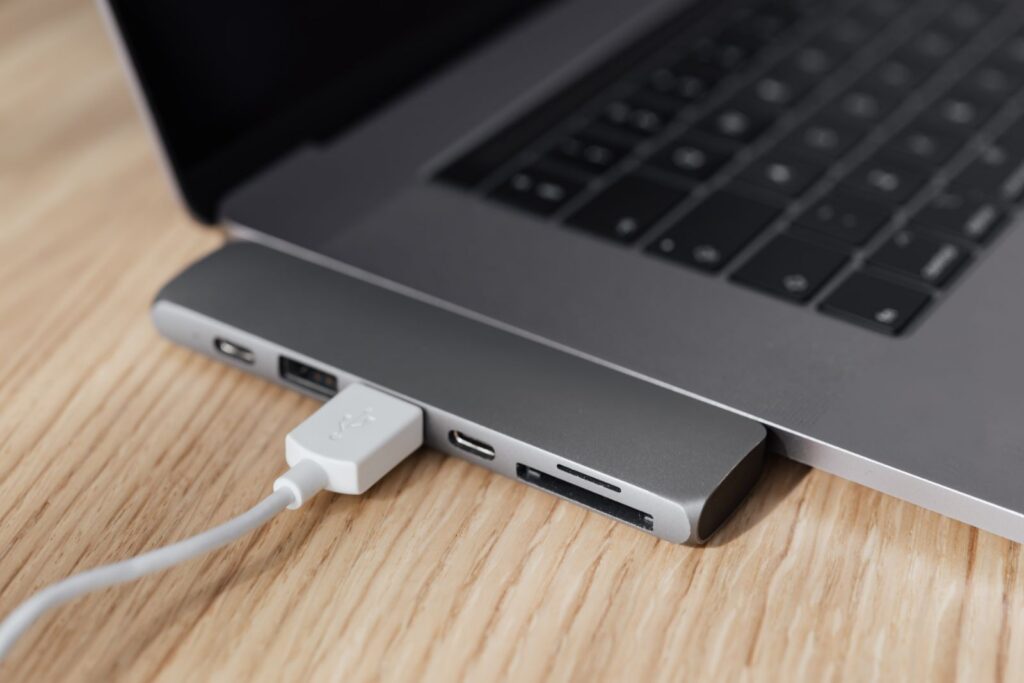
Reliable connectivity options ensure that remote workers can stay connected wherever they are.
Having multiple ports and wireless options enhances the ability to connect with various devices and networks.
1. Robust Security Features
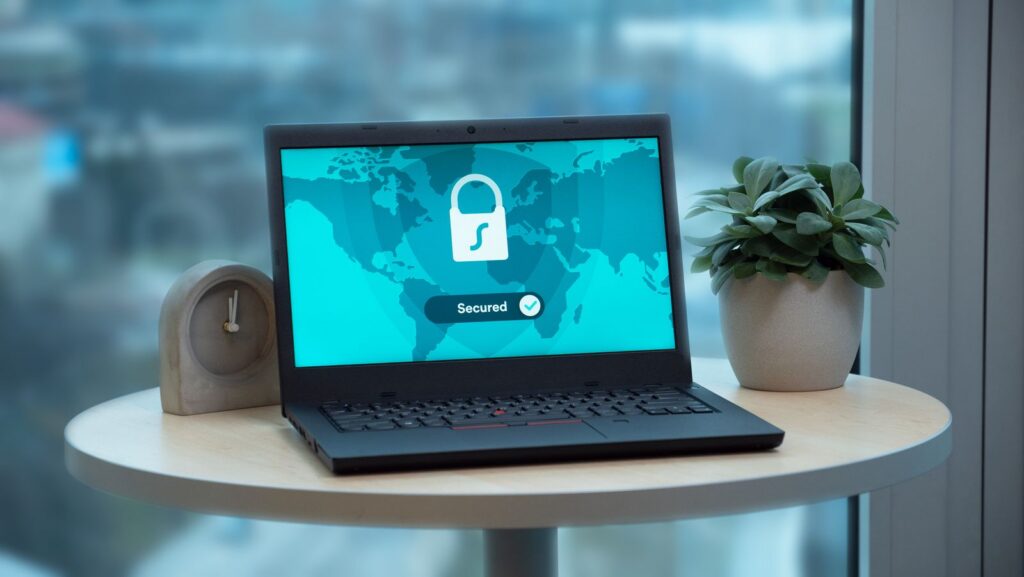
With sensitive data being accessed remotely, strong security features are a must.
Features like biometric sign-in and secure boot processes can help protect privacy and sensitive work data.
Read More:
- The 10 Best Laptops Available for Every Consumer Right Now
- 10 Job Market Secrets That Could Land Your Dream Gig
- 10 Ways Office Life Was Different in the 1960s