

The risk of developing dementia is influenced by a variety of factors, many of which are modifiable. A recent study led by USC explored how these risk factors vary across different countries, suggesting that a one-size-fits-all approach to prevention may not be effective. The research examined data from over 214,000 older adults across 14 countries and regions, revealing wide differences and surprising similarities in dementia risk factors.
Published in The Lancet Healthy Longevity and presented at the Alzheimer’s Association International Conference, the study underscores the need for region-specific strategies to combat dementia. Here are nine key insights from the study that illustrate how dementia risk factors vary depending on where people live.
9. Education Levels Vary Greatly

Education is a critical factor in dementia risk, with significant disparities observed globally.
The study found that low education levels were prevalent among 85.6% of older adults in China, compared to just 12.0% in the United States. This highlights the importance of educational interventions tailored to specific regions.
8. Cardiovascular Risks Cluster Together

Cardiovascular conditions, such as high cholesterol and hypertension, often appear together.
This clustering suggests that prevention programs could address multiple related health issues simultaneously, particularly in regions where these conditions are common.
7. Obesity Rates Differ Dramatically

High BMI is a significant risk factor with varying prevalence across the globe.
In the United States, 44.9% of older adults were found to have a high BMI, compared to only 13.3% in India, indicating the need for targeted weight management programs.
6. Smoking and Drinking Behaviors

These behaviors often occur together, impacting dementia risk.
The study showed that smoking and drinking frequently coexist, suggesting that interventions could address both behaviors together rather than separately.
5. Depression and Social Isolation

Mental health factors like depression and social isolation can occur together.
These factors were examined as modifiable risk factors across various regions, emphasizing the need for mental health support systems to mitigate dementia risk.
4. Gender Differences in Risk Factors

Risk factors for dementia can vary significantly between men and women.
The study highlighted gender-specific trends in risk factors, suggesting that prevention strategies should account for these differences.
3. Impact of Physical Inactivity

Lack of physical activity is a modifiable risk factor for dementia.
The study examined physical inactivity as a modifiable risk factor across regions, though prevention approaches may need to be adapted to local contexts.
2. Hearing Loss as a Risk Factor
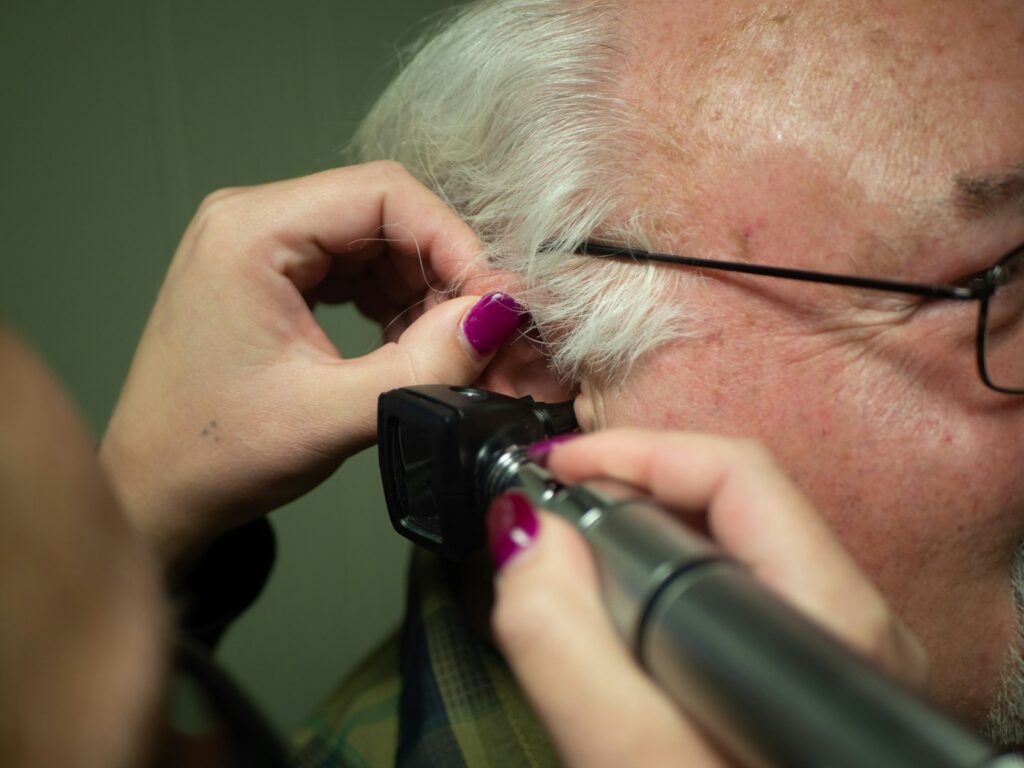
Hearing loss is another modifiable risk factor examined in the study.
Improving access to hearing care and hearing aids may be especially relevant, particularly in regions where hearing loss is prevalent.
1. Importance of Tailored Prevention Programs
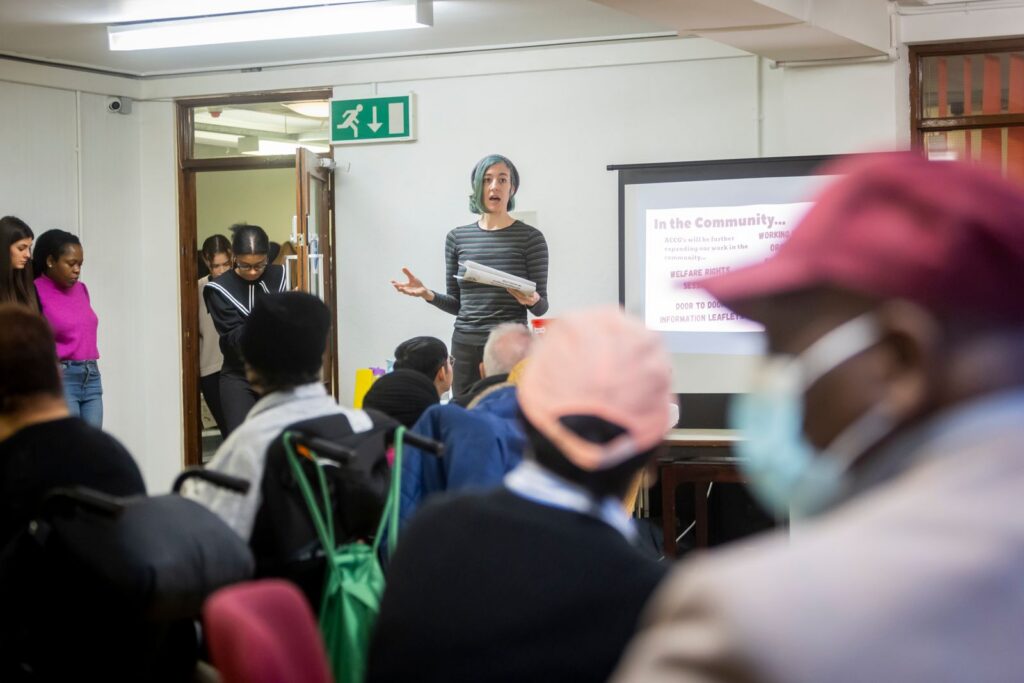
The study emphasizes the need for customized prevention strategies.
By understanding the specific risk profiles of different populations, governments and health organizations can design more effective programs to combat dementia, considering both individual and societal factors.
Read More:
- 9 Leafy Greens That Can Help Lower Dementia Risk
- 9 Eating Habits That May Lower Dementia Risk by 30%
- 10 Surprising Connections Between Diabetes and Dementia