
The Americas were once home to a diverse range of megafauna, large animals that roamed from the Arctic to the southern tips of South America. These massive creatures were an integral part of ancient ecosystems, and their extinction marks a significant chapter in the history of changing environments and human-animal interactions.
Recent studies have shed light on how early human populations interacted with and sometimes hunted these large mammals. Here are 9 incredible megafauna that once roamed the Americas and what scientists know about their disappearance.
9. Woolly Mammoths
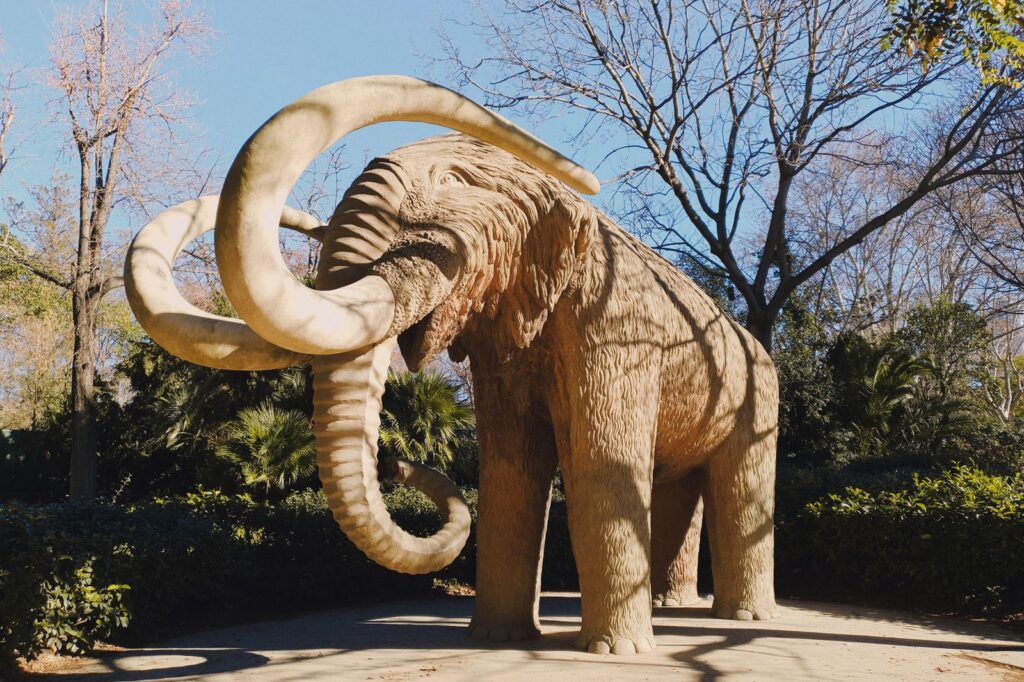
Woolly mammoths were among the most iconic megafauna of the Ice Age.
These colossal creatures were a primary target for early human hunters, who relied on their massive size for sustenance. Their slow reproduction rates made it difficult for declining populations to recover, while hunting pressure and a changing climate may both have contributed to their disappearance.
8. Giant Ground Sloths
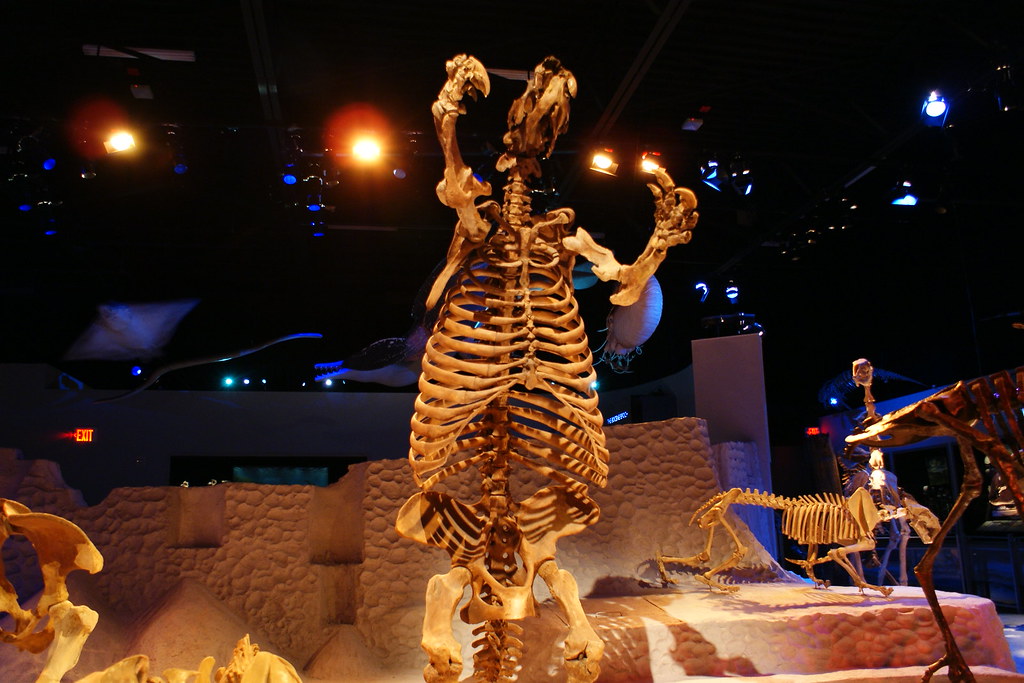
Giant ground sloths were bus-sized herbivores that once roamed the Americas.
These massive creatures were incredibly slow-moving, making them easy prey for human hunters. Their extinction was part of a broader pattern of megafauna decline following human arrival in the Americas.
7. Gomphotheres
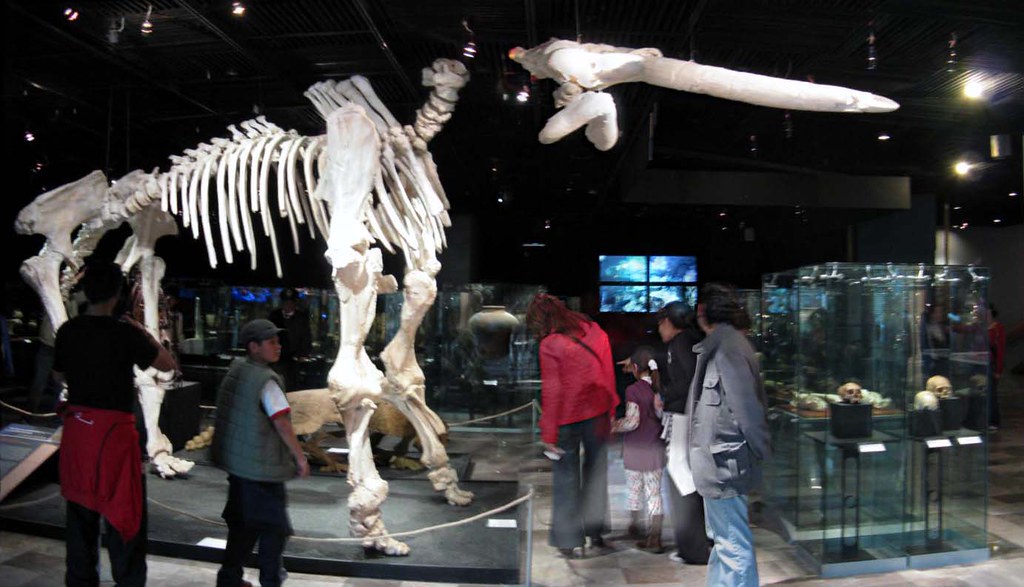
Gomphotheres were elephant-like creatures that roamed across the Americas.
These animals were heavily hunted by early human populations, contributing to their rapid decline. Their large size made them a valuable resource, but also a significant target for extinction.
6. American Camels
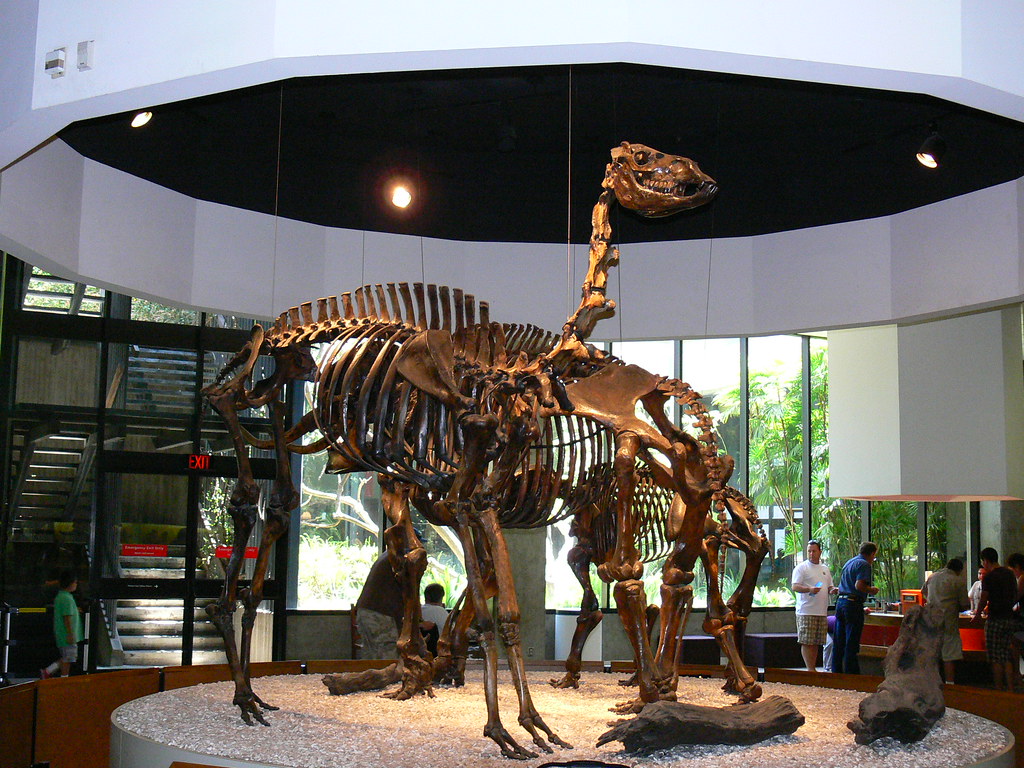
American camels once roamed the vast plains of North America.
These camelids were among the diverse megafauna that lived alongside early humans. Their extinction occurred during a period of major climatic and ecological change as human populations expanded across the continent
5. Saber-toothed Cats
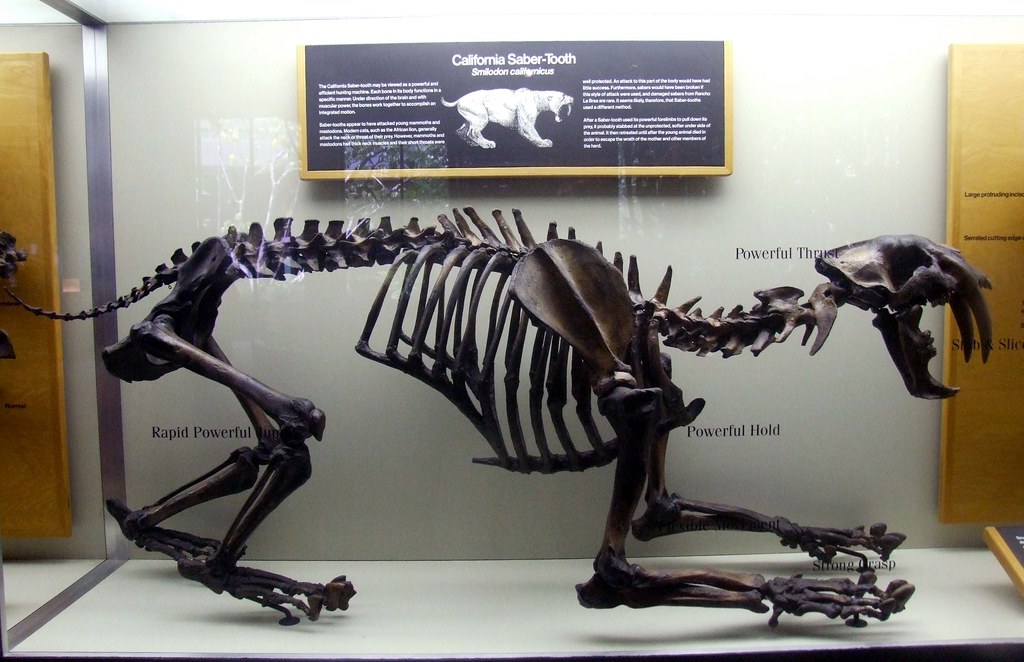
Saber-toothed cats were formidable predators of the Ice Age.
Their exact cause of extinction remains uncertain. Changes in climate, habitat, and the availability of large prey may all have contributed to their disappearance.
4. Mastodons
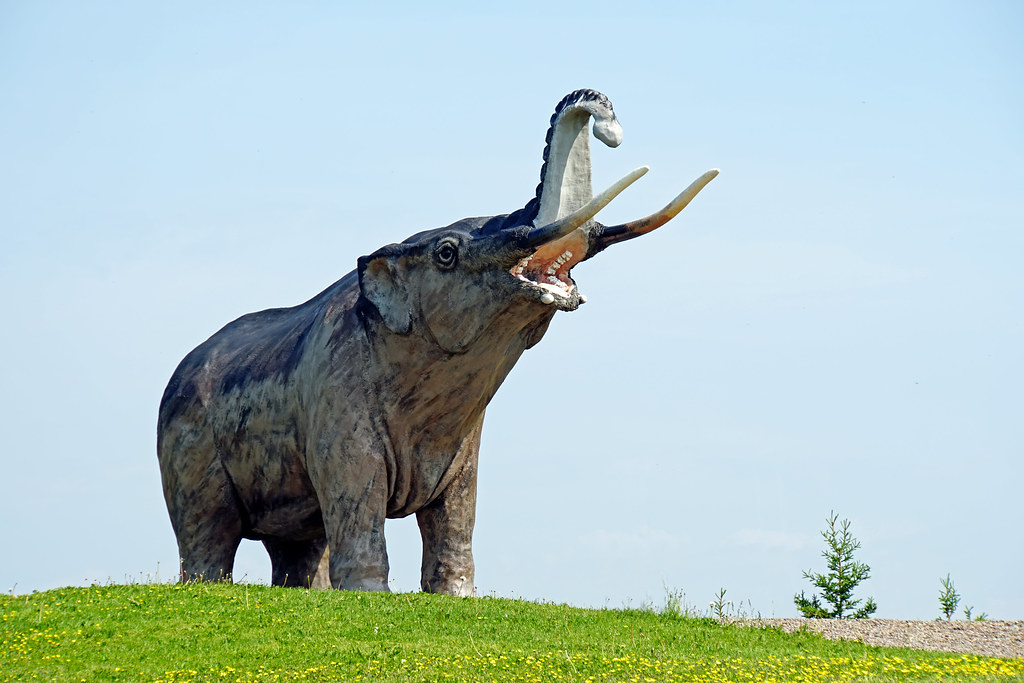
Mastodons were another group of large herbivores that roamed North America.
These animals were distant relatives of modern elephants, and archaeological evidence shows that humans hunted or butchered them in some locations. Their decline likely involved a combination of human pressure and environmental change.
3. Short-faced Bears
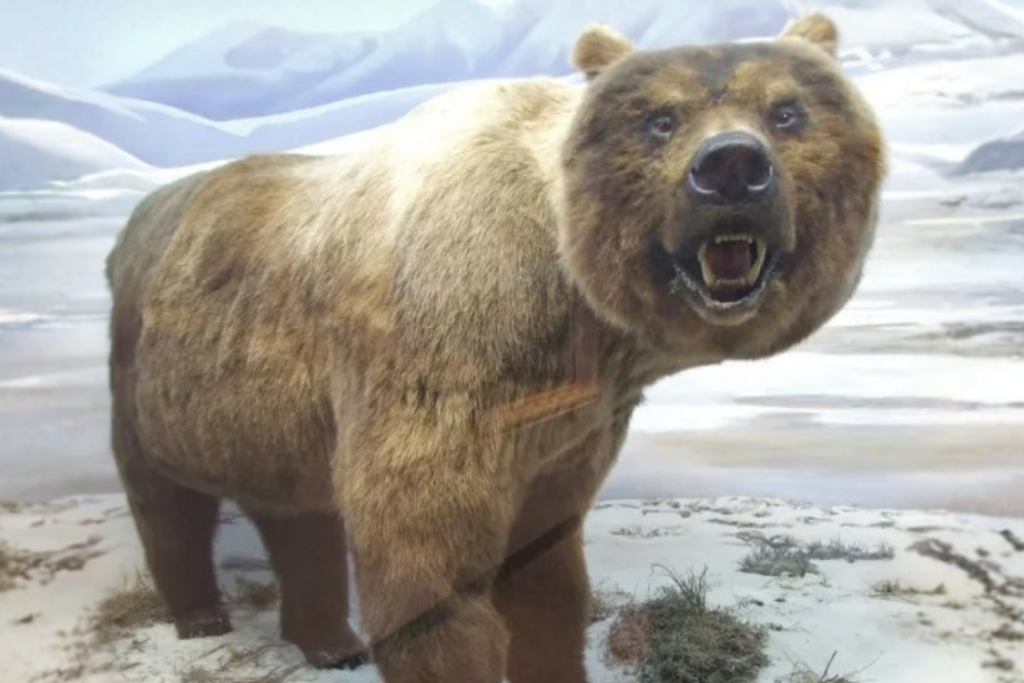
Short-faced bears were among the largest carnivorous mammals of their time.
Although they were not directly hunted to extinction, their disappearance is linked to the broader decline of their prey species due to several factors, including human hunting practices.
2. Giant Beavers
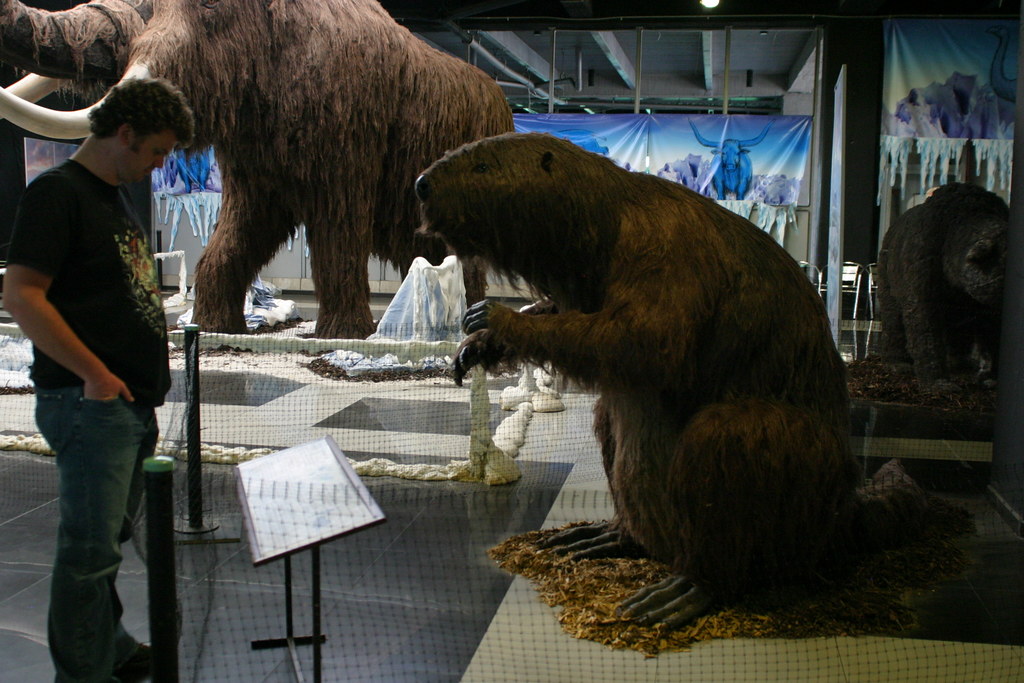
Giant beavers were impressive rodents that once inhabited North America.
These creatures were part of the rich tapestry of megafauna that faced extinction pressures from human expansion and environmental changes.
1. Glyptodonts
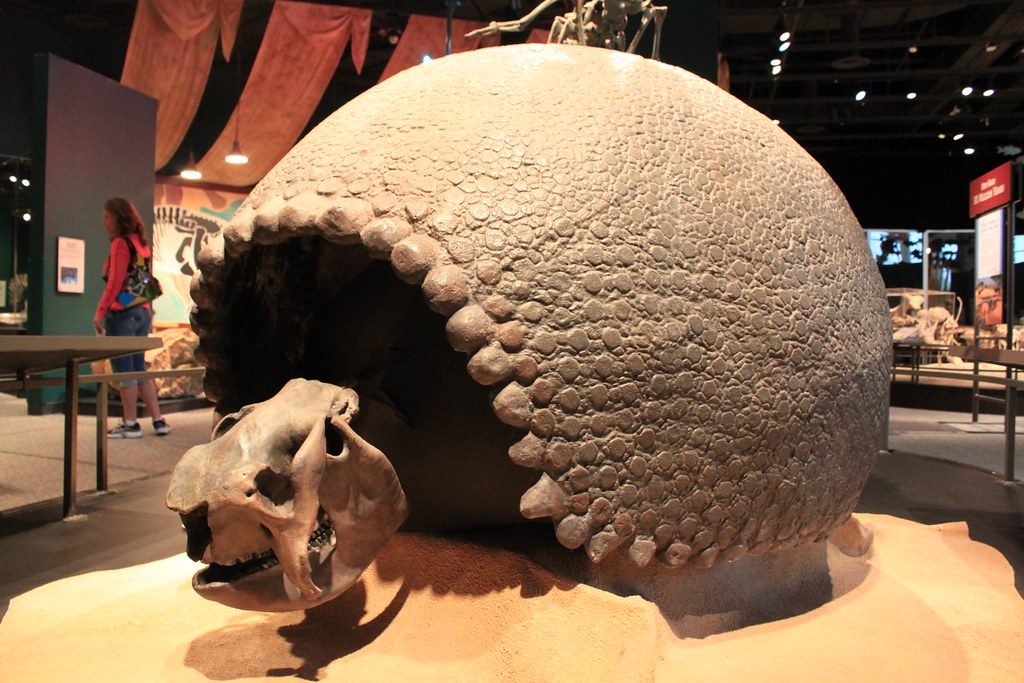
Glyptodonts were armored mammals that roamed the landscapes of South America.
Resembling giant armadillos, these creatures were hunted by humans, contributing to their eventual extinction. Their disappearance is part of the broader pattern of megafauna loss in the Americas.
Read More:
- 10 Greek Mythology Words You Use Every Day
- 9 Things You Didn’t Know About the Trojan Horse
- 10 Inventions That Have Been Lost to Time