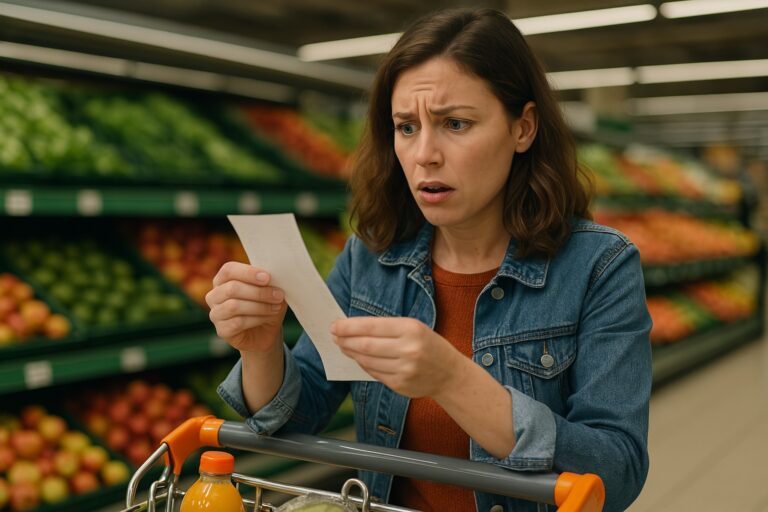
Grocery prices have climbed in recent years thanks to inflation, supply chain challenges, and rising labor costs. But even before that, some grocery chains were already known for charging a premium.
That doesn’t always mean they’re bad—many offer higher-quality products, better service, or specialty items. Still, if you’re trying to save money, these are the stores where your bill can climb fast.
12. Trader Joe’s
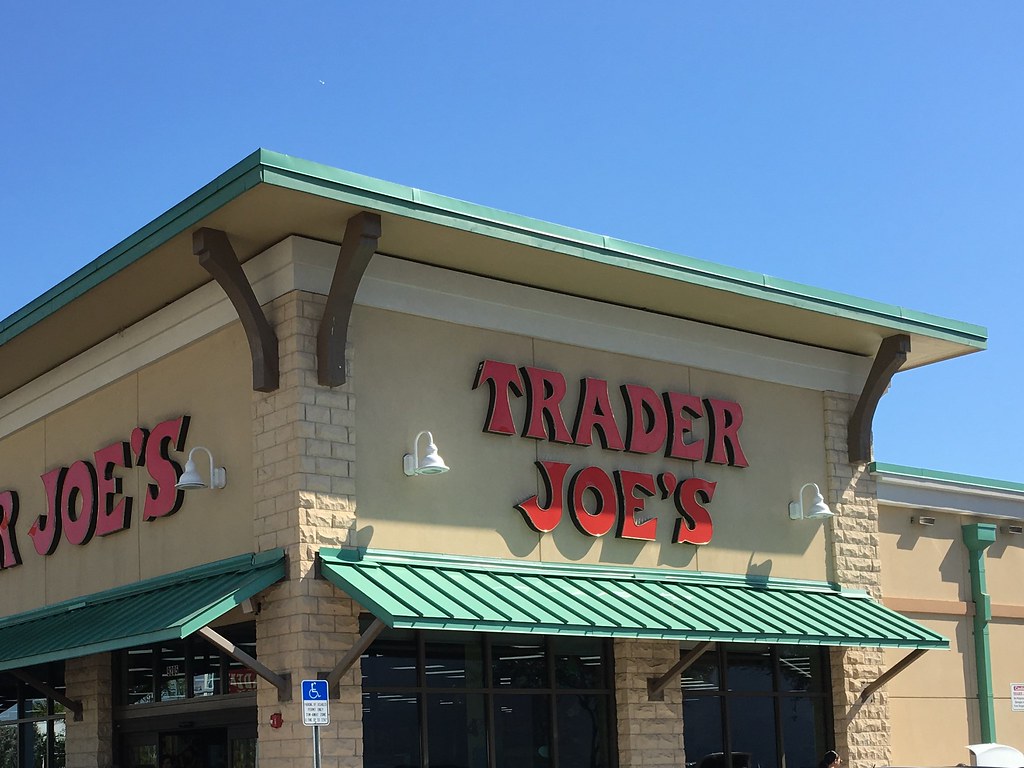
Trader Joe’s actually has strong value on many items, but it’s not always the cheapest across the board. Specialty snacks, frozen meals, and branded items can add up quickly if you’re not careful.
11. Sprouts Farmers Market
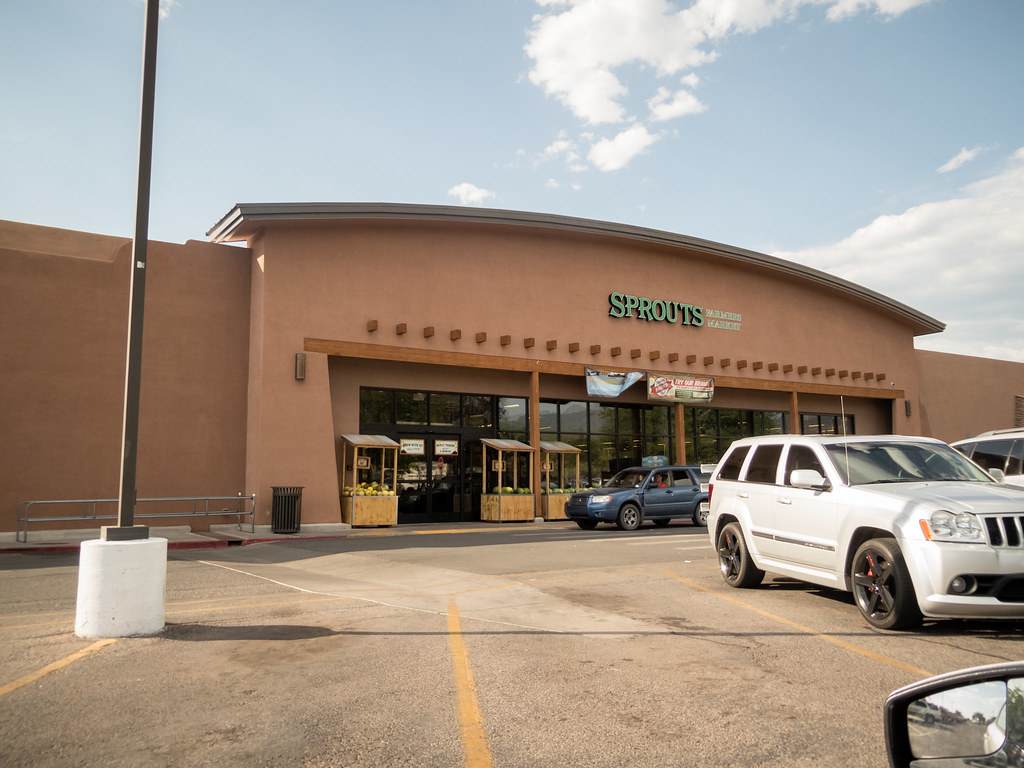
Sprouts leans heavily into organic and natural foods, which tend to cost more. While produce deals can be solid, packaged goods and specialty items are often priced at a premium.
10. PCC Community Markets
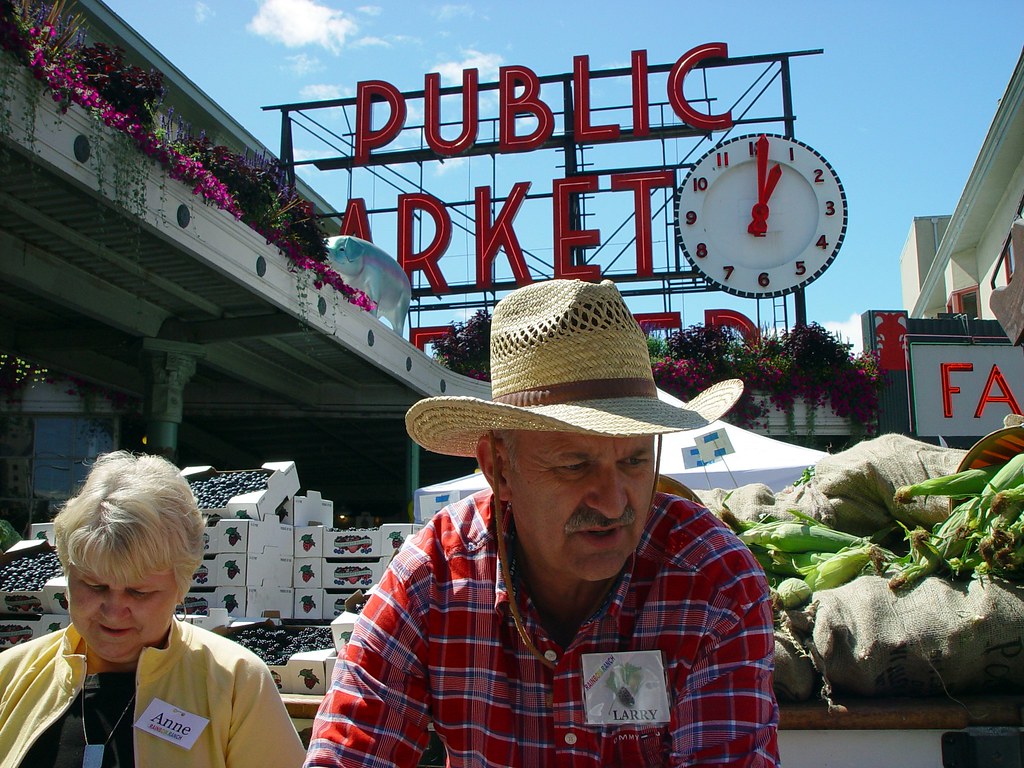
This Pacific Northwest co-op focuses on organic, sustainable, and locally sourced products. That commitment to quality comes with noticeably higher prices than conventional grocery stores.
9. Giant Eagle
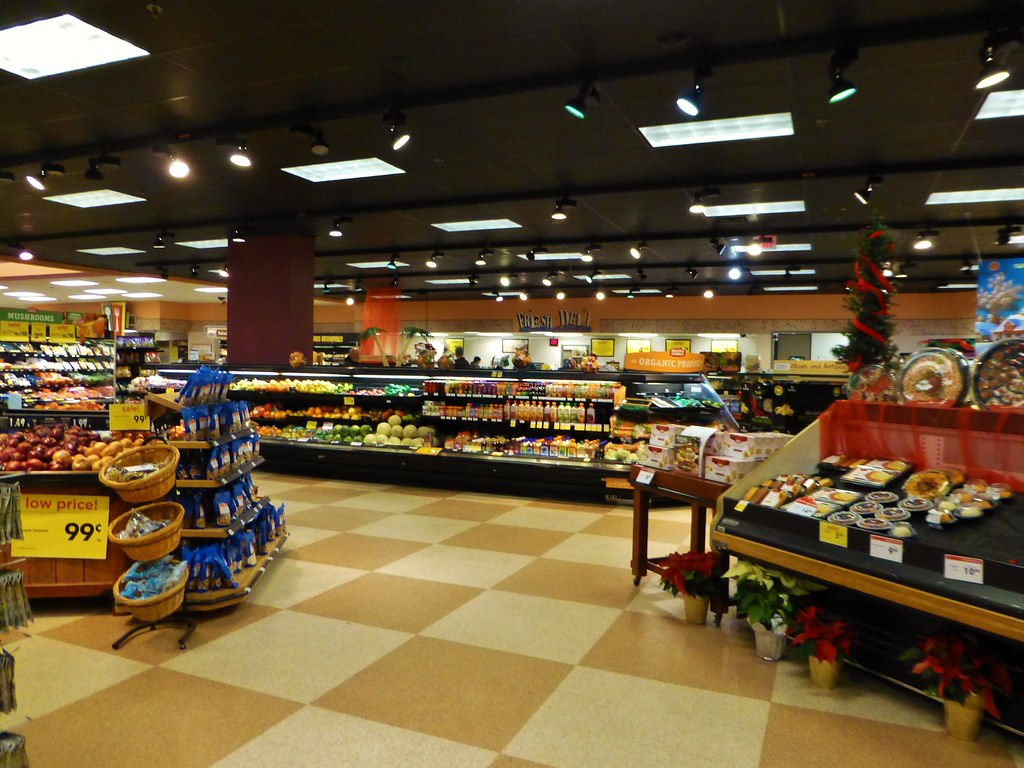
In regions where it operates, Giant Eagle is often cited as more expensive than competitors. The tradeoff? Large stores, strong prepared food options, and a wide selection.
8. Publix
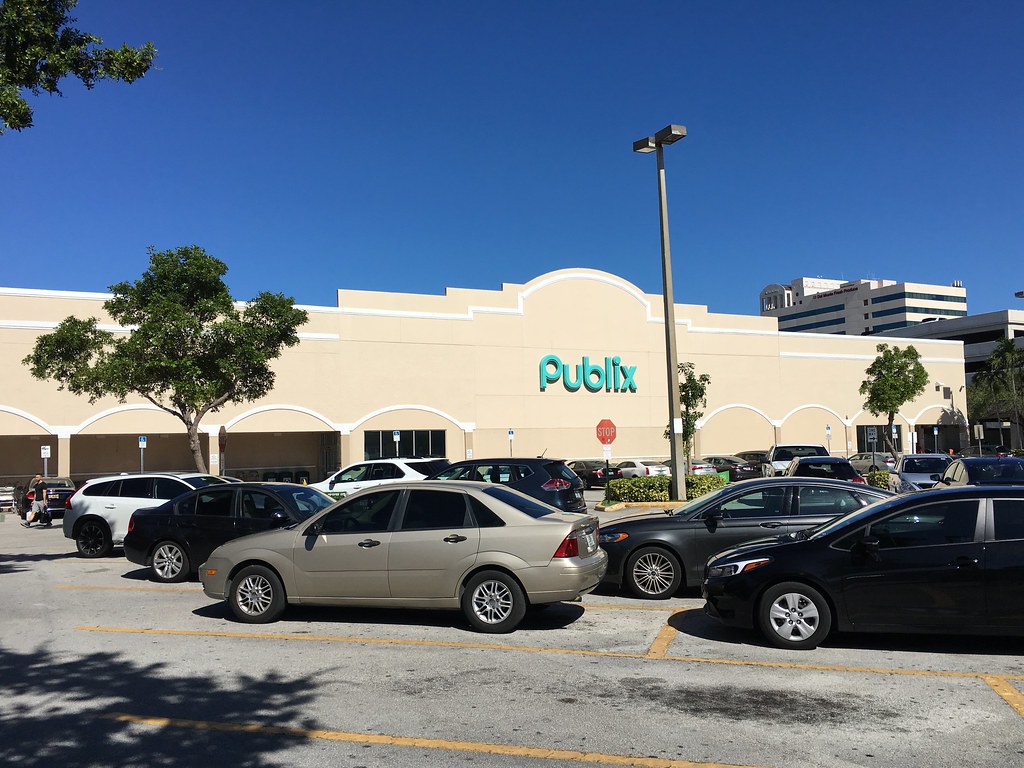
Publix is beloved for customer service and cleanliness, but it’s rarely the cheapest option. Many shoppers find everyday staples priced higher than in discount chains.
7. Acme Markets
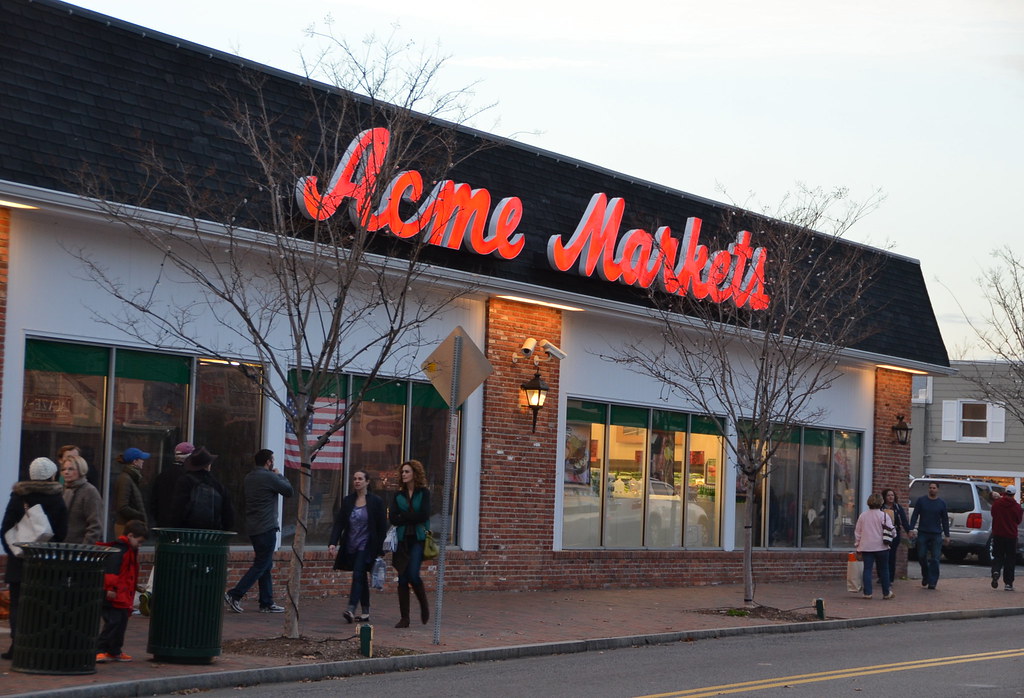
Common in the Mid-Atlantic, Acme tends to run pricier than nearby competitors. Sales can help, but regular prices are often above average.
6. Harris Teeter
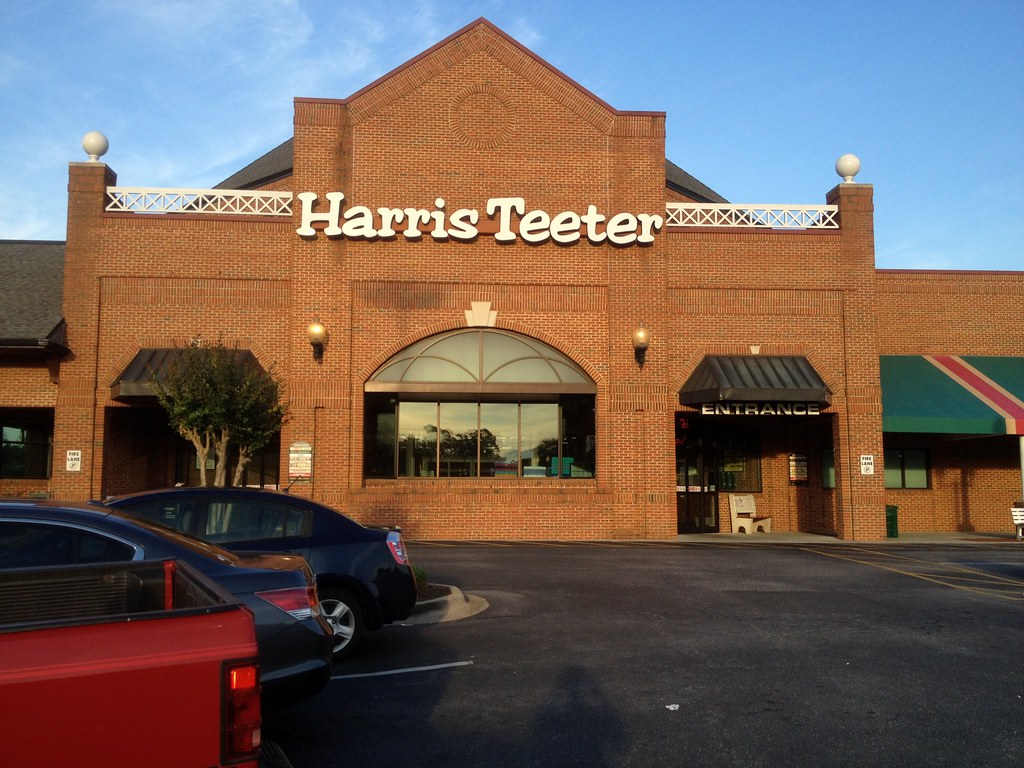
Owned by Kroger, Harris Teeter positions itself as a more upscale experience. Prices, especially on prepared foods and specialty items, reflect that.
5. The Fresh Market
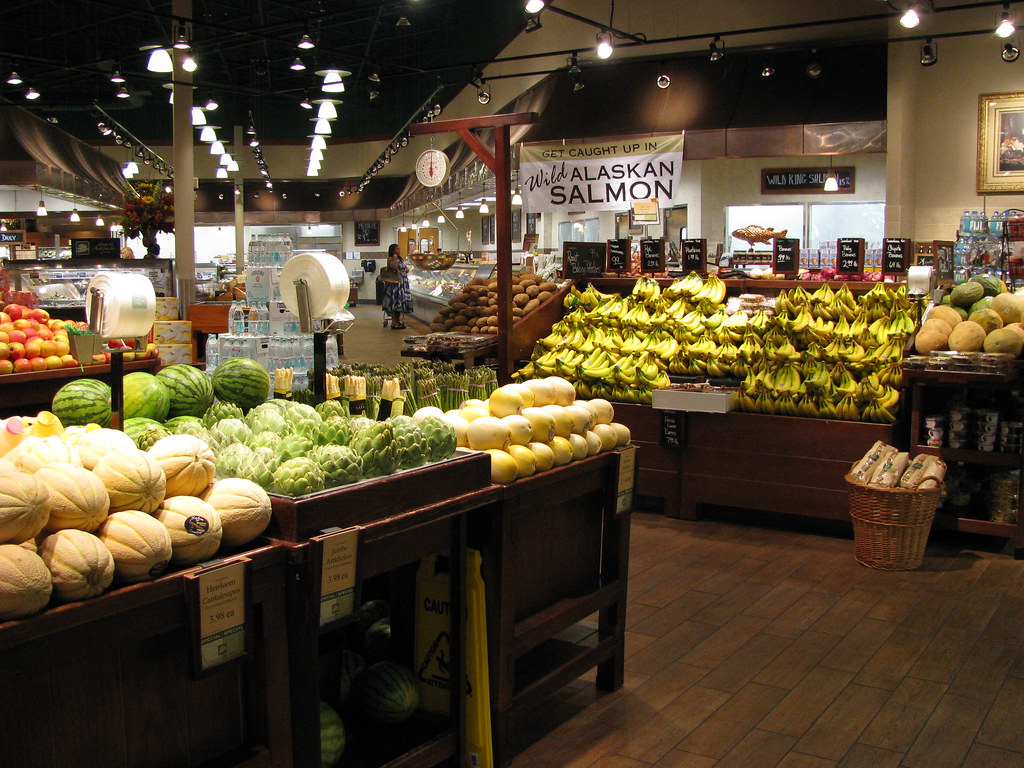
Designed to feel like a European-style market, this chain focuses on premium meats, produce, and prepared foods. It’s more about experience than savings.
4. Wegmans
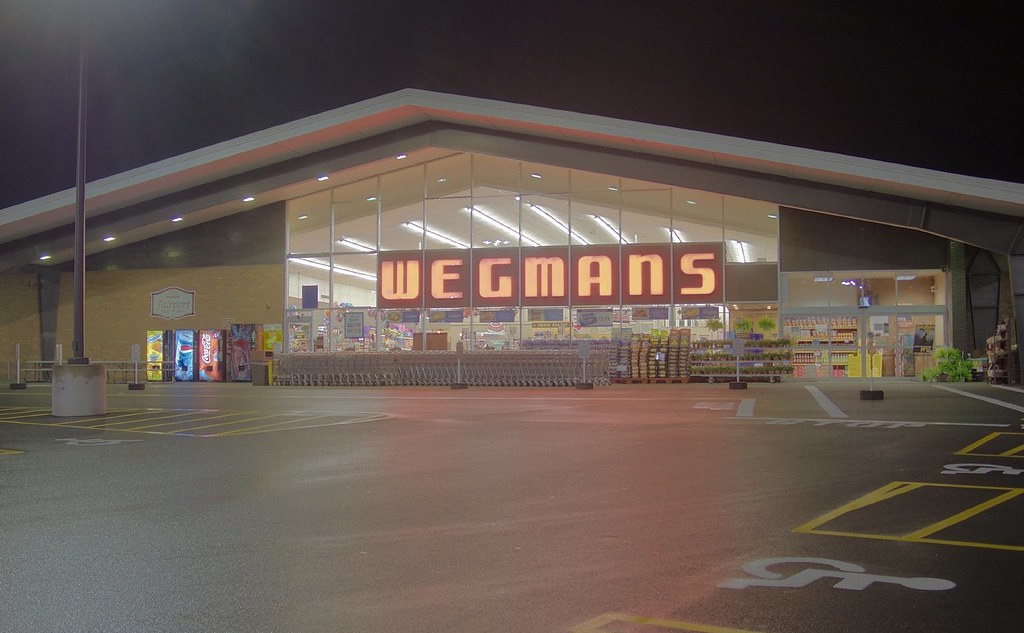
Wegmans is consistently ranked among the most loved grocery stores in the U.S., but quality, variety, and store experience often come with higher prices, especially for prepared foods and specialty items.
3. Gelson’s Markets
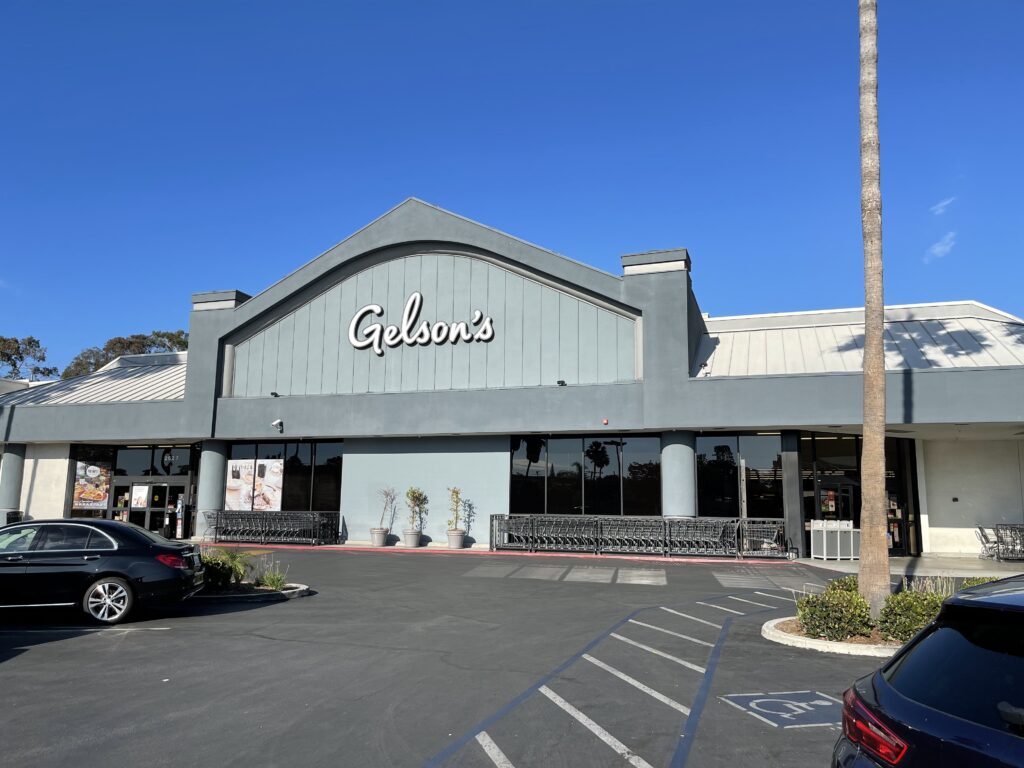
A true luxury grocery chain in Southern California, Gelson’s is known for upscale offerings, chef-driven prepared foods, and premium pricing to match.
Browse Costco Buying Guide: What’s Actually Worth It (And What to Skip) for another grocery spending roundup.
2. Whole Foods Market
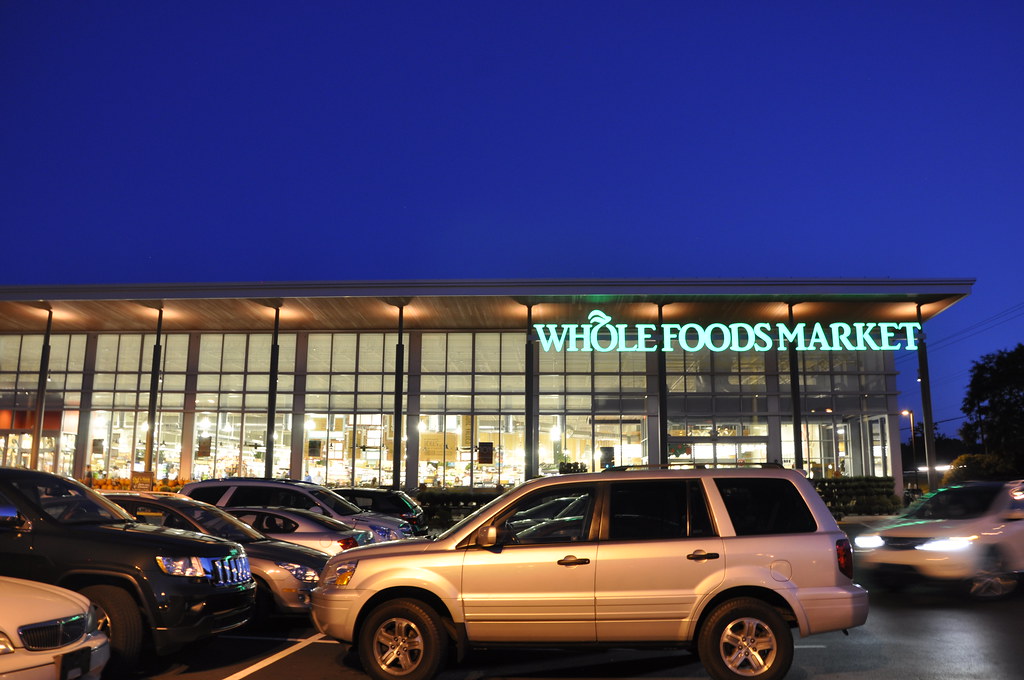
Nicknamed “Whole Paycheck” for a reason, Whole Foods has long been associated with higher prices—especially on organic and specialty products. Prices have become more competitive in some areas, but it’s still not a budget-first store.
Explore These Items Aren’t Always a Bargain at Sam’s Club to avoid grocery spending traps.
1. Erewhon Market
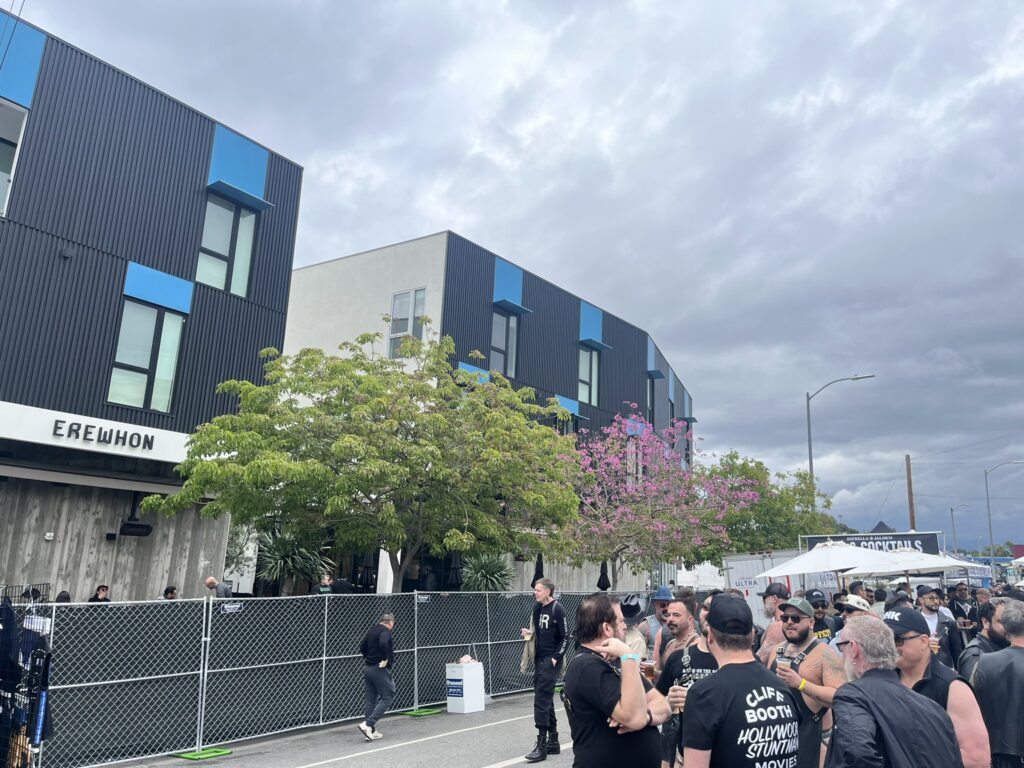
At the top of the list is Erewhon, a Los Angeles-based luxury grocery store known for ultra-premium products, influencer-famous smoothies, and eye-popping prices. It’s less about saving money and more about status, wellness branding, and exclusivity.
Consider 10 Things You Should (Almost) Never Buy New for smarter everyday spending choices.