
New technologies are evolving faster than ever and many of them have the potential to shake up careers across industries. Whether you’re in marketing, law, healthcare, or finance, these innovations could change the way you work, or even replace what you do.
Here are 10 new technologies that could disrupt your career in the coming years:
1. Generative AI

Tools like ChatGPT, Midjourney, and Bard can now create writing, images, music, and even code. Jobs in content creation, design, customer service, and even programming are already being reshaped or partially replaced.
2. Autonomous Systems
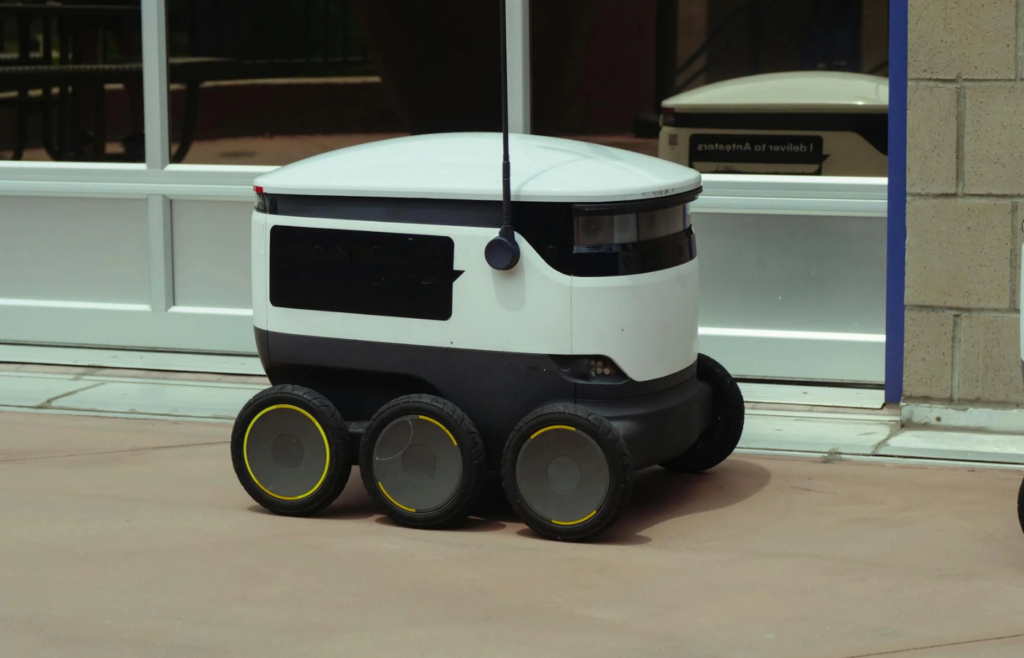
Autonomous vehicles and drones could impact careers in transportation, logistics, and even field service. As self-driving tech improves, the need for human operators may drastically decline.
3. Blockchain and Smart Contracts

Smart contracts reduce the need for interposers like brokers, legal sidekicks, and contract directors. Blockchain also threatens traditional finance, insurance, and indeed healthcare recordkeeping jobs.
4. AI-Powered Diagnostic Tools
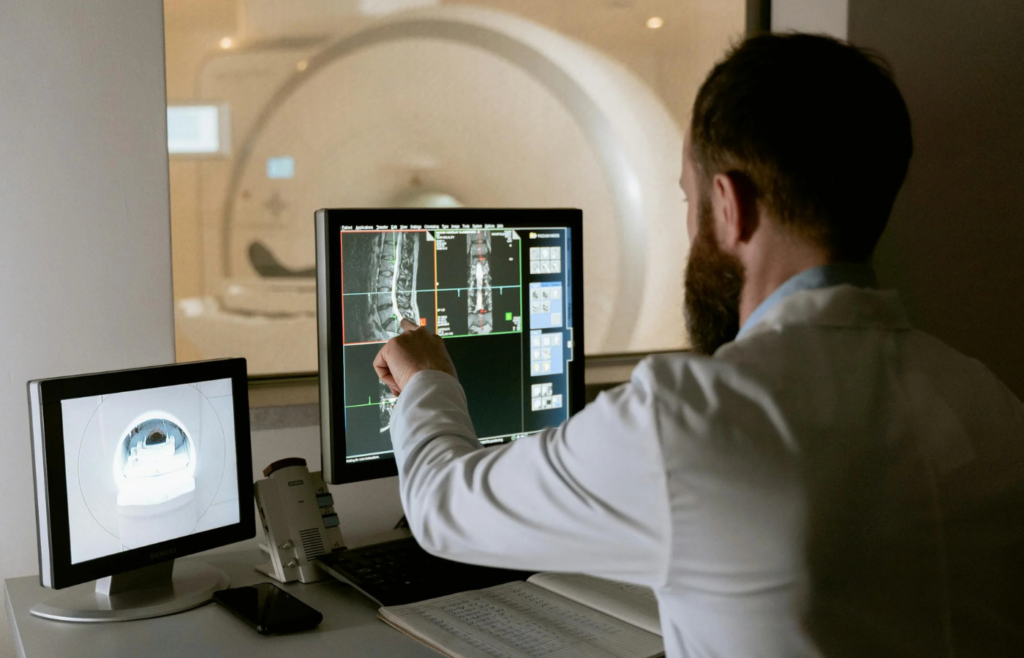
In medicine, AI is being used to detect diseases more accurately than some doctors. Radiologists, pathologists, and technicians could see aspects of their roles transformed or diminished.
5. Robotic Process Automation (RPA)

RPA bots are great at performing rule- grounded tasks across finance, HR, and IT. They do n’t get tired, and they’re cheaper hanging jobs in data entry, payroll, invoicing, and compliance monitoring.
6. Augmented and Virtual Reality (AR/VR)

AR/ VR is no longer just for gaming. It’s entering real estate, healthcare training, engineering, and retail. It could reshape how deals brigades, coaches, and field professionals interact with guests and products.
7. Natural Language Processing (NLP)

NLP helps machines understand and generate human language. It powers chatbots, transcription software, and sentiment analysis changing roles in customer support, journalism, law, and transcription services.
8. Quantum Computing

Still early-stage, quantum computing could one day make current encryption and optimization methods obsolete. Careers in cybersecurity, finance modeling, and even pharmaceuticals may require a massive retooling.
Read More: Top 10 High-Paying Jobs You Can Get Without a Degree
9. 3D Printing (Additive Manufacturing)

3D printing allows companies to manufacture parts on-demand, potentially disrupting supply chains, warehousing, and traditional manufacturing roles including in aerospace, automotive, and even fashion.
Read More: 15 Ways to Deal With a Bad Boss (Without Losing Your Job)
10. AI-Driven Decision Making

AI is now embedded in decision-making tools, from hiring platforms to sales forecasting software. Managers, consultants, and analysts who rely on intuition or experience may be challenged by AI’s data-driven precision.
Staying competitive means staying informed. If any of these technologies could affect your field, now is the time to upskill, adapt, and figure out how to work alongside the machines not against them.
Read More: Top 10 Resume Tips That Will Get You Noticed