
Shopping used to be more of an event. Maybe it’s nostalgia talking, but wandering through a store—browsing shelves, trying things out, discovering something unexpected—felt different than clicking “add to cart.”
Many of these chains didn’t just sell products—they defined eras. Some are completely gone, while others technically still exist in reduced or online-only form. Either way, they’re not quite the same.
Blockbuster
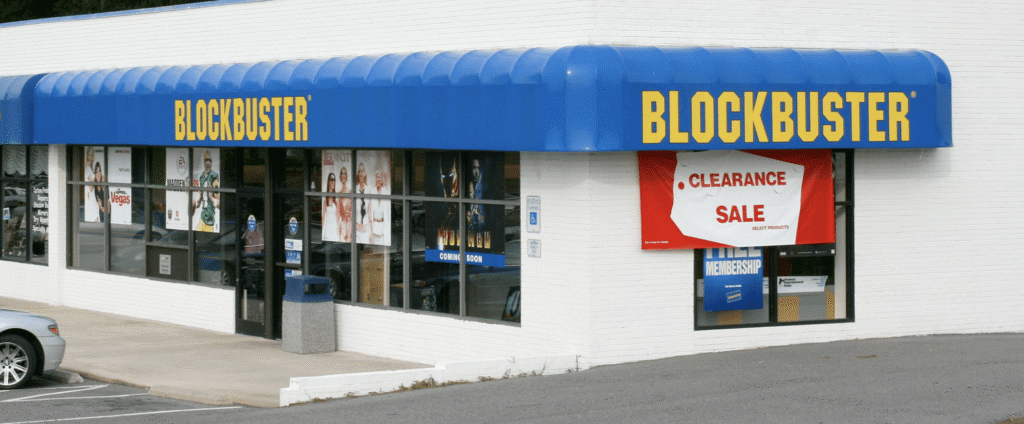
Once the go-to for movie nights, Blockbuster dominated video rentals in the ’90s and early 2000s. Today, just one independently operated location remains in Oregon—a reminder of a very different way to watch movies.
Warner Bros. Studio Store
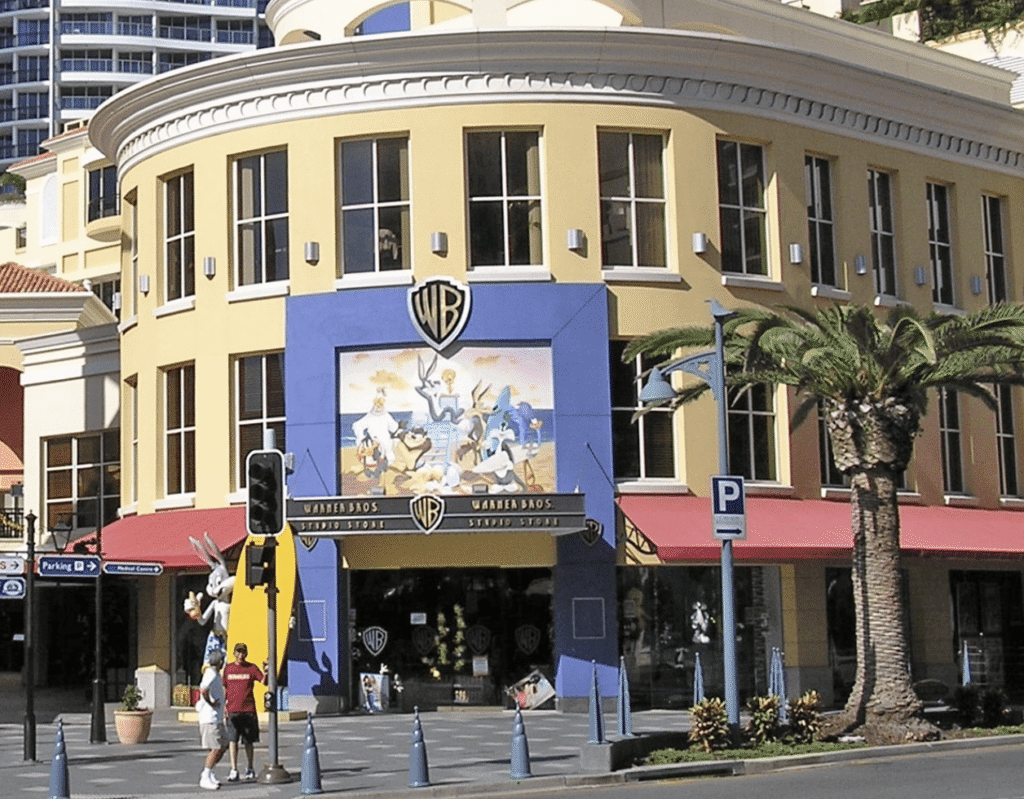
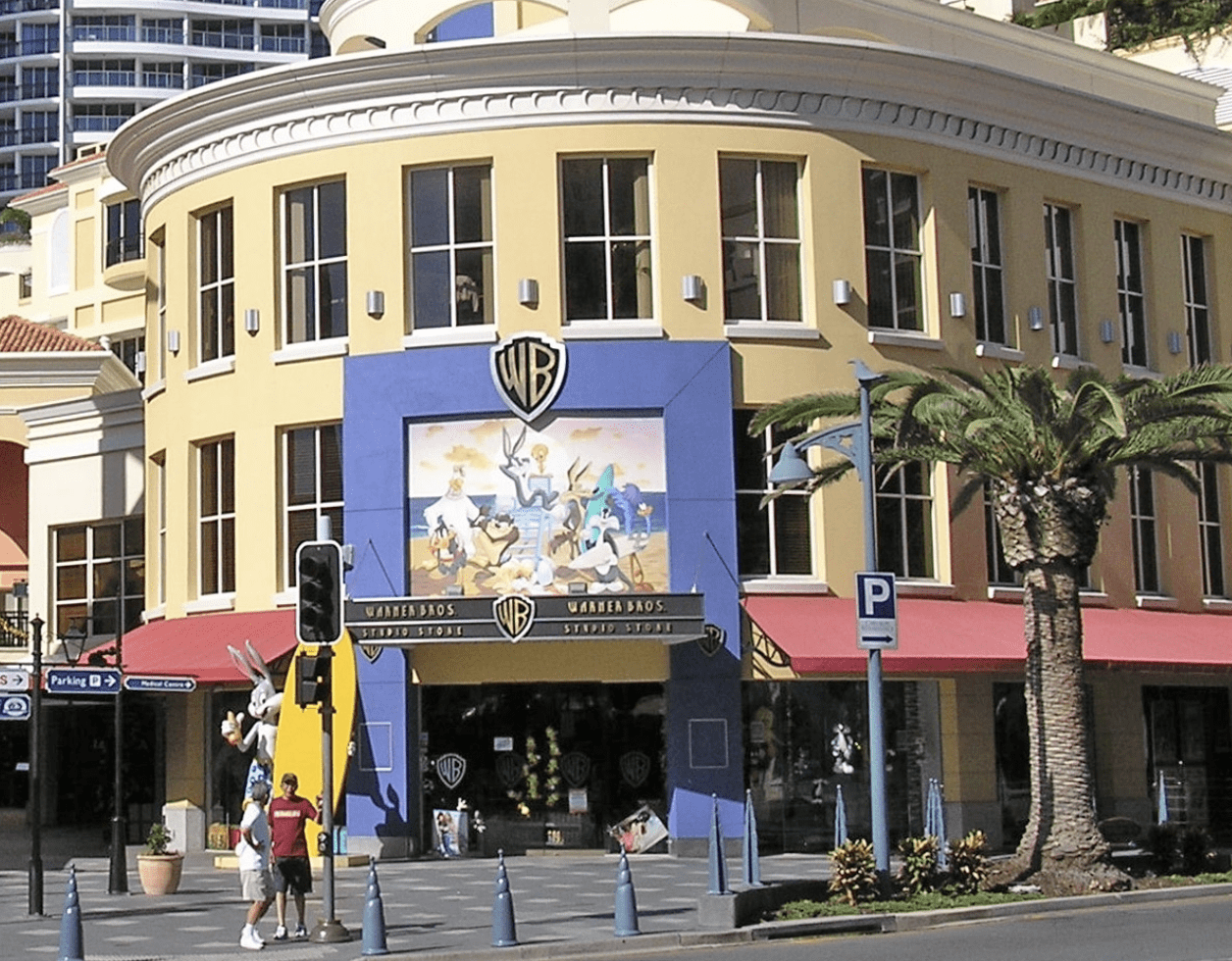
Packed with Looney Tunes and DC merch, this mall staple closed all locations in 2001. It was basically the Disney Store’s slightly edgier cousin.
Zany Brainy
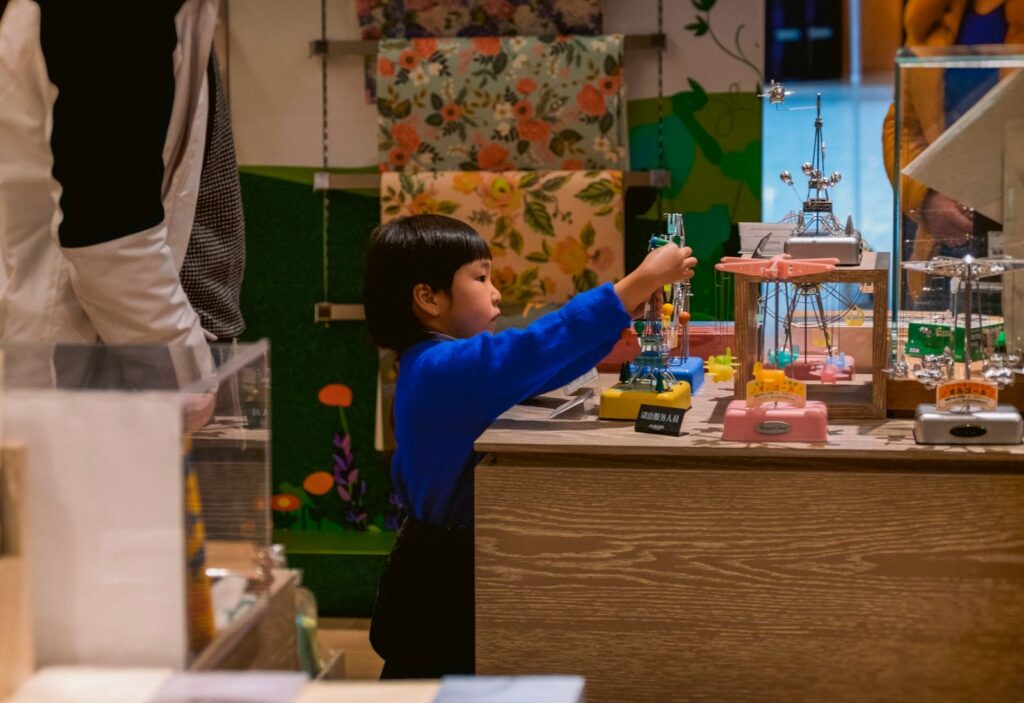
This educational toy store blended play and learning, often hosting events and activities. It filed for bankruptcy in 2001 as competition in the toy space intensified.
Thom McAn
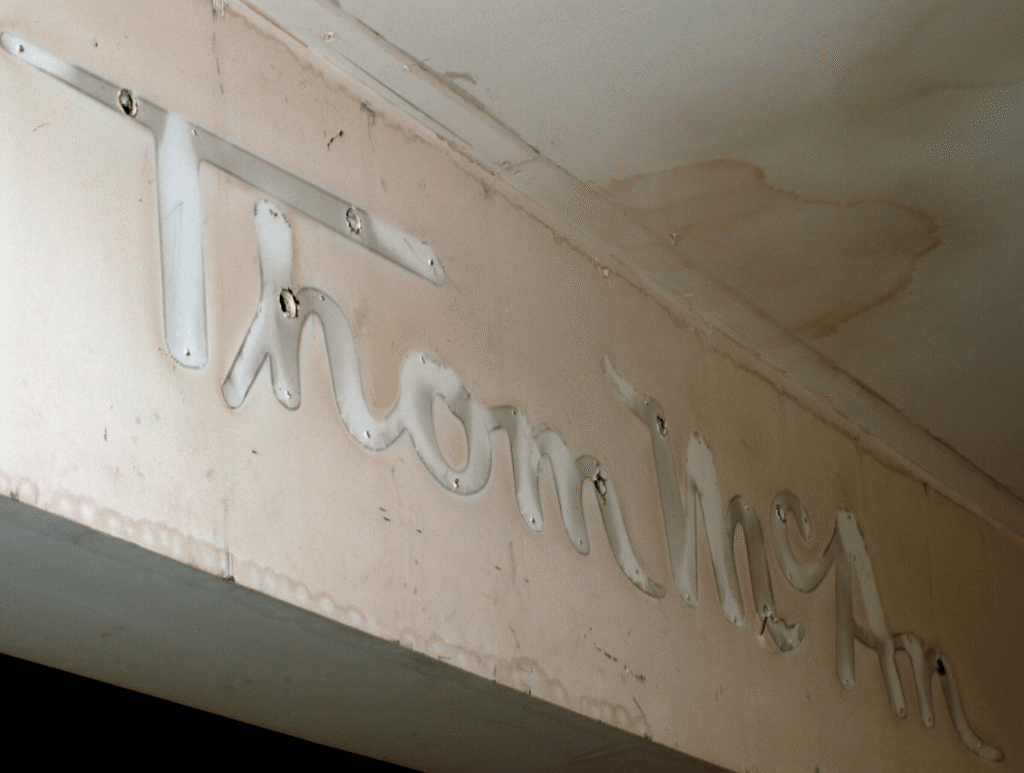
A major shoe retailer for decades, Thom McAn stores largely disappeared by the late 1990s. The brand name stuck around for a while through other retailers, but the storefronts faded out.
Imaginarium
Known for high-quality, educational toys, Imaginarium was eventually acquired by Toys “R” Us. The brand disappeared as the parent company consolidated its offerings.
Delia’s
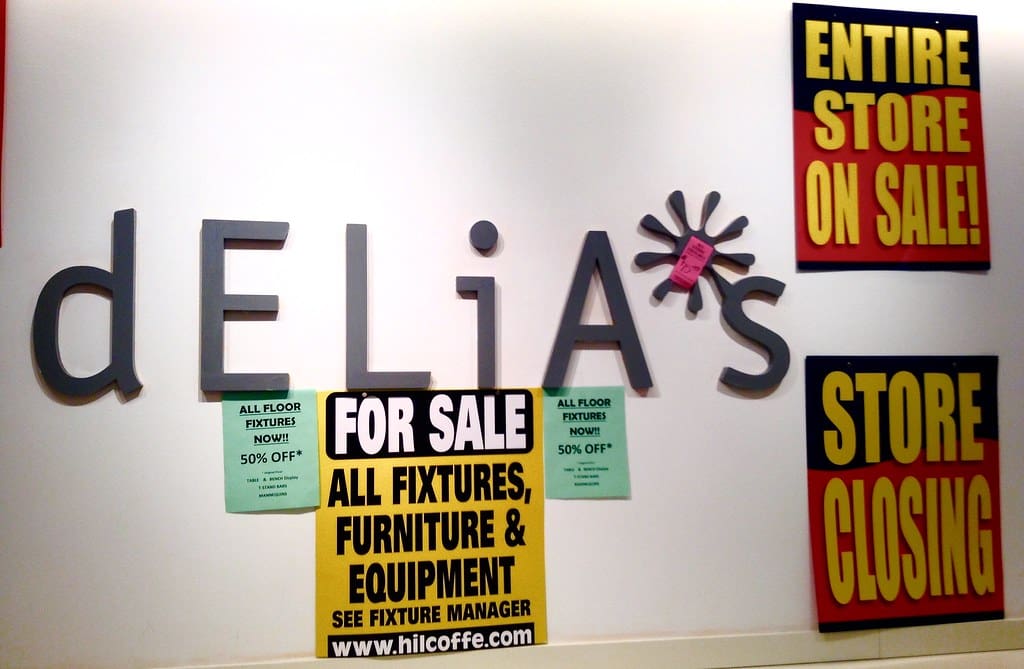
A favorite among teens in the late ’90s and early 2000s, Delia’s was known for its catalogs and mall presence. The company filed for bankruptcy in 2014, though the brand has since resurfaced online.
Discovery Channel Store
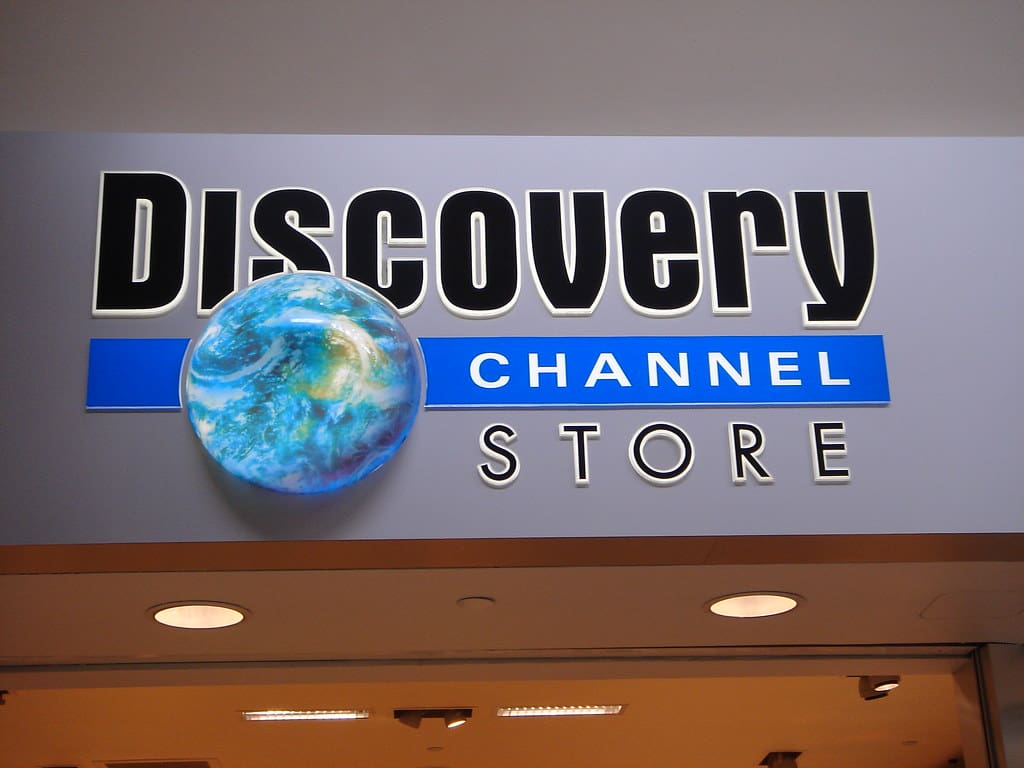
Part retail, part curiosity shop, these stores leaned into science, nature, and gadgets. All locations closed by 2007 as retail trends shifted.
Marshall Field’s
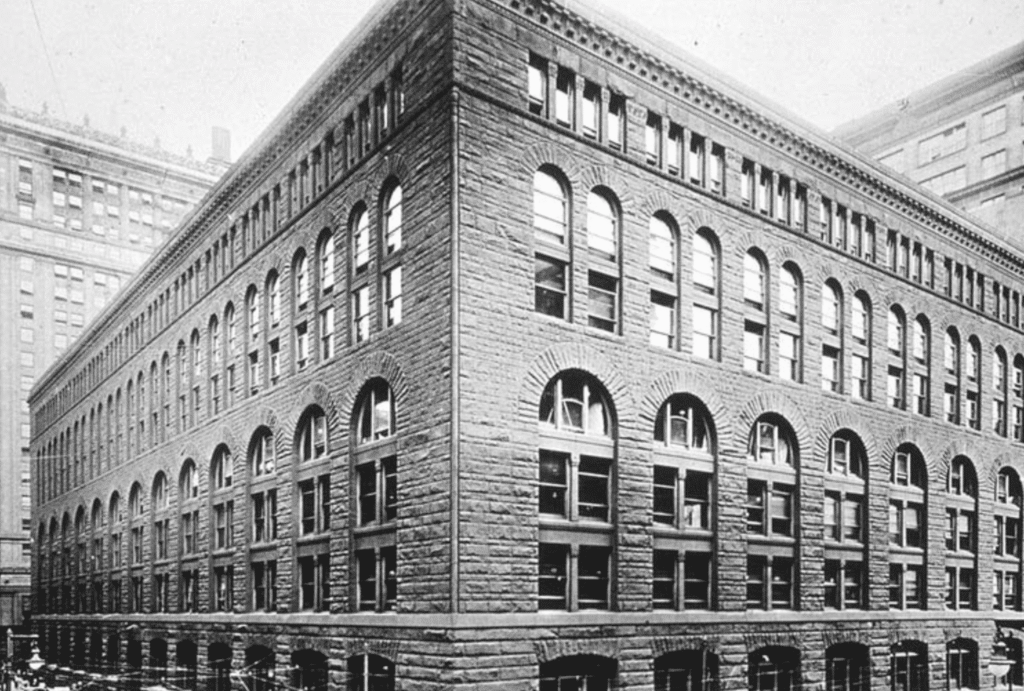
A historic department store dating back to the 1800s, Marshall Field’s was rebranded as Macy’s in 2006. Many still argue that the original name had more personality.
KB Toys
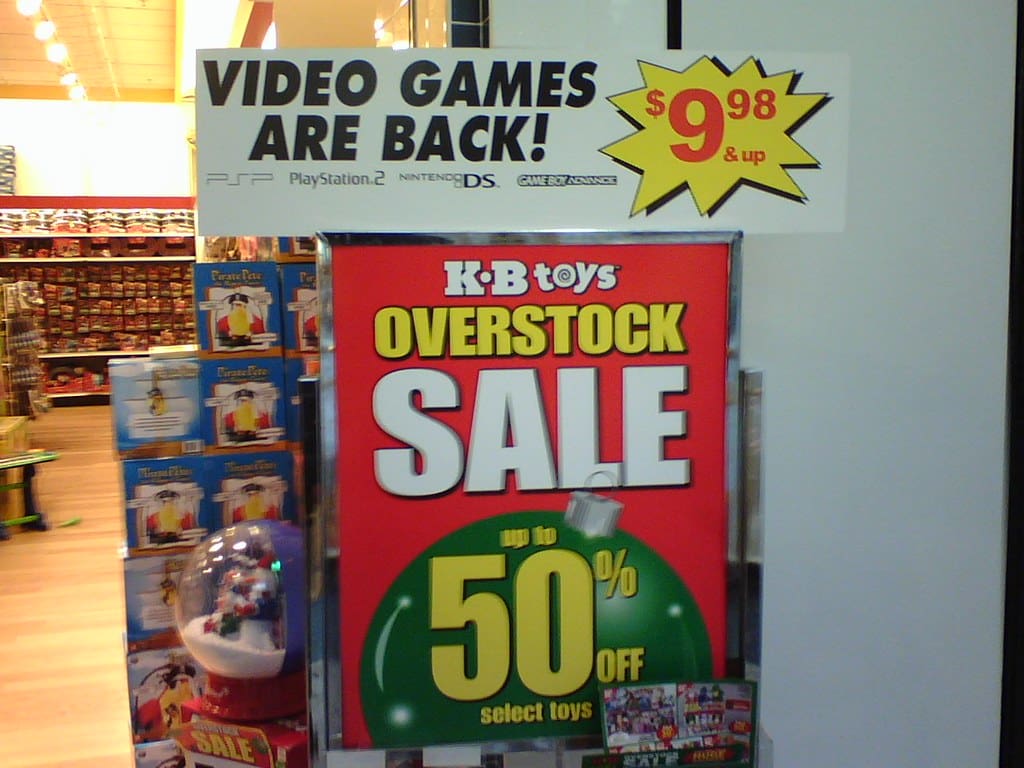
A mall staple for generations of kids, KB Toys shut down all stores in 2009 after struggling against big-box and online competition.
Sam Goody
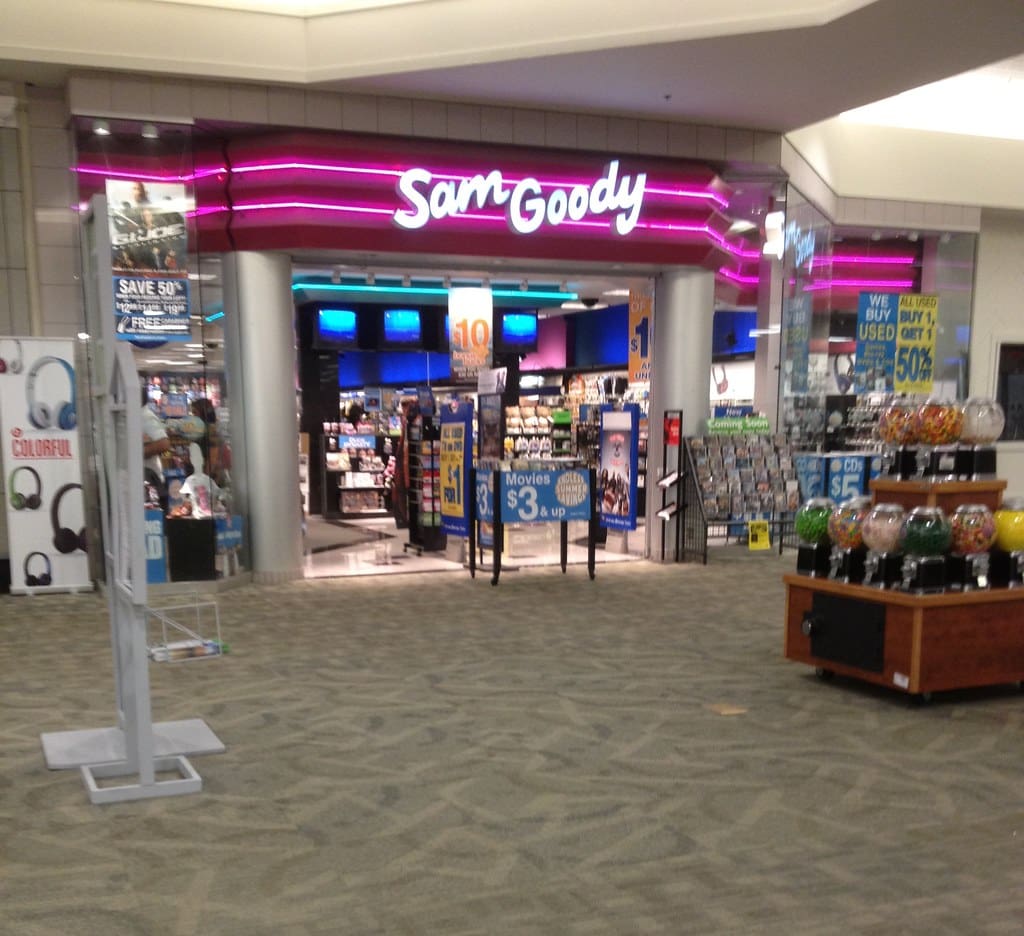
Once a major destination for CDs and movies, Sam Goody declined as digital media took over. Most locations closed by the late 2000s.
Sharper Image
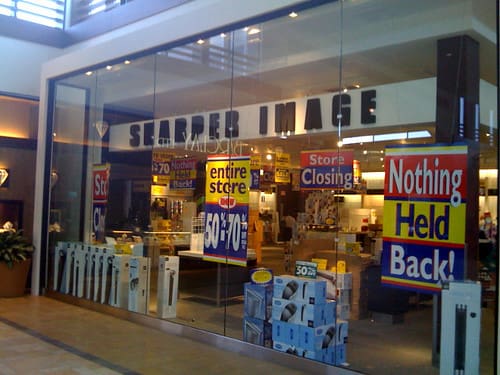
Known for gadgets and those irresistible massage chairs, Sharper Image filed for bankruptcy in 2008. The brand still exists online, but the in-store experience is long gone.
Linens ‘n Things
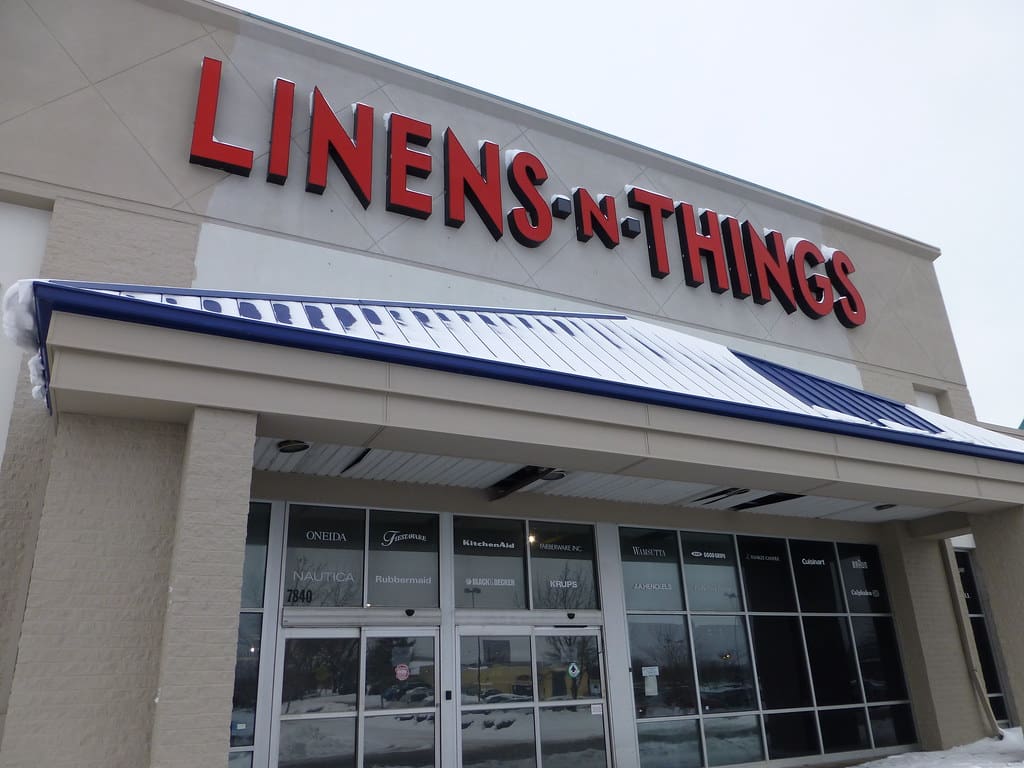
A competitor to Bed Bath & Beyond, Linens ‘n Things closed its physical stores in 2008. The brand later returned as an online-only retailer.
Gadzooks
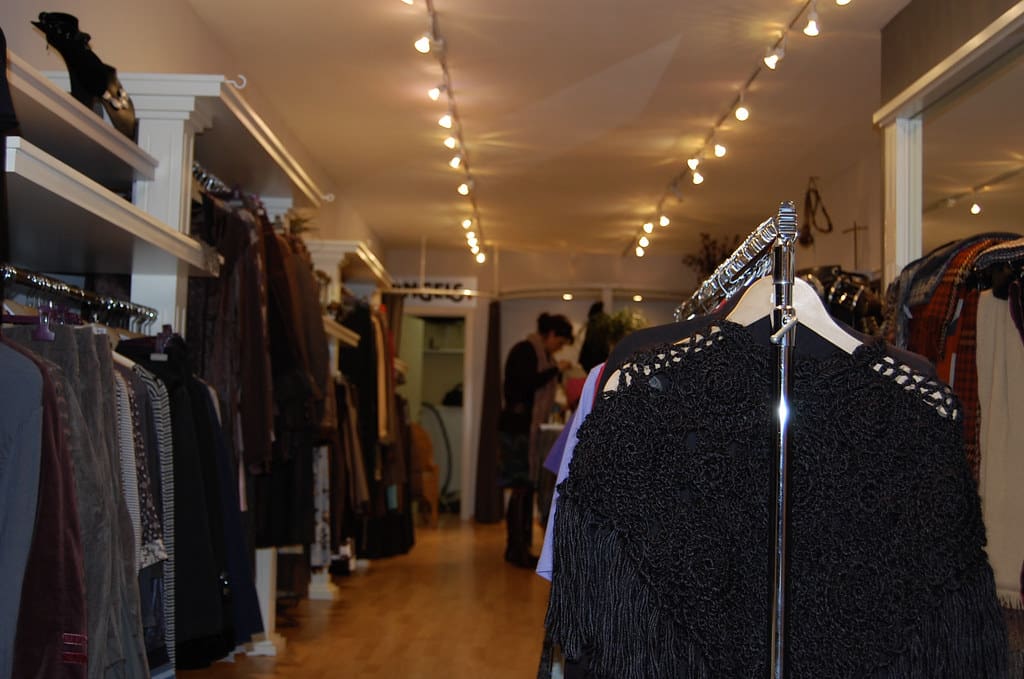
A mall clothing chain popular with teens, Gadzooks was acquired by Forever 21 in the mid-2000s and eventually phased out.
Tower Records
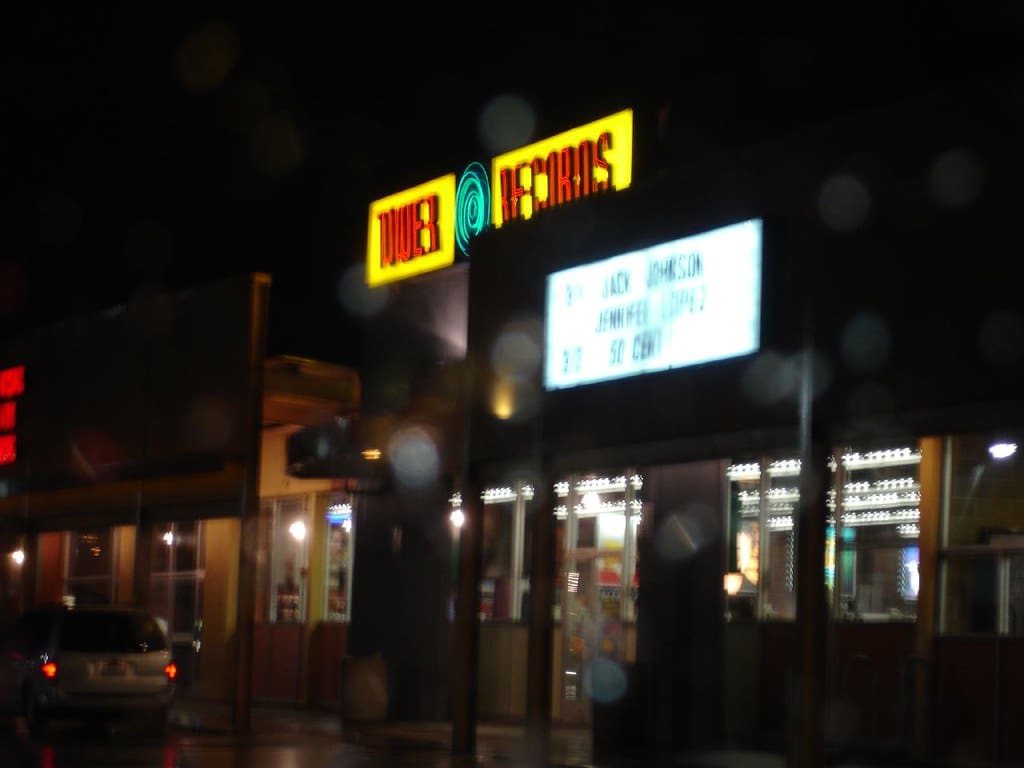
A music lover’s paradise, Tower Records closed U.S. stores in 2006 due to the rise of digital downloads. The brand has since reappeared online.
Circuit City
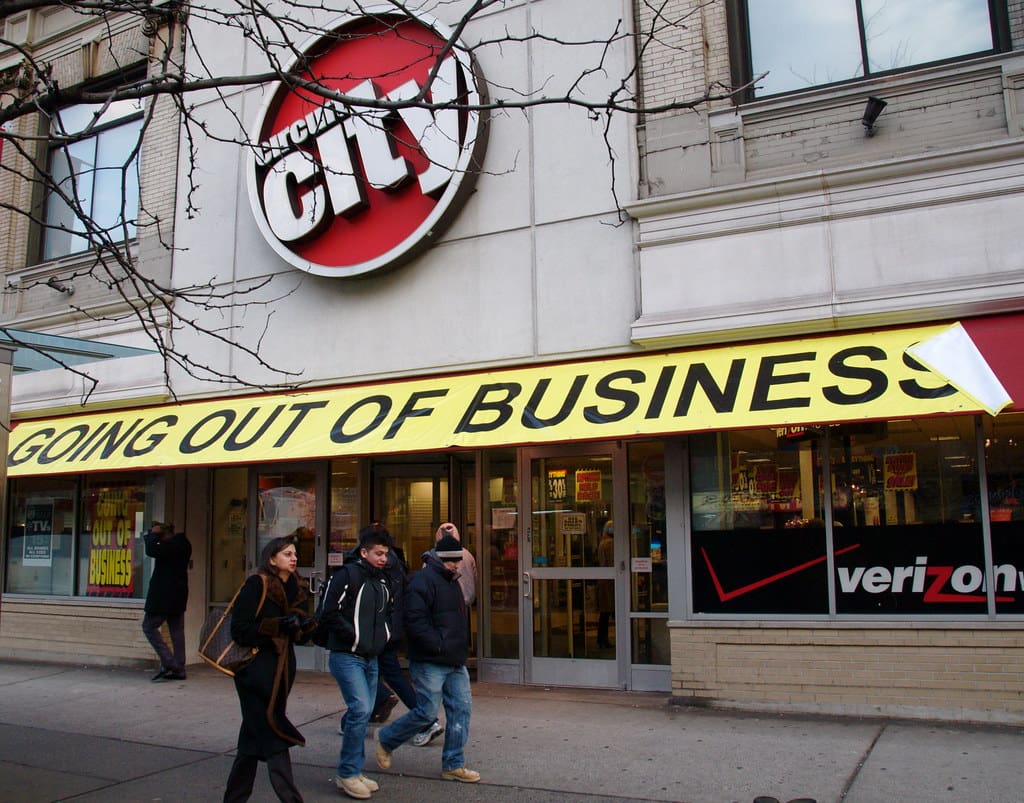
Once a major electronics retailer, Circuit City shut down stores in 2009 after failing to keep up with competition. The name still exists as an online brand.
Woolworth’s
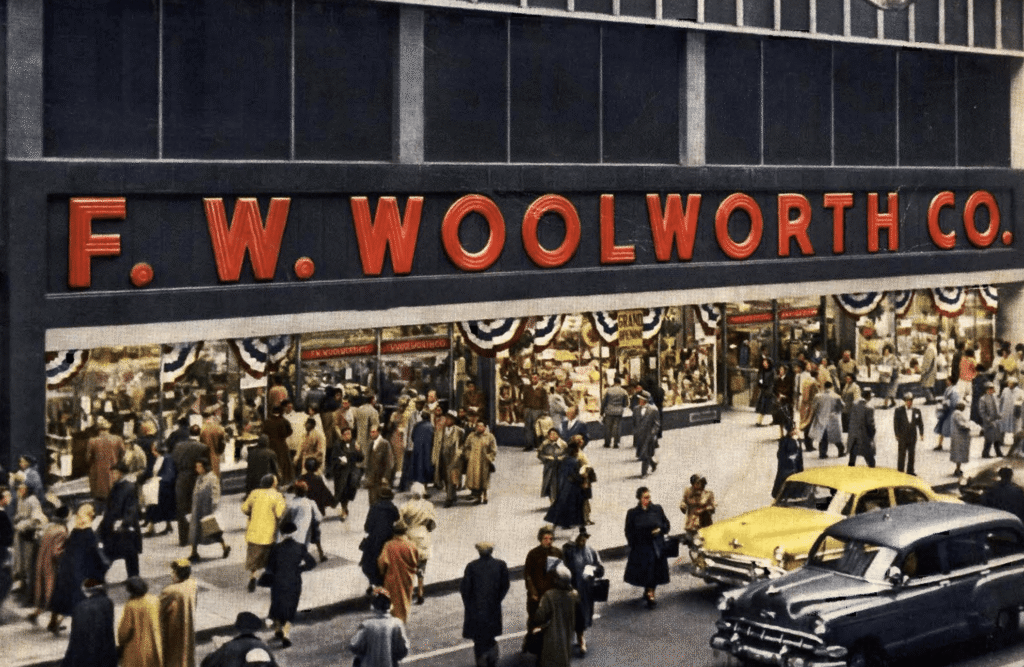
One of the original five-and-dime chains, Woolworth’s was known for its lunch counters as much as its prices. U.S. stores closed in 1997, though the brand lives on internationally.
Waldenbooks
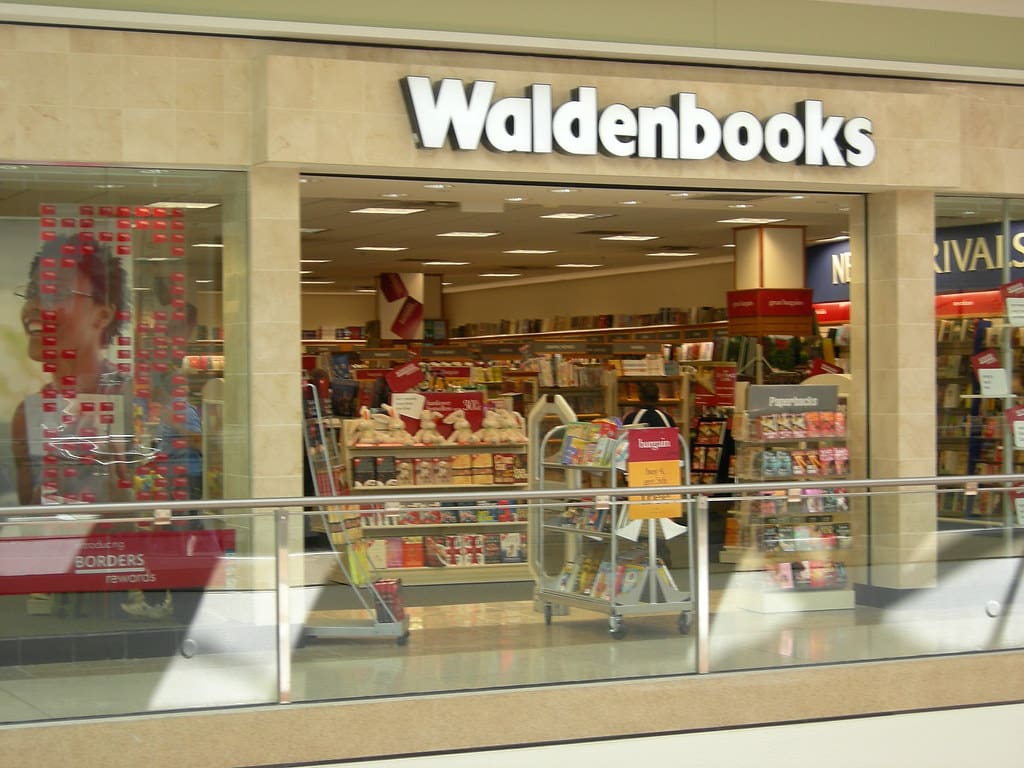
A mall bookstore staple, Waldenbooks closed its remaining stores in 2011 as Borders (its parent company) went bankrupt.
Duckwall-Alco
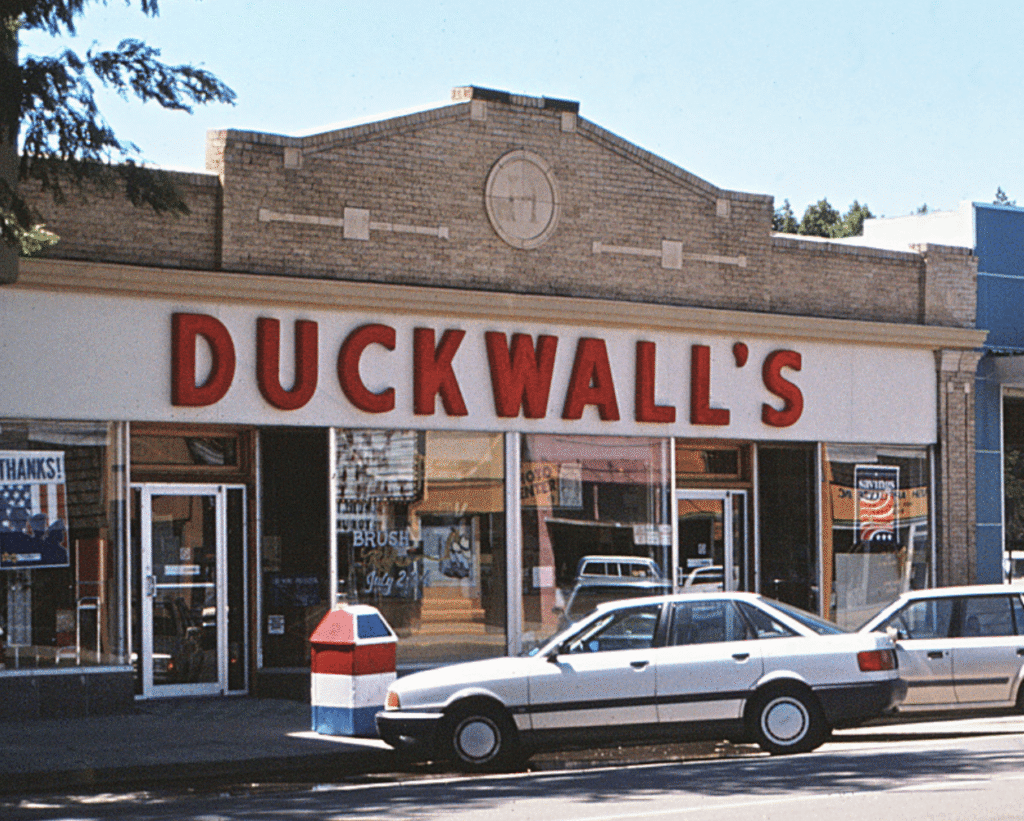
Primarily serving smaller towns, this discount retailer closed its final stores in 2015 after decades in business.
RadioShack
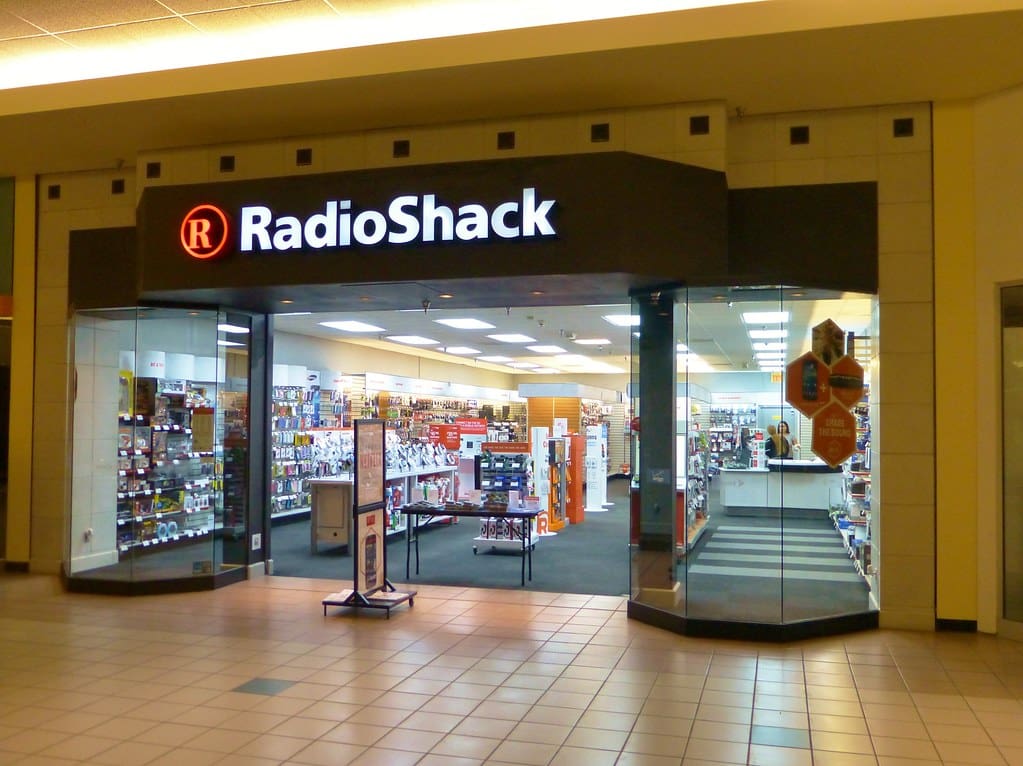
Once the go-to for electronics and components, RadioShack filed for bankruptcy multiple times. A limited online presence remains, but its retail footprint is a fraction of what it was.
Barneys New York
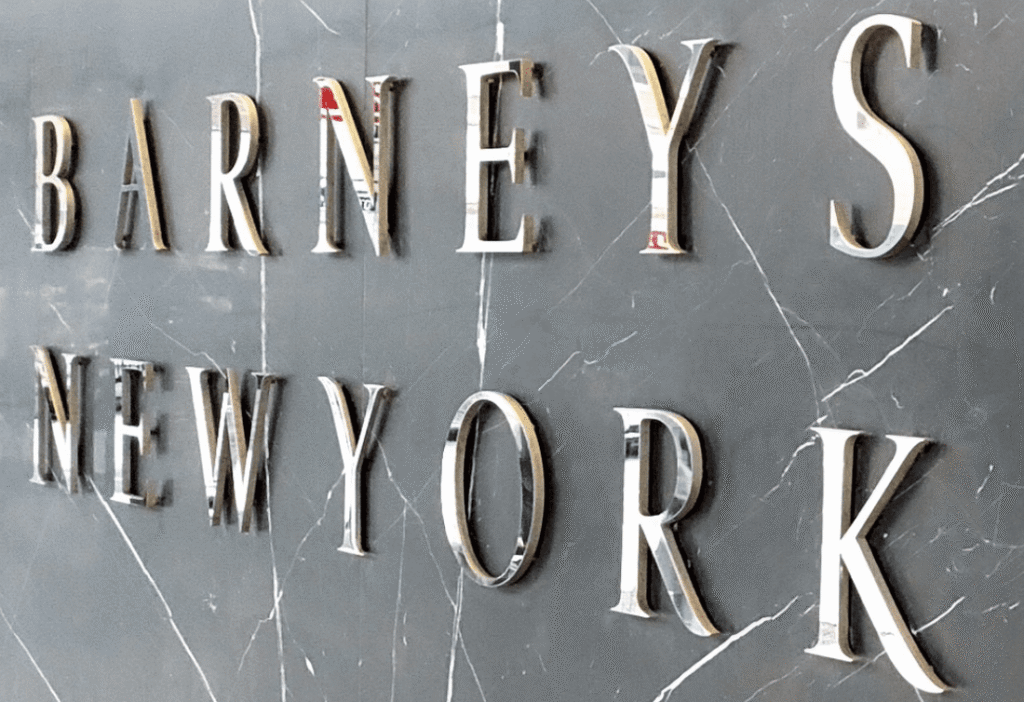
Iconic luxury retailer Barneys filed for bankruptcy in 2019. Its brand now lives on in a much smaller, licensed capacity.
Ames
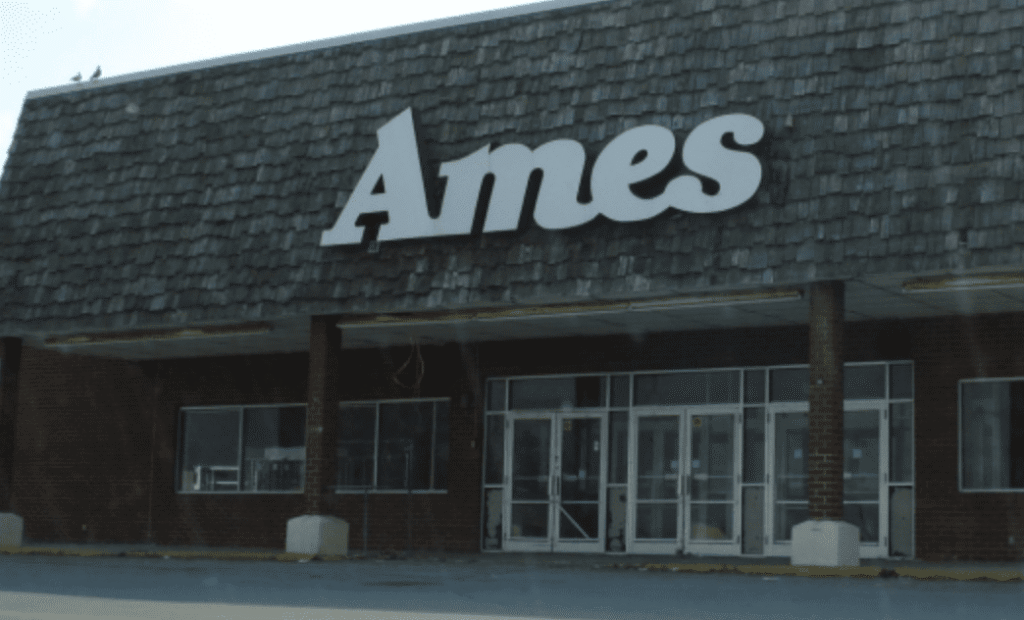
A discount chain that once filled gaps in rural retail, Ames closed in 2002. There have been attempts to revive the brand, though it’s not back in a meaningful retail way.
Gimbels
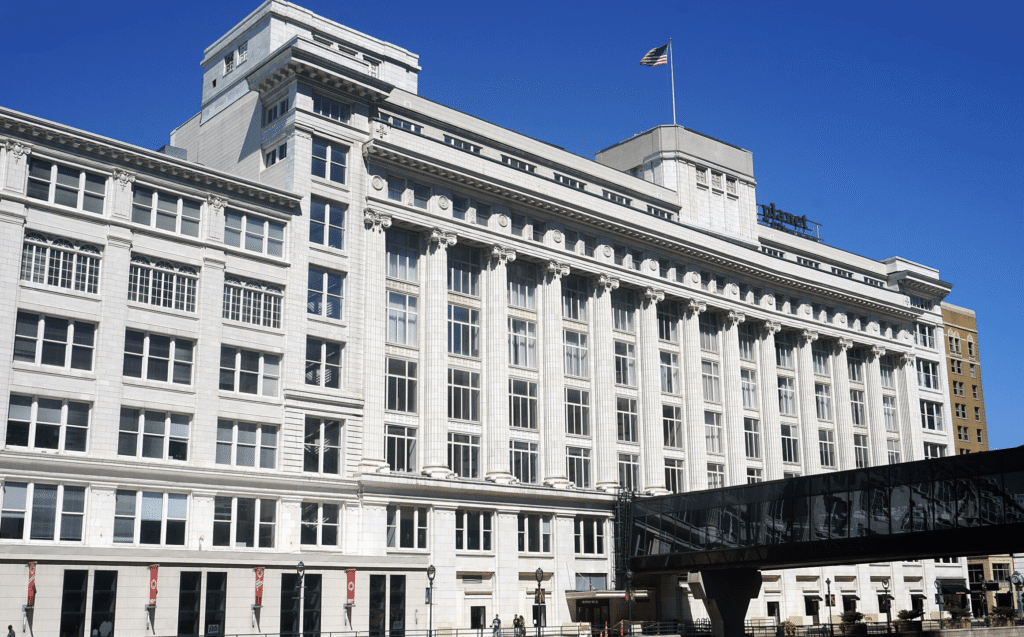
A historic department store that once rivaled Macy’s, Gimbels closed in 1987 after more than a century in business.
W.T. Grant Co.
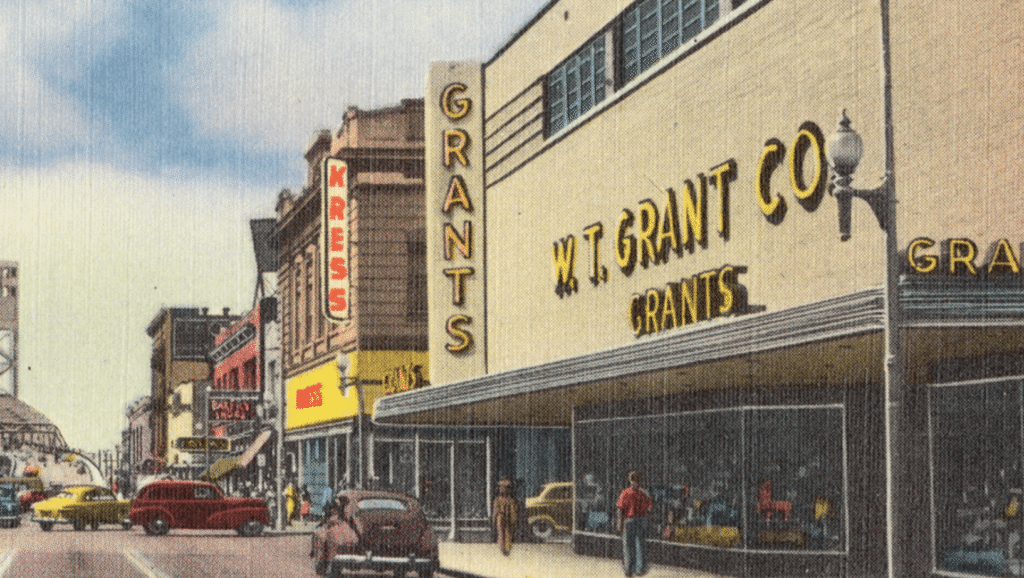
Founded in 1906, this once-popular retailer went bankrupt in 1976 after rapid expansion and financial mismanagement.
Media Play
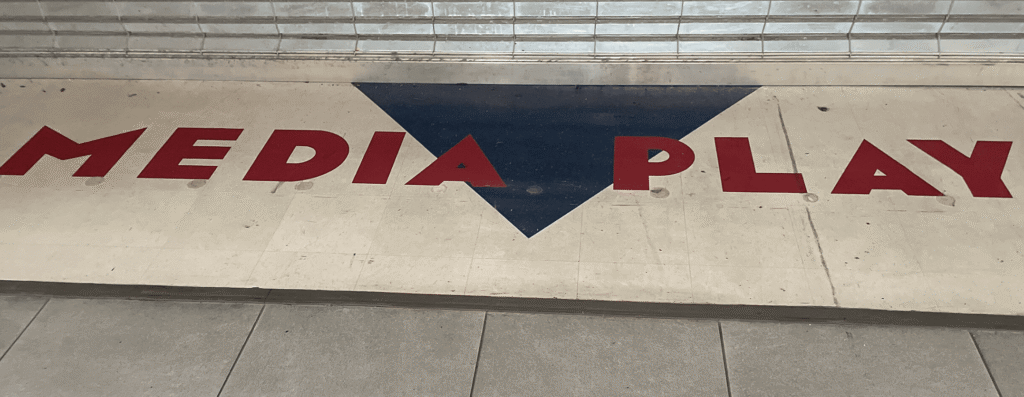
A one-stop shop for movies, music, books, and games, Media Play closed in 2006 as digital media gained traction.
Sears
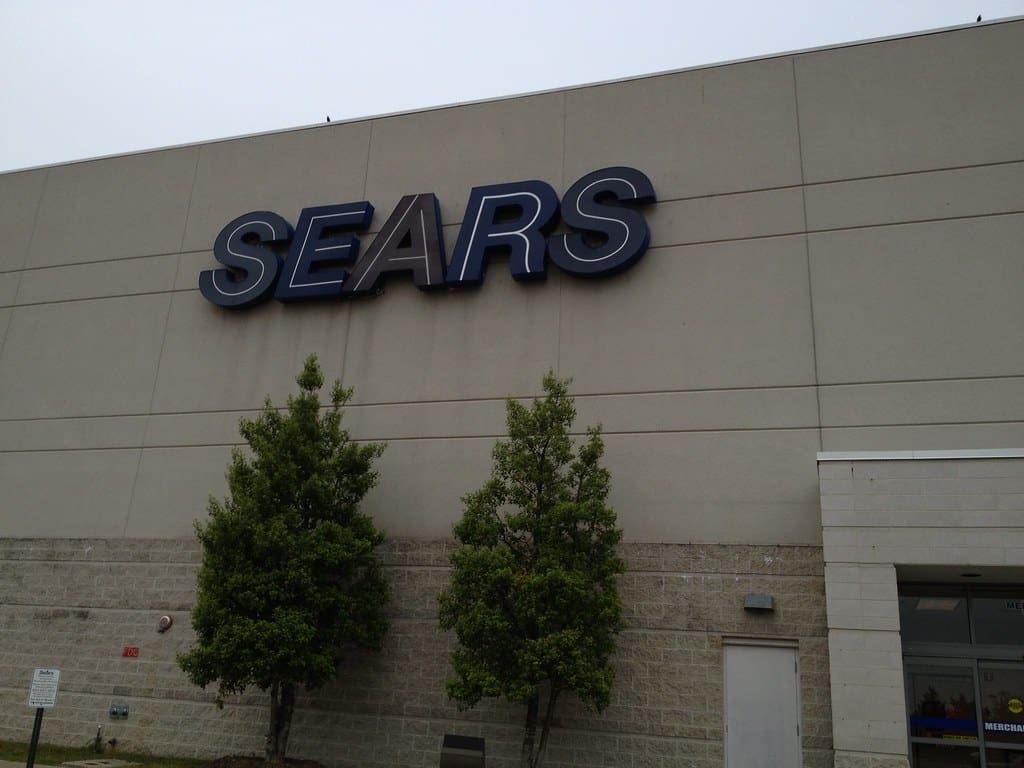
Not completely gone, but far from its peak. Once a retail giant with catalogs and malls nationwide, Sears now operates only a few stores.
National Record Mart
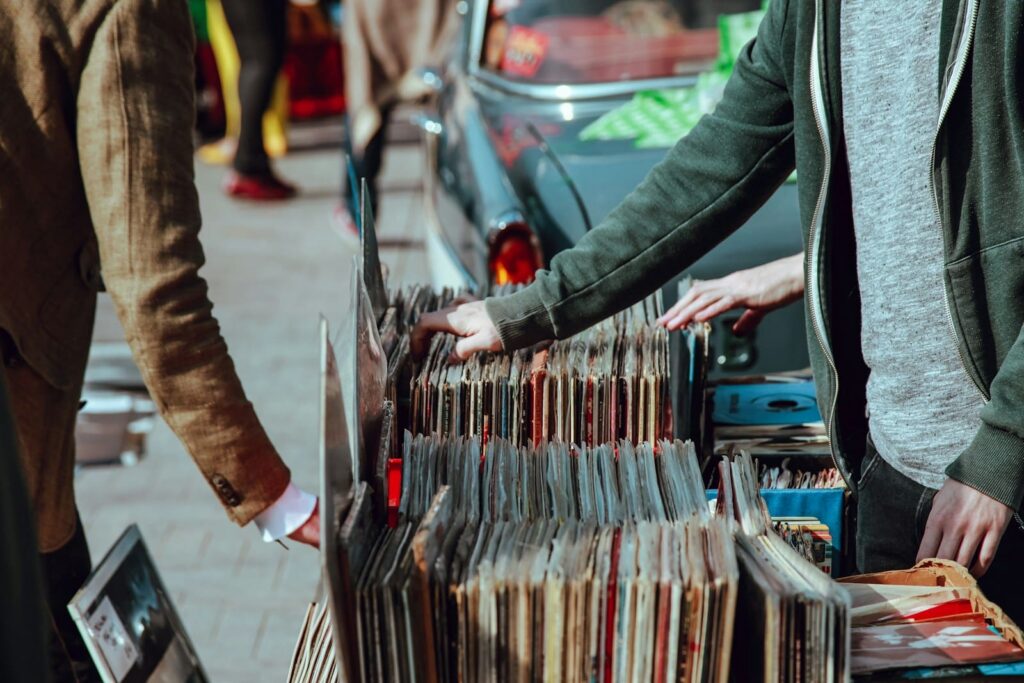
One of the early U.S. music retail chains, National Record Mart, faded alongside the decline of physical media stores.
Kmart
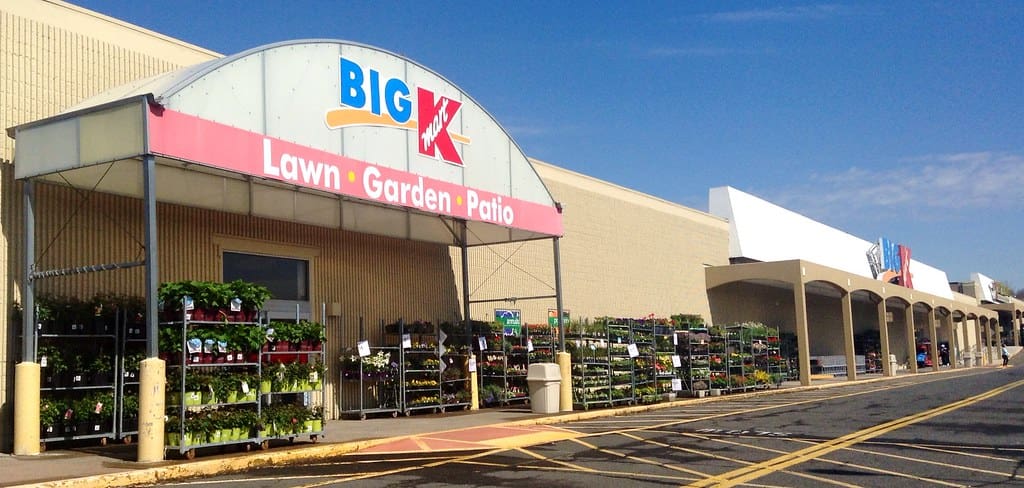
Once a dominant discount retailer, Kmart now has only a handful of U.S. locations remaining. The brand technically still exists, but it’s a shadow of its former self.
Mervyn’s
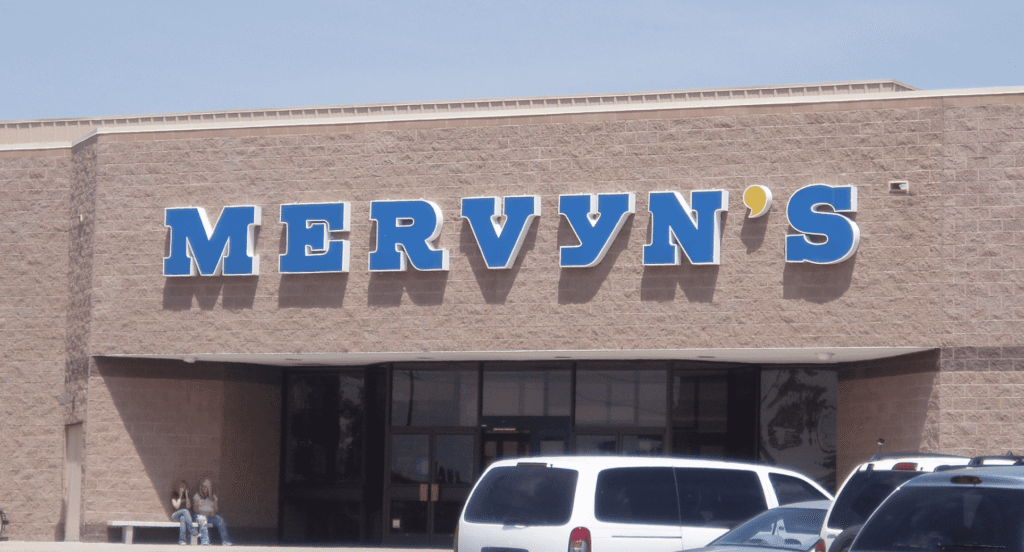
A mid-range department store chain, Mervyn’s, closed all stores in 2008 during the financial crisis.
Montgomery Ward
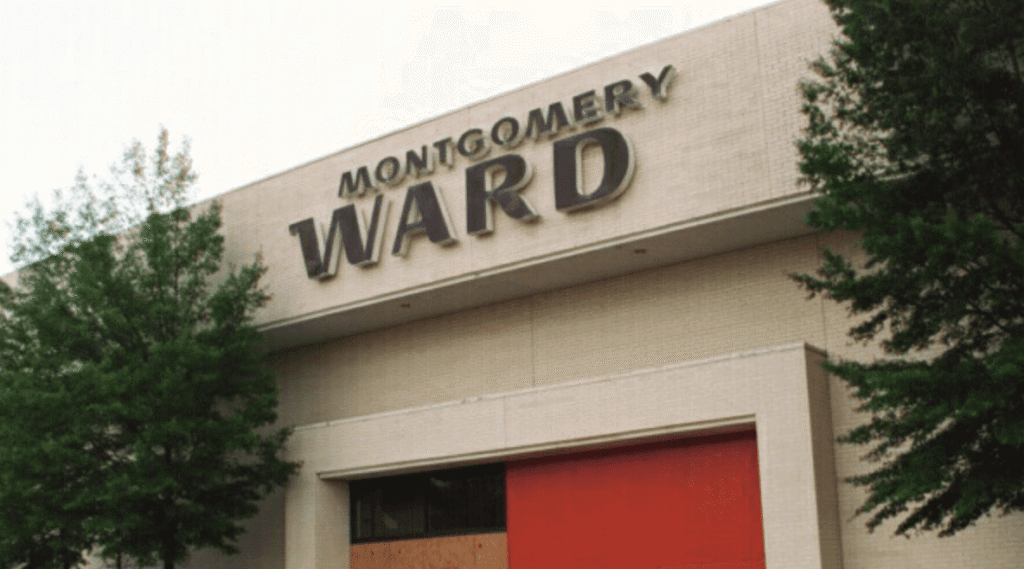
Founded in 1872, Montgomery Ward closed its stores in 2001. The brand continues today as an online and catalog retailer.
Levitz Furniture
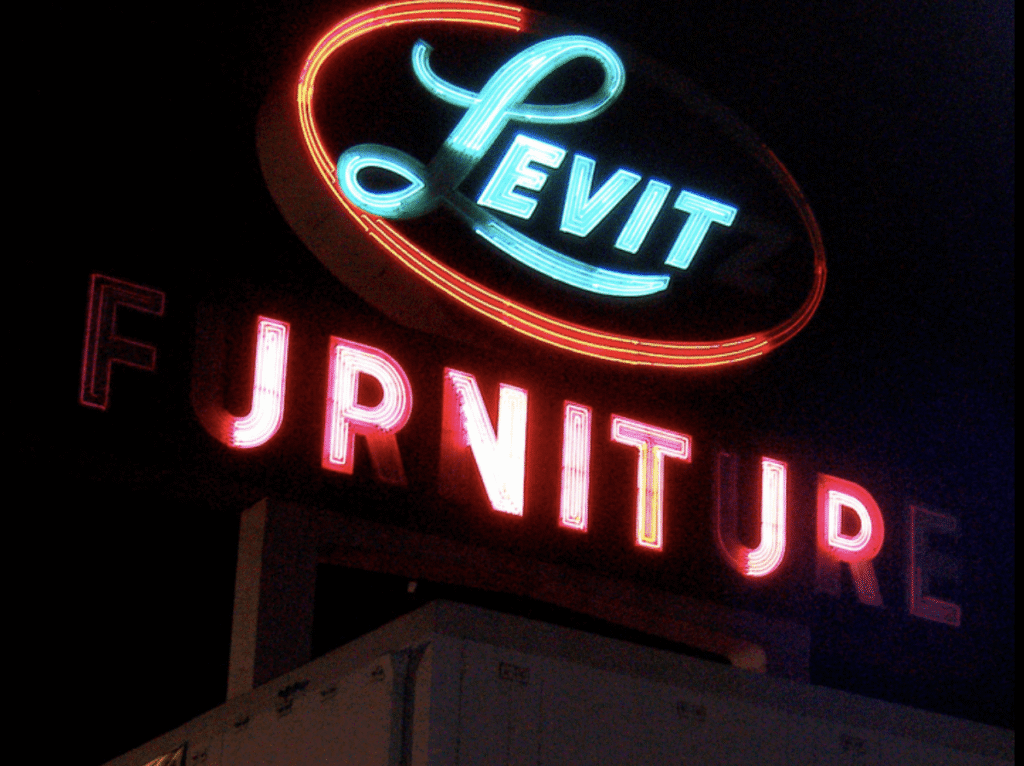
A well-known furniture chain, Levitz, closed its remaining stores in 2008 after filing for bankruptcy.
Shopping hasn’t disappeared—it’s just changed. But for many people, these stores represent a time when browsing felt more like an experience than a transaction. And yes, some of them are probably better in memory than they ever were in reality, but that’s kind of the point.
Related:
- If You Grew Up in the ’70s, These 30 Things Will Hit Home
- Nostalgic ’90s Foods That Deserve a Comeback
- 30 Throwback Moments Only ’80s Kids Will Understand