
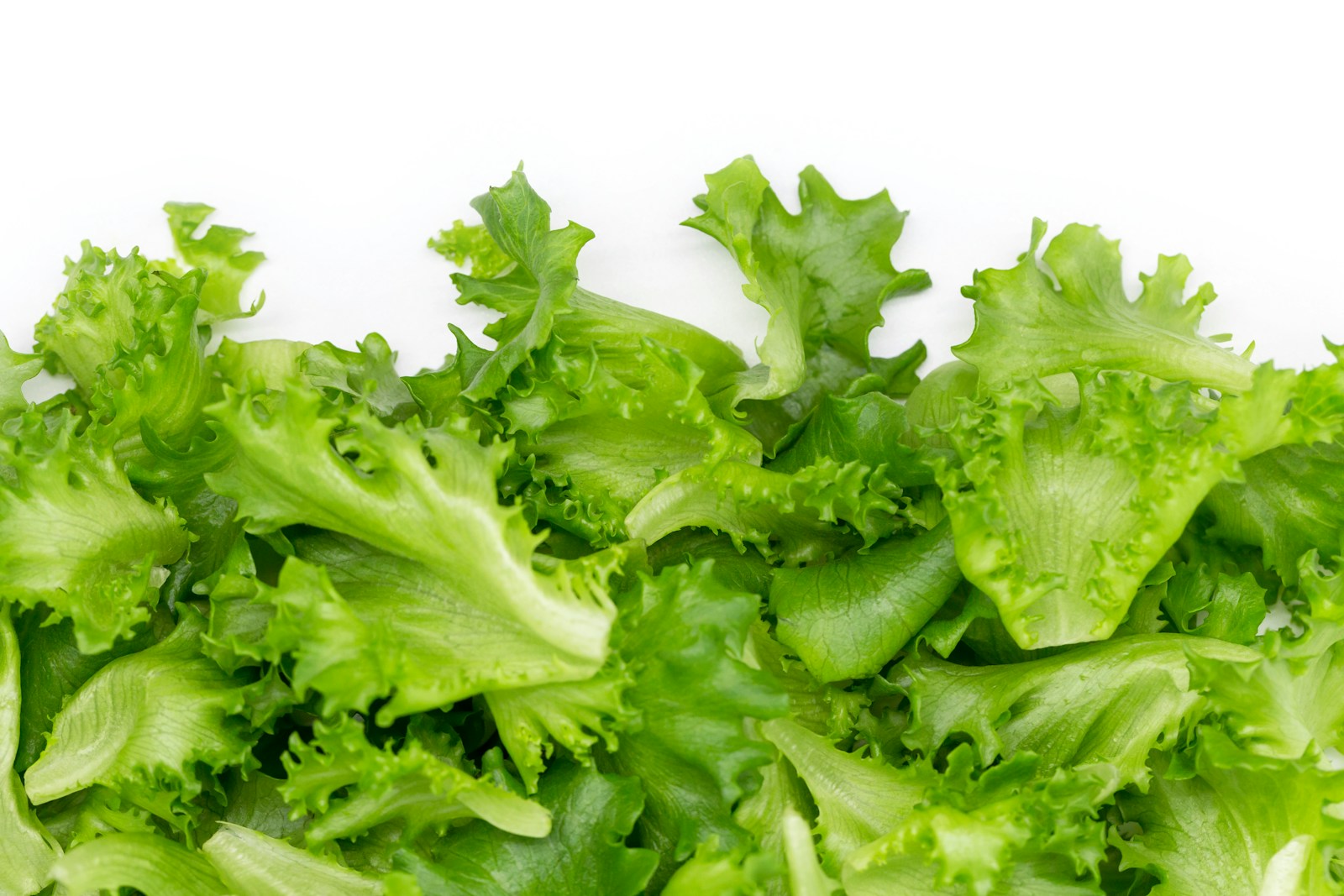
Lettuce is often the go-to choice for those seeking a healthy meal, yet it frequently headlines foodborne illness outbreaks. With recent cases of cyclosporiasis and E. coli linked to leafy greens, many are left wondering why this seemingly innocent vegetable is a common culprit. Despite its popularity, lettuce poses several risks that make it a frequent offender in food safety scares.
From its widespread consumption to the way it’s grown and prepared, various factors contribute to lettuce’s notorious reputation. Here are 11 reasons why lettuce keeps making people sick.
11. High Consumption Rates
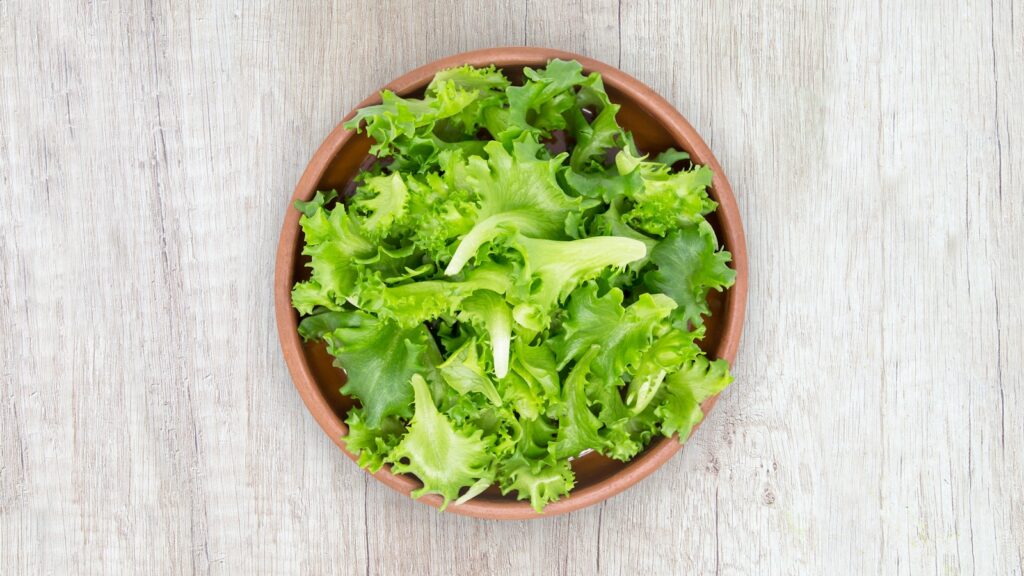
Lettuce is one of the most consumed vegetables in the US, second only to potatoes.
Its popularity in salads, sandwiches, and wraps means it appears in meals across the country, increasing the likelihood of contamination affecting a large number of people.
10. Mixed Greens Risk

Ready-to-eat salads often contain multiple types of leafy greens from different sources.
If one type is contaminated, it can spread to the entire mix, making these convenient options a potential health hazard.
9. Irrigation Practices
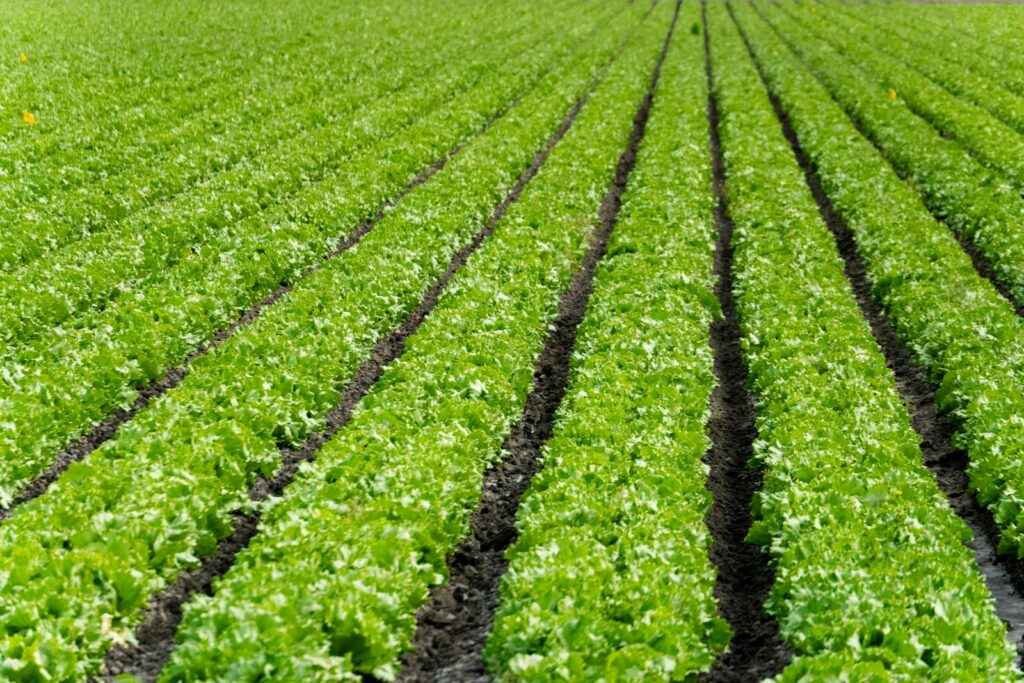
Many lettuce farms use untreated surface water for irrigation, which can introduce pathogens.
Overhead spray systems that contact the leaves directly increase the risk of contamination, necessitating costly upgrades to safer methods.
8. Absence of a Kill Step

Lettuce is typically eaten raw, meaning it skips the “kill step” that eliminates pathogens.
Without cooking, pasteurization, or freezing, harmful microbes can survive and reach consumers.
7. Textural Vulnerabilities
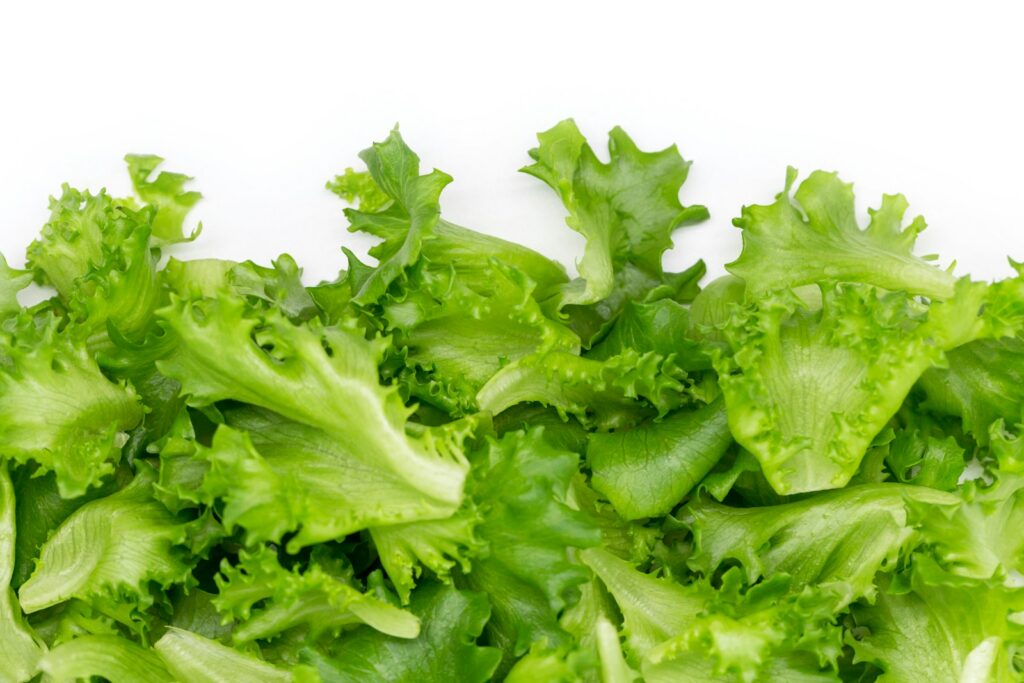
Lettuce leaves have numerous crevices and folds that can trap pathogens.
This makes it difficult for washing processes to reach and remove all contaminants, leaving some behind.
6. Ineffective Prewashing
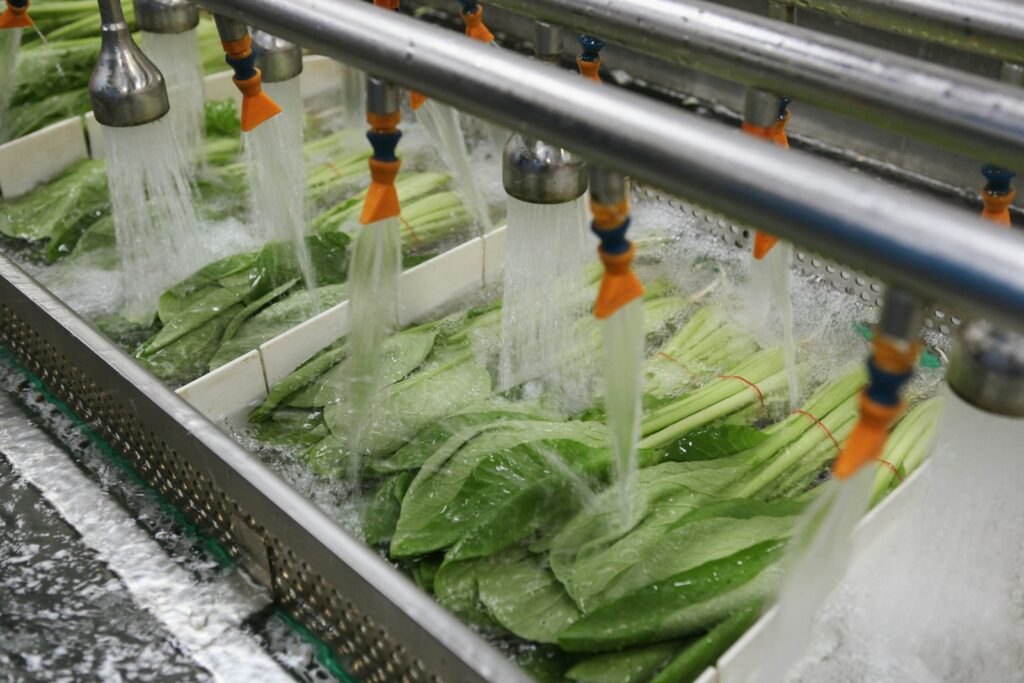
Manufacturing facilities often prewash lettuce, but this doesn’t always remove all microbes.
Parasites like cyclospora have thick walls that resist sanitizers, necessitating thorough washing at home.
5. Pathogen Resistance
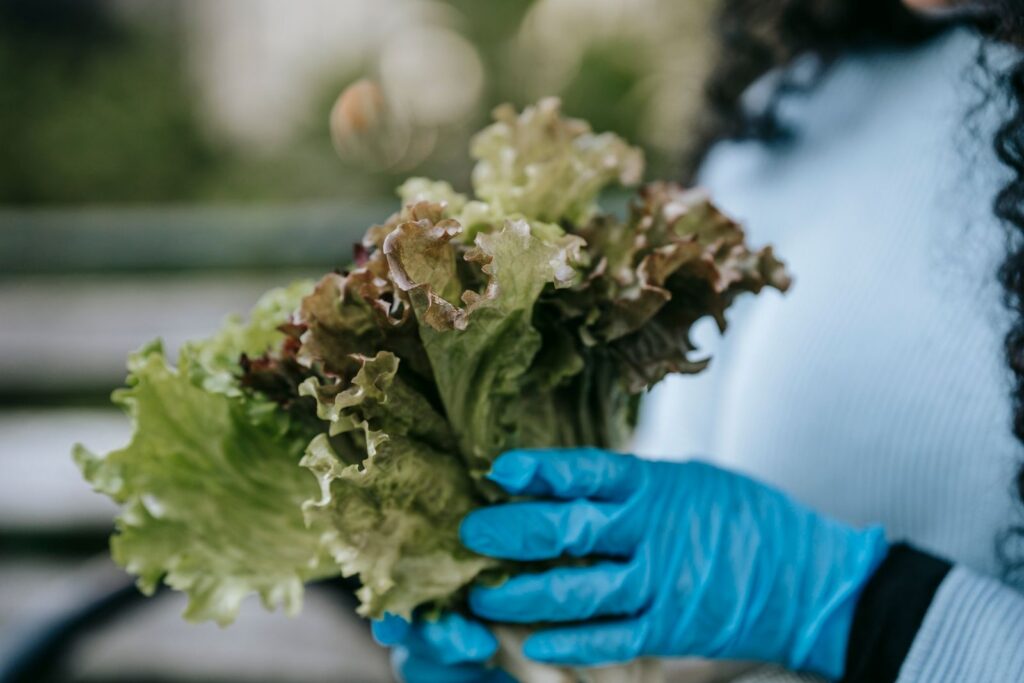
Certain pathogens, like the cyclospora parasite, are highly resistant to common food sanitizers.
This resistance makes them difficult to eliminate, increasing the risk of infection from contaminated lettuce.
4. Frequent Outbreaks
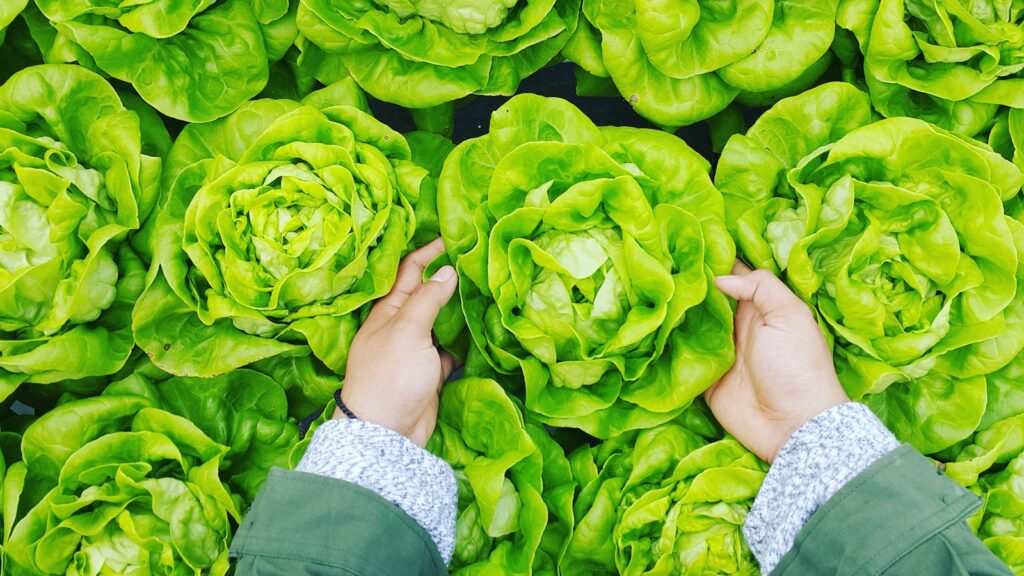
History shows lettuce is often linked to foodborne illness outbreaks, such as E. coli and norovirus.
These recurring incidents highlight the ongoing challenges in ensuring lettuce safety, despite regulatory efforts.
3. Widespread Distribution
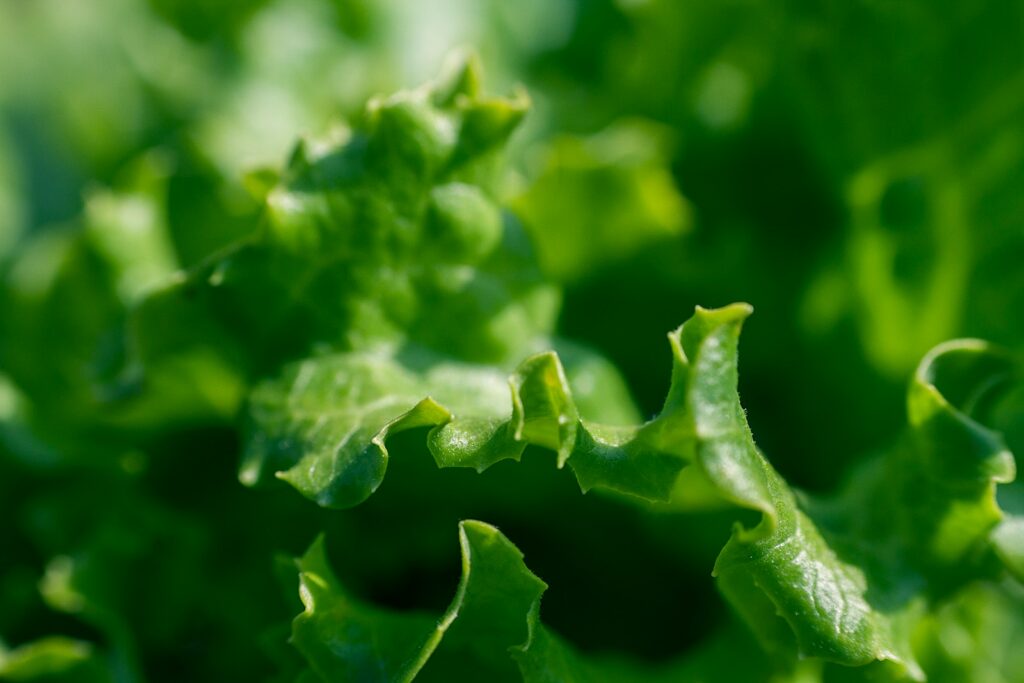
Contaminated lettuce can spread quickly due to its distribution across many states and countries.
Once packaged, it reaches a wide audience, making it difficult to control outbreaks and recall affected products swiftly.
2. Lack of Consumer Awareness
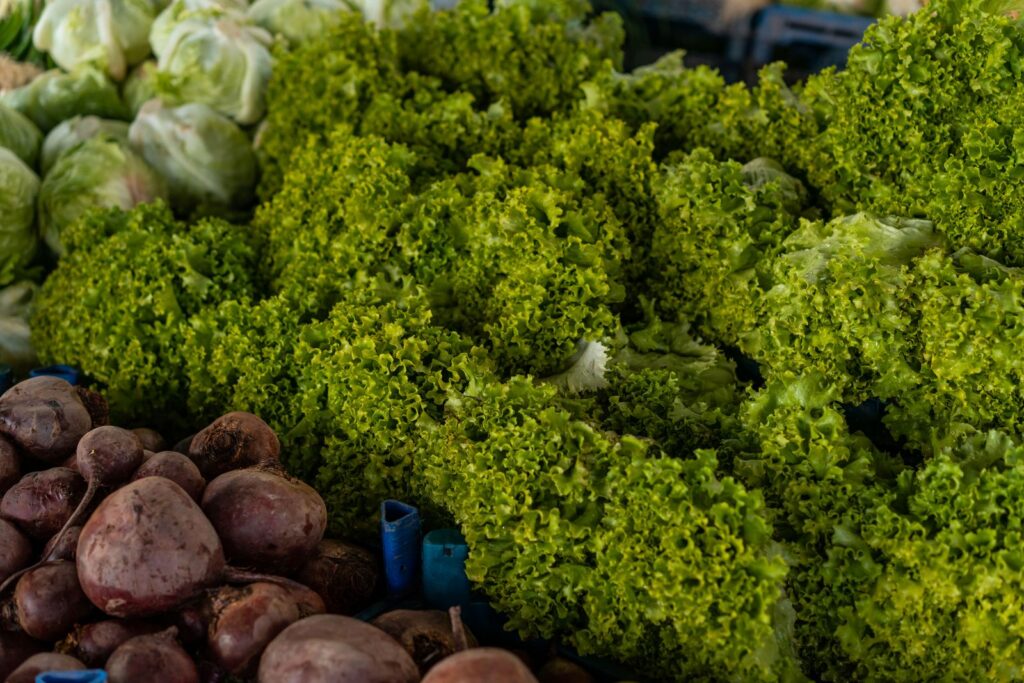
Many consumers are unaware of the risks associated with eating raw lettuce.
Without proper washing and handling, they may inadvertently contribute to the spread of foodborne illnesses.
1. Environmental Factors

The environment in which lettuce is grown can introduce a variety of pathogens.
Factors like weather conditions and nearby livestock can contribute to contamination, challenging farmers to maintain safe growing practices.
Read More:
- 10 Crucial Insights About the Latest Lettuce Recall and Your Health
- 12 Ingenious Ways to Use Up Cucumbers Before They Spoil
- 10 Refreshing No-Cook Dinners for Scorching Hot Days