
Remote work has transformed the modern workplace, often portrayed as the ultimate dream: no commute, flexible hours, and working in sweatpants. But behind the filtered Instagram stories and polished Zoom calls lie some often-overlooked truths.
The reality of working remote is often more complex than it appears. There are many challenges, such as feeling isolated, not having someone to talk to, or rarely going out. Here are 15 remote work realities people rarely talk about—but should.
1. Isolation Can Sneak Up on You

Working from home means fewer spontaneous chats and zero hallway catch-ups. Over time, loneliness can build, especially for extroverts or those living alone.
2. Boundaries Blur Between Work and Home

Your kitchen table becomes your office. Your evenings start to look like late-night work sessions. Without clear boundaries, work-life balance erodes fast.
3. You Might Work More—Not Less

When your office is always open, it’s easy to fall into the trap of working “just a little more.” Many remote workers find themselves clocking longer hours than ever before.
4. Career Growth Can Stall

Out of sight can mean out of mind. Remote workers often miss out on key projects, promotions, or leadership opportunities simply due to lack of visibility.
5. Communication Takes More Work

You can’t pop by a desk or read body language easily on Zoom. Remote communication requires intentional clarity, tone awareness, and constant follow-up.
6. Home Office Costs Add Up

Chairs, desks, extra monitors, faster internet—remote work can shift workplace expenses onto the employee, especially when stipends are limited or nonexistent.
7. Technology Will Fail You
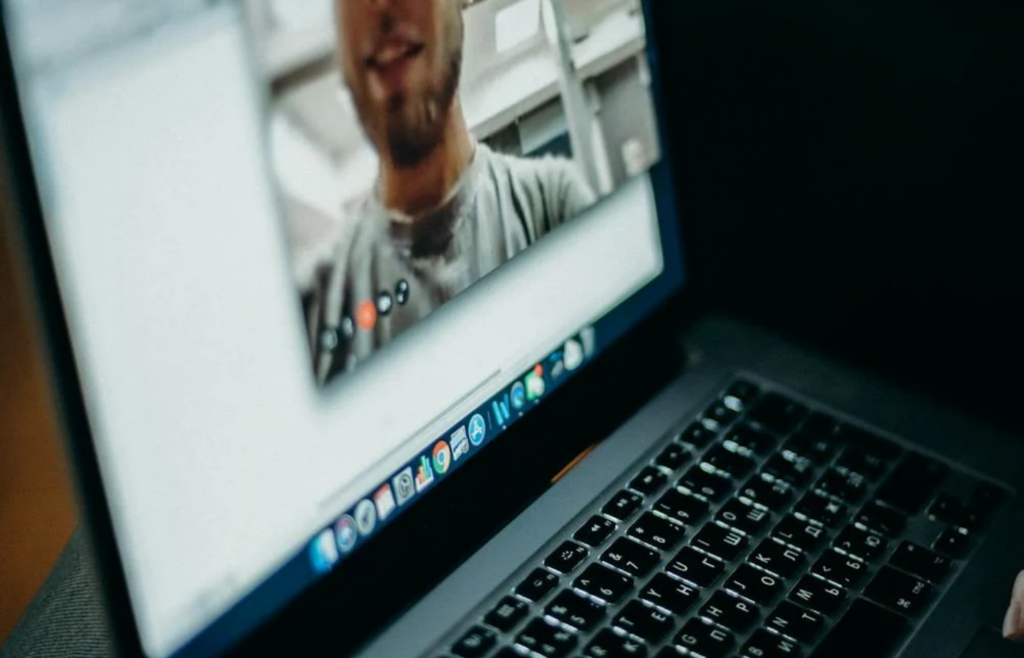
Wi-Fi drops. Software crashes. Passwords expire. Tech hiccups are part of the deal and they always seem to hit during the most important meetings.
8. You May Miss Office Culture More Than You Think

Birthday donuts. Spontaneous brainstorms. Team lunches. It’s easy to romanticize the office once you’ve been away from it long enough.
9. Feedback Loops Slow Down

What once took a two-minute tap on the shoulder can now take hours—or days—over email or Slack.
10. Burnout Still Happens

Just because you’re at home doesn’t mean you’re immune to burnout. In fact, it can happen faster without the physical cues to take breaks or walk away.
11. You Need to Advocate for Yourself More

Remote workers need to be their own PR team. From wins to workloads, you often have to speak up to be noticed or valued.
12. Collaboration Can Feel Disjointed

Asynchronous work can be efficient—but it can also cause delays, miscommunication, and project drift if not managed well.
13. Not Everyone Takes Remote Work Seriously

Some colleagues or clients might assume you’re less committed or working less just because you’re not physically present.
Read More: 10 Financial ‘Rules’ That Are Outdated in Today’s Economy
14. Time Zones Can Wreck Your Schedule

Working with global teams means early mornings or late nights. Time zone overlap is often underestimated in remote setups.
Read More: 10 Jobs That Will Likely Be Obsolete in the Next 20 Years
15. You May Start to Miss the Commute

That commute you once dreaded? It gave you transition time—mental space to shift into and out of work mode. Without it, every day can feel like a blur.
Remote work has incredible upsides, but it isn’t a perfect solution for everyone. Understanding its less glamorous sides helps you navigate it more realistically—and sustainably.
Read More: Top 10 High-Paying Jobs You Can Get Without a Degree