
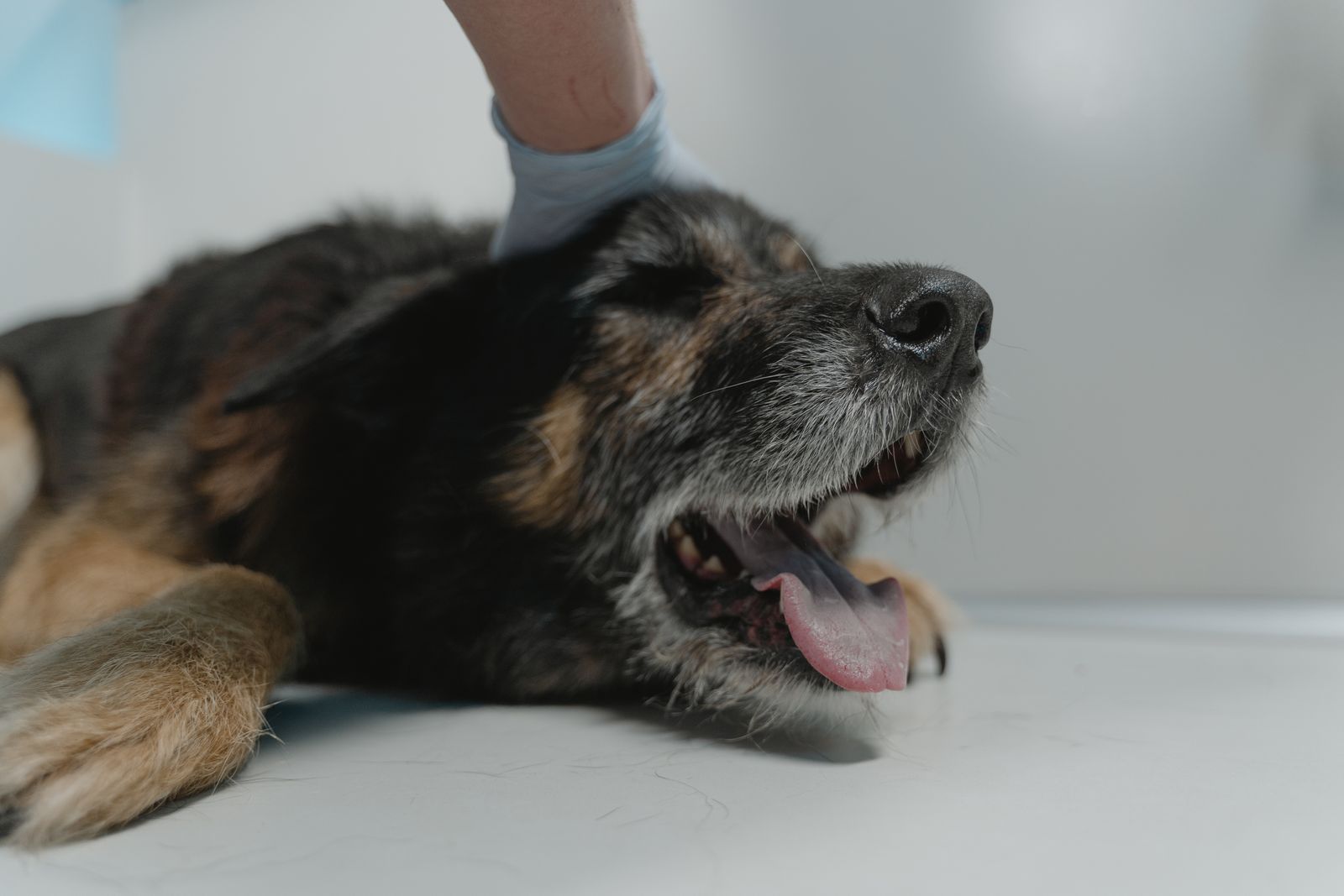
Every pet owner has faced the same question: “Should I wait and see if this gets better, or should I call the vet?”
While some minor issues resolve on their own, others can become serious if treatment is delayed. Knowing when to make that phone call can help your pet get the care they need sooner. Here are 10 signs veterinarians say shouldn’t be ignored.
10. They’re Drinking Much More or Much Less Than Usual
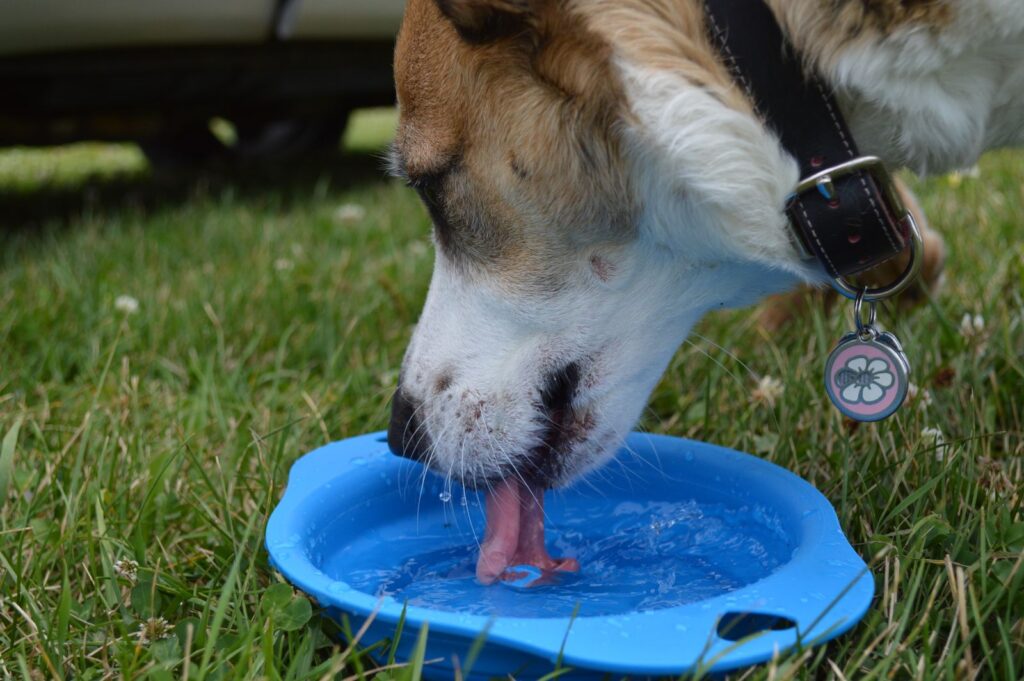
A noticeable change in your pet’s water intake can sometimes signal an underlying health problem.
Increased thirst may be associated with conditions such as diabetes or kidney disease, while drinking much less than usual can contribute to dehydration. If the change continues or is accompanied by vomiting, weakness, changes in urination, or other symptoms, it’s worth calling your veterinarian.
9. They’ve Stopped Eating
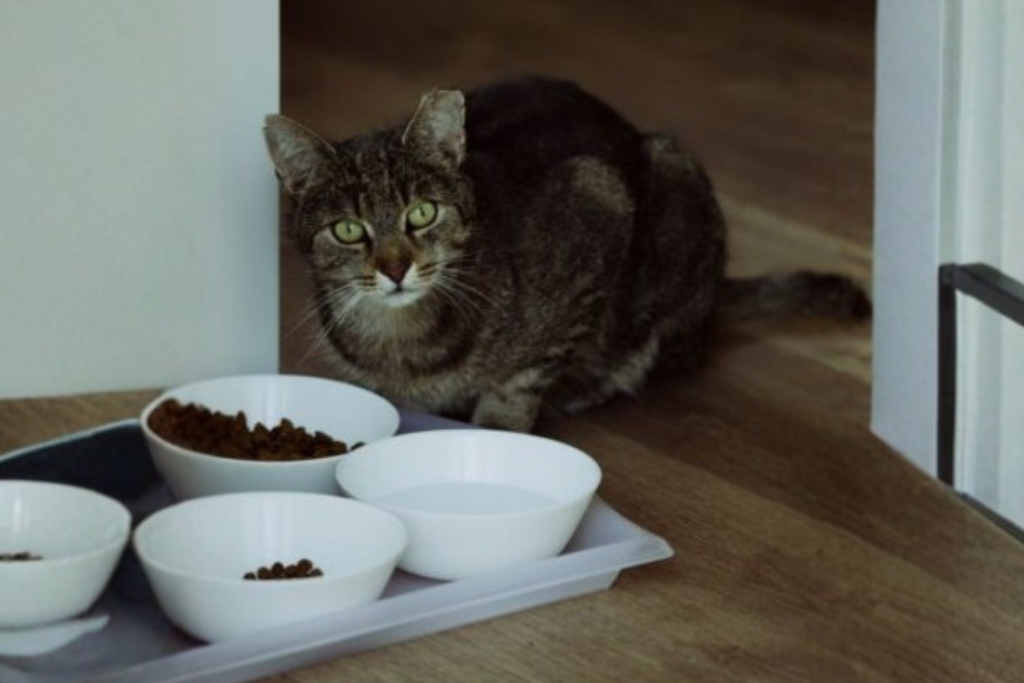
Missing a single meal isn’t always an emergency, but a continued loss of appetite deserves attention.
Cats are especially vulnerable because going without food for even a couple of days can lead to serious liver problems, including hepatic lipidosis. If your pet refuses food or seems unusually uninterested in eating, contact your veterinarian for guidance.
8. They’re Vomiting or Having Diarrhea Repeatedly

An occasional upset stomach can happen.
However, repeated vomiting, persistent diarrhea, blood in the vomit or stool, or signs of dehydration mean it’s time to seek veterinary advice rather than waiting it out.
7. They’re Suddenly Hiding or Acting Very Different
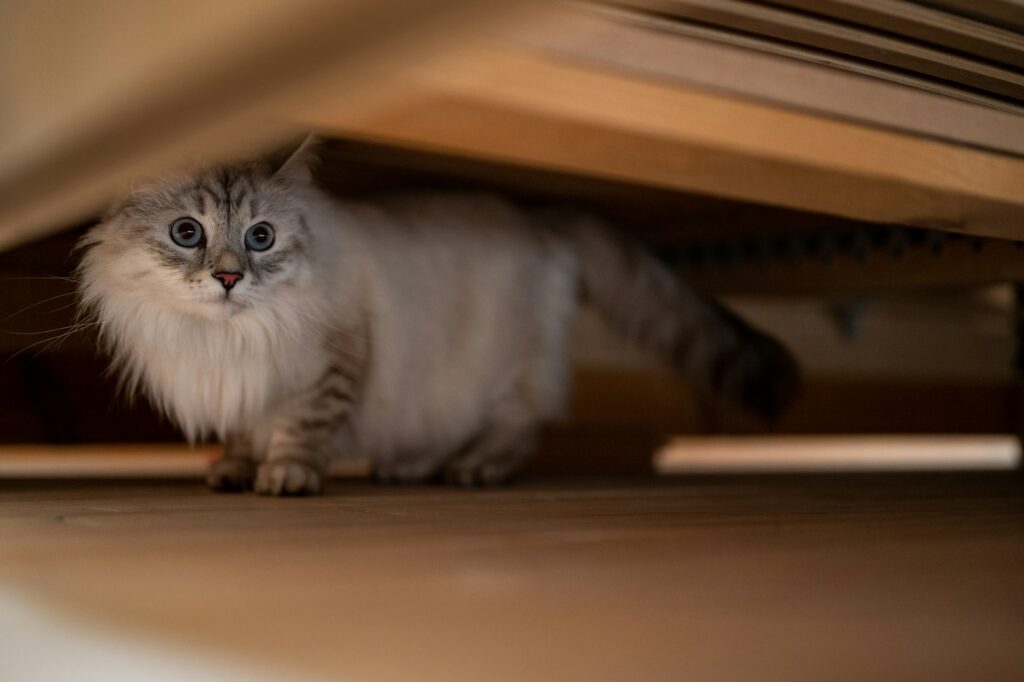
Pets often hide discomfort better than people realize.
A normally social dog that suddenly withdraws or a friendly cat that spends all day hiding may be trying to tell you something isn’t right. Sudden personality changes are worth discussing with your veterinarian, especially when accompanied by appetite loss, pain, and weakness.
6. They’re Limping or Struggling to Move

A minor stumble may improve with rest, but persistent limping, difficulty standing, reluctance to jump, or signs of pain shouldn’t be ignored.
Prompt evaluation can help identify an injury or underlying condition before it worsens.
5. They’re Having Trouble Breathing

Labored breathing, persistent coughing, wheezing, or breathing with an open mouth (especially in cats) should never be dismissed.
Difficulty breathing is considered an urgent medical concern and should be evaluated as soon as possible.
4. They Can’t Urinate or Are Straining
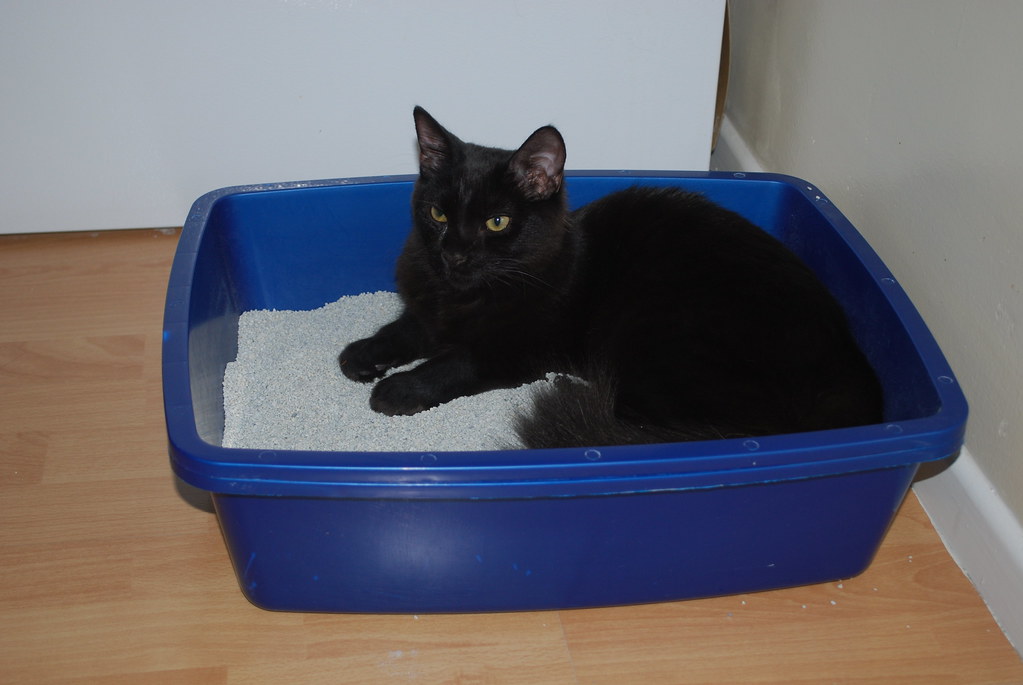
Repeated trips outside or to the litter box with little or no urine can signal a serious problem.
Urinary blockages, particularly in male cats, can become life-threatening within hours. If your pet is straining, crying out, or producing little urine, seek veterinary care immediately.
3. You Notice a Lump That’s Growing or Changing

Not every lump is cancer, but every new or changing lump deserves attention.
Veterinarians can often determine whether a growth is harmless or whether additional testing is needed. Early evaluation is almost always the safest approach.
2. They May Have Eaten Something Toxic
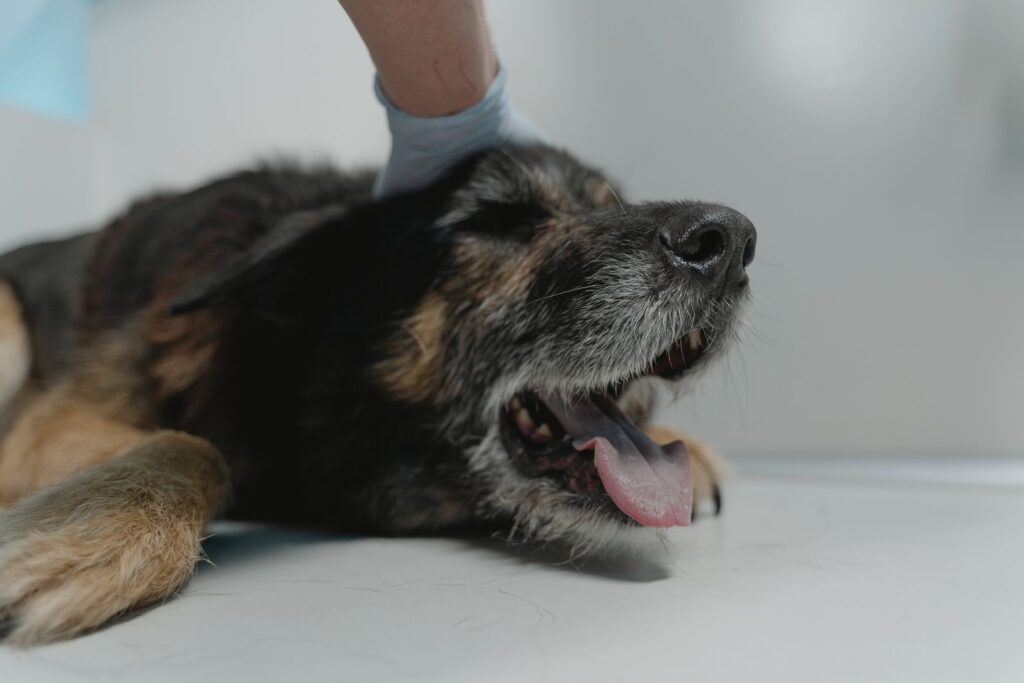
Chocolate, grapes, raisins, xylitol, certain medications, lilies, antifreeze, and many household products can be dangerous to pets.
If you suspect your pet swallowed something toxic, don’t wait for symptoms to appear. Contact your veterinarian or an animal poison hotline right away.
1. Your Instinct Says Something Isn’t Right

No one knows your pet better than you do.
If they’re acting unusually quiet, restless, confused, or simply “not like themselves,” trust your instincts. You don’t need to have a diagnosis before calling your veterinarian. Sometimes a quick phone conversation is all it takes to determine whether your pet should be seen right away.
Read More:
- 10 Beautiful Lessons We Learn From Aging Pets
- These Common Household Items Are Toxic to Pets
- 10 Little Moments When a Rescue Pet Realizes They’re Finally Home